Overview
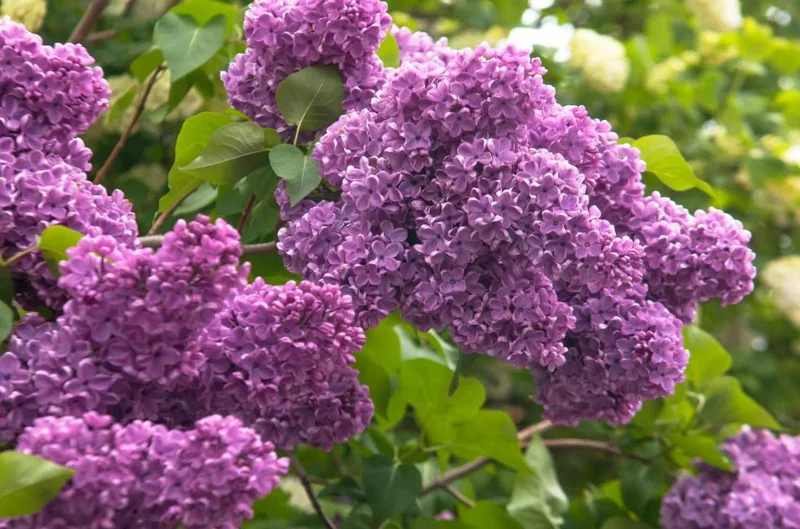
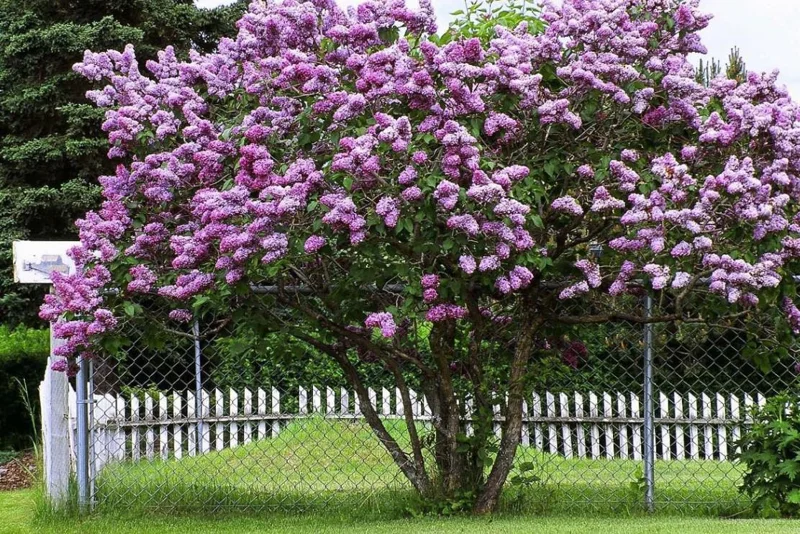
Introduce classic charm and an intoxicating aroma to your outdoor space with the common lilac live plant. This beloved deciduous shrub, scientifically known as Syringa vulgaris, is celebrated for its abundant, fragrant purple flower clusters that emerge in glorious profusion each spring. Originating from the Balkan Peninsula and Eastern Europe, the common lilac has captured the hearts of gardeners for centuries, becoming a symbol of spring and enduring beauty. Its robust nature and stunning floral display make it an ideal choice for creating a nostalgic, scented garden retreat. This live plant arrives healthy and ready to be planted, providing a foundation for years of enjoyment and breathtaking springtime blooms.
The common lilac live plant is not just a visual delight; its sweet, pervasive fragrance is a hallmark of the spring season, inviting pollinators like butterflies and bees to your garden. Whether you’re looking to establish a fragrant border, create a stunning focal point, or simply add a touch of old-world elegance to your landscape, this hardy shrub delivers. It’s a low-maintenance choice for gardeners seeking high impact with minimal fuss, thriving in a variety of temperate climates and rewarding you with its iconic blooms.
Key Benefits
The common lilac live plant offers a multitude of advantages for any gardener looking to enhance their outdoor environment. Its many qualities make it a cherished addition to diverse landscape designs:
- Exquisite Fragrance: One of the most cherished attributes of the common lilac is its intensely sweet and memorable perfume. The abundant purple blooms release a delightful scent that can waft through your garden, creating an enchanting atmosphere and making spring evenings truly magical.
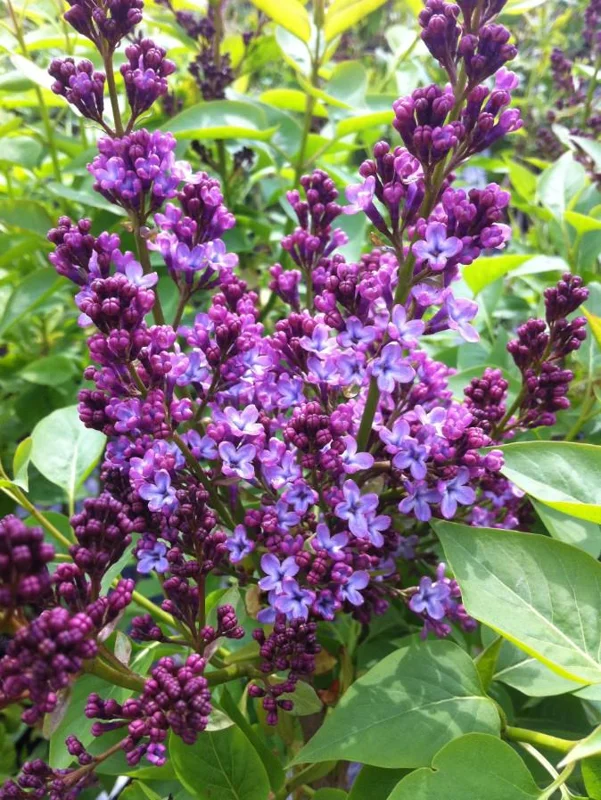
- Spectacular Spring Blooms: Lilacs are synonymous with spring, gracing the garden with their showy, cone-shaped clusters of purple flowers. These vibrant blossoms provide a striking visual display, signaling the arrival of warmer weather and bringing a burst of color to your landscape after a long winter.
- Attracts Pollinators: The nectar-rich flowers of the fragrant lilac shrub are a magnet for beneficial insects, including butterflies, bees, and hummingbirds. Planting a common lilac helps support local ecosystems and enhances the biodiversity of your garden, contributing to a healthier environment.
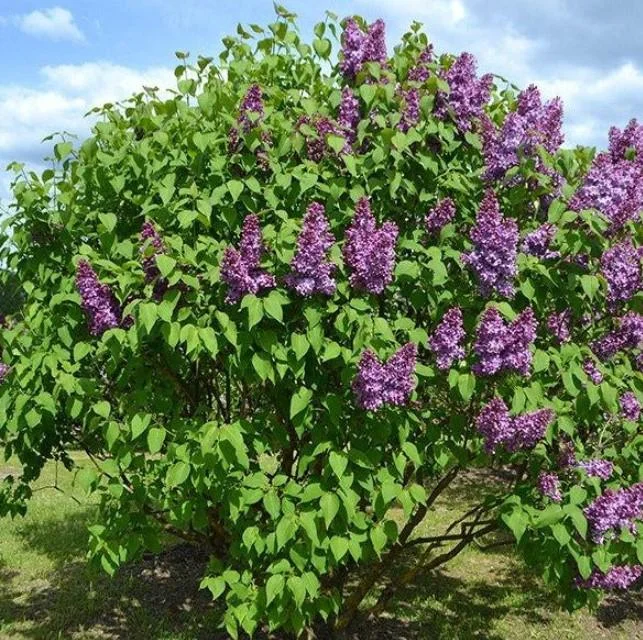
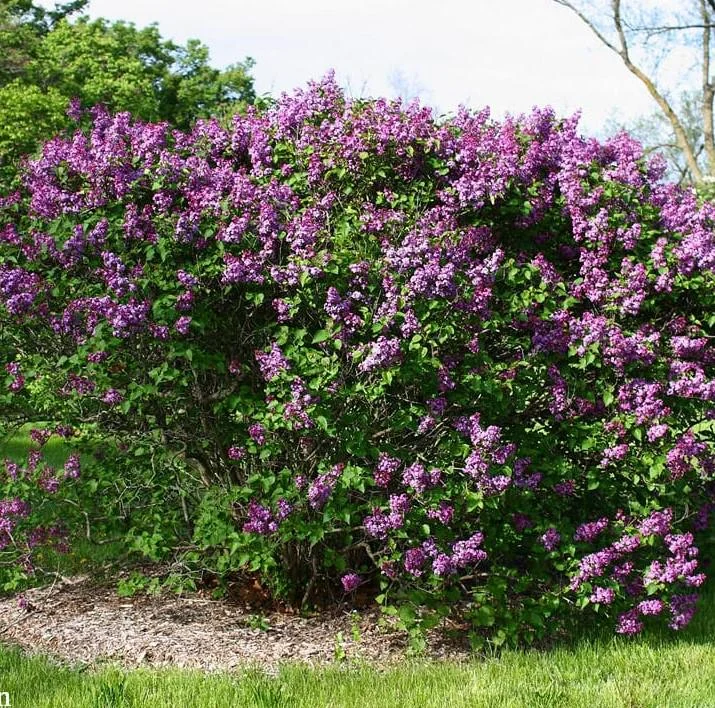
- Versatile Landscape Use: This adaptable shrub can be utilized in various garden settings. It makes an excellent specimen plant, a beautiful addition to mixed borders, or can be planted in groups to form a fragrant hedge or screen. Its upright growth habit provides structure and beauty throughout the growing season.
- Hardy and Resilient: The common lilac live plant is known for its hardiness and ability to withstand cold winters, thriving in USDA Zones 3-7. Once established, it is relatively drought-tolerant and disease-resistant, making it a robust and reliable choice for many regions.
- Low Maintenance: Despite its grand appearance, this purple flowering bush requires minimal care. With proper initial planting and occasional pruning, it will continue to flourish and produce abundant blooms year after year, offering significant reward for little effort.
- Timeless Appeal: The enduring popularity of Syringa vulgaris plant stems from its classic beauty and nostalgic charm. Planting a lilac connects you to generations of gardeners who have admired its grace and fragrance, adding a sense of history and tradition to your garden.
Plant Care & Growing Tips
Caring for your common lilac live plant is straightforward, ensuring years of beautiful, fragrant blooms. These shrubs thrive with the right conditions, primarily focusing on sunlight, soil, and proper watering. To ensure your fragrant lilac shrub establishes well and flourishes, consider its specific needs.
Sunlight: Lilacs are sun-worshippers and require at least 6 hours of direct sunlight daily to produce abundant flowers. Planting your purple flowering bush in a location that receives full sun is crucial for optimal blooming. While they can tolerate some partial shade, too little sun will result in fewer flowers and a leggy growth habit. Ensure good air circulation around the plant to prevent fungal issues. This is especially important for an outdoor garden lilac.
Soil & Watering: The common lilac prefers well-drained soil that is slightly alkaline to neutral, with a pH between 6.5 and 7.5. Avoid overly acidic or soggy soils, as these can lead to root rot and poor plant health. Amending heavy clay soils with organic matter can improve drainage. Water deeply after planting to help establish the root system. Once established, lilacs are relatively drought-tolerant but will benefit from watering during prolonged dry spells, especially during flowering. Overwatering can be detrimental, so ensure the soil dries out somewhat between waterings. For a healthy Syringa vulgaris plant, proper soil conditions are paramount.
Planting & Fertilization: The best time to plant your common lilac is in early spring or fall when the plant is dormant. Dig a hole twice as wide as the root ball and just as deep. Place the plant so the top of the root ball is level with the soil surface. Backfill with soil, gently firming it around the roots, and water thoroughly. Spacing is important; plant shrubs 5-15 feet apart, depending on the mature size of the variety. Lilacs generally do not require heavy fertilization. A balanced, slow-release fertilizer applied in early spring can promote vigorous growth and flowering, but avoid high-nitrogen fertilizers which can encourage foliage at the expense of blooms. Pruning should be done after flowering to shape the plant and remove spent blossoms, which can encourage more flowers the following year.
Size & Details
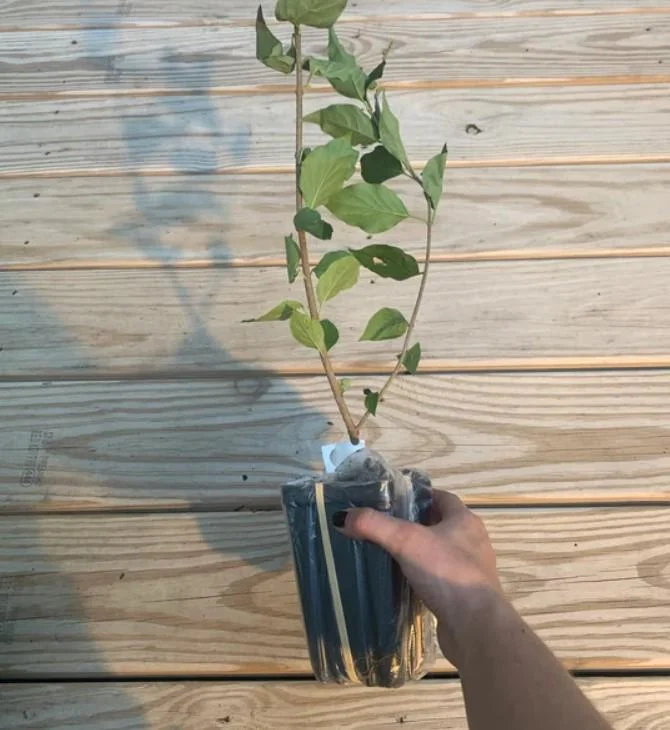
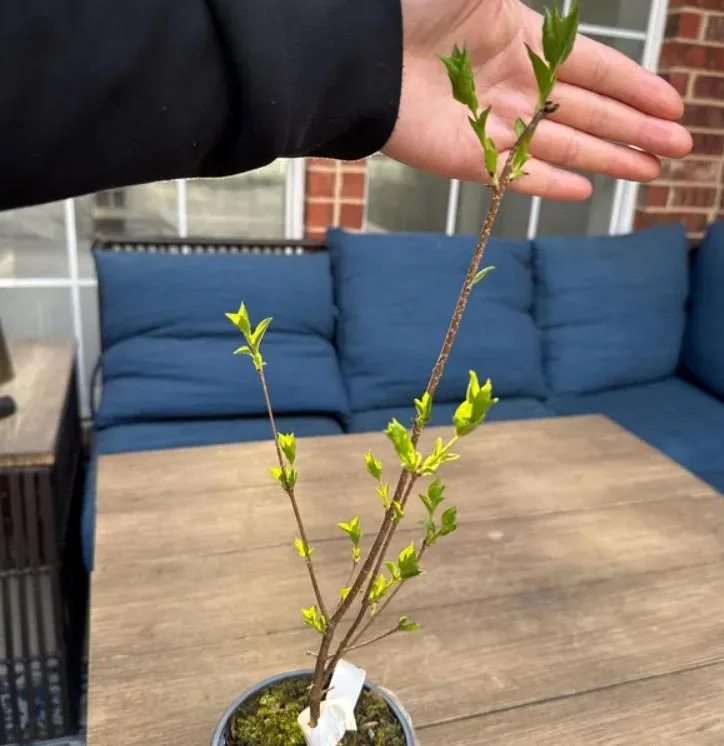
This common lilac live plant arrives ready to thrive, typically measuring 6-12 inches in height from the base of the plant to the top of its foliage, and is securely rooted in a 4-inch nursery pot. This size is ideal for transplanting into your garden, allowing it to acclimate quickly and begin its growth journey. Lilacs are known for their moderate to fast growth rate, and with proper care, this shrub can reach a mature height of 8-15 feet with a similar spread, forming a substantial and impressive presence in your landscape. Expect your plant to establish well in the first growing season, with initial blooms potentially appearing within 1-3 years, depending on growing conditions and specific cultivar. The deciduous nature means it will shed its leaves in winter, preparing for another spectacular spring display. This outdoor garden lilac is a long-lived plant, offering decades of beauty and fragrance to your home.
Frequently Asked Questions
- Q: How big does this common lilac live plant get? A: This common lilac live plant typically grows to a mature height of 8-15 feet and can have a similar spread, creating a substantial and beautiful focal point or hedge in your garden. Its size depends on growing conditions and pruning.
- Q: What size pot does it come in? A: The fragrant lilac shrub is shipped in a 4-inch nursery pot, and the plant itself will be approximately 6-12 inches tall upon arrival, ready for transplanting into your garden.
- Q: Is this an indoor or outdoor plant? A: The common lilac live plant is an outdoor plant, specifically a deciduous shrub that thrives in garden settings. It requires cold winters to set its flower buds for spring bloom.
- Q: How much sunlight does it need? A: For abundant blooms, your purple flowering bush needs full sun, meaning at least 6 hours of direct sunlight per day. Less sun will result in fewer flowers.
- Q: Is this plant easy to care for? A: Yes, the common lilac is considered a low-maintenance shrub once established. It requires well-drained soil, full sun, and occasional watering during dry spells. Proper pruning after flowering is beneficial.
- Q: What condition will it arrive in? A: Your common lilac live plant will arrive healthy, actively growing, and securely packaged in its 4-inch nursery pot, ready for planting.
- Q: How long until it blooms? A: While young plants may bloom in their first year, most Syringa vulgaris plant specimens will begin producing significant flower displays within 1-3 years after planting, once they are well-established.
- Q: When is the best time to plant? A: The ideal times to plant your common lilac are in early spring or fall, when the plant is dormant, to allow for optimal root establishment before extreme temperatures.
- Q: Will it survive winter in my zone? A: The outdoor garden lilac is very cold-hardy and thrives in USDA Zones 3-7, meaning it is well-suited to survive cold winters in many temperate regions.
- Q: What type of soil does it prefer? A: Lilacs prefer well-drained soil that is slightly alkaline to neutral (pH 6.5-7.5). Avoid heavy, waterlogged soils.









Reviews
There are no reviews yet.