Overview
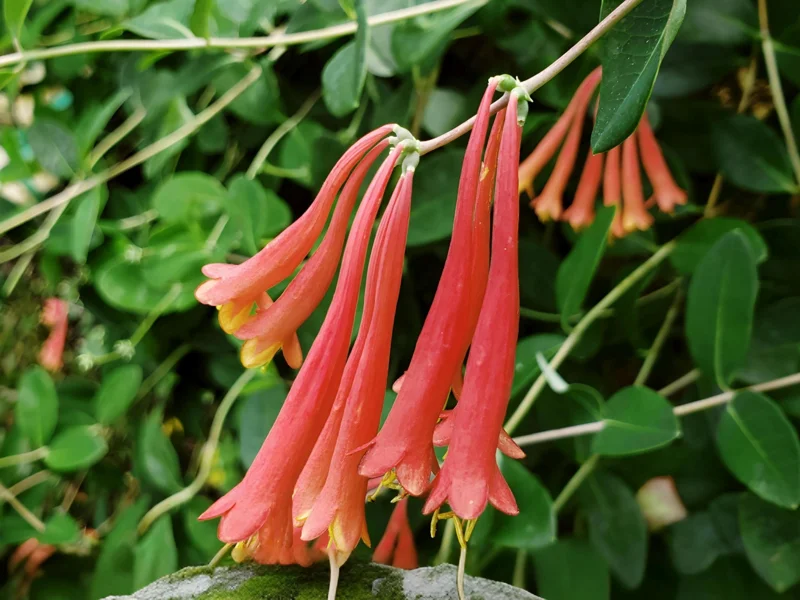
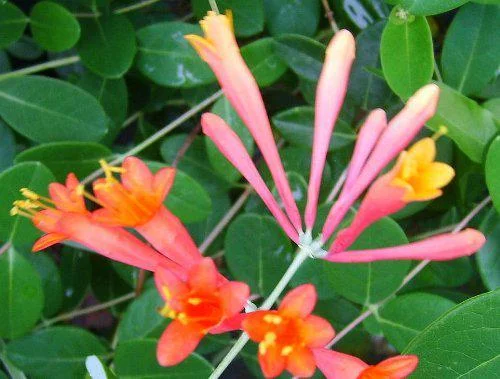
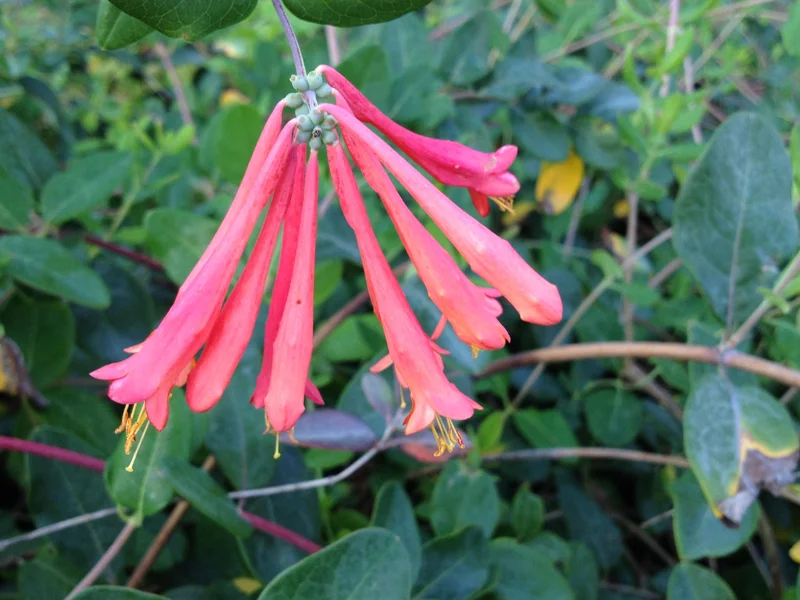
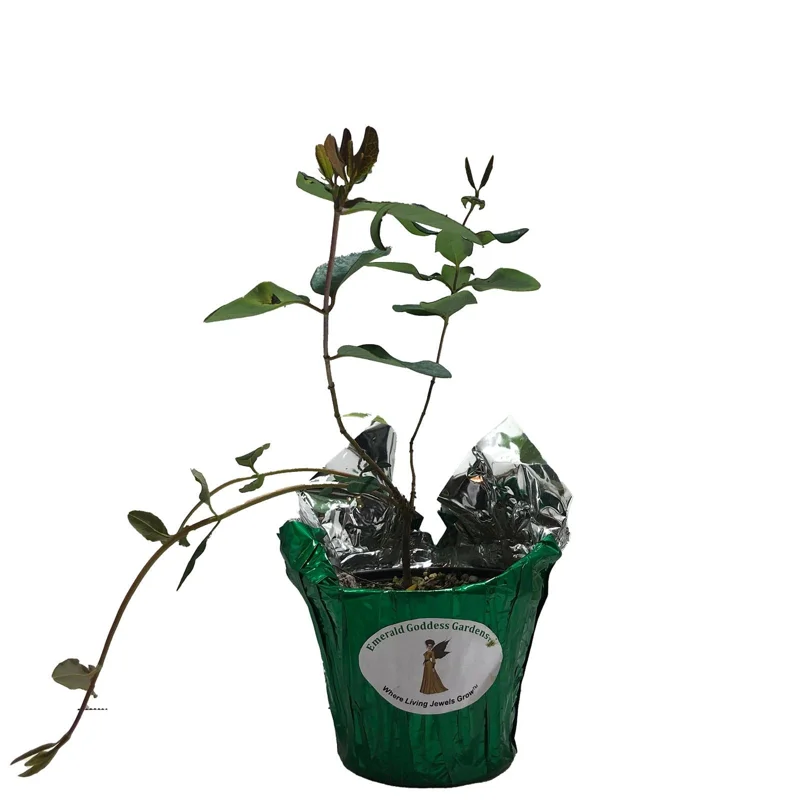
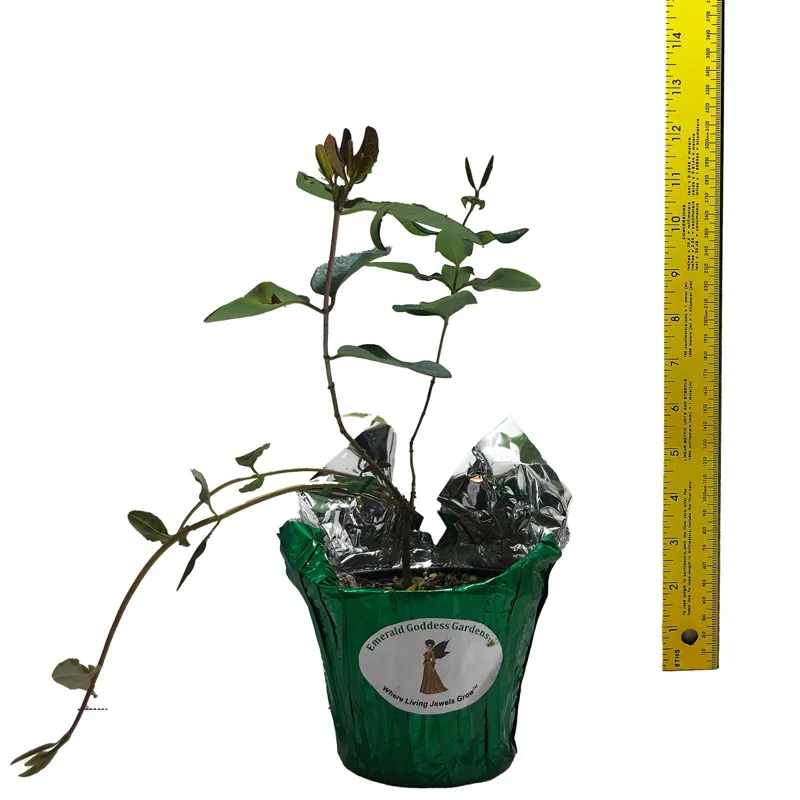
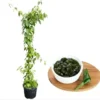
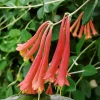
Introduce a burst of vibrant color and ecological benefit to your landscape with the coral honeysuckle live plant (Lonicera sempervirens). This beautiful, slender, and fast-growing tendriled vine is celebrated for its profuse clusters of coral-red to bright orange, trumpet-shaped, nectar-rich flowers with charming yellow throats. Blooming primarily in the spring, it also offers scattered blooms throughout the year, ensuring continuous visual interest. Native to the southern United States, Lonicera sempervirens care is remarkably easy, making it an excellent choice for both experienced gardeners and beginners. Unlike invasive honeysuckle varieties, this species is non-invasive, allowing you to enjoy its beauty without ecological concerns. It’s a starter size plant, approximately 6 to 8 inches tall, rooted in a 4-inch diameter root zone, ready to establish itself in your garden.
The coral honeysuckle live plant is not just a pretty face; it’s a powerhouse for local ecosystems. Its nectar-rich flowers are a magnet for hummingbirds and butterflies, making it an essential addition to butterfly gardens and wildlife habitats. This versatile vine can be trained to climb trellises, fences, or other supports, providing quick cover and vertical interest. Alternatively, it can be used as an attractive ground cover or for effective erosion control on embankments and other challenging areas. Its adaptability and striking appearance make it a highly desirable choice for various garden designs.
Key Benefits
The coral honeysuckle live plant offers a multitude of advantages for your garden and local environment, making it a truly rewarding addition:
- Attracts Pollinators: The bright orange, trumpet-shaped flowers are incredibly rich in nectar, serving as a vital food source for hummingbirds and butterflies. This makes it an excellent choice for creating a vibrant wildlife habitat and supporting local ecosystems.
- Vibrant Floral Display: Enjoy profuse clusters of beautiful coral-red to orange flowers in spring, with sporadic blooms continuing throughout the year. The striking color adds a cheerful and dynamic element to any garden space.
- Versatile Growth Habit: This tendriled vine can be trained to climb trellises, arbors, fences, or walls, offering quick vertical coverage. It can also be used as an effective ground cover for erosion control, providing flexibility in landscape design.
- Low Maintenance: Known for being an easy-care plant, the coral honeysuckle live plant requires minimal tending once established. This makes it ideal for gardeners seeking beautiful results without extensive effort, contributing to its reputation as a low maintenance vine.
- Non-Invasive Species: Unlike some other honeysuckle varieties, Lonicera sempervirens is native to the US and non-invasive, ensuring it won’t outcompete native plants or disrupt natural habitats.
- Moderately Cold-Tolerant: Suitable for USDA Zones 5-9, it can withstand a range of climates. In colder zones (5-7), it may die back to the ground but will reliably resprout in spring.
- Erosion Control: Its sprawling growth makes it excellent for stabilizing soil on embankments and slopes, preventing erosion in problem areas.
Plant Care & Growing Tips
Proper lonicera sempervirens care ensures a healthy and flourishing vine with abundant blooms. This adaptable plant thrives with the right conditions. When mature, plant your coral honeysuckle live plant in fertile, very well-draining soil or potting media. Excellent drainage is crucial to prevent root issues. For optimal growth and flowering, ensure your vine receives full sun exposure. This means at least 6-8 hours of direct sunlight per day. While it can tolerate some partial shade, full sun will encourage the most prolific blooming and vigorous growth. Once established, it is moderately drought-tolerant, but consistent moisture is best.
Water as needed to maintain consistent soil moisture, but always avoid overwatering, as overly saturated plants can become weak, spotted, thin, and fail to flower as expected. The ideal watering schedule will depend on your climate, soil type, and the plant’s maturity. Feed your orange honeysuckle vine with a good quality, slow-release fertilizer initially after planting. Repeat fertilization only as needed based on the plant’s appearance and growth vigor, typically in spring before new growth begins. Pruning should be done after the main flowering period to control size and shape, and to encourage more blooms the following season. Avoid heavy pruning during winter, especially in colder zones where the plant may be dormant. This plant is recommended for USDA Zones 5, 6, 7, 8, and 9. In zones 5-7, well-established plants often freeze to the ground and resprout in the spring, while in warmer zones, it tends to be evergreen.
To ensure successful establishment, especially in colder climates, plant early in the season. Mulch heavily around the base of the plant well ahead of the first frost to protect the roots. Young plants will benefit from protection from extreme cold until they are well established. This resilience makes it a fantastic hummingbird plant outdoor for many regions. Always monitor for signs of stress, such as yellowing leaves or stunted growth, which can indicate issues with watering, soil, or nutrient deficiencies.
Size & Details
This offering is for one (1) well-rooted, starter-size coral honeysuckle live plant. Each plant boasts an approximate 4-inch diameter root zone, indicating a healthy and established root system ready for transplanting. The plant will typically be a minimum of about 6 to 8 inches tall upon arrival, providing a good foundation for growth. Please note that it is unlikely to have blooms or buds on arrival, as starter plants focus their energy on root development and establishment. Once mature, this vigorous orange honeysuckle vine can reach an impressive height of 8 to 10 feet, providing substantial coverage and a stunning display of flowers. Its fast-growing nature means you won’t have to wait long to see significant development and blooming. The plant’s mature size and spreading habit make it perfect for covering large trellises, fences, or forming a dense ground cover. Its tubule bloom form adds a unique texture to the garden and is highly attractive to pollinators.
Frequently Asked Questions
- Q: How big will my coral honeysuckle live plant get? A: Once mature and well-established, your Coral Honeysuckle vine can reach a height of 8 to 10 feet. Its tendriled nature allows it to climb and spread, providing significant coverage for supports or as ground cover.
- Q: Is this an indoor or outdoor plant? A: The Coral Honeysuckle (Lonicera sempervirens) is an outdoor plant, best suited for gardens and landscapes where it can receive full sun and climb freely. It is not adapted for indoor cultivation.
- Q: How much sunlight does this hummingbird plant outdoor need? A: For the best growth and most abundant flowering, Coral Honeysuckle requires full sun, meaning at least 6 to 8 hours of direct sunlight per day. It can tolerate partial shade, but blooming may be less prolific.
- Q: What condition will my plant arrive in? A: Your order includes one well-rooted, starter-size plant, typically 6 to 8 inches tall, with an approximate 4-inch diameter root zone. It is unlikely to have blooms or buds upon arrival, as young plants focus on root development.
- Q: Is this a low maintenance vine? A: Yes, Coral Honeysuckle is known for being an easy-care and low-maintenance plant once established. It requires consistent watering initially and occasional pruning to maintain its shape and size.
- Q: When is the best time to plant Lonicera sempervirens care? A: The best time to plant Coral Honeysuckle is in the spring to early summer, allowing the plant ample time to establish its root system before winter. In warmer climates, it can also be planted in early fall.
- Q: What USDA Zones is this vine suitable for? A: Coral Honeysuckle is moderately cold-tolerant and recommended for USDA Zones 5, 6, 7, 8, and 9. In colder zones, it may die back to the ground but will typically resprout in spring.
- Q: What type of soil does the orange honeysuckle vine prefer? A: This plant thrives in fertile, very well-draining soil or potting media. Good drainage is essential to prevent root rot and ensure healthy growth.
- Q: Will this vine attract wildlife to my garden? A: Absolutely! The nectar-rich, trumpet-shaped flowers are a favorite of hummingbirds and butterflies, making it an excellent addition to any wildlife-friendly garden or habitat.
- Q: Does this honeysuckle have a fragrance? A: Unlike some other honeysuckle varieties, Lonicera sempervirens, or Coral Honeysuckle, is not typically fragrant. Its appeal lies in its vibrant visual display and attraction to pollinators.


Reviews
There are no reviews yet.