Overview
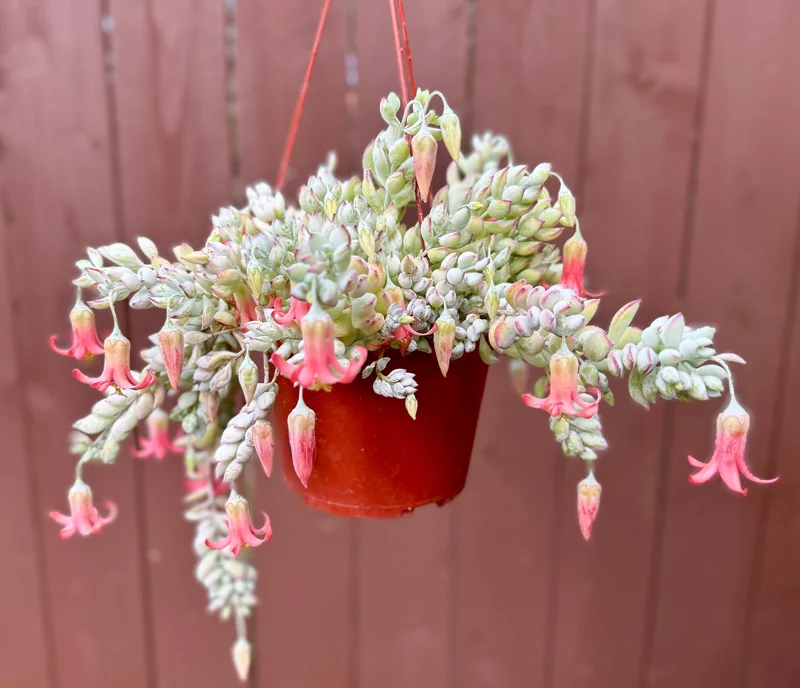
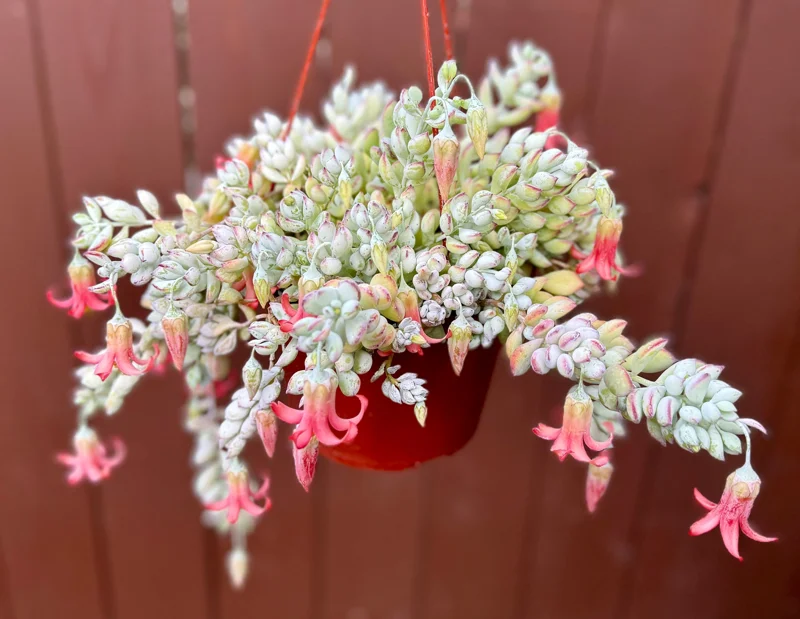
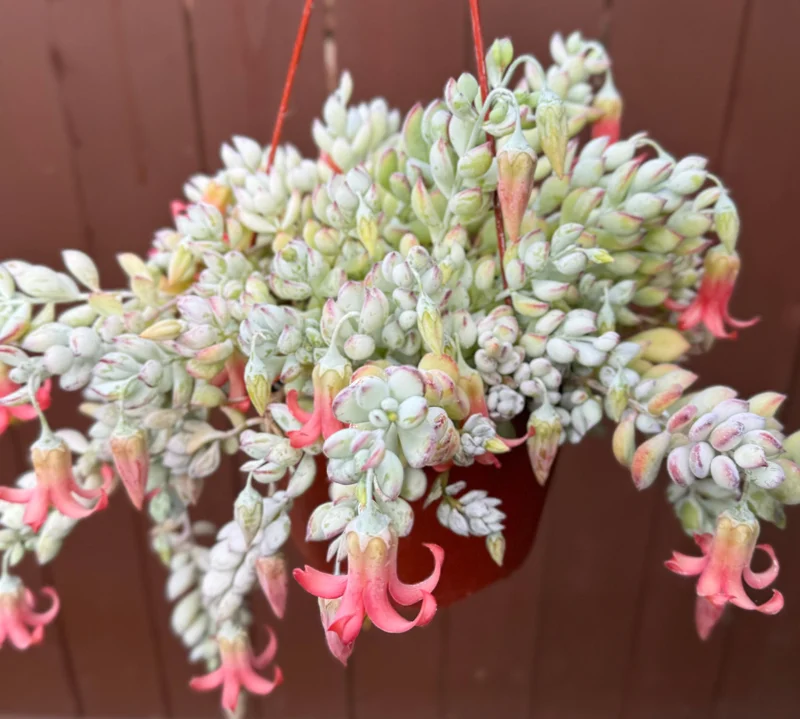
Introduce a touch of natural elegance to your indoor garden with the exquisite Cotyledon Pendens live plant. This captivating succulent, often referred to as ‘Cliff Cotyledon’ or ‘Pink Plant’ due to the subtle pink tinges on its leaves, is a species native to the arid regions of southern Africa. Renowned for its distinctive trailing growth habit, it develops long, pendulous stems that gracefully cascade, making it an exceptional choice for hanging baskets, elevated planters, or as a charming ‘spiller’ in succulent arrangements. Each leaf is fleshy, spoon-shaped, and boasts a pale green color, frequently highlighted with reddish-pink margins, especially when exposed to ample sunlight. Unlike many succulents, its unique form and elegant drape offer a dynamic visual interest that can transform any room or patio into a verdant oasis. This trailing succulent is not just a visual delight but also a testament to nature’s resilience, thriving with minimal fuss and providing long-lasting beauty.
The botanical name, Cotyledon pendens, accurately describes its ‘hanging’ nature, distinguishing it from other members of the Cotyledon genus. Its low-maintenance requirements make it an accessible option for plant lovers of all skill levels, from beginners to seasoned horticulturalists. Whether you’re looking to add a unique texture to your plant collection or seeking a resilient, beautiful specimen to brighten your living space, the Cotyledon Pendens live plant delivers on all fronts. Its ability to adapt to various indoor conditions, coupled with its striking appearance, ensures it remains a popular and cherished addition to any home.
Key Benefits
The Cotyledon Pendens live plant offers a multitude of benefits, making it a highly desirable addition to any plant collection. Its unique characteristics contribute to both aesthetic appeal and ease of care, ensuring a rewarding plant ownership experience.
- Stunning Trailing Form: This succulent develops long, cascading stems adorned with charming, fleshy leaves. It’s an ideal choice for creating dramatic visual interest in hanging baskets, shelves, or as a ‘spiller’ in mixed succulent containers, adding dynamic movement to your decor.
- Unique Foliage Color: The spoon-shaped leaves are typically pale green, but with adequate sunlight, they develop beautiful reddish-pink margins, giving the plant a distinctive and attractive ‘pink plant’ appearance that stands out amongst other succulents.
- Low Maintenance & Drought Tolerant: As a trailing succulent, Cotyledon Pendens is naturally adapted to dry conditions, requiring infrequent watering. This makes it a perfect choice for busy individuals or those new to plant care, as it is forgiving of occasional neglect.
- Versatile Decor Accent: Its elegant, pendulous growth habit allows it to be showcased in various settings, from modern minimalist interiors to bohemian-inspired spaces. It can be a focal point or a complementary element in a larger plant display.
- Adaptable to Indoor Environments: While it appreciates bright light, the Cotyledon Pendens live plant can thrive in typical indoor conditions, provided it receives sufficient light. It’s a resilient plant that adapts well to living room or office environments.
- Conversation Starter: Its unusual appearance and vibrant color variations make it a fascinating specimen. Guests will often inquire about this unique pink succulent, adding an interesting talking point to your home.
- Air Purifying Qualities: Like many houseplants, succulents contribute to improving indoor air quality by absorbing toxins and releasing oxygen, creating a healthier living environment.
Plant Care & Growing Tips
Caring for your Cotyledon Pendens live plant is relatively straightforward, making it an excellent choice for both beginners and experienced succulent enthusiasts. Understanding its basic needs will ensure vigorous growth and vibrant foliage. The primary factors to consider for optimal health are sunlight, watering, soil, and temperature.
Sunlight Requirements: This trailing succulent thrives in bright, indirect light. Indoors, place it near a south or west-facing window where it can receive several hours of bright light daily. Direct, intense afternoon sun, especially in hot climates, can scorch its leaves, so some protection during peak hours is beneficial. If the plant doesn’t receive enough light, its characteristic pink edges may fade, and the plant might stretch, becoming leggy. Conversely, too much direct sun can intensify the pink coloration, making it a true pink succulent, but monitor for signs of stress.
Watering Schedule and Soil Moisture Preferences: As a succulent, Cotyledon Pendens is highly drought-tolerant. The most common mistake in succulent care is overwatering. Allow the soil to dry out completely between waterings. When you do water, do so thoroughly until water drains from the bottom of the pot. In active growing seasons (spring and summer), this might be every 2-4 weeks, while in dormant periods (fall and winter), watering can be reduced to once a month or even less. Always check the soil moisture with your finger before watering to prevent root rot. Proper Cotyledon care emphasizes a ‘soak and dry’ method.
Soil Type and Drainage Requirements: Excellent drainage is paramount for this plant. Use a specialized succulent or cactus potting mix, or create your own by mixing regular potting soil with perlite, pumice, or coarse sand in a 1:1 ratio. This ensures that excess water can quickly drain away, preventing waterlogged roots. A pot with drainage holes is absolutely essential for the health of your Cotyledon Pendens live plant.
Temperature Range and USDA Hardiness Zone: Cotyledon Pendens prefers warm temperatures and is not frost-tolerant. It thrives in typical indoor room temperatures, ideally between 65-80°F (18-27°C). If grown outdoors, it is best suited for USDA Hardiness Zones 9-11, where temperatures rarely drop below freezing. If you live in a colder zone, bring the plant indoors before the first frost. Protect it from cold drafts and sudden temperature fluctuations.
Fertilization Schedule and Type: Fertilization is generally not heavily required for this succulent. During the active growing season (spring and summer), you can feed it once or twice with a diluted liquid succulent or cactus fertilizer, typically at half strength. Avoid fertilizing during its dormant period in fall and winter. Over-fertilization can lead to leggy growth and salt buildup in the soil.
Common Problems and Solutions: The most common issues arise from improper watering. Overwatering leads to root rot, characterized by soft, mushy stems and leaves. If this occurs, unpot the plant, remove any rotted sections, allow it to callus, and repot in fresh, dry soil. Underwatering, on the other hand, can cause the leaves to shrivel or wrinkle, which can be remedied by a good soak. Pests like mealybugs or aphids can occasionally appear; treat them with insecticidal soap or neem oil. Good air circulation is also important to prevent fungal issues in this hanging basket plant.
Size & Details
The Cotyledon Pendens live plant typically forms a dense mat of trailing stems that can reach lengths of 1 to 2 feet or more, depending on its age and growing conditions. The individual leaves are small, measuring about 0.5 to 1 inch long. This succulent has a moderate growth rate, gradually extending its beautiful cascades over time. When shipped, the plant will arrive as a healthy, established specimen, ready to be placed in your chosen pot or hanging basket. It is shipped in its nursery pot, ensuring minimal transplant shock and providing a stable environment during transit. With proper Cotyledon care, you can expect this plant to mature into a magnificent display within 1-2 years, showcasing its full trailing potential and becoming a stunning pink succulent focal point. Its compact root system allows it to thrive even in smaller containers, making it adaptable for various indoor spaces.
Frequently Asked Questions
- Q: How big does this plant get? A: The Cotyledon Pendens live plant is a trailing succulent, and its stems can grow quite long, typically reaching lengths of 1 to 2 feet or even more. The overall spread will depend on the container size and how you allow it to trail.
- Q: Is this an indoor or outdoor plant? A: While it can tolerate outdoor conditions in warmer climates (USDA Zones 9-11), it is primarily grown as an indoor houseplant in most regions. It thrives in bright, indirect indoor light.
- Q: How much sunlight does it need? A: This trailing succulent requires bright, indirect light for at least 4-6 hours a day. Too much direct, harsh sun can scorch its leaves, while too little light may cause it to lose its vibrant pink coloration and become leggy.
- Q: Is this plant easy to care for? A: Yes, the Cotyledon Pendens live plant is considered relatively easy to care for, making it suitable for beginners. Its drought tolerance and minimal needs contribute to its low-maintenance appeal.
- Q: What condition will it arrive in? A: Your Cotyledon Pendens live plant will arrive as a healthy, well-rooted specimen in its nursery pot, carefully packaged to ensure its safety during transit. It will be ready to be placed in your chosen decorative container.
- Q: How often should I water my Cotyledon Pendens? A: Water only when the soil is completely dry. This usually means every 2-4 weeks during the growing season and even less frequently in winter. Always check the soil moisture before watering to prevent overwatering, which can lead to root rot.
- Q: What kind of soil is best for this plant? A: A well-draining succulent or cactus potting mix is essential. You can also create your own by mixing regular potting soil with perlite or coarse sand to improve drainage.
- Q: Does the ‘pink’ color always show on the leaves? A: The reddish-pink edges of this pink succulent are often more pronounced when the plant receives ample bright light. In lower light conditions, the leaves may remain a more uniform pale green.
- Q: Is it safe for pets? A: While many succulents are considered non-toxic, it’s always best to keep plants out of reach of pets to prevent any potential irritation or digestive upset. Exercise caution with any houseplants around animals.
- Q: Can I propagate my Cotyledon Pendens? A: Yes, this hanging basket plant can be propagated from stem cuttings. Allow the cut end to callus for a few days before placing it in well-draining soil, and it will typically root quite easily.






Reviews
There are no reviews yet.