Overview
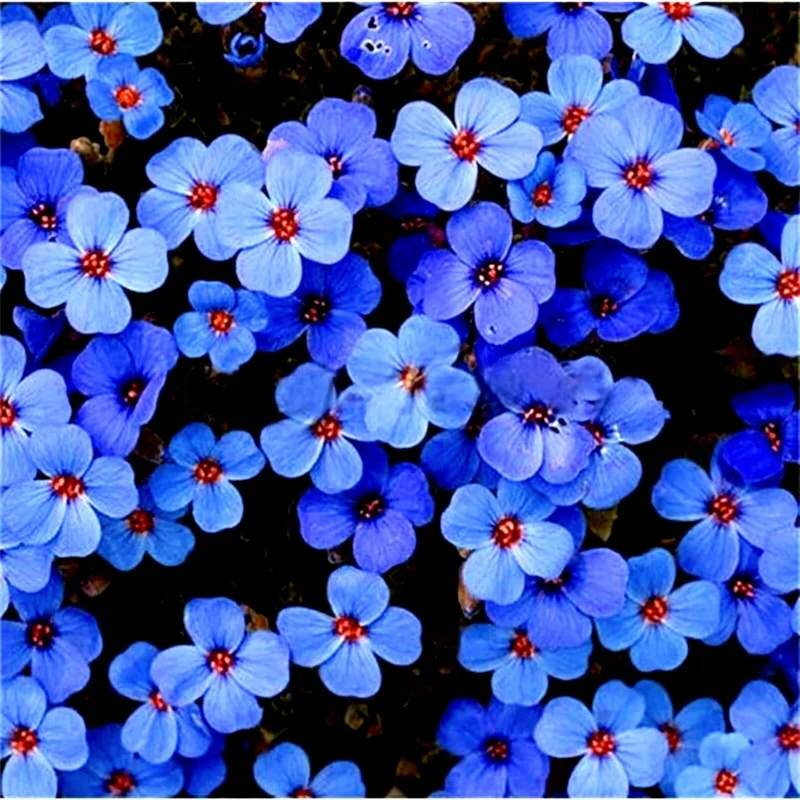
Embark on a delightful gardening journey with these premium creeping thyme seeds. Known scientifically as Thymus serpyllum, this low-growing, mat-forming perennial is a favorite for its charming blue flowers and fragrant foliage. Perfect for a variety of landscape applications, these thymus serpyllum seeds will transform your garden into a vibrant, aromatic haven. Whether you’re looking to fill in bare spots, create a living carpet, or add a touch of natural beauty to your rock garden, blue creeping thyme is an excellent choice. It’s not just beautiful; it’s also a robust plant that offers numerous benefits to your outdoor space, thriving with minimal fuss once established.
These creeping thyme seeds are an economical and rewarding way to establish a widespread ground cover. Unlike purchasing mature plants, seeds allow for broad coverage and an intimate connection with the growth process from the very beginning. The resulting plants are hardy, drought-tolerant, and provide a continuous display of small, attractive flowers throughout the summer, attracting beneficial pollinators like bees and butterflies. Its resilience makes it an ideal choice for gardeners seeking both beauty and practicality.
Key Benefits
Creeping thyme seeds offer a multitude of advantages for any gardener, from aesthetic appeal to ecological benefits. Planting these seeds provides a foundation for a garden that is both beautiful and functional.
- Excellent Ground Cover: Forms a dense, low-growing mat that effectively suppresses weeds and prevents soil erosion, making it a perfect ground cover seeds solution for slopes, pathways, and bare patches.
- Attractive Blue Blooms: Produces a profusion of delicate blue flowers in summer, adding a splash of color and visual interest to your landscape. The vibrant hue is particularly striking against green foliage.
- Fragrant Foliage: Releases a pleasant, herbaceous aroma when walked upon or brushed against, creating a sensory experience in your garden. This natural fragrance also deters some pests.
- Drought Tolerant: Once established, creeping thyme is highly drought-resistant, requiring minimal watering and making it an ideal choice for xeriscaping or water-wise gardens.
- Attracts Pollinators: The abundant flowers are a magnet for bees, butterflies, and other beneficial pollinators, contributing to the health and biodiversity of your garden ecosystem.
- Low Maintenance: Requires very little care once mature. It’s pest-resistant and generally free from serious diseases, allowing you to enjoy its beauty without constant upkeep.
- Versatile Use: Suitable for rock gardens, borders, pathways, between stepping stones, or as an alternative to traditional lawns. Its adaptability makes it a versatile perennial herb seeds option for various garden designs.
Plant Care & Growing Tips
Growing creeping thyme seeds is a straightforward process, making it suitable for gardeners of all experience levels. Success begins with understanding its basic needs for sunlight, soil, and watering. This hardy plant thrives in conditions that mimic its native Mediterranean environment.
For optimal growth, creeping thyme requires full sun, meaning at least 6 hours of direct sunlight per day. While it can tolerate partial shade, too little light may result in leggy growth and fewer blooms. The ideal soil for Thymus serpyllum is well-draining, sandy, or rocky, with a neutral to slightly alkaline pH. Avoid heavy clay soils that retain too much moisture, as this can lead to root rot. If your soil is heavy, amend it with sand or grit to improve drainage. When sowing thymus serpyllum seeds, lightly press them into the soil surface; do not cover them deeply as they need light to germinate. Keep the soil consistently moist until germination occurs, which typically takes 10-20 days.
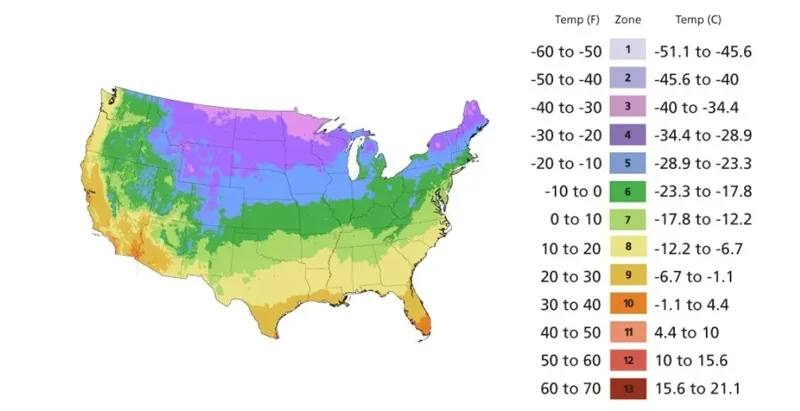
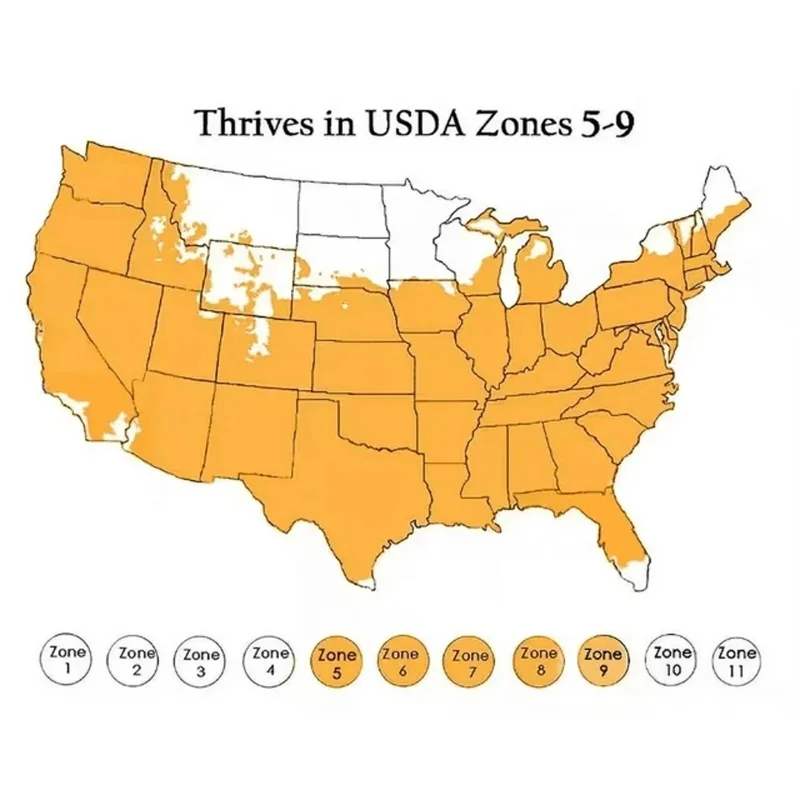
Once established, creeping thyme is remarkably drought-tolerant and prefers to dry out between waterings. Overwatering is a common mistake and can be detrimental. Fertilization is rarely needed, especially in rich soils. If growth appears sluggish, a light application of a balanced, slow-release fertilizer in spring can be beneficial. Pruning is not essential but can be done after flowering to maintain shape and encourage denser growth. This perennial herb seeds variety is hardy in USDA zones 2-9, making it resilient in a wide range of climates. Watch out for powdery mildew in humid conditions; ensuring good air circulation can help prevent this issue.
Size & Details
These creeping thyme seeds are designed to grow into a robust and spreading ground cover. Mature plants typically reach a height of 4-6 inches and can spread up to 18-24 inches wide, creating a dense, carpet-like effect. The seeds are small, indicative of the delicate yet resilient nature of the plant they will become. Each packet contains a generous quantity of seeds to ensure ample coverage for your desired area. Expect vibrant blue flowers to appear in profusion during the summer months, providing a long-lasting display of color. The growth rate is moderate, establishing a good cover within one to two growing seasons. These ground cover seeds are perfect for filling in large areas or creating intricate designs in your garden beds.
Frequently Asked Questions
- Q: How big does this creeping thyme get? A: Creeping thyme typically grows to a height of 4-6 inches and can spread up to 18-24 inches wide, forming a dense ground cover. Its low-growing habit makes it ideal for areas where you want a short, spreading plant.
- Q: Is this an indoor or outdoor plant? A: While creeping thyme seeds can be started indoors, the mature plant is primarily grown outdoors as a hardy perennial ground cover. It thrives in outdoor garden settings, rockeries, and pathways.
- Q: How much sunlight does it need? A: For best results and abundant blooms, Thymus serpyllum seeds require full sun, meaning at least 6 hours of direct sunlight per day. It can tolerate partial shade but may produce fewer flowers.
- Q: Is this plant easy to care for? A: Yes, creeping thyme is considered a low-maintenance plant once established. It’s drought-tolerant and generally resistant to pests and diseases, making it an excellent choice for beginners and busy gardeners.
- Q: What condition will the seeds arrive in? A: Your thymus serpyllum seeds will arrive in a protective packet, ensuring they are fresh and viable for planting. We take care to ensure the quality of our seeds for successful germination.
- Q: When is the best time to plant creeping thyme seeds? A: The best time to plant creeping thyme seeds is in early spring after the last frost, or in late summer/early fall in warmer climates. They can also be started indoors 6-8 weeks before the last frost.
- Q: Will it survive winter in my zone? A: Creeping thyme is very hardy and can survive winters in USDA Hardiness Zones 2-9. It is a perennial, meaning it will return year after year in these zones, often retaining some foliage even in cold weather.
- Q: Can I walk on blue creeping thyme? A: Yes, blue creeping thyme is well-suited for light foot traffic. Walking on it releases its pleasant fragrance, making it a popular choice for planting between stepping stones or along pathways.
- Q: How long does it take for creeping thyme seeds to germinate? A: Germination for thymus serpyllum seeds typically takes between 10 to 20 days, provided the soil is kept consistently moist and temperatures are favorable.
- Q: What are the benefits of using perennial herb seeds for ground cover? A: Using perennial herb seeds like creeping thyme for ground cover offers long-term solutions for weed suppression, soil stabilization, and aesthetic appeal, returning year after year without replanting.













Reviews
There are no reviews yet.