Overview
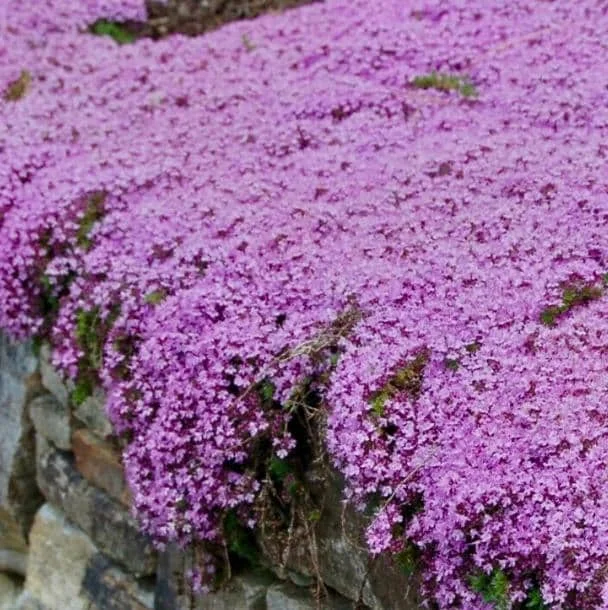
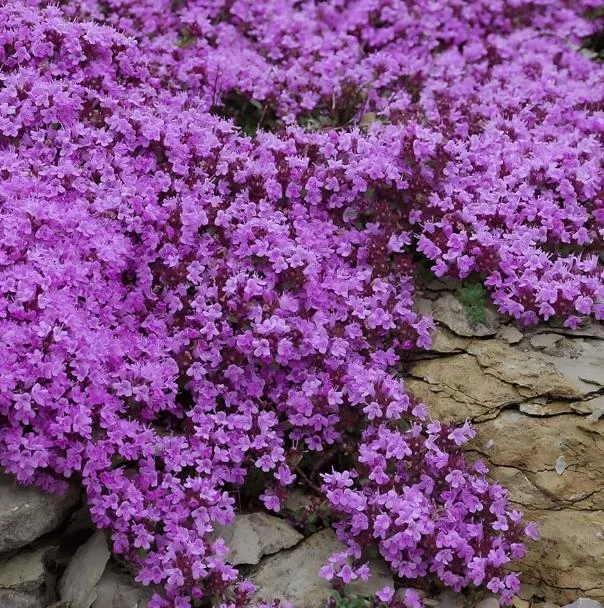
Transform your garden into a fragrant haven with these premium 50,000 Creeping Thyme Seeds. Creeping Thyme, scientifically known as Thymus serpyllum, is a remarkable low-growing perennial herb that forms a dense, mat-like carpet. These seeds offer an excellent opportunity to establish a beautiful and resilient ground cover, perfect for filling in spaces between stepping stones, adorning pathways, or creating a verdant, aromatic lawn alternative. The delicate, evergreen foliage releases a pleasant thyme scent when brushed or stepped upon, adding a sensory delight to your outdoor space. In late spring to summer, your garden will be graced with clusters of tiny pink to purple flowers, attracting pollinators and enhancing overall biodiversity. Starting your garden with thymus serpyllum seeds is a rewarding experience, providing both aesthetic appeal and a practical, low-maintenance solution for various landscaping needs.
Our creeping thyme seeds are carefully selected to ensure high germination rates, giving you the best start for your gardening project. Whether you’re an experienced gardener or just beginning, these seeds are straightforward to plant and cultivate, promising a vibrant and long-lasting display. This specific variety of thyme is known for its hardiness and ability to thrive in a range of conditions, making it a reliable choice for many regions. Embrace the beauty and utility of creeping thyme seeds and create a captivating landscape that delights the senses year after year.
Key Benefits
Planting creeping thyme seeds offers a multitude of advantages for any garden, from aesthetic enhancement to practical ground coverage. These versatile plants are an excellent choice for gardeners seeking both beauty and ease of care.
- Exceptional Ground Cover: Creeping Thyme forms a dense, mat-like carpet that effectively suppresses weeds and reduces the need for constant maintenance. It spreads beautifully, creating a uniform and attractive green layer.
- Fragrant Foliage: The small, evergreen leaves are highly aromatic, releasing a delightful thyme scent when brushed or walked upon. This natural fragrance enhances the sensory experience of your garden or pathway.
- Beautiful Blooms: In late spring to summer, the plants produce charming clusters of pink to purple flowers, adding a splash of color and attracting beneficial pollinators like bees and butterflies to your garden.
- Drought Tolerant: Once established, Creeping Thyme has low water needs and is highly drought-tolerant, making it an ideal choice for xeriscaping or gardens in drier climates.
- Low Maintenance: These perennial thyme seeds grow into plants that require minimal care, thriving with little intervention once they are established. They are resistant to many common pests and diseases.
- Erosion Control: The dense root system of Creeping Thyme helps to stabilize soil, making it an excellent choice for slopes or areas prone to erosion.
- Versatile Landscaping Use: Perfect for rock gardens, between stepping stones, along pathways, as a lawn alternative, or in containers, providing flexible design options for various garden styles.
Plant Care & Growing Tips
Growing creeping thyme seeds into a thriving ground cover is a relatively simple process that yields beautiful results. Understanding the specific needs of Thymus serpyllum will ensure healthy growth and abundant blooms throughout the season. These perennial thyme seeds are quite forgiving, but providing optimal conditions will maximize their potential.
Sunlight Requirements
Creeping Thyme thrives in full sun, requiring at least 6 hours of direct sunlight daily to perform its best. While it can tolerate some partial shade, too little sun may result in leggy growth and fewer flowers. When choosing a planting location for your thymus serpyllum seeds, prioritize areas that receive ample sunlight throughout the day.
Watering Schedule and Soil Moisture
This plant prefers well-draining soil and has low water needs once established. Water new seedlings regularly to keep the soil consistently moist but not waterlogged. Once mature, water occasionally during dry periods. Avoid soggy soil at all costs, as this can lead to root rot. Allow the top inch or two of soil to dry out completely between waterings.
Soil Type and Drainage
Creeping Thyme is not particular about soil fertility but absolutely requires excellent drainage. It prefers sandy or rocky soil types. If your garden has heavy clay soil, amend it with sand, grit, or organic matter to improve drainage before planting your fragrant garden seeds. A pH range between 6.0 and 8.0 is generally ideal.
Temperature Range and USDA Hardiness Zone
Creeping Thyme is a hardy perennial, typically thriving in USDA Zones 4 to 9. It prefers temperatures between 60°F (15°C) and 80°F (27°C) for optimal growth. It can tolerate colder temperatures in winter once established, and also handle moderate heat. Low to moderate humidity is preferred.
Fertilization
Creeping Thyme generally does not require heavy fertilization. If your soil is very poor, a light application of a balanced, all-purpose granular fertilizer in early spring can be beneficial. Over-fertilizing can lead to excessive foliage growth at the expense of flowers and can make the plant less resilient.
Common Problems and Solutions
Creeping Thyme is relatively pest and disease-free. The most common issue is root rot, caused by overly wet or poorly draining soil. Ensure proper drainage and avoid overwatering. Slugs and snails might occasionally be an issue, especially in damp conditions; use organic slug pellets or physical barriers if necessary. Regularly check for any signs of stress and adjust care as needed to maintain healthy ground cover seeds.
Size & Details
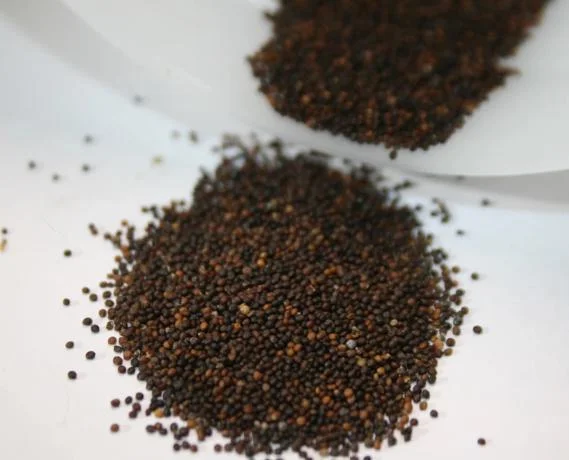
This offering includes 50,000 Creeping Thyme Seeds (Thymus serpyllum), providing a generous quantity for covering significant garden areas or for multiple planting projects. When mature, Creeping Thyme typically grows to a low height of 2-6 inches, spreading horizontally to form a dense mat up to 1-2 feet wide per plant, depending on growing conditions and space available. It has a moderate growth rate, establishing itself well within one growing season and spreading more extensively in subsequent years.
The seeds are shipped in a protective packet, ready for planting. Expect germination within 7-21 days under ideal conditions. While the plant itself is evergreen in many zones, the first blooms usually appear in late spring to early summer of the first full growing season after planting. These thymus serpyllum seeds are perfect for creating a long-lasting, beautiful, and functional landscape element.
Frequently Asked Questions
- Q: How big does Creeping Thyme get? A: Creeping Thyme typically grows to a height of 2-6 inches, forming a dense mat that can spread 1-2 feet wide per plant. Its low-growing habit makes it excellent for ground cover.
- Q: How many creeping thyme seeds are included in this pack? A: This pack contains 50,000 Creeping Thyme Seeds, providing ample quantity for large planting areas or multiple projects.
- Q: Is this an indoor or outdoor plant? A: Creeping Thyme is primarily an outdoor perennial plant, ideal for gardens, pathways, and rockeries. While it can be grown in containers, it thrives best outdoors in full sun.
- Q: How much sunlight does perennial thyme seeds need? A: Creeping Thyme requires at least 6 hours of direct sunlight per day, meaning it thrives in full sun conditions.
- Q: Is this plant easy to care for? A: Yes, Creeping Thyme is considered very easy to care for, especially once established. It’s drought-tolerant and requires minimal maintenance, making it suitable for beginners.
- Q: When is the best time to plant thymus serpyllum seeds? A: The best time to plant creeping thyme seeds is in spring after the last frost, or in late summer to early fall in warmer climates.
- Q: What condition will the seeds arrive in? A: The seeds will arrive in a sealed, protective packet, ensuring their viability and readiness for planting.
- Q: Will Creeping Thyme survive winter in my zone? A: Creeping Thyme is hardy in USDA Zones 4 to 9, meaning it can withstand winter temperatures in these regions and return year after year.
- Q: What kind of soil does Creeping Thyme prefer? A: It prefers well-draining soil, ideally sandy or rocky soil. Good drainage is crucial to prevent root rot.
- Q: Are these fragrant garden seeds suitable for attracting pollinators? A: Yes, the pink to purple flowers produced by Creeping Thyme are very attractive to bees, butterflies, and other beneficial pollinators.











Reviews
There are no reviews yet.