Overview
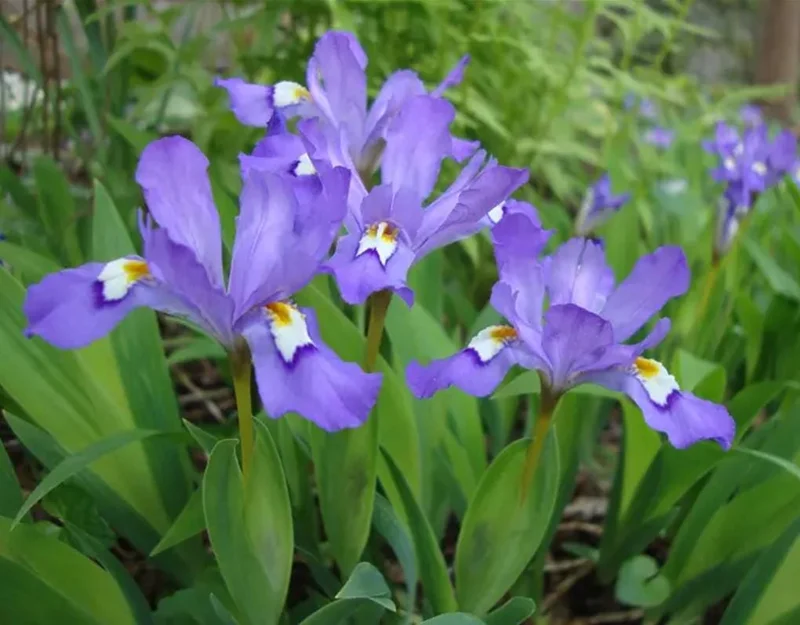
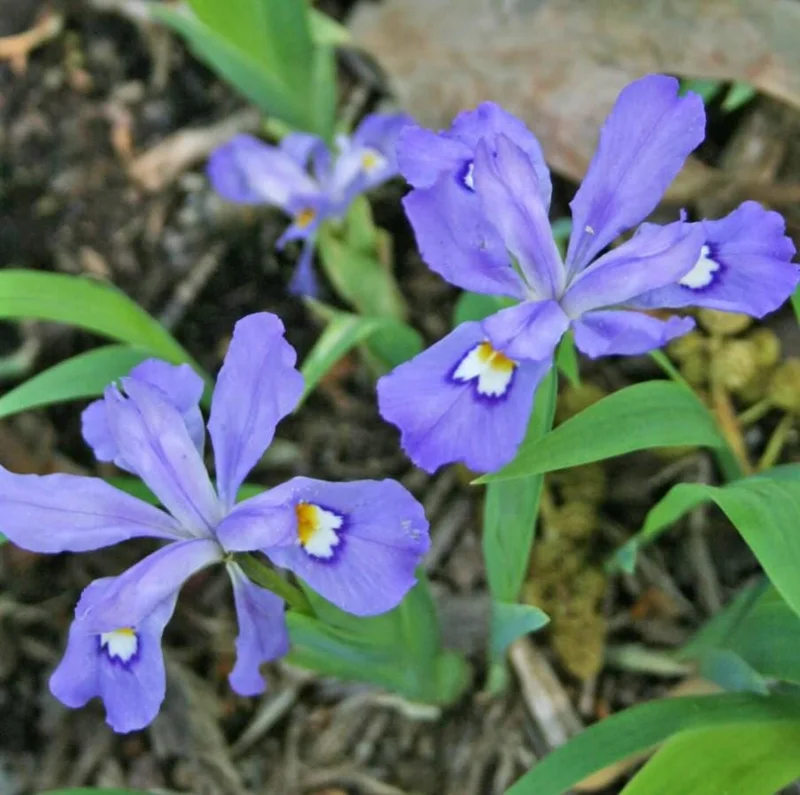
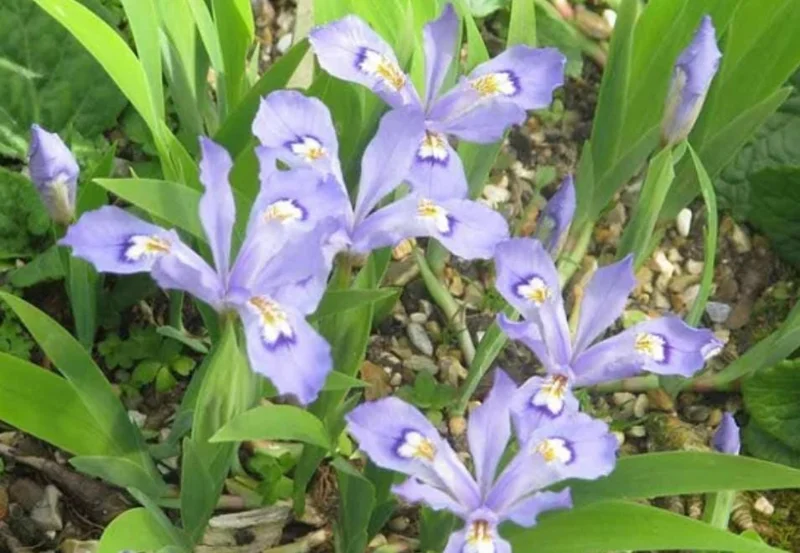
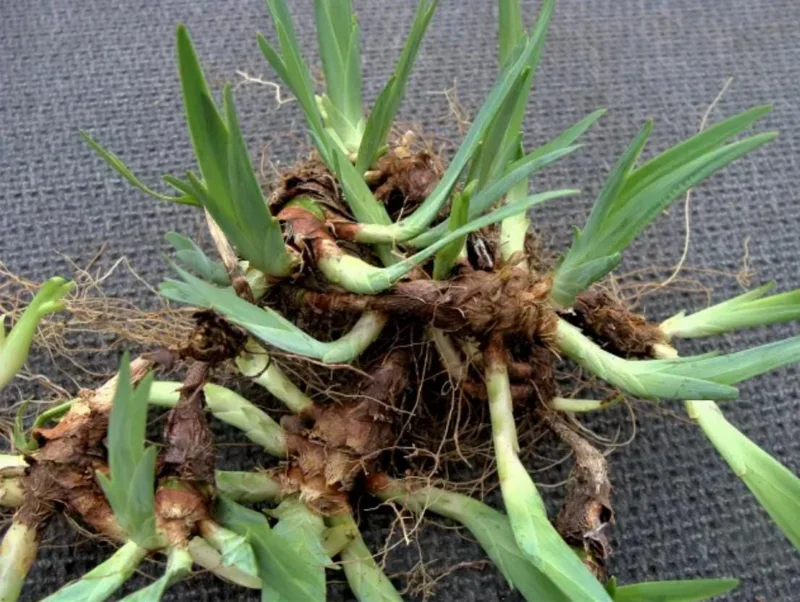
Introduce a touch of natural elegance to your landscape with the crested wild iris bare root plants. This offering includes a generous set of 10 bare roots of Iris cristata plant, ready to establish themselves in your garden. Known for its charming demeanor, the Crested Wild Iris is a native perennial celebrated for its delicate lavender-blue flowers, each adorned with a distinctive golden crest. These blossoms emerge in mid to late spring, creating a captivating display. As a low-growing species, it naturally forms beautiful colonies, making it an exceptional choice for ground cover in shaded or woodland gardens. This robust plant is perfect for gardeners seeking to create a serene, naturalized aesthetic with minimal fuss, thriving in conditions that many other flowering plants might find challenging.
The Iris cristata plant is indigenous to the Eastern United States, bringing an authentic piece of American woodland beauty to your home. Its resilience and adaptability make it a favored choice among native plant enthusiasts and those looking for sustainable landscaping options. Plant these bare roots to enjoy years of vibrant spring color and lush foliage, transforming underutilized shaded areas into flourishing havens. The unique structure of its flowers and its spreading habit ensure it stands out, offering a delicate yet impactful presence in any garden design, especially where a native shade perennial is desired.
Key Benefits
The crested wild iris bare root offers numerous advantages for both your garden and the local ecosystem, making it a truly rewarding plant to cultivate. Its ease of care and natural beauty are just a few reasons why it’s a popular choice.
- Stunning Spring Blooms: Enjoy a profusion of delicate lavender-blue flowers, each featuring an intricate golden crest, that bring vibrant color to your garden in mid to late spring. These unique blooms are a highlight of the season.
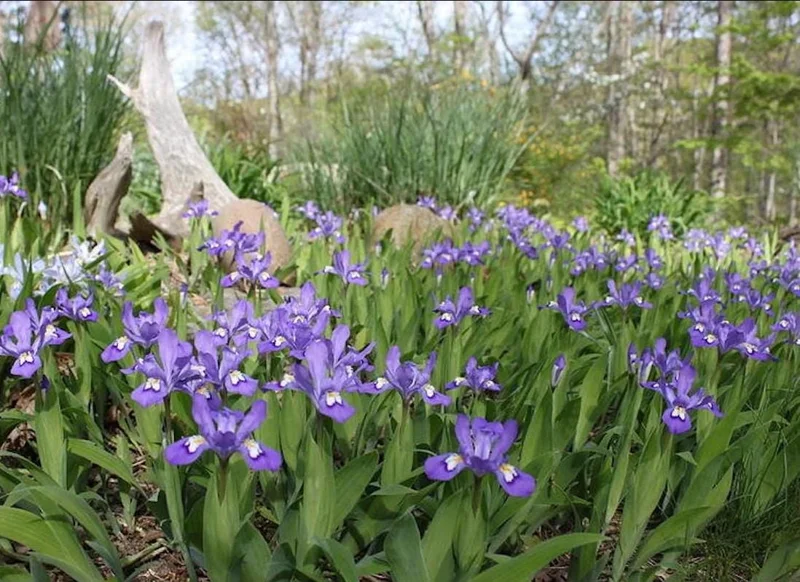
- Excellent Ground Cover: This iris forms dense, low-growing colonies, making it an ideal choice for naturalizing areas, suppressing weeds, and creating a lush carpet of foliage in shaded spots. It’s a perfect low growing ground cover solution.
- Native Plant Benefits: As a native to the Eastern United States, the Iris cristata plant supports local biodiversity, providing habitat and nectar for pollinators, contributing to a healthier garden ecosystem.
- Shade Tolerance: Thrives in partial to full shade, making it a versatile option for challenging areas under trees, along woodland borders, or in north-facing beds where other flowering plants struggle.
- Low Maintenance: Once established, the crested wild iris bare root requires minimal care, making it an excellent choice for busy gardeners or those seeking an easy-to-grow perennial.
- Hardy & Resilient: Cold-hardy in USDA zones 3-9, this plant tolerates a wide range of temperatures and conditions, ensuring its longevity and consistent performance year after year.
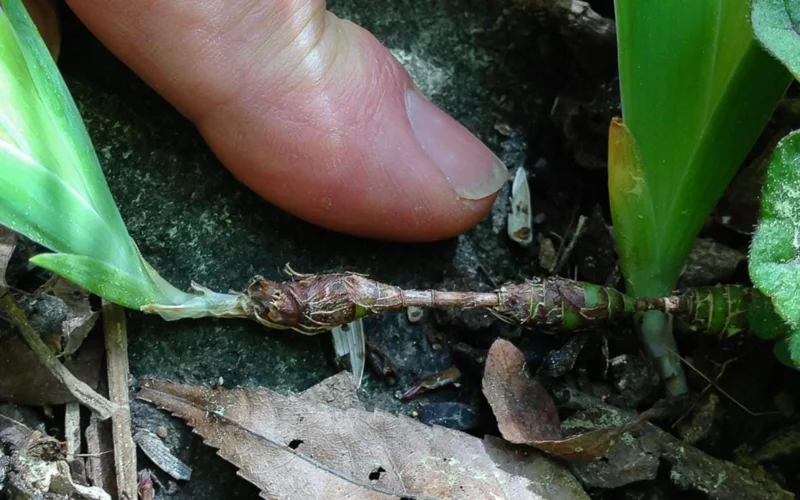
- Erosion Control: Its spreading root system helps to stabilize soil on slopes and banks, preventing erosion and maintaining the integrity of your landscape.
Plant Care & Growing Tips
Cultivating the crested wild iris bare root is a straightforward and rewarding experience, especially when you provide it with the right conditions. This resilient Iris cristata plant thrives in environments that mimic its native woodland habitats. For optimal growth and prolific flowering, ensure your planting site offers partial to full shade. While it can tolerate some morning sun, intense afternoon sun can scorch its delicate foliage and reduce flowering. Aim for at least 4-6 hours of filtered light or dappled shade throughout the day. The ideal soil for this native shade perennial is moist, well-draining, and rich in organic matter. Amend heavy clay soils with compost or peat moss to improve drainage, and sandy soils with organic material to retain moisture.
Watering is crucial, especially during dry spells and in the plant’s establishment phase. Keep the soil evenly moist but never waterlogged; standing water can lead to root rot. During periods of drought, supplemental watering will be necessary to prevent the soil from drying out completely. This woodland garden iris is hardy in USDA zones 3–9, meaning it can withstand cold temperatures and even mild frost. Fertilize in early spring with a balanced slow-release fertilizer or a generous layer of compost to provide essential nutrients for vigorous growth and abundant blooms. Division every few years in early fall can help rejuvenate older clumps and prevent overcrowding, ensuring your low growing ground cover remains vibrant and healthy. Watch out for slugs and snails, which can be attracted to its foliage; organic slug baits or hand-picking can help manage these pests.
Size & Details
This offering provides a set of 10 bare roots of the charming crested wild iris bare root (Iris cristata). When mature, these plants typically form low, spreading clumps, reaching a modest height of 6–8 inches (15–20 cm) tall. The spread can be considerable over time as the plant forms colonies, making it an excellent choice for covering expansive shaded areas. Blooms generally appear in mid to late spring, showcasing delicate lavender-blue flowers with distinctive golden crests. The bare roots are dormant and ready for planting upon arrival, offering a robust start for your garden. This Iris cristata plant is a perennial, meaning it will return year after year, establishing itself as a long-term fixture in your landscape. Bare roots allow for easy handling and quick establishment once planted in suitable conditions.
Frequently Asked Questions
- Q: How big does this plant get? A: The crested wild iris bare root typically grows into low, spreading clumps, reaching a height of about 6–8 inches (15–20 cm) tall. It will spread to form colonies over time, acting as an effective low growing ground cover.
- Q: Is this an indoor or outdoor plant? A: The Iris cristata plant is an outdoor perennial, perfectly suited for garden beds, woodland borders, and shaded landscapes. It is not recommended as an indoor houseplant.
- Q: How much sunlight does it need? A: This native shade perennial thrives in partial to full shade. It prefers areas that receive filtered light or dappled sun throughout the day, avoiding intense afternoon sunlight.
- Q: What condition will it arrive in? A: Your order will arrive as a set of 10 dormant bare roots, ready for planting. Bare roots are carefully packaged to ensure they remain healthy during transit.
- Q: Is this plant easy to care for? A: Yes, once established, the crested wild iris bare root is considered a low-maintenance perennial. It requires consistent moisture but is generally quite resilient and easy to grow for beginners.
- Q: How long until it blooms? A: Depending on planting time and establishment, you can typically expect the Iris cristata plant to bloom in its first or second spring after planting. Blooms occur mid to late spring.
- Q: Will it survive winter in my zone? A: This iris is cold-hardy and thrives in USDA zones 3–9, meaning it is well-suited to survive winters in a wide range of climates across the United States.
- Q: What’s the minimum temperature it can tolerate? A: The crested wild iris bare root is cold-hardy and can tolerate temperatures well below freezing, consistent with its USDA zone 3 hardiness rating.
- Q: What kind of soil does it prefer? A: It prefers moist, well-draining soil that is rich in organic matter. Amending your soil with compost will help create the ideal growing conditions for this woodland garden iris.
- Q: Can I use it for erosion control? A: Absolutely! Thanks to its spreading habit and robust root system, the crested wild iris bare root is an excellent choice for stabilizing soil on slopes and preventing erosion in shaded areas.






Reviews
There are no reviews yet.