Overview
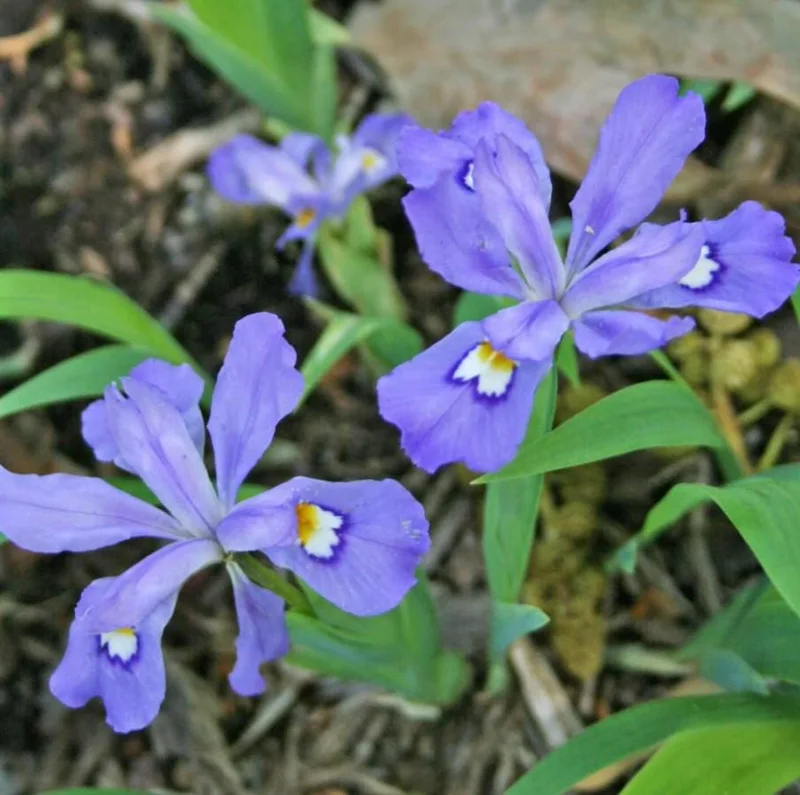
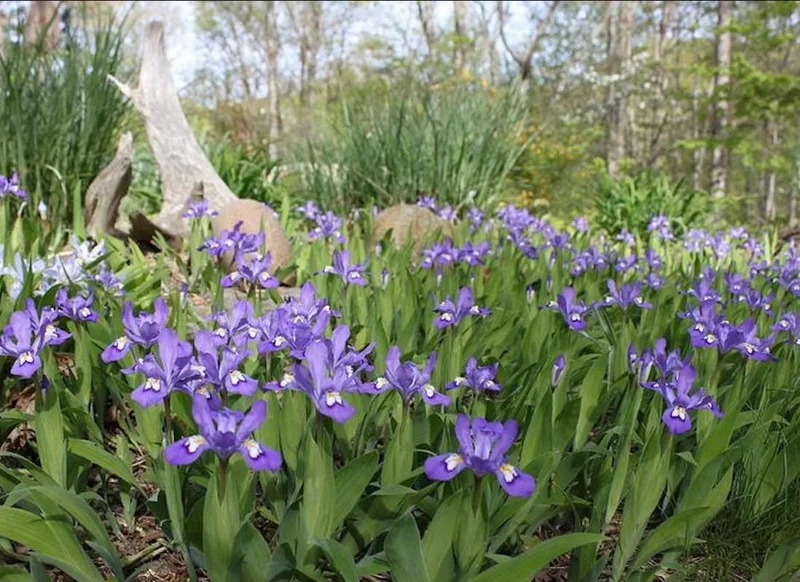
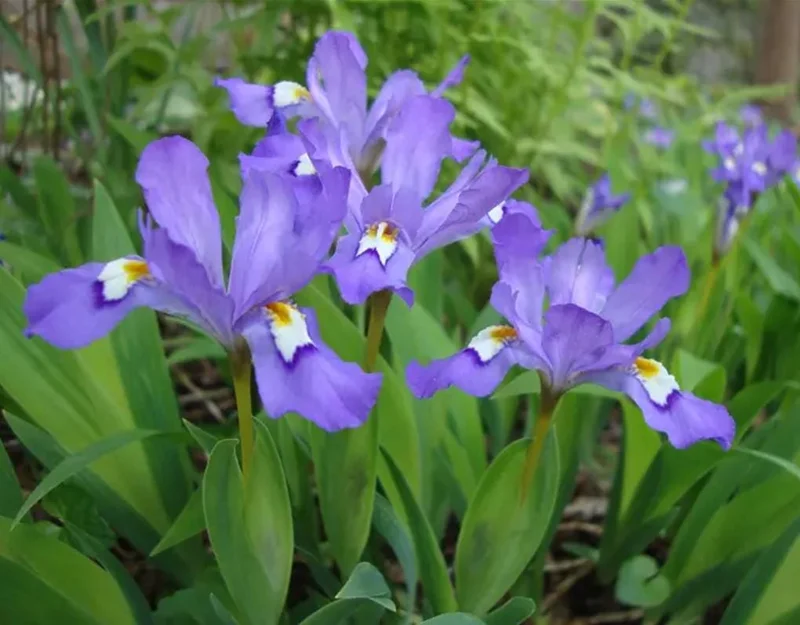
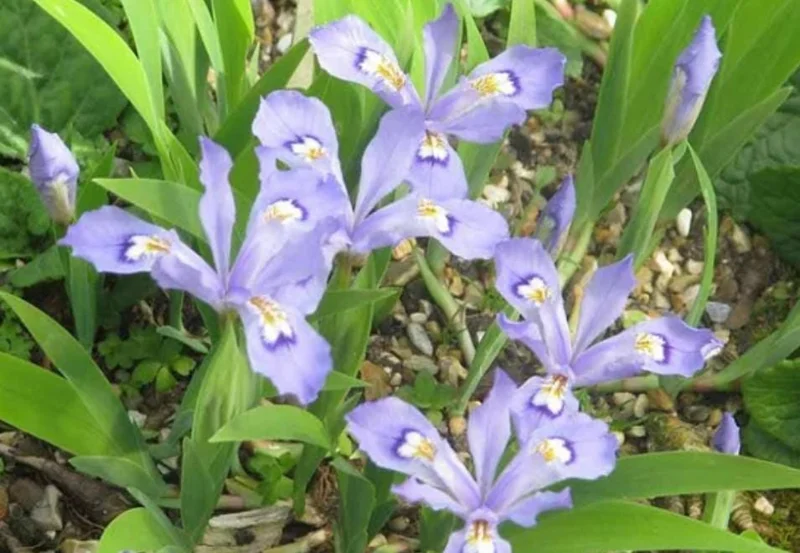
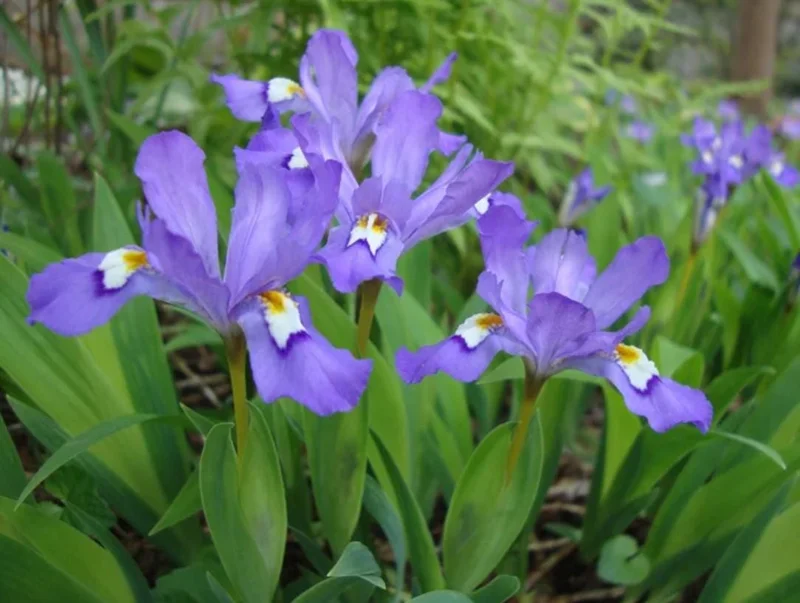
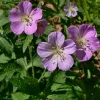
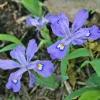
Introduce a touch of native charm to your garden with the crested wild iris live plant. This delightful perennial, scientifically known as Iris cristata, is cherished for its delicate lavender-blue flowers, each adorned with a distinctive golden crest. Originating from the Eastern United States, the crested wild iris live plant is a resilient and low-maintenance addition to any shaded or woodland garden. It naturally forms spreading colonies, creating an elegant ground cover that comes alive with blooms in mid to late spring. These bare roots offer a fantastic opportunity to establish a beautiful, naturalized landscape, providing a serene and vibrant display year after year. Perfect for gardeners looking to support native flora and create a tranquil, shaded haven.
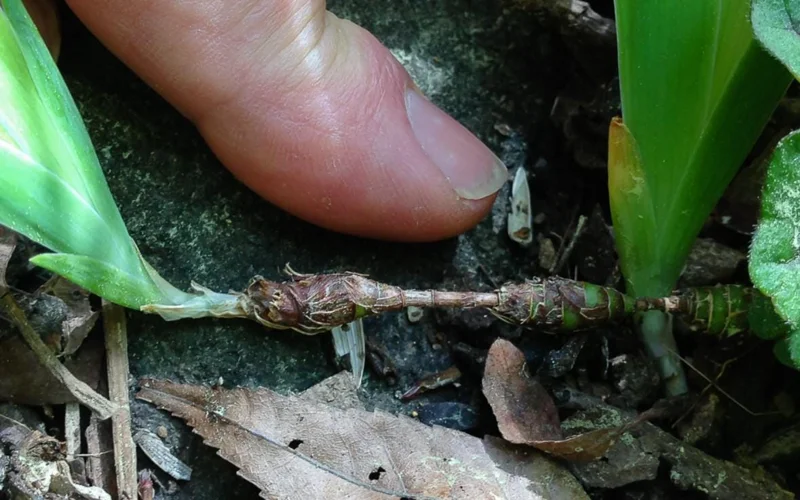
The iris cristata roots provided are ready to be planted, ensuring a strong start for these charming woodland flowers. Unlike many larger iris varieties, Iris cristata maintains a compact, spreading habit, making it an excellent choice for filling in gaps under trees or along pathways where other plants might struggle. Its unique beauty and ease of care make it a favorite among both novice and experienced gardeners seeking to cultivate a natural aesthetic.
Key Benefits
The crested wild iris live plant offers numerous advantages that make it a standout choice for your garden:
- Beautiful Spring Blooms: Enjoy a stunning display of lavender-blue flowers with golden crests each spring, adding vibrant color and delicate beauty to your landscape. These unique blooms are sure to capture attention.
- Excellent Ground Cover: This perennial forms low-growing, spreading colonies, making it an ideal choice for creating an elegant and natural ground cover in shaded areas where grass may struggle to grow. It effectively suppresses weeds while beautifying the space.
- Native Plant Appeal: As a native to the Eastern United States, the crested wild iris live plant is perfectly adapted to local climates and ecosystems, supporting local pollinators and contributing to biodiversity. It’s an eco-friendly choice for sustainable gardening.
- Low Maintenance: Once established, Iris cristata requires minimal care, thriving with basic watering and occasional feeding. It’s a robust plant that resists many common pests and diseases, making it suitable for busy gardeners.
- Shade Garden Specialist: Thrives in partial to full shade conditions, making it an invaluable plant for brightening up dimly lit garden corners, woodland borders, and areas beneath deciduous trees. It brings life to often-overlooked spaces.
- Cold Hardy: Resistant to cold temperatures, this iris is hardy in USDA zones 3–9, ensuring it returns reliably each year even after harsh winters. Its resilience makes it a dependable perennial.
- Erosion Control: Its spreading root system helps to stabilize soil on slopes and in other areas prone to erosion, making it a practical and beautiful solution for challenging landscape features.
Plant Care & Growing Tips
Caring for your crested wild iris live plant is straightforward, ensuring a beautiful display for years to come. These resilient perennials thrive in conditions that mimic their natural woodland habitat. For sunlight, aim for partial to full shade. While they can tolerate some morning sun, protection from intense afternoon sun is crucial to prevent leaf scorch and ensure vibrant blooms. Woodland borders or under the canopy of deciduous trees are ideal locations.
When it comes to watering, keep the soil evenly moist, especially during dry spells and the blooming period. However, avoid letting the soil become waterlogged, as this can lead to root rot. Well-draining soil is essential. A rich, organic soil mix is preferred, as this mimics the humus-rich conditions found on forest floors. Incorporating compost or leaf mold into your planting area will greatly benefit the plant’s health and vigor. The ideal planting time for iris cristata roots is in spring or fall, allowing them to establish before extreme temperatures.
The crested wild iris live plant is cold-hardy, tolerating mild frost and thriving in USDA zones 3–9. In colder zones, a layer of mulch can provide extra winter protection. Fertilization is generally light; a balanced, slow-release fertilizer or a top-dressing of compost in early spring will encourage robust growth and flowering. Watch out for slugs and snails, which can sometimes be attracted to the foliage. Good air circulation and proper spacing can help prevent fungal issues. By following these simple guidelines, your native woodland iris will flourish, providing a beautiful ground cover iris for your garden.
Size & Details
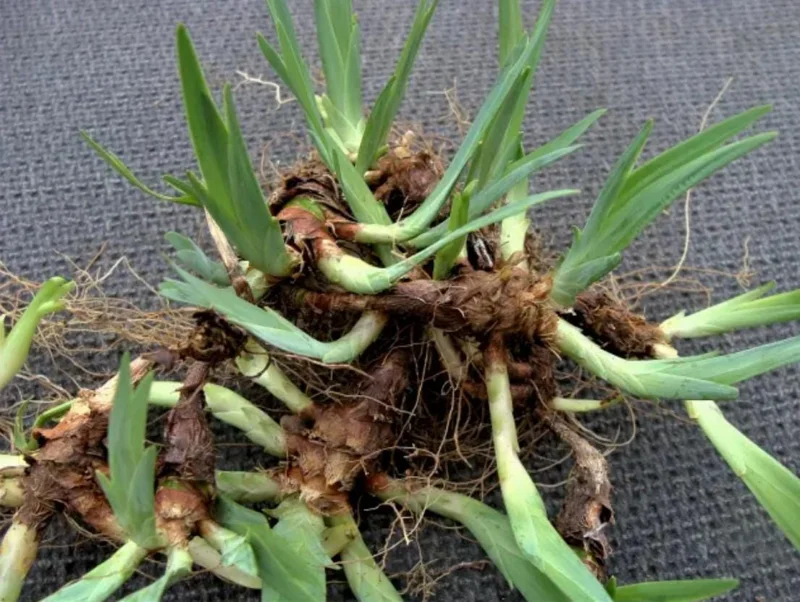
This offering includes a set of 5 roots of the crested wild iris live plant (Iris cristata). These bare roots are carefully selected to ensure a strong start in your garden. Once established, the plant typically forms low, spreading clumps, reaching a modest height of 6–8 inches tall with a similar spread. Its growth habit makes it an excellent choice for naturalizing areas or as a front-of-border plant. The roots will establish quickly when planted in spring or fall, with foliage emerging and blooms expected by mid to late spring in subsequent years.
The iris cristata roots are shipped ready for immediate planting and are a fantastic way to quickly establish a colony of these beautiful flowers. Expect a moderate growth rate, with colonies expanding over time to create a dense and attractive ground cover. These plants are known for their longevity and will provide years of enjoyment with proper care. The compact size of this perennial shade flower makes it versatile for various garden designs, from rock gardens to woodland settings.
Frequently Asked Questions
- Q: How big does this plant get? A: The crested wild iris live plant typically grows to a compact height of 6–8 inches tall, forming low, spreading clumps. Its modest size makes it perfect for ground cover or front-of-border planting.
- Q: Is this an indoor or outdoor plant? A: The crested wild iris live plant is an outdoor perennial. It thrives in garden settings, particularly in shaded or woodland areas, and is not suited for indoor cultivation.
- Q: How much sunlight does it need? A: This plant prefers partial to full shade. It can tolerate some morning sun but should be protected from intense afternoon sun to prevent stress and ensure healthy growth.
- Q: Is this plant easy to care for? A: Yes, Iris cristata is considered a low-maintenance plant. Once established, it requires minimal attention, thriving with consistent moisture and rich, well-draining soil. It’s a great choice for beginners.
- Q: What condition will the bare roots arrive in? A: The iris cristata roots will arrive as dormant bare roots, carefully packaged to ensure their health. They should be planted as soon as possible after arrival for best results.
- Q: When is the best time to plant these roots? A: The ideal times to plant the crested wild iris live plant bare roots are in the spring or fall. This allows the roots to establish themselves before the extremes of summer heat or winter cold.
- Q: Will it survive winter in my zone? A: Yes, the crested wild iris live plant is very cold-hardy and thrives in USDA zones 3–9, making it suitable for a wide range of climates and ensuring it returns reliably each spring.
- Q: What kind of soil does this plant prefer? A: This native woodland iris prefers moist, well-draining soil that is rich in organic matter. Amending your soil with compost or leaf mold will provide the ideal growing conditions.
- Q: How often should I water the crested wild iris? A: Keep the soil evenly moist, especially during dry periods and while the plant is establishing. Avoid letting the soil dry out completely, but also ensure good drainage to prevent waterlogging.
- Q: Is this plant suitable for a ground cover iris project? A: Absolutely! Its low-growing, spreading habit makes it an excellent choice for use as a ground cover iris in shaded gardens, woodland borders, or under trees.




Reviews
There are no reviews yet.