Overview
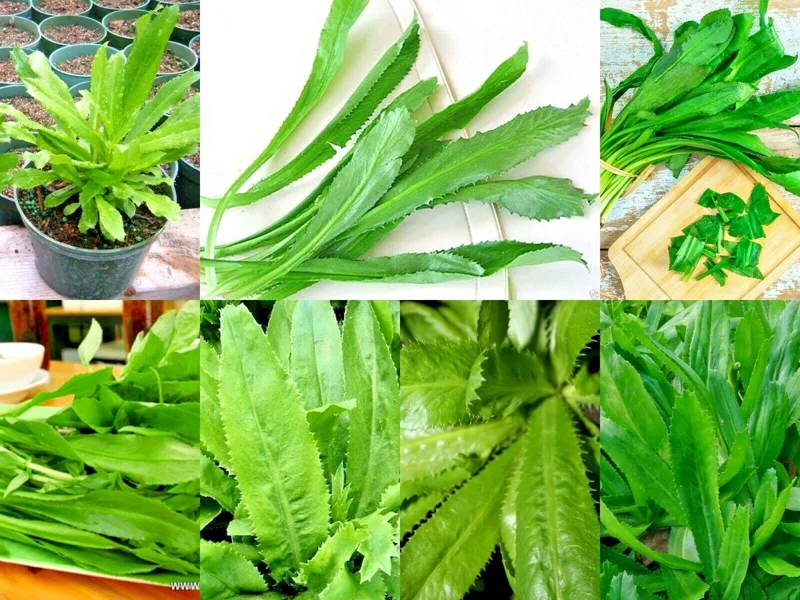
Embark on a culinary adventure by growing your own culantro recao seeds. Also known as Ngo Gai or Vietnamese Parsley, Culantro is a powerful herb celebrated for its intense, pungent aroma and robust flavor, often described as a stronger, more complex version of cilantro. These premium, non-GMO seeds provide an excellent opportunity to cultivate this essential ingredient for a variety of traditional dishes, including savory sofrito, aromatic pho, and many Caribbean, Latin American, and Southeast Asian recipes. Whether you’re a seasoned gardener or just starting, growing culantro herb seeds is a rewarding experience that brings fresh, authentic taste directly to your kitchen.
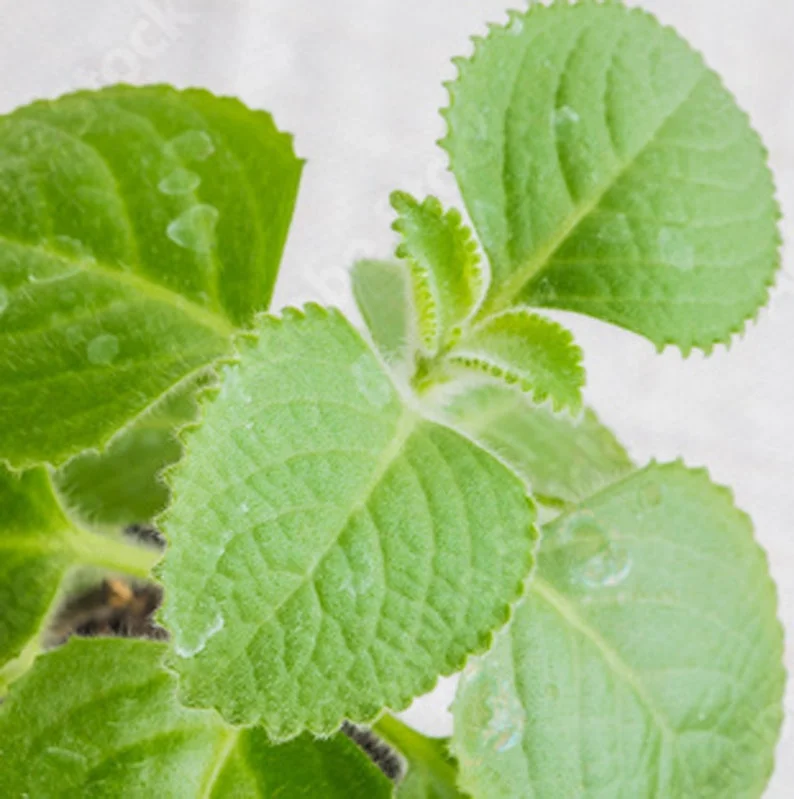
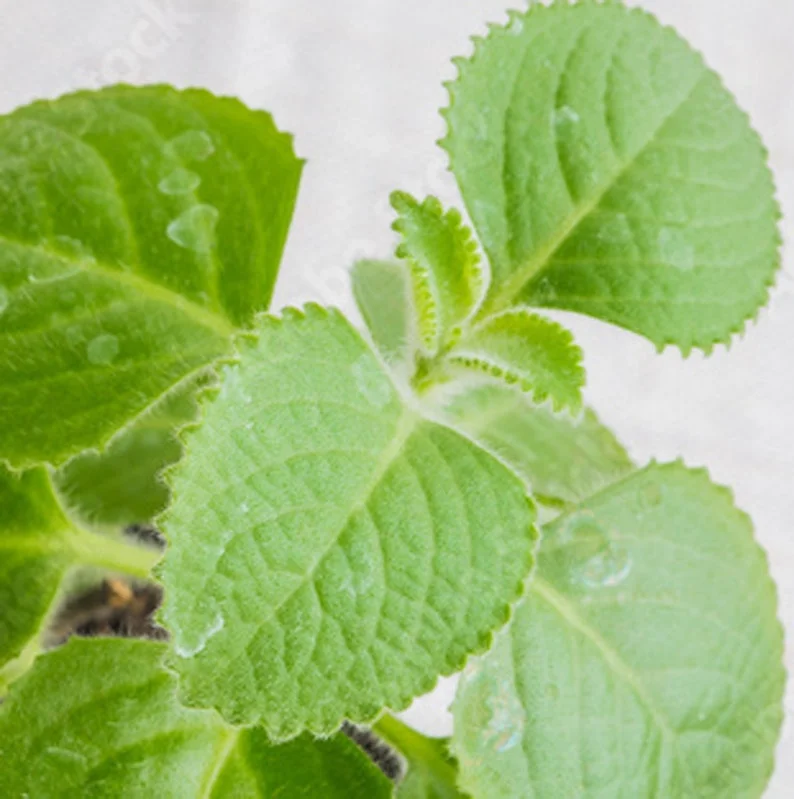
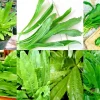
Our high-quality culantro recao seeds are carefully selected to ensure strong germination and vigorous growth, making it easy to establish a thriving patch of this versatile herb. Culantro (Eryngium foetidum) is a biennial plant, but it is often grown as an annual in cooler climates. It produces long, serrated leaves that are packed with flavor, adding depth and authenticity to any dish it graces. Discover the joy of harvesting your own fresh culantro and elevating your cooking to new heights.
Key Benefits
Growing your own culantro offers numerous advantages, from fresh culinary ingredients to the satisfaction of home gardening. These culantro recao seeds provide a simple path to enjoying this unique herb.
- Authentic Flavor: Culantro offers a distinctive, robust flavor that is more potent than cilantro, making it an irreplaceable ingredient in many traditional recipes. Elevate your cooking with genuinely fresh, home-grown herbs.
- Non-GMO Seeds: Our seeds are guaranteed non-genetically modified, ensuring you are growing natural and wholesome plants in your garden. This commitment to quality provides peace of mind.
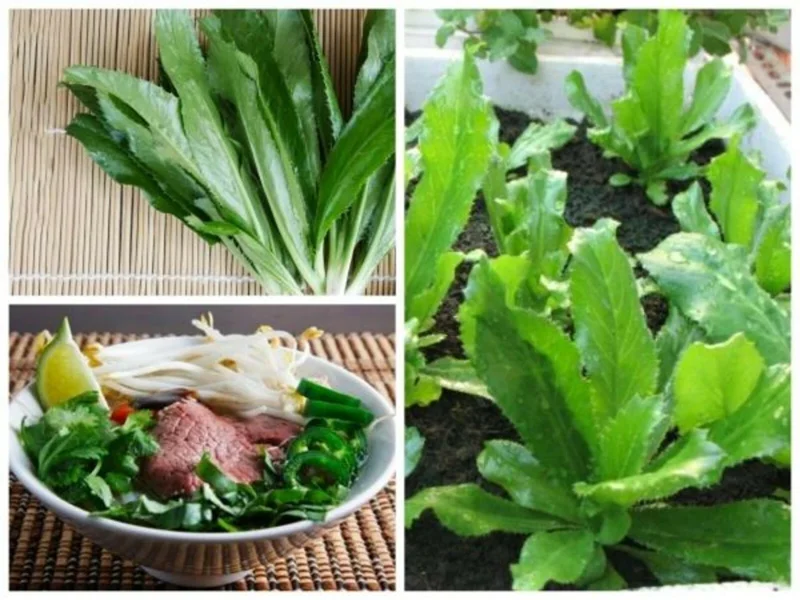
- Versatile Culinary Use: Essential for Caribbean sofrito, Vietnamese pho, Thai curries, and various Latin American dishes, ngo gai seeds allow you to cultivate a staple herb for diverse cuisines right at home.
- Easy to Grow: Culantro is known for being relatively easy to cultivate, thriving in various conditions and suitable for both indoor and outdoor gardening. It’s a great choice for beginners looking to grow culantro.
- Continuous Harvest: With proper care, culantro plants can provide a continuous supply of fresh leaves for an extended period, allowing for regular harvesting and enjoyment.
- Health Benefits: Like many herbs, culantro is rich in vitamins and antioxidants, adding a healthy boost to your meals. Incorporate fresh herbs into your diet for enhanced nutrition.
- Aromatic Garden Addition: The unique scent of culantro can be a pleasant addition to your herb garden, attracting beneficial insects while deterring pests.
Plant Care & Growing Tips
Culantro is a resilient herb that can thrive with the right care. When you grow culantro from these culantro recao seeds, consider these tips for optimal growth. Culantro prefers partial shade, especially in hotter climates. While it can tolerate some full sun, too much intense sunlight can cause the leaves to scorch or bolt prematurely. Aim for 4-6 hours of indirect sunlight or morning sun with afternoon shade. If growing indoors, place it near a window that receives bright, indirect light, or use a grow light to supplement.
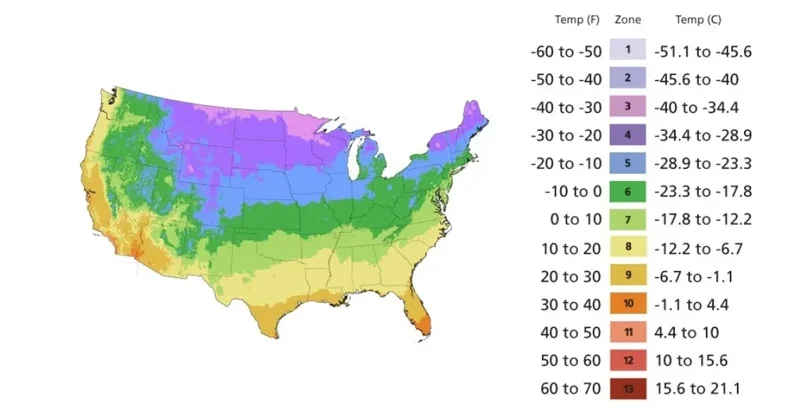
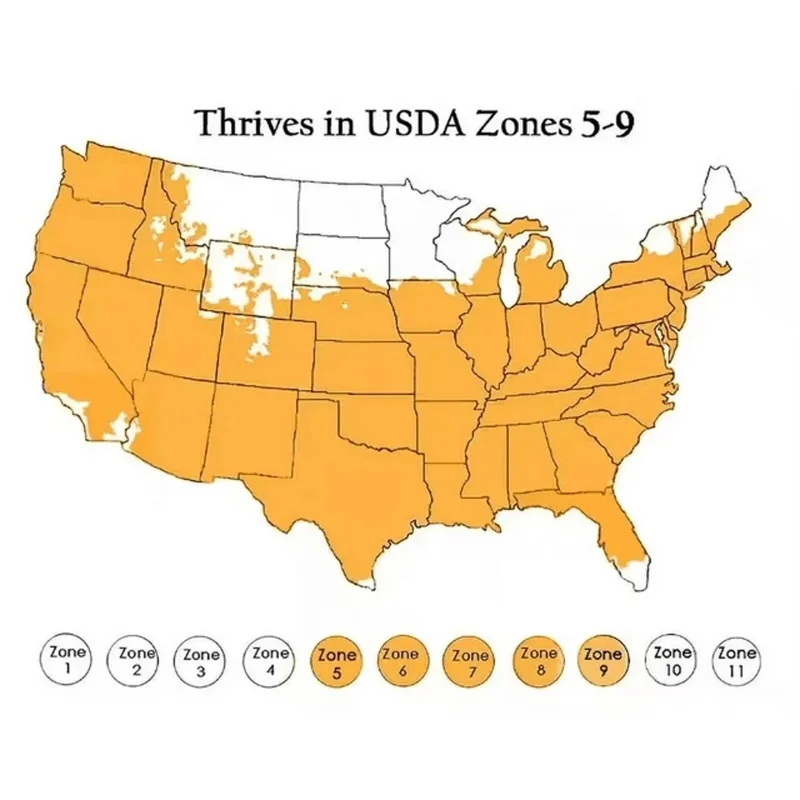
Consistent moisture is key for culantro. The soil should be kept consistently damp but not waterlogged. Water regularly, especially during dry spells, and ensure good drainage to prevent root rot. Unglazed clay pots can help wick away excess moisture, or choose well-draining containers for indoor plants. Culantro thrives in rich, well-draining soil with a slightly acidic to neutral pH (6.0-7.0). Amending the soil with compost or other organic matter will improve fertility and drainage. For containers, a high-quality potting mix designed for herbs is ideal. The plant is typically grown as an annual in most regions but can be perennial in USDA Hardiness Zones 9-11. It prefers warm, humid conditions and is sensitive to frost.
Fertilize lightly every 4-6 weeks with a balanced liquid fertilizer, especially if growing in containers. Avoid over-fertilizing, as this can lead to lush leaf growth but diminished flavor. Pests are generally not a major issue for culantro due to its strong scent, but keep an eye out for common garden pests like aphids or spider mites. Address any infestations promptly with organic pest control methods. Harvesting regularly encourages more leaf production; simply snip off outer leaves as needed, leaving the inner leaves to continue growing. You’ll be enjoying your fresh vietnamese parsley seeds harvest in no time.
Size & Details
These culantro recao seeds are packaged to provide ample opportunity for a successful harvest. Each packet contains a generous quantity of seeds, ensuring you have enough to plant a substantial crop or several successions throughout the growing season. Culantro plants typically grow to about 8-12 inches in height, forming a rosette of long, strap-like leaves. The spread can be similar, creating a compact yet productive herb. The leaves are ready for harvest once they reach a usable size, usually within 60-90 days after planting. The seeds are suitable for direct sowing outdoors after the last frost, or they can be started indoors several weeks before transplanting.
The product ships as a packet of high-quality, viable seeds, ready for planting. While specific pot sizes for mature plants can vary, a 6-inch pot is often sufficient for a single plant, or larger containers for multiple plants. When planting outdoors, space plants about 6-8 inches apart to allow for proper air circulation and growth. The plant has a moderate growth rate and will produce leaves throughout the warm season. Enjoy the process of seeing your ngo gai seeds transform into vibrant, flavorful herbs.
Frequently Asked Questions
- Q: How many culantro recao seeds are included in a packet? A: Each packet contains a generous quantity of seeds, allowing for multiple plantings or a robust initial crop. The exact count can vary, but it’s designed to provide ample opportunity for successful cultivation.
- Q: Is this an indoor or outdoor plant? A: Culantro can be grown both indoors and outdoors. Outdoors, it thrives in warm climates with partial shade. Indoors, it can be grown year-round near a bright window or under grow lights, making it easy to grow culantro regardless of your climate.
- Q: How much sunlight does culantro herb seeds need? A: Culantro prefers partial shade, especially in hot climates, needing about 4-6 hours of indirect sunlight daily. Too much direct sun can cause the leaves to scorch, so a spot with morning sun and afternoon shade is ideal.
- Q: Is this plant easy to care for? A: Yes, culantro is considered relatively easy to care for, making it suitable for gardeners of all experience levels. Its primary needs are consistent moisture and protection from intense direct sunlight.
- Q: What condition will the seeds arrive in? A: The seeds will arrive in a sealed packet, ensuring their freshness and viability. They are carefully packaged to protect them during transit and maintain optimal germination potential.
- Q: When is the best time to plant vietnamese parsley seeds? A: For outdoor planting, sow seeds after the last frost in spring. For a head start, you can begin seeds indoors 6-8 weeks before the last expected frost date and transplant them once the weather warms.
- Q: Will culantro survive winter in my zone? A: Culantro is sensitive to frost. In USDA Hardiness Zones 9-11, it can be a perennial. In colder zones, it is typically grown as an annual or brought indoors during winter months to protect it from freezing temperatures.
- Q: Can I use culantro in cooking? A: Absolutely! Culantro is a staple in many cuisines and is known for its strong, distinctive flavor. It’s perfect for sofrito, pho, stews, and a variety of other dishes where a robust herbal note is desired.
- Q: Are these ngo gai seeds organic? A: While these seeds are non-GMO, specific organic certification may vary. They are selected for quality and robust growth.
- Q: What type of soil is best for growing culantro? A: Culantro thrives in rich, well-draining soil with a slightly acidic to neutral pH. Incorporating organic matter such as compost will greatly benefit its growth and overall health.






Reviews
There are no reviews yet.