Overview
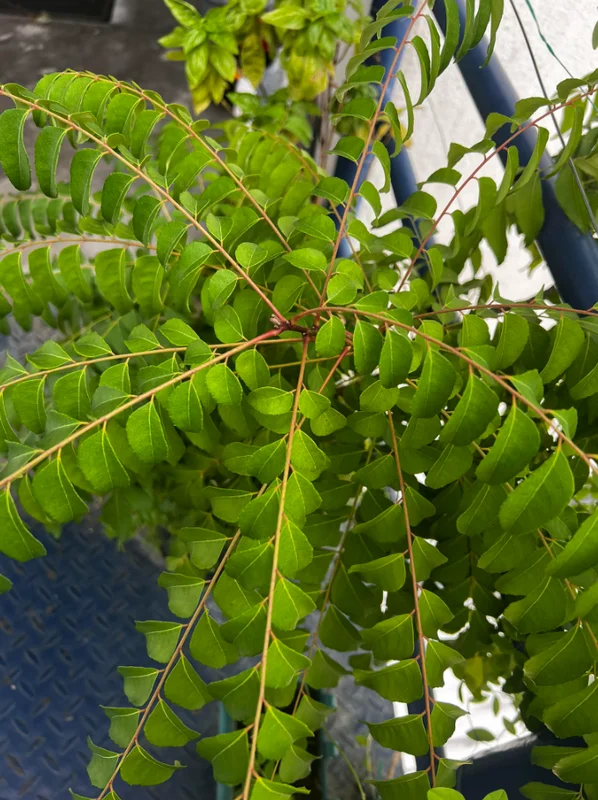
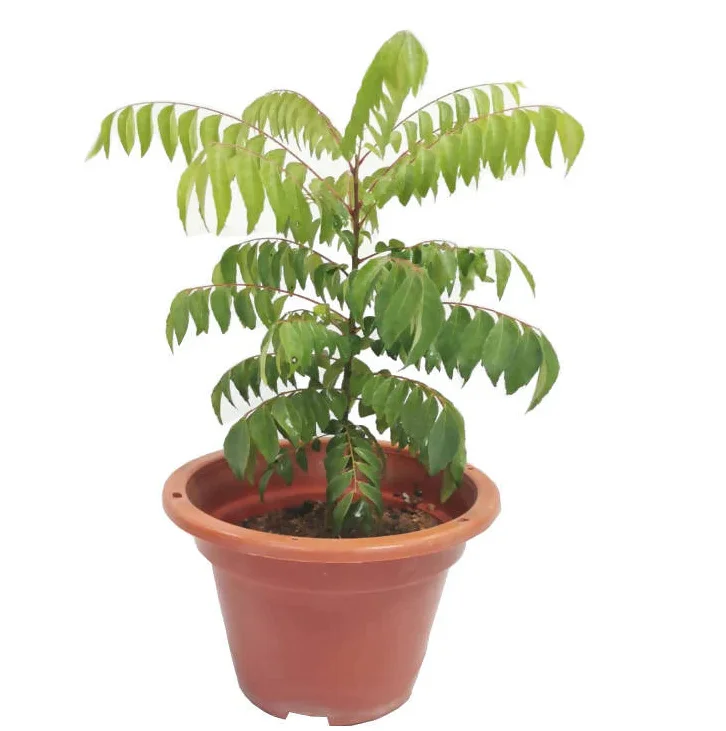
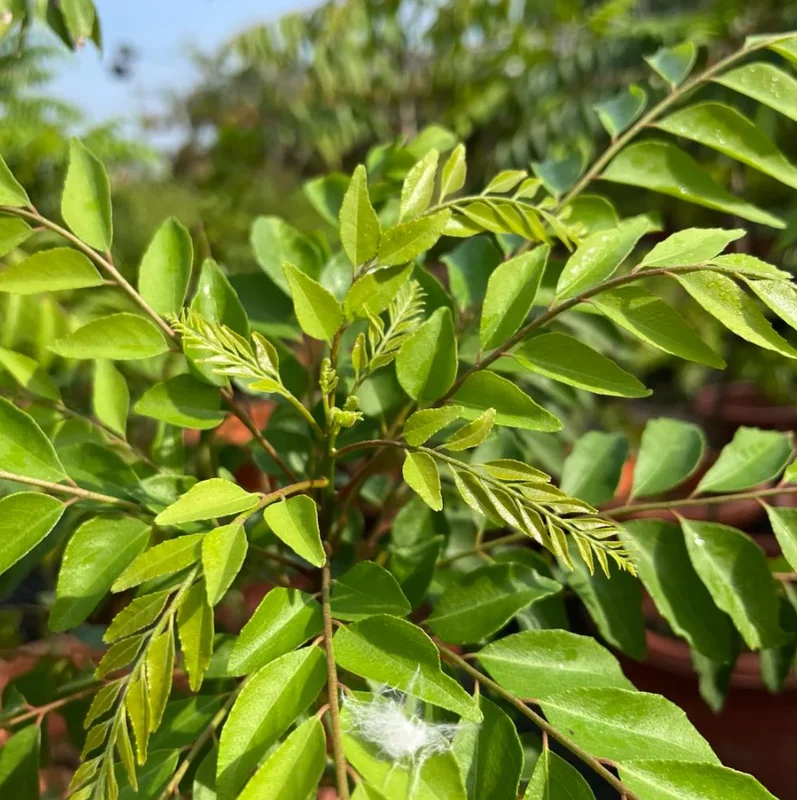
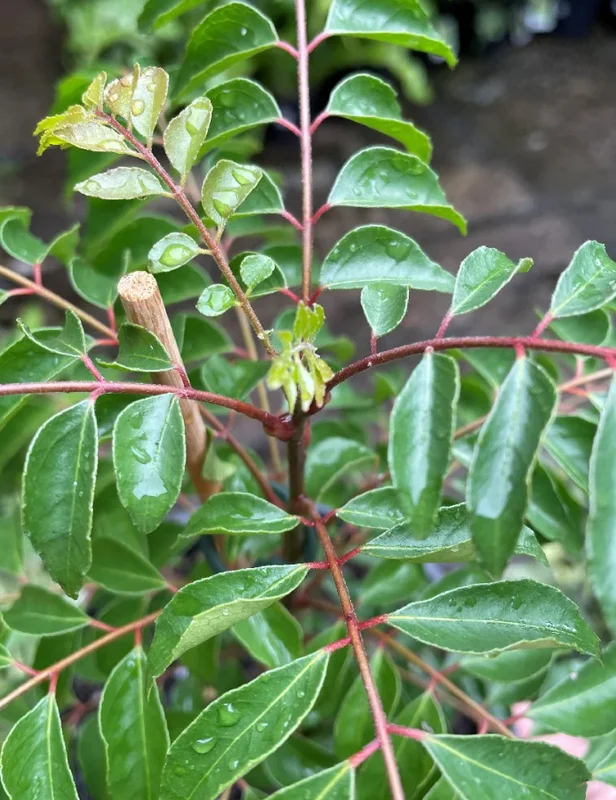
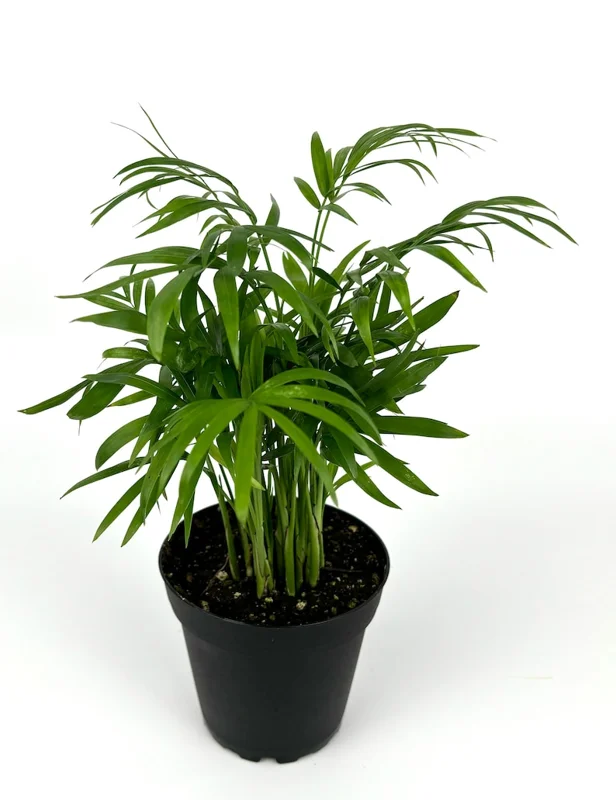
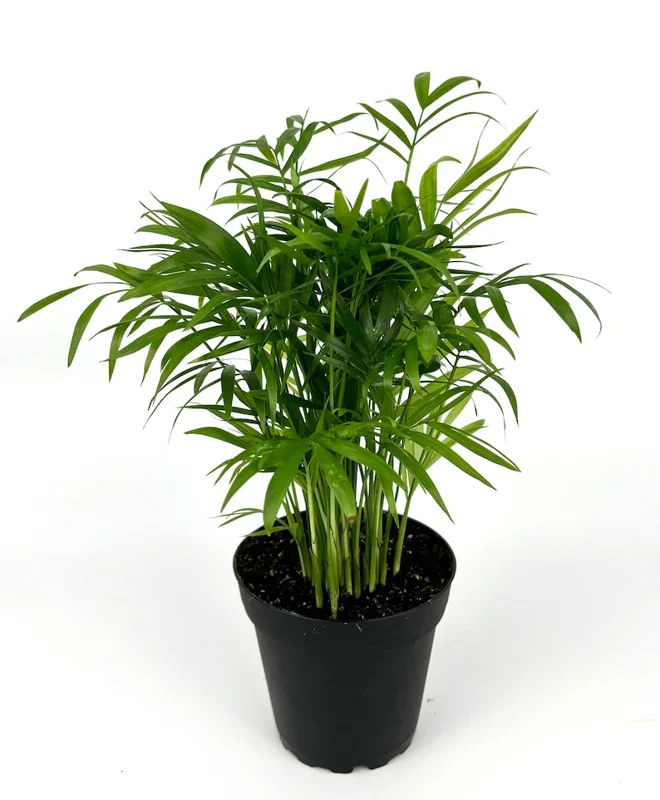
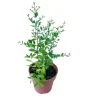
Bring the authentic flavors of South Asian cuisine to your home with this vibrant curry leaf live plant. Also widely known as the sweet neem tree or Murraya koenigii, this plant is cherished for its highly aromatic leaves, which are an essential ingredient in many dishes. Our healthy specimen comes ready to thrive, measuring approximately 7-12 inches tall and nestled in a 4-inch pot, making it perfectly sized for immediate integration into your garden or indoor space. The curry leaf live plant is not only a culinary powerhouse but also an attractive addition with its glossy green foliage, delicate white flowers, and small black fruits. Growing your own ensures a fresh supply of these fragrant leaves, far superior to dried varieties, and allows you to enjoy the unique flavor and aroma that only fresh curry leaves can provide. This plant is a fantastic choice for enthusiasts looking to explore international cooking or simply add a unique, aromatic touch to their living environment.
The curry leaf live plant is a tropical to subtropical shrub that can be grown as an annual in colder climates or overwintered indoors. It’s a relatively low-maintenance plant once established, rewarding growers with a continuous supply of its flavorful leaves. Whether you’re an experienced gardener or just starting your culinary herb collection, this sweet neem tree offers a rewarding growing experience and an endless source of fresh, fragrant leaves for your kitchen.
Key Benefits
The curry leaf live plant offers a multitude of benefits, from its culinary applications to its aesthetic appeal and ease of care. It’s a versatile addition to any home or garden, providing both practical and visual appeal.
- Fresh Culinary Ingredient: Enjoy the unparalleled flavor and aroma of fresh curry leaves, a staple in many South Indian and Sri Lankan dishes. Fresh leaves are significantly more potent and flavorful than dried ones, elevating your cooking to new heights. The distinct taste of this curry leaf live plant can transform your meals.
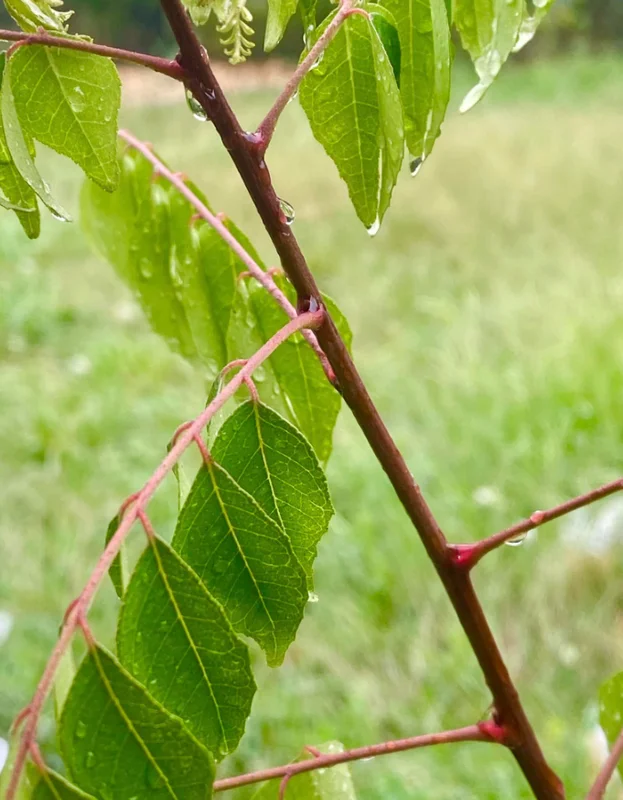
- Aromatic Foliage: The glossy green leaves release a delightful, citrusy and slightly nutty fragrance when bruised, adding a pleasant aroma to your garden or indoor space. This natural fragrance makes the sweet neem tree a delightful addition to any environment.
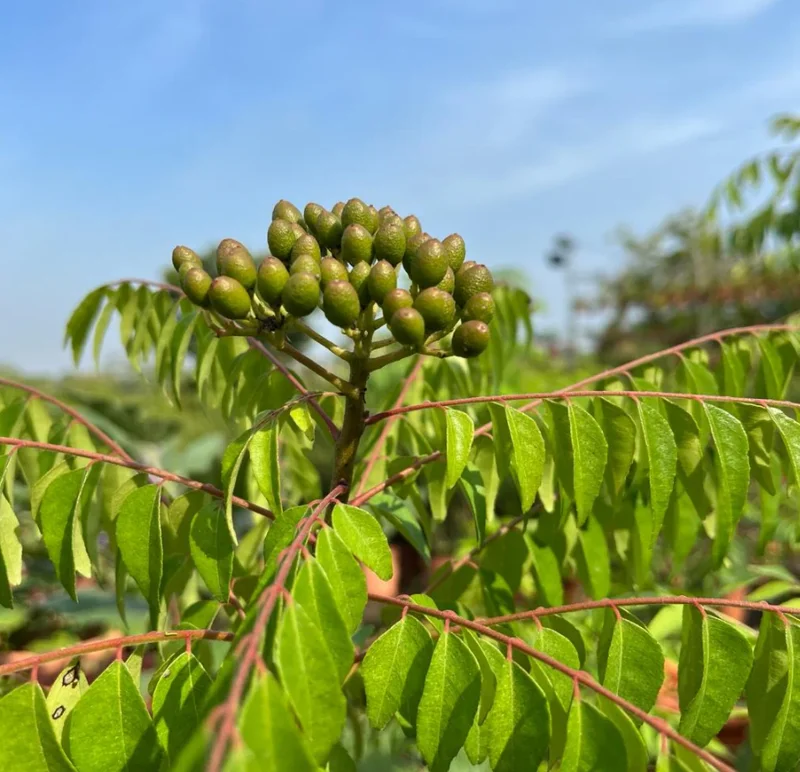
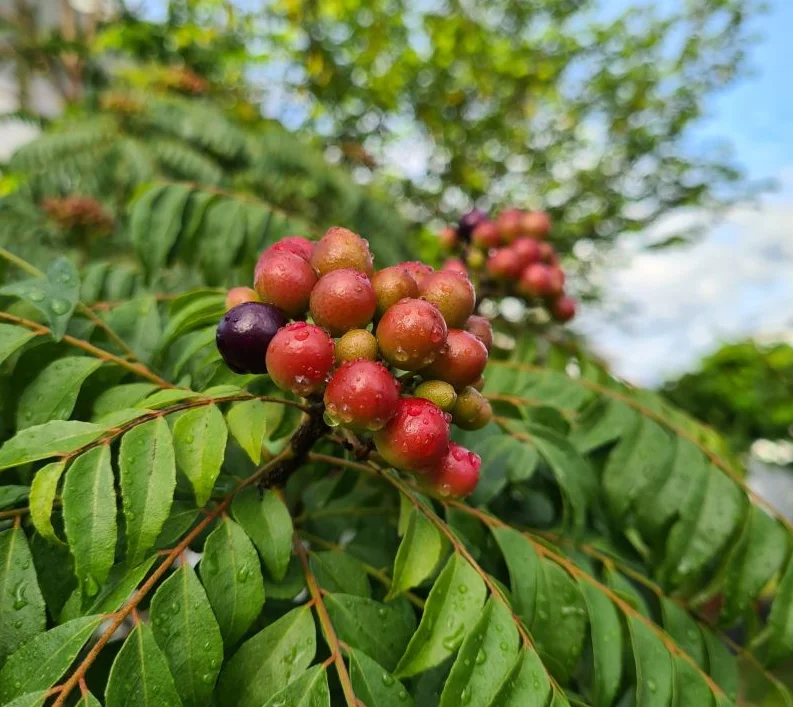
- Attractive Appearance: With its lush foliage, delicate white flowers that appear in clusters, and small, edible black fruits, the sweet neem tree is an ornamental plant that enhances any setting. It provides year-round visual interest.
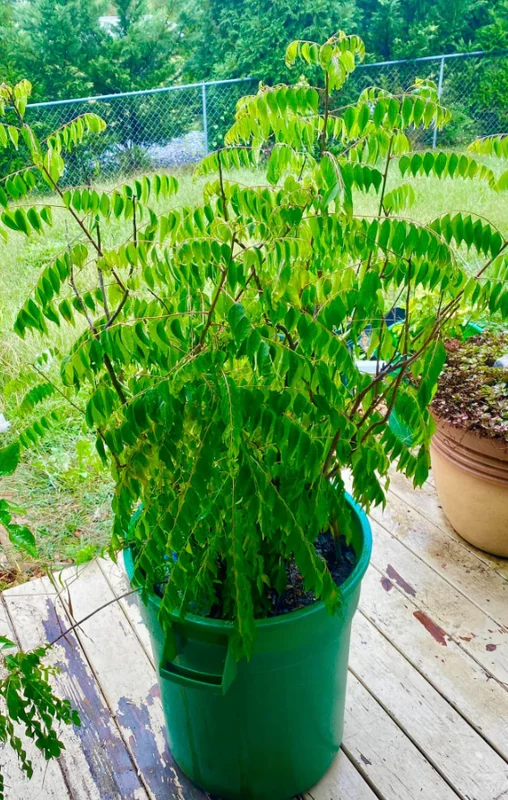
- Container Gardening Friendly: Its compact size and adaptability make it ideal for growing in pots on patios, balconies, or even indoors, allowing you to enjoy fresh leaves regardless of your outdoor space. This makes it suitable for urban gardeners.
- Potential Health Benefits: Traditionally, curry leaves have been used in Ayurvedic medicine for various purposes, including digestive health and antioxidant properties, adding another layer of value to this plant.
- Easy to Grow: This plant is relatively tolerant and resilient, making curry leaf plant care straightforward for both novice and experienced gardeners. It’s a rewarding plant for those seeking a continuous harvest.
- Pollinator Attraction: The small white flowers can attract beneficial pollinators to your garden, contributing to a healthier ecosystem and supporting local biodiversity.
Plant Care & Growing Tips
Proper curry leaf plant care ensures a healthy, productive plant. The curry leaf live plant thrives in warm, humid conditions and requires specific attention to light, water, and soil. For optimal growth, provide at least 6-8 hours of direct sunlight daily. If growing indoors, place it near a south-facing window or supplement with a grow light. In hot climates, some afternoon shade can prevent leaf scorch. This plant is sensitive to cold and should be protected from frost. If you are growing a curry tree indoor, ensure consistent temperatures above 50°F (10°C). Bringing it indoors during colder months is crucial for its survival.
Water thoroughly when the top inch of soil feels dry to the touch, allowing excess water to drain. Avoid overwatering, which can lead to root rot. Good drainage is crucial. Use a well-draining potting mix, ideally slightly acidic. Fertilize every 2-4 weeks during the growing season (spring and summer) with a balanced liquid fertilizer or an organic option like fish emulsion. Reduce fertilization in fall and winter. Pruning can encourage bushier growth and a more abundant harvest of leaves. Simply snip off new growth to shape the plant and stimulate branching. Watch out for common pests like spider mites and scale insects; treat with insecticidal soap if necessary. Ensuring good air circulation can help prevent fungal issues and maintain the health of your murraya koenigii.
Size & Details
This curry leaf live plant arrives as a healthy, established specimen, measuring approximately 7-12 inches in height from the base of the pot to the tip of the foliage. It is potted in a standard 4-inch nursery pot, providing ample space for its initial growth and root development. The plant is ready for transplanting into a larger container or directly into the garden, depending on your climate and growing preferences. With proper care, this sweet neem tree can grow into a sizable shrub, reaching heights of 6-15 feet in tropical environments, though it can be maintained at a smaller, more manageable size through regular pruning when grown in containers or as a curry tree indoor. Expect a moderate growth rate, with new leaves continually emerging during the warmer months, providing you with a steady supply for your culinary needs. The plant ships securely to ensure its safe arrival, ready to flourish in its new home.
Frequently Asked Questions
- Q: How big does this plant get? A: This curry leaf live plant is currently 7-12 inches tall in a 4-inch pot. With proper care, it can grow into a large shrub, but can be kept smaller through pruning, especially when grown in containers as a curry tree indoor. Its ultimate size is highly dependent on growing conditions and pruning habits.
- Q: Is this an indoor or outdoor plant? A: While it thrives outdoors in warm, frost-free climates (USDA zones 9-11), it can be successfully grown indoors in a bright location or overwintered indoors in colder regions. It is versatile but requires protection from cold temperatures.
- Q: How much sunlight does it need? A: The sweet neem tree prefers full sun, meaning at least 6-8 hours of direct sunlight per day. If growing indoors, place it in the brightest possible spot, ideally a south-facing window, or supplement with a grow light to ensure sufficient light exposure.
- Q: Is this plant easy to care for? A: Yes, curry leaf plant care is relatively straightforward once established. It requires consistent watering, plenty of sunlight, and protection from cold temperatures, making it suitable for both novice and experienced gardeners.
- Q: Can I use curry leaf in cooking? A: Absolutely! The leaves are highly aromatic and are a key ingredient in many South Indian and Sri Lankan dishes, used fresh to impart a unique flavor. Fresh leaves are far superior to dried ones for culinary applications.
- Q: What condition will it arrive in? A: Your curry leaf live plant will be carefully packaged to ensure it arrives healthy and in excellent condition, ready to be planted or enjoyed as is. We take great care in preparing it for its journey to your home.
- Q: What kind of soil does it need? A: It prefers well-draining, slightly acidic soil. A good quality potting mix amended with some perlite or sand works well for container growing, ensuring proper drainage and aeration for the roots.
- Q: Is the fruit edible? A: Yes, the small black fruits produced by the Murraya koenigii are edible, though the leaves are primarily used for culinary purposes. The fruits are generally not as flavorful as the leaves.
- Q: How often should I fertilize my curry leaf plant? A: During the growing season (spring and summer), fertilize every 2-4 weeks with a balanced liquid fertilizer. Reduce frequency in fall and winter as the plant’s growth slows down.
- Q: Will it survive winter in my zone? A: The curry leaf live plant is sensitive to frost. If you live in a region colder than USDA zone 9, you will need to bring the plant indoors during the winter months to protect it from freezing temperatures and ensure its survival.
- Q: What is the scientific name for this plant? A: The scientific name for the curry leaf live plant is murraya koenigii, distinguishing it from other plants with similar common names.



Reviews
There are no reviews yet.