Overview
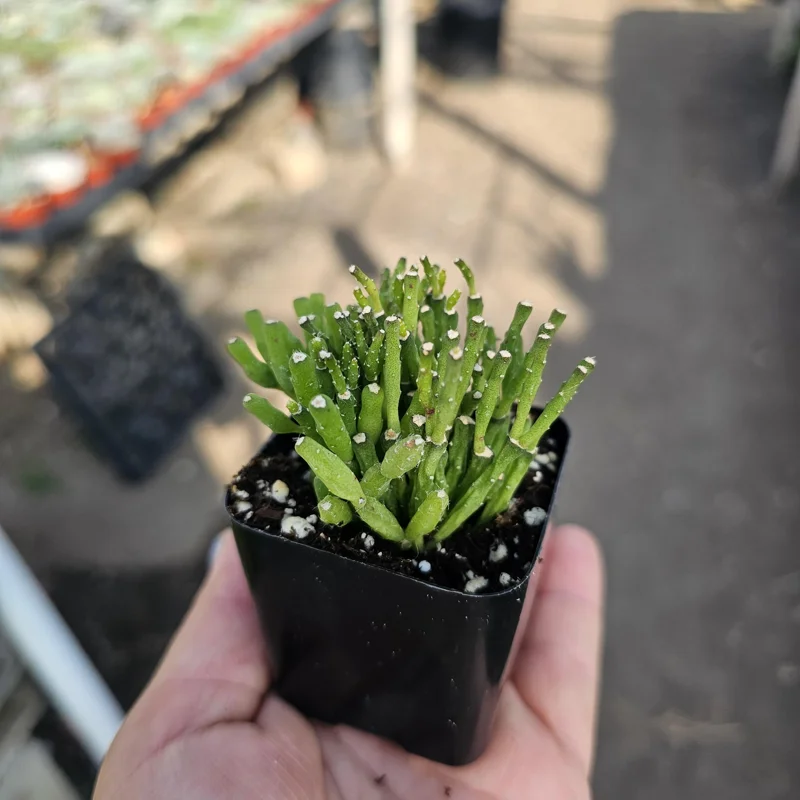
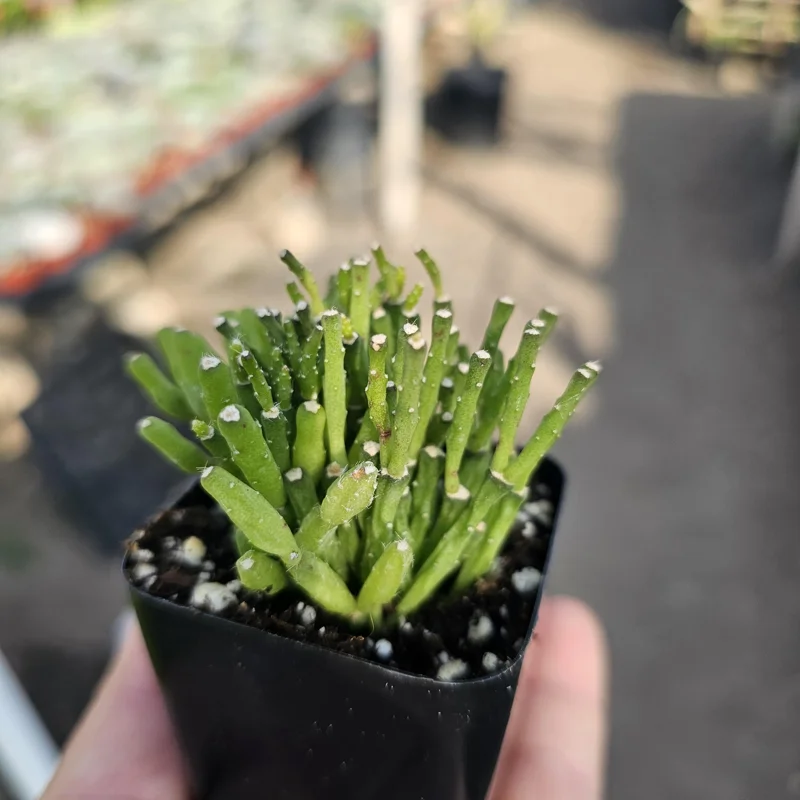
Introduce an exciting and distinctive specimen to your indoor plant collection with the Dancing Bones Cactus live plant. Scientifically known as Hatiora Salicornioides care, and sometimes referred to as Rhipsalis salicornioides, this epiphytic cactus is celebrated for its unusual, segmented stems that branch out in a captivating, coral-like fashion. Its common name, Dancing Bones Cactus, perfectly captures the playful, articulated appearance of its foliage. Native to the rainforests of Brazil, this unique succulent thrives in conditions that mimic its natural habitat – bright, indirect light and consistent moisture without being waterlogged. Unlike desert cacti, it lacks sharp spines, making it a friendly addition to any home. It’s an ideal choice for those seeking easy care succulents that offer a striking visual appeal and contribute to a vibrant indoor jungle plants aesthetic.
The Dancing Bones Cactus live plant is a fantastic conversation starter, offering a sculptural element to shelves, desks, or hanging baskets. Its distinctive form and relatively compact size make it versatile for various display options. As it matures, the stems can cascade gracefully, adding an elegant touch to its quirky charm. This plant is not only beautiful but also remarkably resilient, making it suitable for both experienced plant parents and those just beginning their green journey. Its ability to adapt to indoor environments with minimal fuss ensures that its unique beauty can be enjoyed year-round.
Key Benefits
The Dancing Bones Cactus live plant offers a multitude of benefits, making it a highly desirable addition to any plant collection. Its unique characteristics contribute to both aesthetic appeal and ease of maintenance.
- Unique Aesthetic Appeal: The most striking benefit is its extraordinary appearance. The segmented, bottle-shaped stems create a captivating, sculptural form that resembles dancing bones or coral, making it a standout feature in any room. It adds an artistic touch that is truly one-of-a-kind.
- Low Maintenance & Easy Care: This plant is renowned for being an easy care succulents option. It doesn’t demand constant attention, making it perfect for busy individuals or those new to plant care. Its forgiving nature allows for occasional neglect without significant harm.
- Adaptable to Indoor Environments: Unlike many outdoor plants, the Hatiora Salicornioides care requirements are perfectly suited for indoor living. It thrives in typical household temperatures and humidity, making it an excellent choice for adding greenery to urban spaces.
- Pet-Friendly Nature: The Dancing Bones Cactus is generally considered non-toxic to pets, providing peace of mind for pet owners who want to enjoy lush greenery without worry. Always supervise pets around plants, but this species is a safer choice.
- Air Purifying Qualities: Like many houseplants, the Dancing Bones Cactus live plant contributes to improved indoor air quality by absorbing certain airborne toxins and releasing oxygen, promoting a healthier and more refreshing living environment.
- Versatile Display Options: Its cascading growth habit makes it ideal for hanging baskets, elevated shelves, or as a striking centerpiece. Its unique form allows for creative display, enhancing various décor styles, from bohemian to modern minimalist.
- Drought Tolerant: While it appreciates consistent moisture, this succulent can tolerate periods of dryness, which is a common trait among easy care succulents. This resilience makes it more forgiving if you occasionally forget to water.
Plant Care & Growing Tips
Caring for your Dancing Bones Cactus live plant, or Hatiora Salicornioides care, is relatively straightforward, making it an excellent choice for both novice and experienced plant enthusiasts. Understanding its specific needs will ensure it thrives and continues to display its unique charm. This plant, also known as Rhipsalis salicornioides, appreciates conditions that mimic its native rainforest habitat, emphasizing bright, indirect light and consistent moisture.
Sunlight Requirements
The Dancing Bones Cactus live plant prefers bright, indirect light. Direct, harsh sunlight, especially during the afternoon, can scorch its delicate stems, causing them to turn yellow or red and potentially damaging the plant. An east-facing window that receives gentle morning sun, or a spot a few feet away from a south or west-facing window, would be ideal. If natural light is limited, it can also thrive under grow lights. Ensure it receives at least 4-6 hours of bright, indirect light daily for optimal growth and health.
Watering Schedule and Soil Moisture Preferences
Water your Dancing Bones Cactus live plant when the top inch of soil feels dry to the touch. Unlike desert cacti, it doesn’t appreciate prolonged drought. Water thoroughly until water drains from the bottom of the pot, then allow excess water to escape. Avoid letting the pot sit in standing water, as this can lead to root rot. During winter months, reduce watering frequency as the plant’s growth slows. Proper Hatiora Salicornioides care regarding watering is crucial for its well-being.
Soil Type and Drainage Requirements
A well-draining potting mix is essential for this plant. A standard cactus or succulent mix amended with some peat moss or coir to retain a bit more moisture is ideal. You can also create your own mix using equal parts potting soil, perlite, and orchid bark. Good drainage is paramount to prevent waterlogging, which can be detrimental to the roots of the Dancing Bones Cactus live plant. Ensure your pot has drainage holes.
Temperature Range and USDA Hardiness Zone
This plant thrives in average room temperatures, typically between 65-75°F (18-24°C). It can tolerate slightly cooler temperatures but should be protected from anything below 50°F (10°C), as it is not frost-hardy. As an indoor plant, USDA hardiness zones are less critical, but if grown outdoors in suitable climates, it would be appropriate for zones 10-12. Avoid sudden temperature fluctuations and cold drafts.
Fertilization Schedule and Type
Feed your Dancing Bones Cactus live plant with a balanced liquid fertilizer diluted to half strength every 2-4 weeks during its active growing season (spring and summer). Reduce or cease fertilization during the fall and winter months when the plant is dormant. An all-purpose houseplant fertilizer or one formulated for cacti and succulents will work well. Over-fertilization can lead to nutrient burn, so always err on the side of caution.
Common Problems and Solutions
Common issues include stem shriveling (underwatering), yellowing stems (overwatering or too much direct sun), and lack of growth (insufficient light or nutrients). Pests like mealybugs or spider mites can occasionally be a problem; treat with neem oil or insecticidal soap. Ensuring proper Hatiora Salicornioides care, especially regarding light and water, will prevent most common ailments. This plant is generally quite robust, contributing to its reputation as one of the easy care succulents.
Size & Details
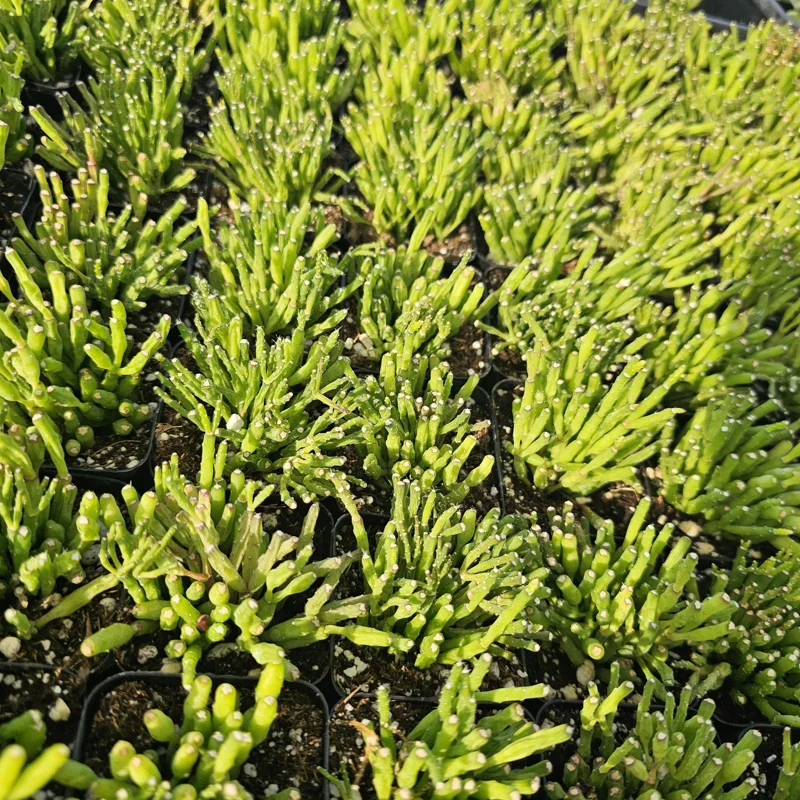
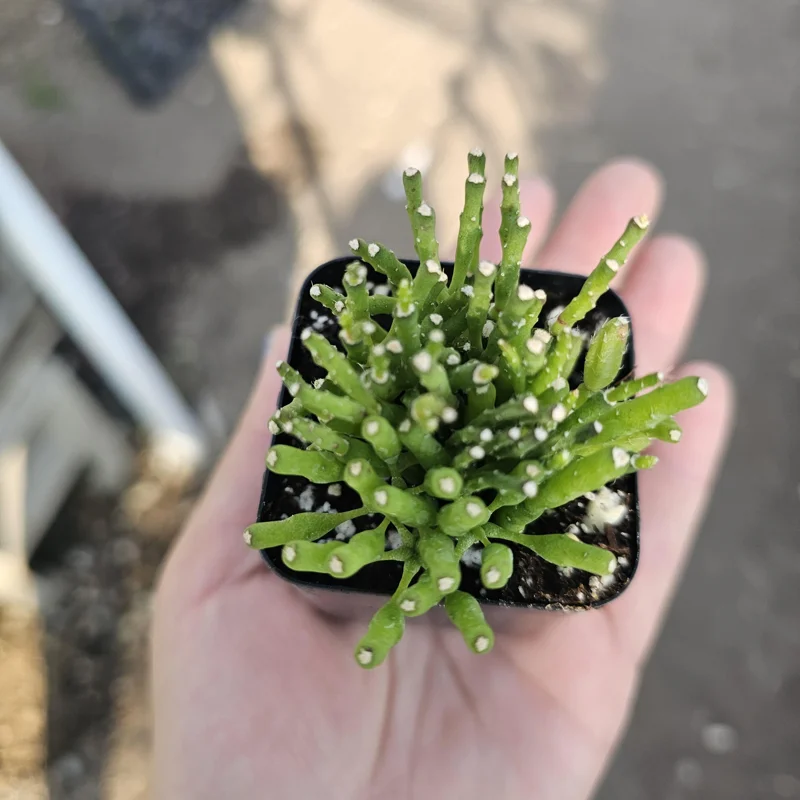
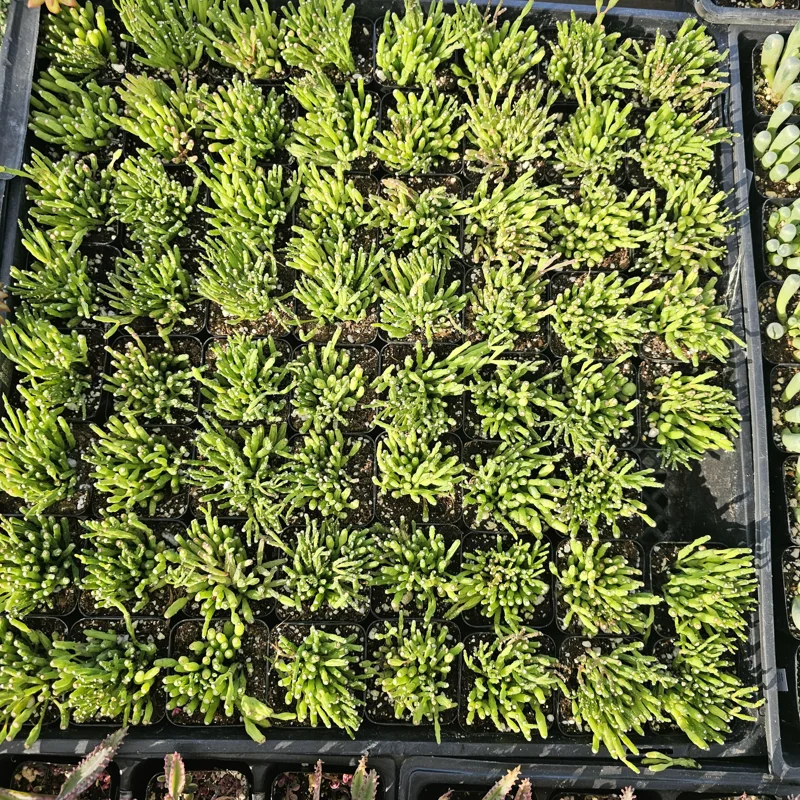
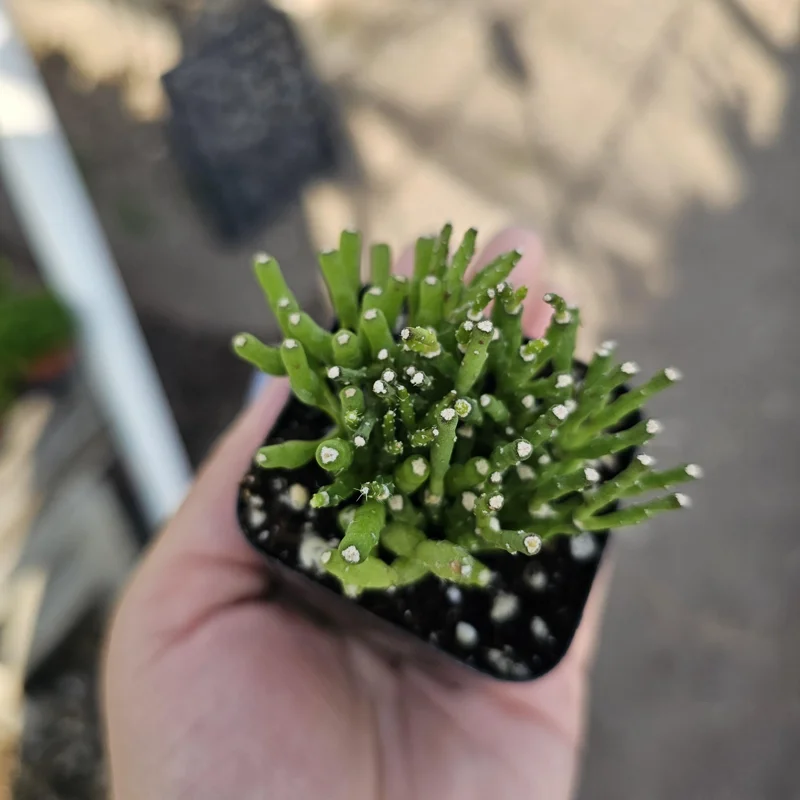
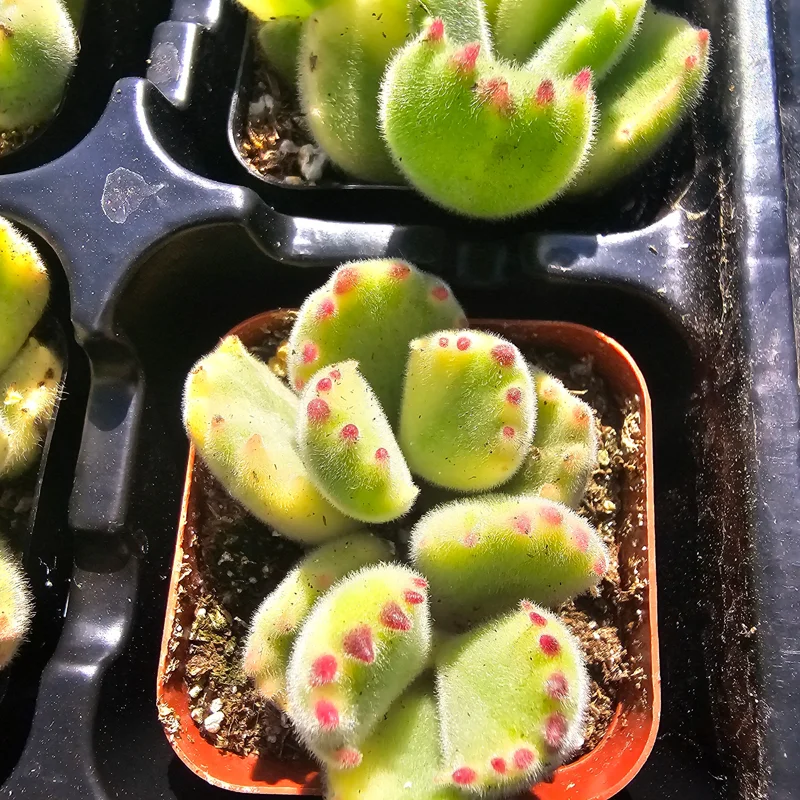
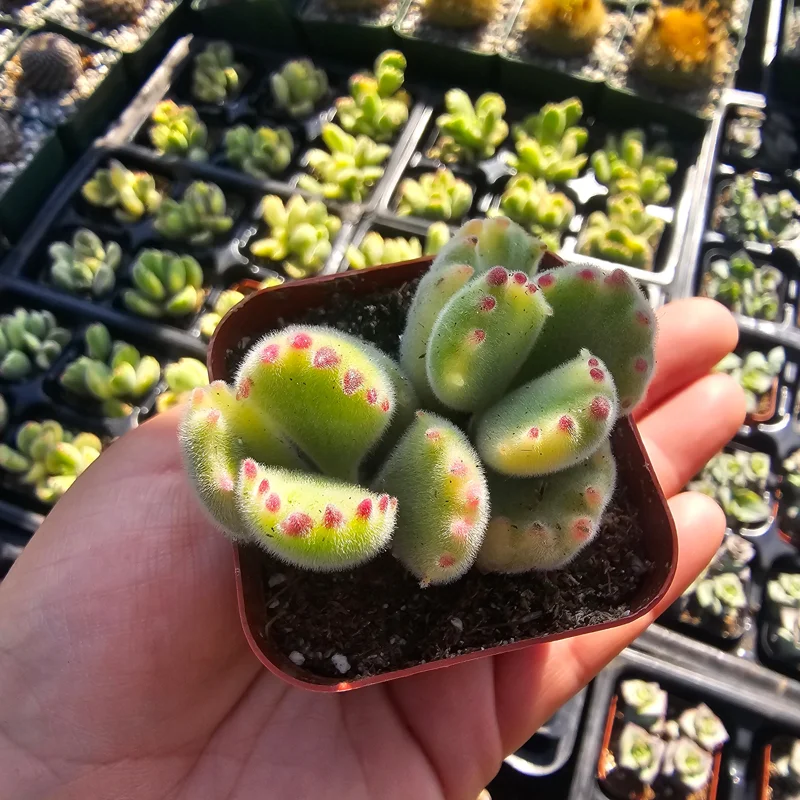
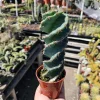
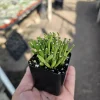
This offering is for one Dancing Bones Cactus live plant, also known as Hatiora Salicornioides care, arriving in a compact 2-inch nursery pot. At this stage, the plant typically features several small, jointed stems, ready to establish and grow in its new home. The exact size and fullness may vary slightly from the representative picture, as each live plant is unique, but it will be a healthy and vibrant specimen. These plants have a moderate growth rate and, with proper care, can develop into a lush, cascading display. They typically remain compact when young but can eventually grow stems several feet long, making them ideal for hanging baskets as they mature. The plant ships in its original nursery grow pot, ensuring minimal disturbance during transit and providing a stable environment for its journey to you. Expect to see new growth shortly after acclimation, contributing to your thriving collection of indoor jungle plants.
Frequently Asked Questions
- Q: How big does this plant get? A: The Dancing Bones Cactus live plant typically starts compact in its 2-inch pot. With proper care, its segmented stems can grow quite long, often several feet, creating a beautiful cascading effect. Its spread is mostly dependent on its container size and growing conditions.
- Q: What size pot does it come in? A: This Hatiora Salicornioides care plant is delivered in a 2-inch nursery grow pot, which is a perfect size for a young plant to establish itself before needing a larger container.
- Q: Is this an indoor or outdoor plant? A: The Dancing Bones Cactus live plant is primarily an indoor plant, especially in most US climates. It thrives in average household temperatures and humidity. If you live in USDA zones 10-12, it can be grown outdoors in a shaded, protected area.
- Q: How much sunlight does it need? A: This plant prefers bright, indirect light. Avoid direct, intense sunlight, which can scorch its stems. A spot near an east-facing window or a few feet from a south or west-facing window is ideal for optimal growth.
- Q: Is this plant easy to care for? A: Yes, the Dancing Bones Cactus live plant is considered one of the easy care succulents. It is relatively forgiving and can tolerate some neglect, making it suitable for beginners and busy plant owners.
- Q: What condition will it arrive in? A: Your Dancing Bones Cactus live plant will arrive carefully packaged in its original nursery pot, ensuring it is as protected as possible during transit. While some soil shifting can occur, the plant itself should be healthy and ready for its new home.
- Q: Is it pet-safe? A: Yes, the Dancing Bones Cactus live plant is generally considered non-toxic to pets. However, it’s always wise to supervise pets around any houseplants to prevent accidental ingestion or damage.
- Q: When is the best time to repot this plant? A: The best time to repot your Dancing Bones Cactus live plant is in spring or early summer when it is actively growing. Repot only when it has outgrown its current pot, usually every 1-2 years.
- Q: How often should I water my Hatiora Salicornioides? A: Water when the top inch of soil feels dry to the touch. Thoroughly soak the soil until water drains from the bottom, then allow it to dry out slightly before the next watering. Overwatering is a common mistake, so ensure good drainage.
- Q: Can I propagate the Dancing Bones Cactus? A: Yes, Hatiora Salicornioides care includes easy propagation. You can propagate the Dancing Bones Cactus live plant from stem cuttings. Simply snip off a few segments, let them callus for a day or two, and then plant them in moist, well-draining soil.



Reviews
There are no reviews yet.