Overview
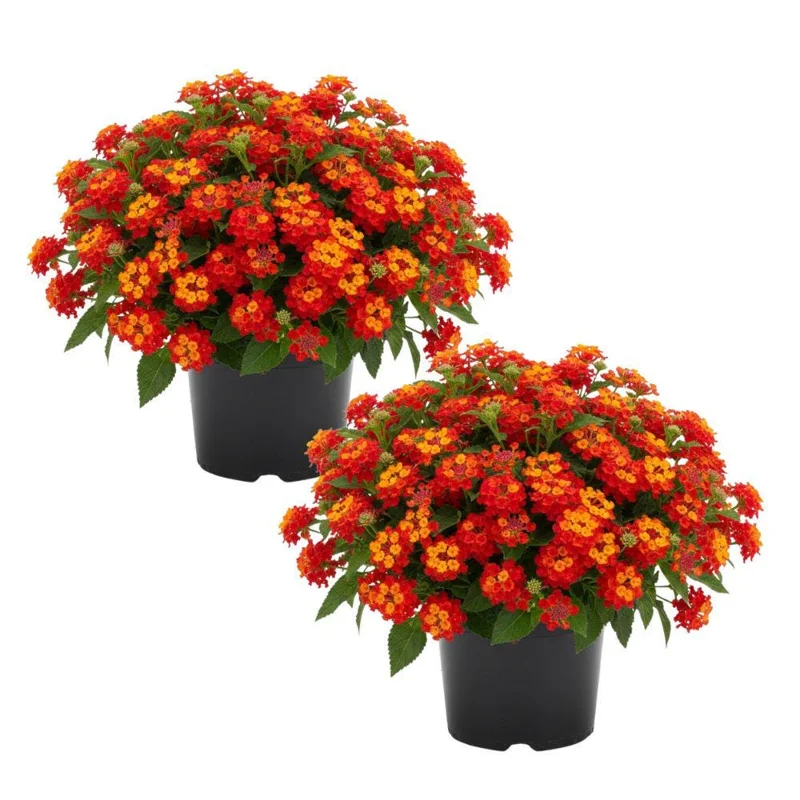
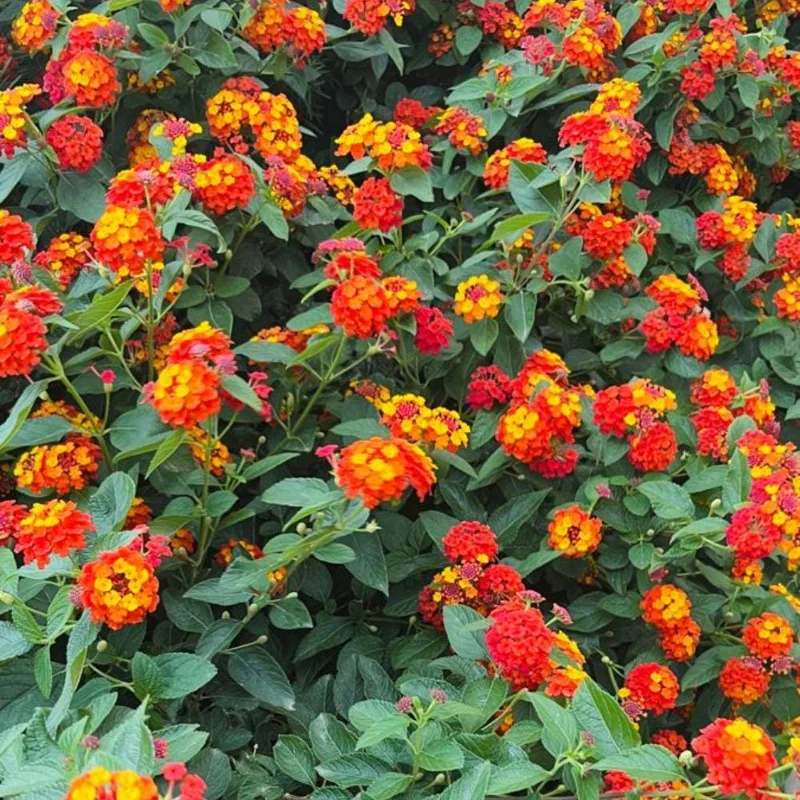
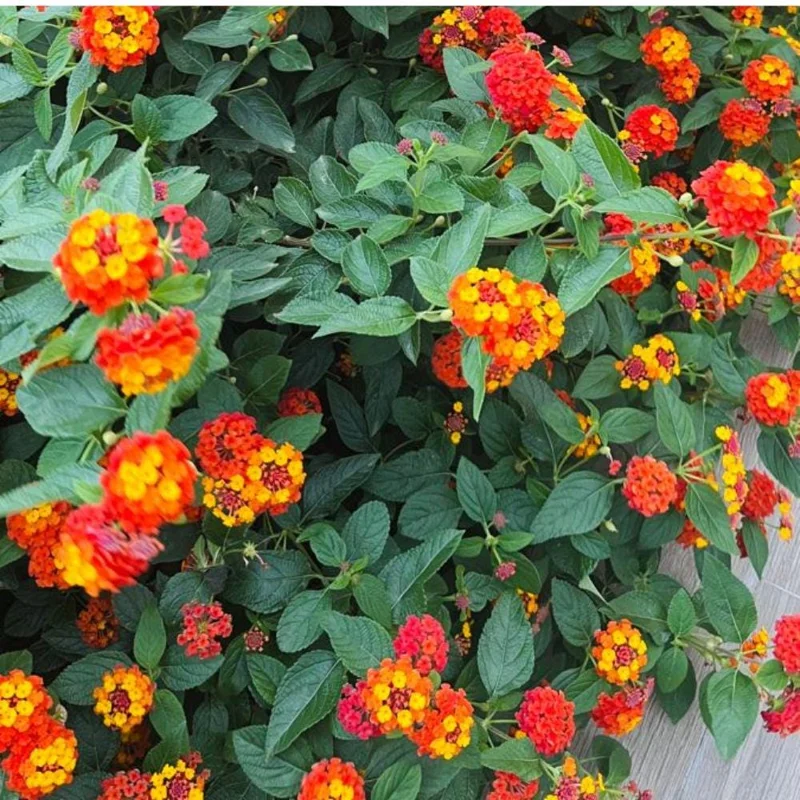
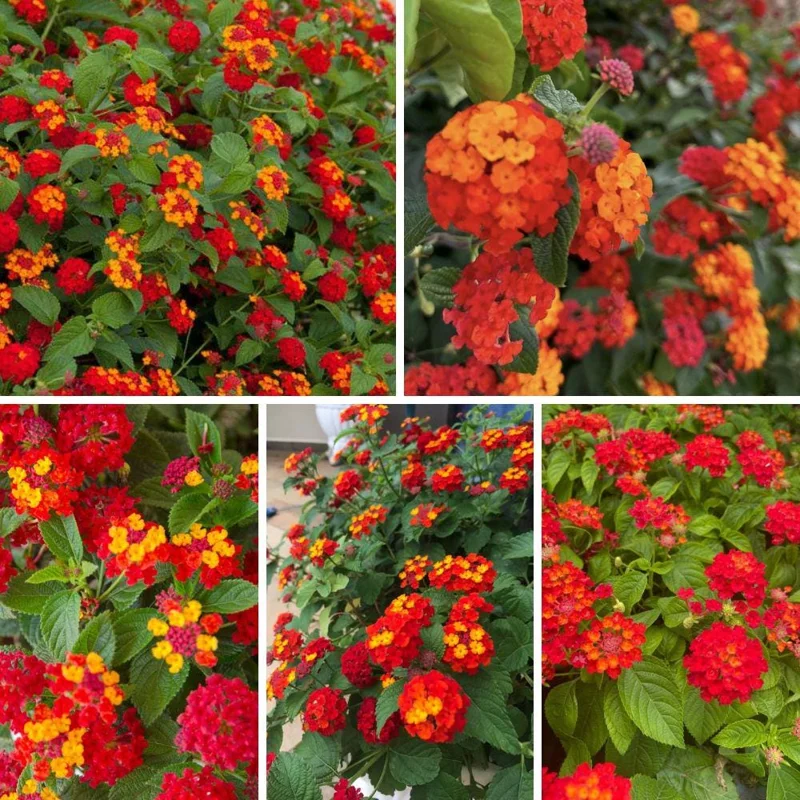
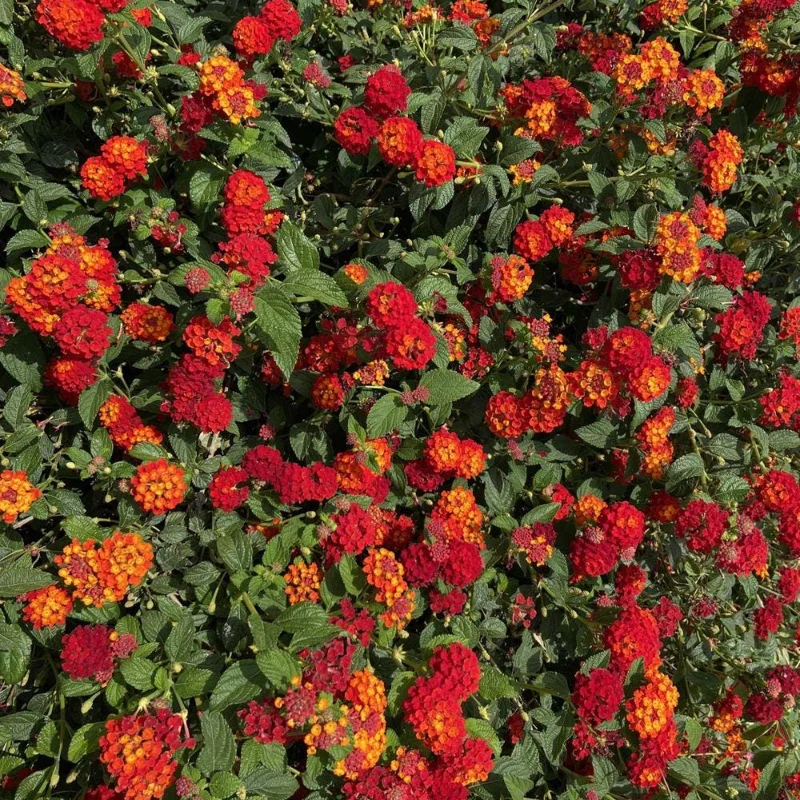
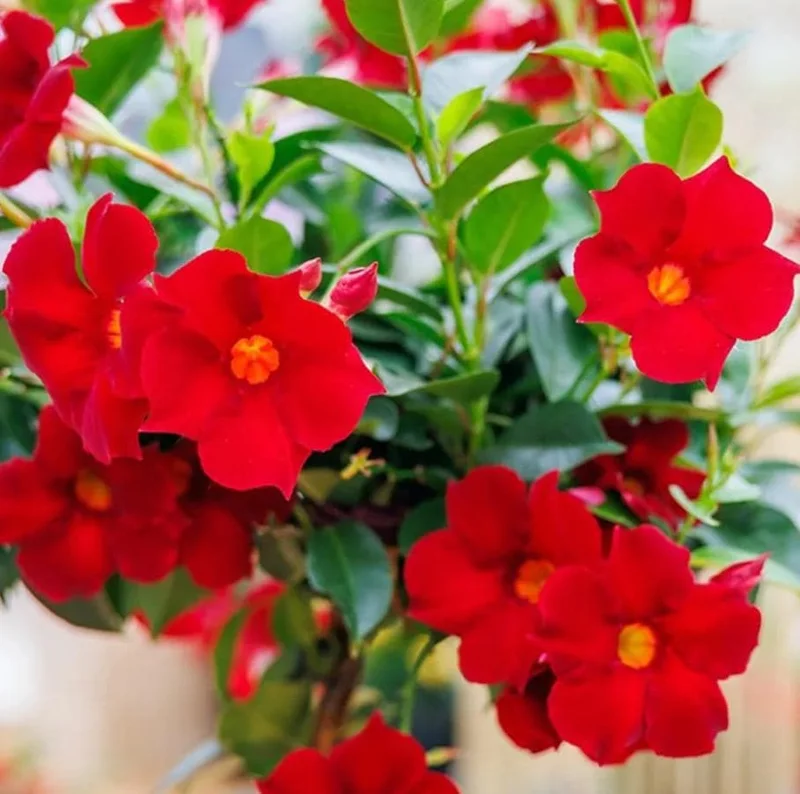
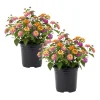
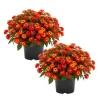
Introduce a burst of rich color and vibrant life to your outdoor spaces with the deep red lantana live plant. This offering includes two healthy 6-9 inch tall plants, ready to transform your garden, patio, or landscape. Known for its striking deep red blooms, Lantana camara is a beloved flowering garden perennial that thrives in sunny conditions. The clusters of radiant flowers are not only visually appealing but also serve as a magnet for butterflies and other beneficial garden pollinators, adding dynamic activity to your yard. This robust plant is an excellent choice for gardeners looking for low-maintenance, high-impact floral displays that provide continuous color throughout the warmer months. Whether you’re creating a new flower bed or enhancing existing container arrangements, this deep red lantana live plant is a superb addition.
The beauty of this particular variety of lantana lies in its intense coloration and its adaptability. The deep red hues provide a strong focal point, complementing a wide range of garden aesthetics. As a perennial lantana, it offers the advantage of returning year after year in suitable climates, providing long-lasting enjoyment. Its vigorous growth habit makes it an ideal candidate for various planting schemes, from mass plantings to mixed borders. Embrace the charm and resilience of these beautiful plants and watch your garden come alive with their captivating presence.
Key Benefits
The deep red lantana live plant offers numerous advantages for any gardener, combining aesthetic appeal with ecological benefits and ease of care. Its vibrant blooms and hardy nature make it a top choice for creating stunning and sustainable outdoor environments.
- Vibrant Floral Display: Produces abundant clusters of rich, deep red flowers that provide continuous, eye-catching color from spring through fall, ensuring your garden remains lively and attractive throughout the growing season.
- Attracts Pollinators: The nectar-rich flowers are a favorite of butterflies, bees, and hummingbirds, making these plants excellent for supporting local ecosystems and enhancing garden biodiversity.
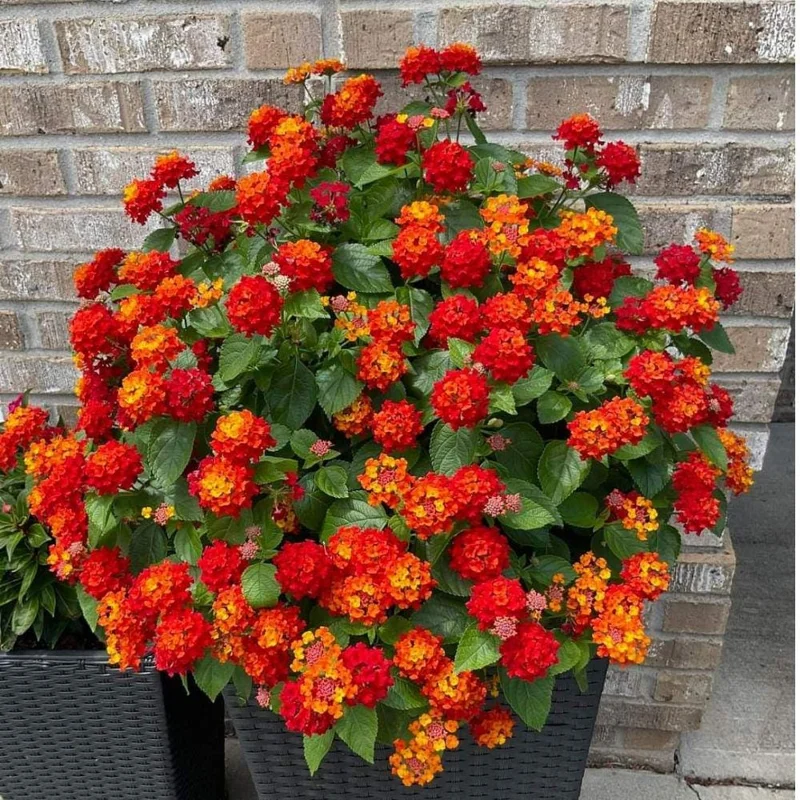
- Versatile Planting Options: Ideal for a variety of landscaping uses, including garden beds, borders, hanging baskets, patio containers, and ground cover, providing flexibility in design.
- Drought-Tolerant: Once established, this deep red lantana live plant is highly tolerant of dry conditions, requiring less frequent watering compared to many other flowering plants, making it a water-wise choice.
- Low Maintenance: Known for its hardiness and resilience, lantana requires minimal care, making it suitable for both experienced gardeners and those just starting out.
- Thrives in Sun: These are truly lantana sun loving plants, flourishing in full sun exposures where they produce the most profuse blooms and robust growth.
- Perennial Appeal: As a perennial, it returns each year in appropriate climates, offering long-term beauty without the need for annual replanting. This makes it a sustainable and cost-effective choice for sustained garden color.
Plant Care & Growing Tips
Caring for your deep red lantana live plant is straightforward, making it an excellent choice for a vibrant, low-maintenance garden. Lantana thrives in conditions that mimic its native tropical and subtropical environments. For optimal growth and prolific blooming, plant your lantana in a location that receives full sun, meaning at least six hours of direct sunlight per day. Adequate sunlight is crucial for the intensity of the flower color and overall plant health. Ensure the soil is well-draining; lantana does not tolerate soggy conditions, which can lead to root rot. A sandy or loamy soil mix is ideal, but it can adapt to various soil types as long as drainage is good.
Watering should be consistent but not excessive. During the first growing season, water regularly to help establish a strong root system. Once established, lantana is quite drought-tolerant and can withstand periods of dryness. Water deeply when the top inch or two of soil feels dry to the touch, and allow the soil to dry out slightly between waterings. Fertilization is generally not heavily required; a balanced, slow-release granular fertilizer applied in spring can encourage vigorous growth and blooming. Deadheading spent flowers, though not strictly necessary for continuous blooming, can help maintain a tidy appearance and potentially encourage more compact growth. Pruning in early spring can help shape the plant and promote new growth, especially important for maintaining the desired form of trailing lantana flowers.
Lantana is generally pest-resistant, but occasionally may encounter issues with whiteflies or spider mites. These can typically be managed with insecticidal soap if infestations occur. In cooler climates, lantana may be grown as an annual, but in USDA hardiness zones where it is perennial, it will return year after year. Protecting the plant with mulch in winter can help it survive colder temperatures. For those looking for specific guidance on red lantana plant care, remember that consistent sunlight, good drainage, and moderate watering are the pillars of success for these beautiful and resilient plants.
Size & Details
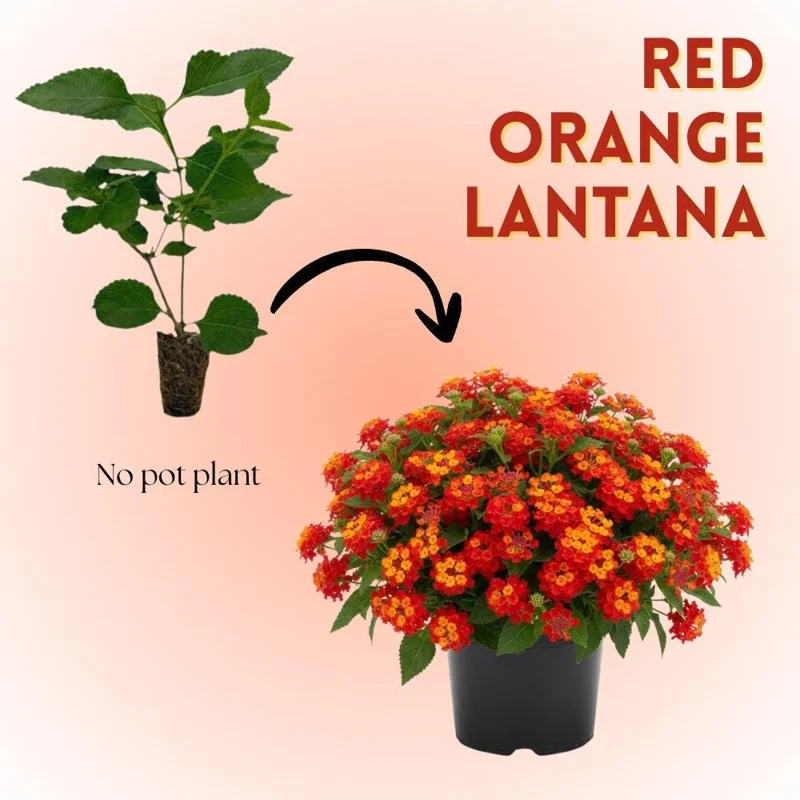
This offering includes two individual deep red lantana live plant specimens, each standing approximately 6-9 inches tall from the base of the plant to the tip of its foliage. These plants are shipped in their nursery pots, ensuring they arrive healthy and ready for transplanting into your garden beds, larger containers, or landscape areas. Lantana is known for its moderate to fast growth rate, and under optimal conditions, these plants can quickly establish themselves and begin to spread, creating a beautiful display of trailing lantana flowers. Mature plants can typically reach a height of 1 to 3 feet and spread up to 3 to 6 feet, depending on the variety and growing conditions. Expect blooms to appear continuously from late spring through fall, providing an extended season of vibrant color.
The plants are well-rooted and have been grown to a size that offers a robust start in your garden. Their branching growth habit makes them excellent for filling spaces, cascading over container edges, or creating a dense, colorful ground cover. The deep red blossoms are a striking feature, providing strong visual interest. These plants are ready for immediate planting upon arrival, requiring only appropriate watering and sunlight to thrive. The size provided is ideal for transplanting, allowing them to quickly adapt to their new environment and begin their impressive flowering display.
Frequently Asked Questions
- Q: How big do these deep red lantana live plants get? A: These plants are shipped at 6-9 inches tall. When mature, they can typically reach a height of 1-3 feet and spread 3-6 feet, depending on growing conditions and variety.
- Q: Is this an indoor or outdoor plant? A: This deep red lantana live plant is primarily an outdoor plant, thriving in full sun. In colder climates, it can be grown as an annual or brought indoors during winter.
- Q: How much sunlight does my red lantana plant need? A: Lantana requires full sun exposure, meaning at least 6 hours of direct sunlight per day, for the best growth and most abundant flowering. These are truly lantana sun loving plants.
- Q: Is this plant easy to care for? A: Yes, lantana is known for being a low-maintenance and hardy plant. It is drought-tolerant once established and generally resistant to pests and diseases, making red lantana plant care quite simple.
- Q: What condition will the plants arrive in? A: Your lantana plants will arrive healthy and well-rooted in their nursery pots, ready for transplanting into your garden or containers.
- Q: How long until it blooms? A: These 6-9 inch tall plants may already have blooms or buds upon arrival, and will continue to produce flowers continuously from late spring through fall in favorable conditions.
- Q: When is the best time to plant perennial lantana for garden? A: The best time to plant is in spring after the last frost, allowing the plants ample time to establish themselves before the heat of summer.
- Q: Will these trailing lantana flowers attract butterflies? A: Absolutely! The vibrant, nectar-rich flowers of lantana are highly attractive to butterflies, bees, and hummingbirds, making them excellent choices for pollinator gardens.
- Q: What kind of soil is best for lantana? A: Lantana prefers well-draining soil. It can tolerate a range of soil types but will not thrive in soggy conditions. A sandy or loamy mix is ideal.
- Q: What USDA zones are suitable for this plant? A: Lantana is typically grown as a perennial in USDA Zones 8-11. In colder zones, it is often treated as an annual or can be overwintered indoors.




Reviews
There are no reviews yet.