Overview
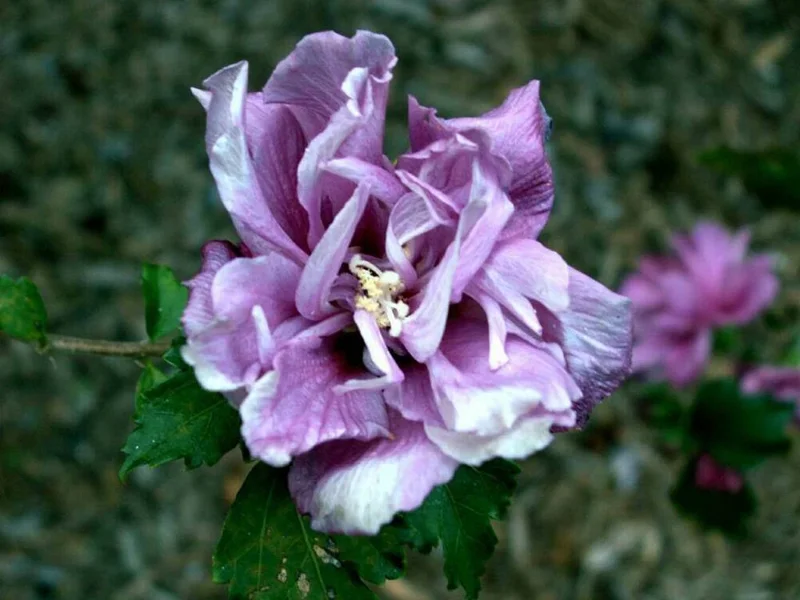
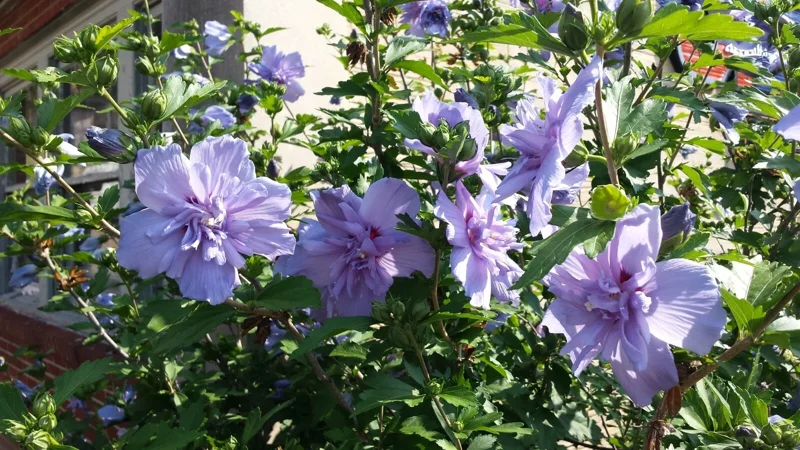
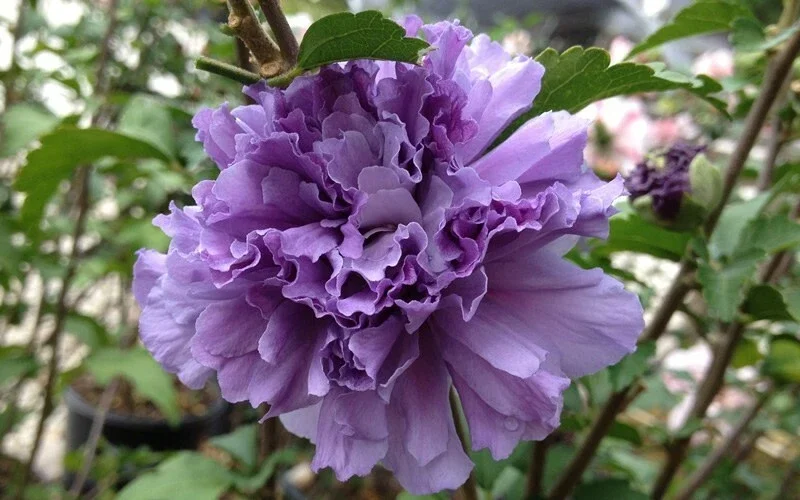
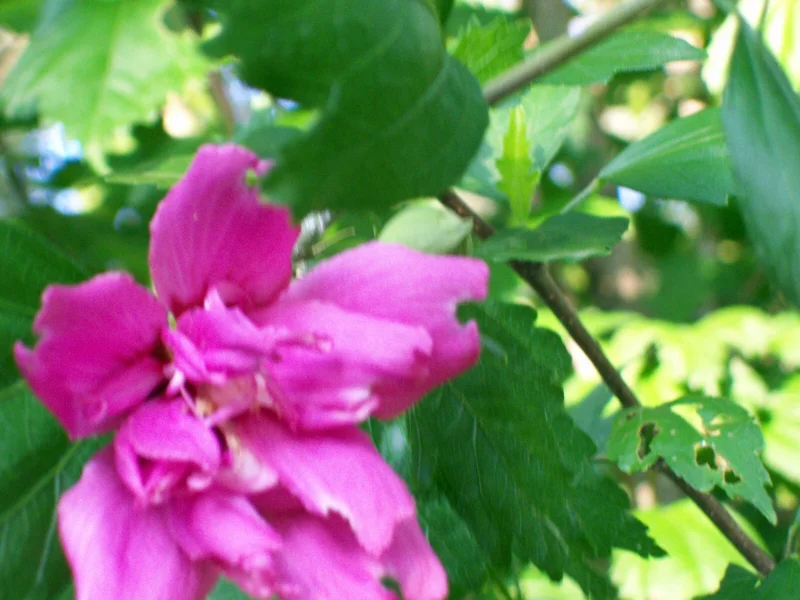
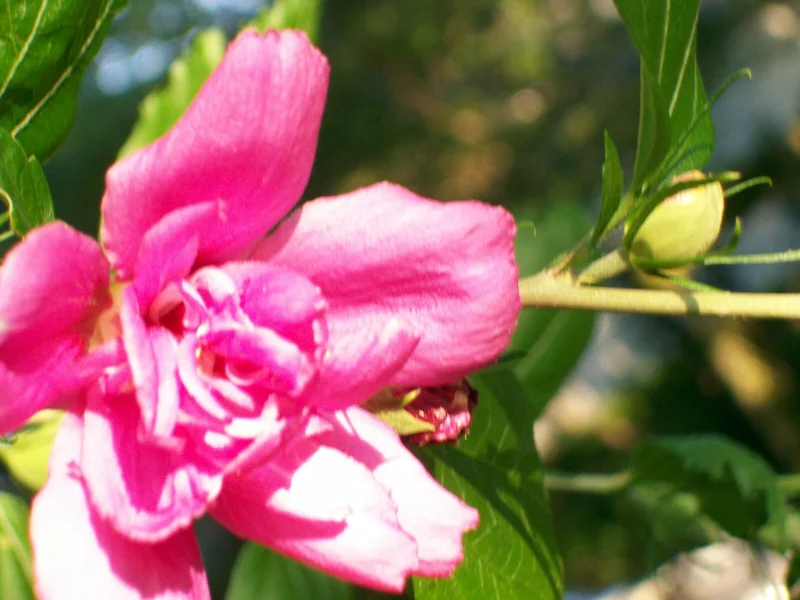
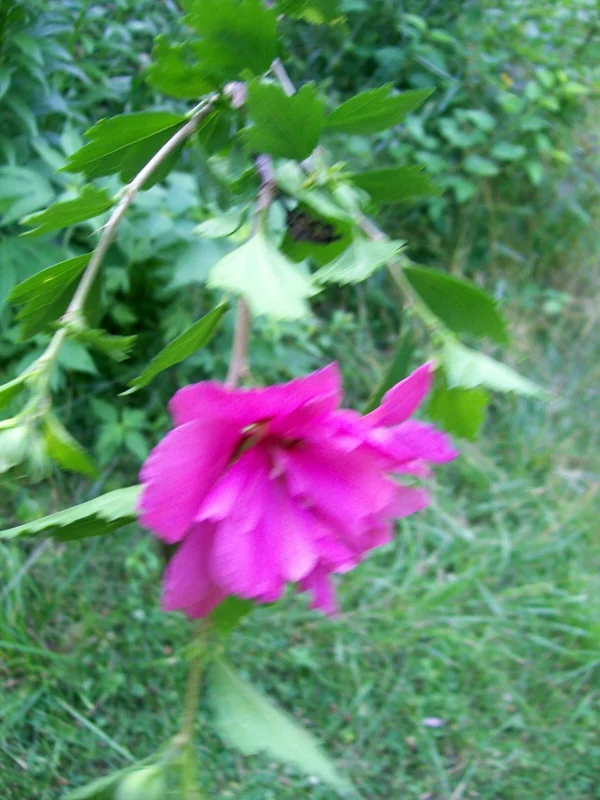
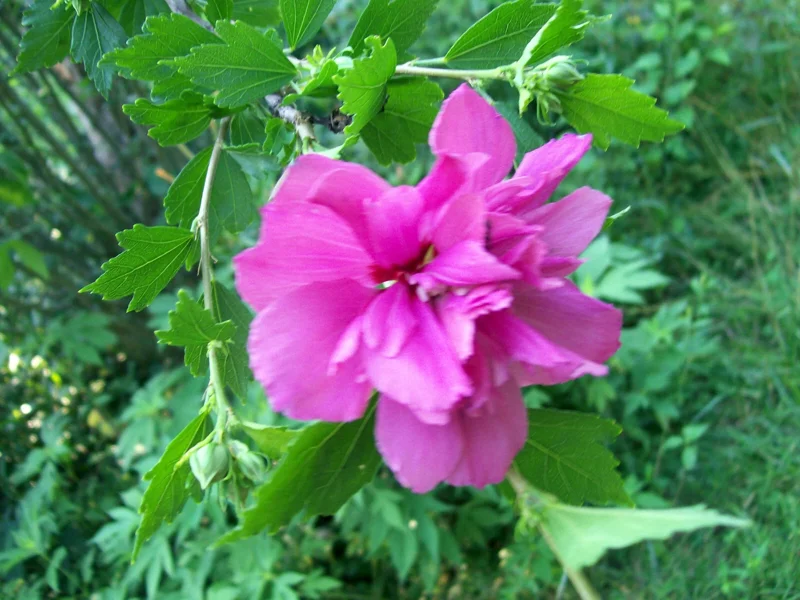
Embark on a rewarding gardening journey with our premium set of 10 rose of sharon unrooted cuttings. These carefully selected cuttings offer an excellent opportunity to propagate one of the most beloved and resilient flowering shrubs, the Rose of Sharon (Hibiscus syriacus). Known for its spectacular late-season blooms, this variety features exquisite double purple/pink flowers that add a splash of vibrant color to any landscape. Whether you’re an experienced gardener or just starting out, these hibiscus syriacus cuttings provide a cost-effective and engaging way to expand your garden’s beauty. Each cutting is ready for rooting, allowing you to nurture new plants from the ground up and enjoy the satisfaction of watching them flourish into magnificent, mature shrubs.
The Rose of Sharon is a deciduous shrub celebrated for its hardiness and ability to thrive in various conditions. Our double purple pink rose of sharon cuttings will produce plants that boast a profusion of showy, ruffled flowers that bloom generously from summer into fall, providing continuous visual interest when many other plants are beginning to fade. This particular double-flowered cultivar offers an extra layer of elegance and density to its blossoms, making it a standout feature in borders, hedges, or as a specimen plant. With proper care and attention during the rooting phase, these cuttings will quickly establish themselves, promising years of breathtaking floral displays.
Key Benefits
Our rose of sharon unrooted cuttings offer numerous advantages for gardeners seeking to enhance their outdoor spaces. From their aesthetic appeal to their ease of propagation, these cuttings are an excellent choice for a variety of landscaping needs.
- Stunning Double Blooms: These cuttings will grow into plants that produce luxuriant, full, and ruffled double purple/pink flowers, offering a more dramatic and elegant appearance compared to single-petal varieties. The vibrant hues will create an eye-catching focal point in any garden setting.
- Extended Bloom Season: Enjoy a prolonged period of color as the double purple pink rose of sharon blooms continuously from mid-summer through fall, providing essential nectar for pollinators and beauty for your yard when other plants are past their prime.
- Hardy and Resilient: Rose of Sharon is renowned for its robust nature, tolerating a wide range of soil conditions and climates. Once established, these shrubs are drought-tolerant and generally resistant to pests and diseases, making them a low-maintenance addition to your garden.
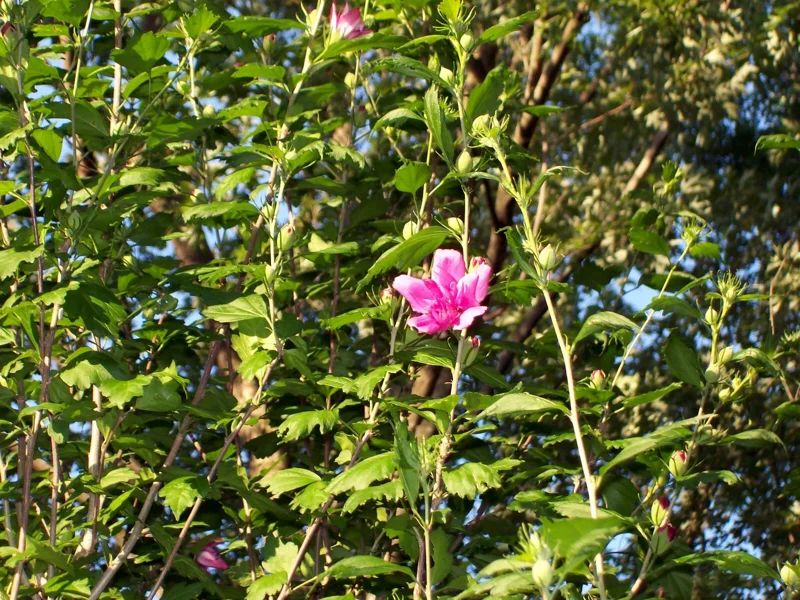
- Versatile Landscape Use: Perfect for creating informal hedges, privacy screens, mixed borders, or as a standalone specimen plant. The mature shrubs can reach a considerable size, offering significant impact in your landscape design.
- Attracts Pollinators: The abundant flowers are a magnet for hummingbirds, bees, and butterflies, contributing to the biodiversity and health of your garden ecosystem.
- Easy Propagation: Starting with hibiscus syriacus cuttings is a fulfilling and economical way to grow multiple plants. With simple rooting techniques, you can establish new shrubs to fill your garden or share with friends and family.
- Fast Growth Rate: Rose of Sharon typically exhibits a moderate to fast growth rate, meaning your rooted cuttings will quickly develop into substantial shrubs, providing quicker gratification for your gardening efforts.
Plant Care & Growing Tips
Successful growing rose of sharon from unrooted cuttings requires a few key steps to ensure strong root development and healthy plant growth. Begin by preparing a well-draining rooting medium, such as a mix of peat moss and perlite or sand. Dip the cut end of each cutting in rooting hormone, then insert them into the prepared medium. Maintain consistent moisture without overwatering, and provide warmth and humidity, perhaps using a humidity dome or plastic bag over the tray. Keep the cuttings in a location with bright, indirect light, avoiding harsh direct sun during this delicate stage. Rooting typically takes several weeks, after which you can gently transplant the rooted cuttings into individual pots.
Once your double purple pink rose of sharon plants are established in pots, they can be gradually acclimated to outdoor conditions before being planted in their permanent location. Rose of Sharon thrives in full sun to partial sun, meaning at least 6 hours of direct sunlight per day for optimal flowering. While it tolerates various soil types, well-draining soil is crucial to prevent root rot. Water regularly during dry spells, especially in the first few years after planting, but allow the top inch or two of soil to dry out between waterings. Fertilize in early spring with a balanced slow-release granular fertilizer formulated for flowering shrubs to encourage vigorous growth and abundant blooms. Pruning in late winter or early spring can help maintain shape, promote bushier growth, and enhance flowering.
This resilient shrub is hardy in USDA Zones 5 (-20 to -10 °F) to 9 (20 to 30 °F), making it suitable for a wide range of climates. It can withstand both heat and cold once established. Watch out for common issues like aphids, which can be managed with insecticidal soap. Providing adequate spacing for air circulation will also help prevent fungal diseases. With these care tips, your rose of sharon unrooted cuttings will transform into magnificent, low-maintenance flowering shrubs that will grace your garden for many seasons.
Size & Details
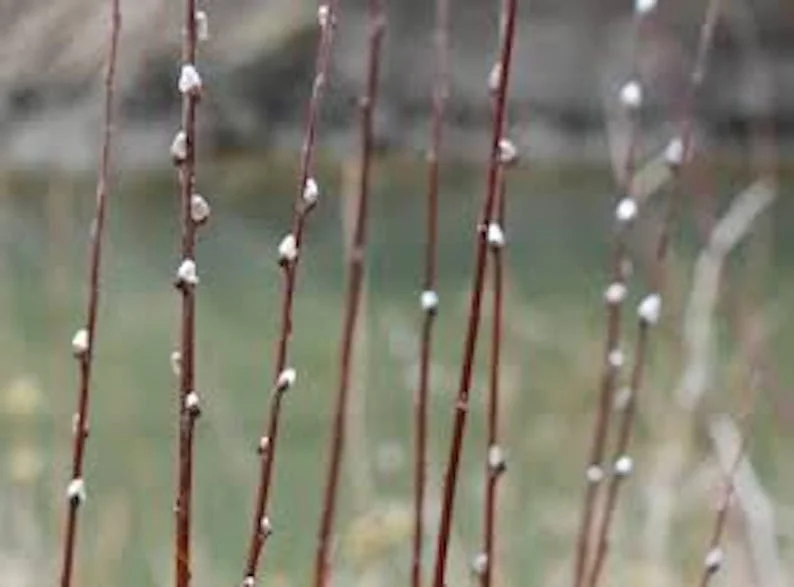
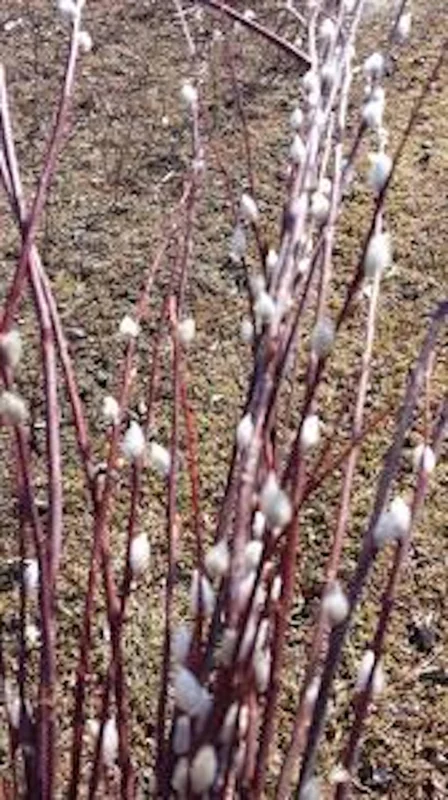
This offering includes a set of 10 rose of sharon unrooted cuttings, ready for you to begin the propagation process. Each cutting is carefully selected to ensure viability and potential for vigorous growth. The exact length of the cuttings may vary slightly, but they are typically prepared to an optimal size for rooting, usually between 6-10 inches. These are not rooted plants; they are dormant stem sections that require a rooting period in a suitable medium before they develop into independent plants. The mature size of the purple pink rose of sharon shrub can reach an average height of 8-12 feet with a spread of 6-10 feet, depending on growing conditions and pruning practices.
Expect a moderate growth rate, with young plants typically adding 1-2 feet per year once established. Flowering usually begins in the second or third year after successful rooting and planting, rewarding your patience with stunning double blooms. These cuttings offer a fantastic opportunity for gardeners to cultivate a beautiful and resilient flowering hedge or specimen plant at a fraction of the cost of purchasing mature shrubs. Prepare your rooting medium and get ready to embark on the satisfying journey of growing rose of sharon from these promising cuttings.
Frequently Asked Questions
- Q: How big does this plant get? A: A mature rose of sharon unrooted cuttings will grow into a shrub that typically reaches a height of 8 to 12 feet and a spread of 6 to 10 feet. Its size can be managed with regular pruning.
- Q: Is this an indoor or outdoor plant? A: The double purple pink rose of sharon is primarily an outdoor flowering shrub. While the cuttings can be rooted indoors, the mature plant thrives in outdoor garden settings.
- Q: How much sunlight does it need? A: Rose of Sharon performs best in full sun, requiring at least 6 hours of direct sunlight daily for the most abundant blooms. It can tolerate partial sun but may produce fewer flowers.
- Q: Is this plant easy to care for? A: Yes, once established, the Rose of Sharon is considered a relatively low-maintenance shrub. It’s hardy and tolerant of various conditions, making growing rose of sharon a good choice for many gardeners.
- Q: What condition will it arrive in? A: Your order will consist of 10 unrooted cuttings, which are dormant stem sections without developed roots. They will be carefully packaged to maintain their freshness during transit.
- Q: How long until it blooms? A: Typically, plants grown from hibiscus syriacus cuttings will begin to flower in their second or third year after successful rooting and planting in the garden.
- Q: Will it survive winter in my zone? A: The Rose of Sharon is hardy in USDA Zones 5 to 9, meaning it can tolerate winter temperatures down to -20 degrees Fahrenheit once established.
- Q: What’s the best time to plant these cuttings? A: While rooting can be initiated indoors at various times, the ideal time to transplant rooted cuttings outdoors is in spring after the last frost, or in early fall.
- Q: What kind of soil is best for rooting and planting? A: For rooting, a sterile, well-draining medium like peat and perlite mix is ideal. For planting, well-draining garden soil enriched with organic matter is preferred for the mature purple pink rose of sharon.
- Q: Can I grow these in containers? A: Yes, young rooted cuttings can be grown in containers. As the plant matures, it may require a very large container to accommodate its root system, or it can be transplanted into the ground.










Reviews
There are no reviews yet.