Overview
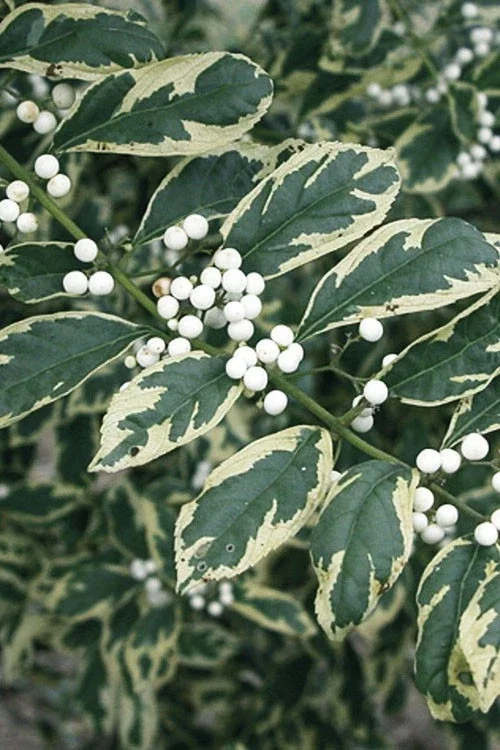
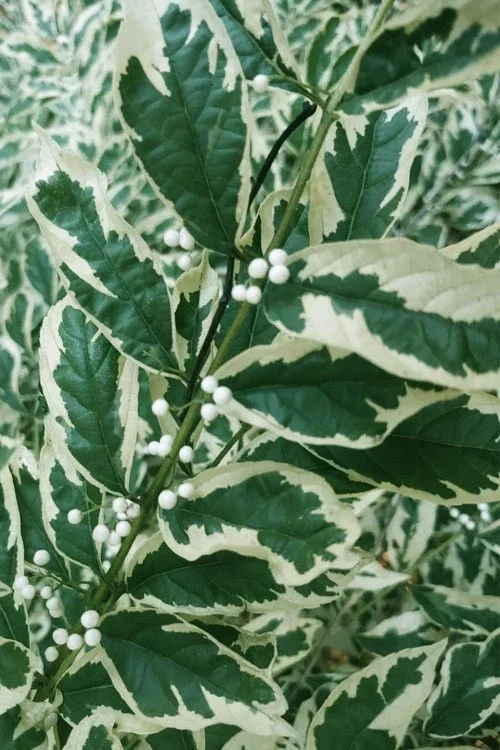
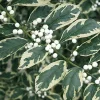
Introduce a touch of elegance and year-round interest to your landscape with the duet variegated beautyberry. This exceptional live plant, specifically ‘Callicarpa dichotoma Duet’, is celebrated for its unique foliage and the promise of dazzling, iridescent berries. Unlike typical beautyberry varieties, the ‘Duet’ cultivar boasts stunning variegated leaves that feature splashes of creamy white and yellow against a rich green background, providing a bright and dynamic visual appeal even before its berries mature. Growing to a mature height of approximately 12+ inches at the time of purchase, this shrub is a fantastic choice for garden enthusiasts looking for something beyond the ordinary. Its botanical name, Callicarpa dichotoma Duet, signifies its distinctive characteristics and adds a sophisticated touch to any garden setting.
The duet variegated beautyberry is a deciduous shrub that offers multi-seasonal charm. In spring, fresh variegated leaves emerge, followed by small, inconspicuous flowers in summer that eventually give way to its most anticipated feature: clusters of vibrant, metallic-purple berries in late summer and fall. These berries persist well into winter, providing a crucial food source for local wildlife and a spectacular display against the bare branches. This is truly a plant that keeps on giving, making it a valuable addition for both aesthetic beauty and ecological benefit.
Key Benefits
The duet variegated beautyberry offers a multitude of benefits that make it a standout choice for gardeners. Its unique attributes contribute to a more vibrant and dynamic outdoor space, while also being relatively low-maintenance.
- Stunning Variegated Foliage: The leaves feature an attractive blend of green, cream, and yellow, providing visual interest from spring through fall. This variegation brightens up shady spots and adds contrast to other green plants.
- Vibrant Berry Display: In late summer and fall, the plant produces an abundance of glossy, metallic-purple berries that cling to the stems, creating a spectacular and long-lasting show. These berries are a true highlight and make the plant a focal point.
- Wildlife Attraction: The prolific berries are a valuable food source for birds, especially during the colder months, making your garden a haven for local fauna. This contributes to a healthier ecosystem in your backyard.
- Multi-Seasonal Interest: From the fresh variegated leaves in spring to the delicate flowers in summer, the stunning berries in fall, and their persistence into winter, this shrub provides continuous appeal throughout the year.
- Low Maintenance: This variegated beautyberry shrub is generally robust and adaptable, requiring minimal specific care once established, making it suitable for both experienced gardeners and beginners.
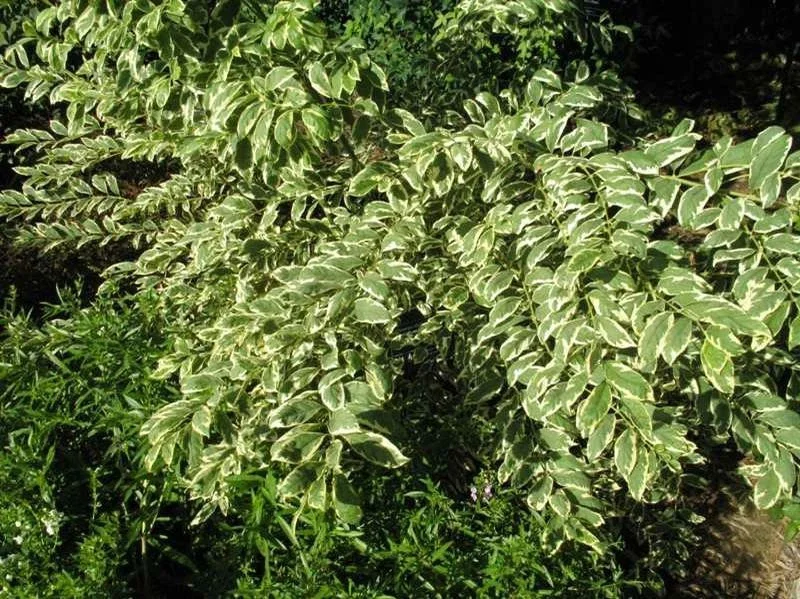
- Versatile Landscape Use: Perfect for mass plantings, mixed borders, foundation plantings, or as a specimen plant, its unique coloration and berry display allow for diverse placement in various garden designs.
- Drought Tolerance: Once established, the ‘Duet’ beautyberry exhibits good drought tolerance, reducing the need for frequent watering in dry periods.
Plant Care & Growing Tips
Caring for your duet variegated beautyberry is straightforward, ensuring a healthy and vibrant plant for years to come. This robust shrub thrives with basic attention to its environmental needs, allowing its unique features to shine. Understanding the specific requirements for beautyberry plant care will help it flourish in your garden and produce an abundance of berries.
For optimal growth, plant your callicarpa dichotoma duet in a location that receives full sun to medium sun (at least 6 hours of direct sunlight per day). While it can tolerate some partial shade, too little sun may reduce the vibrancy of the variegation and the quantity of berries produced. The ideal soil type is well-draining, loamy soil, though it is quite adaptable to various soil conditions. Ensure good drainage to prevent root rot, which is common in waterlogged conditions. Regular watering is important during its establishment period, typically the first year after planting. Once established, it is relatively drought-tolerant, but consistent moisture during prolonged dry spells will promote better berry production. Watering should be light to moderate, allowing the soil to dry slightly between waterings.
The duet variegated beautyberry is hardy in USDA zones 5-8, making it suitable for a wide range of climates. It is a deciduous shrub, so it will lose its leaves in winter. Fertilize in early spring with a balanced, slow-release granular fertilizer formulated for shrubs. Pruning is best done in late winter or early spring before new growth begins. You can prune to maintain shape, remove dead or damaged branches, or to encourage a more compact form and better berry production. Consider a hard prune every few years to rejuvenate older plants. Common problems are rare, but watch for typical garden pests and diseases and treat them as needed with appropriate organic or chemical solutions. Ensuring proper air circulation can help prevent fungal issues.
Size & Details
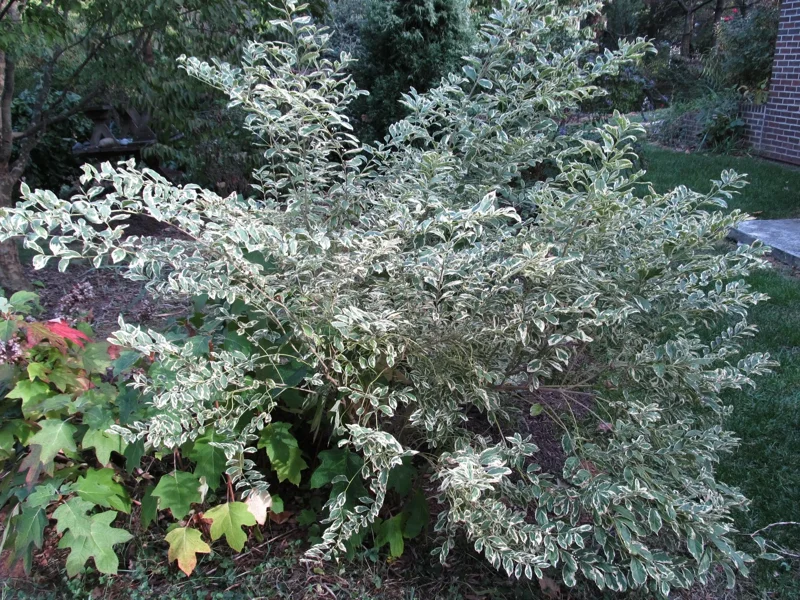
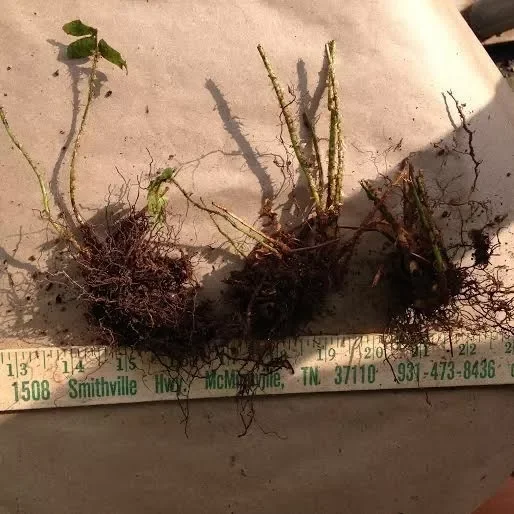
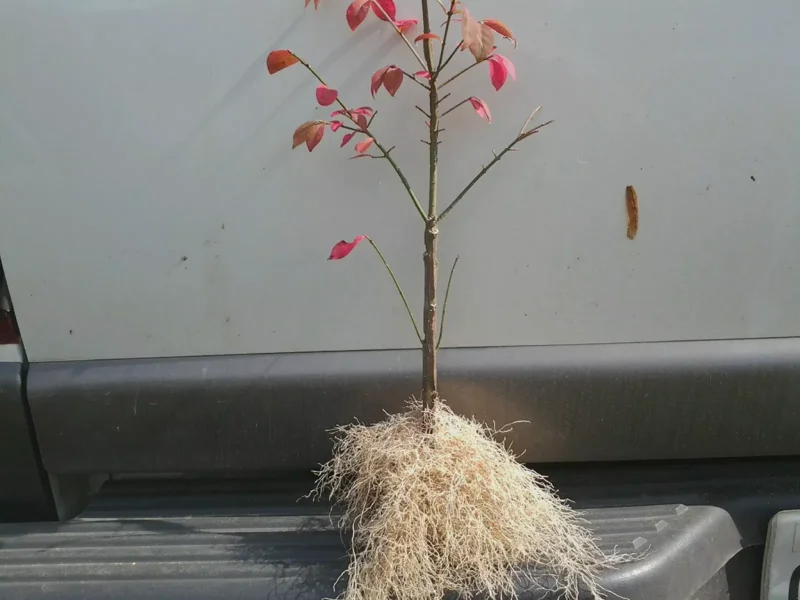
This duet variegated beautyberry live plant is delivered as a bare-root specimen, ready for planting. At the time of shipment, it typically measures 12+ inches in height, providing a substantial start for your garden. As a deciduous shrub, its growth stage is flowering, meaning it’s ready to develop its characteristic berries. Once established, this variegated beautyberry shrub will grow into a medium-sized plant, reaching an average height and spread of 4-6 feet. Its moderate growth rate allows it to fill out beautifully over a few seasons without becoming overly aggressive. Expect the first significant berry display within the first two years after planting, with increasing abundance as the plant matures. Its robust nature and attractive features make it an excellent choice for adding structure and color to your outdoor spaces, and with proper beautyberry plant care, it will thrive and bring joy for many seasons.
Frequently Asked Questions
- Q: How big does this plant get? A: The duet variegated beautyberry typically grows to a mature height and spread of 4-6 feet. Its size can be managed with proper pruning, making it adaptable to various garden spaces.
- Q: What size pot does it come in? A: This plant is shipped as a bare-root specimen, meaning it does not come with a pot. It is ready for direct planting into your garden soil or a suitable container upon arrival.
- Q: Is this an indoor or outdoor plant? A: The duet variegated beautyberry is an outdoor shrub. It requires outdoor conditions, including natural sunlight and seasonal changes, to thrive and produce its signature berries.
- Q: How much sunlight does it need? A: This plant prefers full sun to medium sun, meaning at least 6 hours of direct sunlight per day. Adequate sunlight is crucial for vibrant foliage and abundant berry production.
- Q: Is this plant easy to care for? A: Yes, this callicarpa dichotoma duet is considered relatively low-maintenance once established. Its care involves basic watering, occasional fertilization, and pruning to maintain shape and health.
- Q: What condition will it arrive in? A: Your plant will arrive as a live bare-root specimen, carefully packaged to ensure its health during transit. It will be dug up as ordered for freshness.
- Q: When is the best time to plant? A: The best time to plant bare-root shrubs like the duet variegated beautyberry is typically in early spring or fall when the weather is cooler and less stressful for the plant.
- Q: Will it survive winter in my zone? A: This variegated beautyberry shrub is hardy in USDA zones 5-8. If you are within these zones, it should successfully overwinter and return in spring.
- Q: What’s the minimum temperature it can tolerate? A: The ‘Duet’ beautyberry can tolerate winter temperatures down to around -20°F (-29°C) when established in USDA Zone 5.
- Q: Can the berries be eaten? A: While the berries of Callicarpa are generally considered non-toxic, they are not typically consumed by humans due to their unpalatable taste. They are primarily ornamental and a food source for birds.









Reviews
There are no reviews yet.