Overview
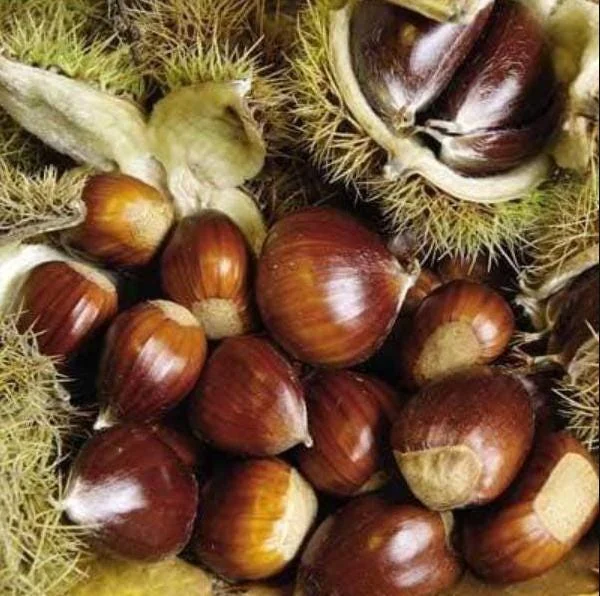
Discover the robust potential of the Dunstan Chestnut Tree, a remarkable hybrid prized for its blight resistance and rapid growth. This offering is for one healthy, young chestnut tree, provided as a bare root nut tree, typically measuring 10 to 20 inches in height. Unlike traditional American chestnuts, the Dunstan variety offers superior disease resistance, making it an excellent choice for growers looking to reintroduce chestnuts to their property or establish a thriving nut orchard. These trees are known for producing large, sweet, and easy-to-peel nuts, a highly sought-after delicacy. Planting a Dunstan Chestnut Tree is an investment in future harvests and a valuable addition to any garden or homestead.
The Dunstan Chestnut Tree is a cross between the American chestnut (Castanea dentata) and Chinese chestnut (Castanea mollissima), combining the best traits of both. It’s an ideal choice for landowners, gardeners, and nature enthusiasts alike, promising abundant harvests and a beautiful, stately presence in the landscape. Get ready to enjoy the satisfaction of growing your own delicious, home-grown chestnuts.
Key Benefits
The Dunstan Chestnut Tree offers numerous advantages for both the home gardener and commercial grower. Its unique characteristics make it a standout choice among nut-producing trees.
- Blight Resistance: A primary benefit of the Dunstan Chestnut Tree is its strong resistance to chestnut blight, a devastating disease that decimated native American chestnuts. This allows for successful long-term growth and nut production.
- Fast Growth Rate: These trees are known as a fast growing chestnut, quickly establishing themselves and reaching mature sizes, which means you can enjoy harvests sooner.
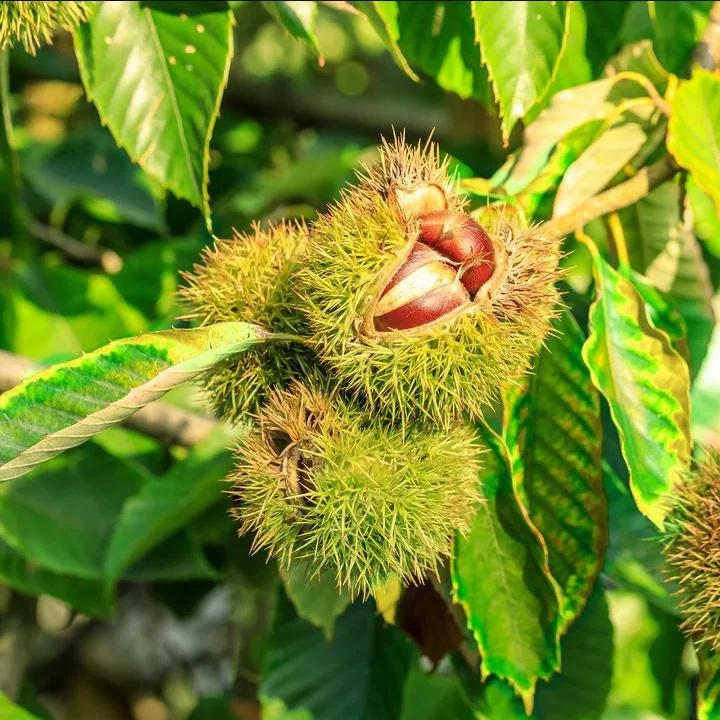
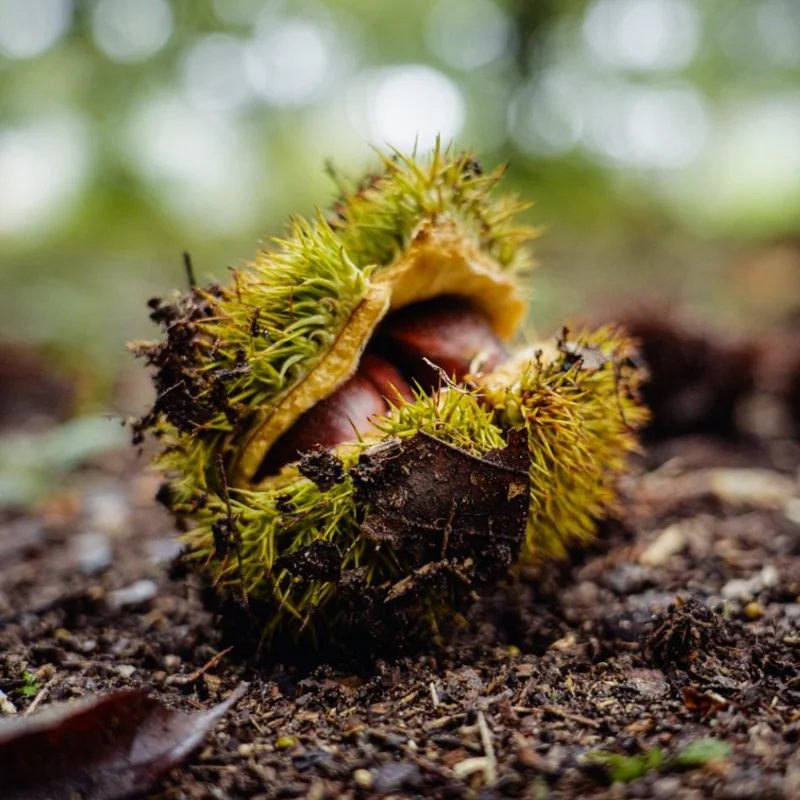
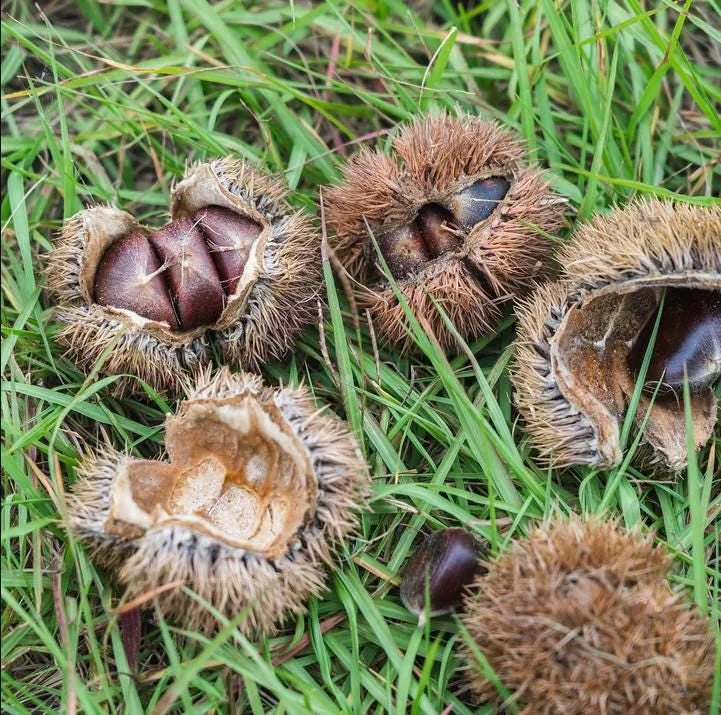
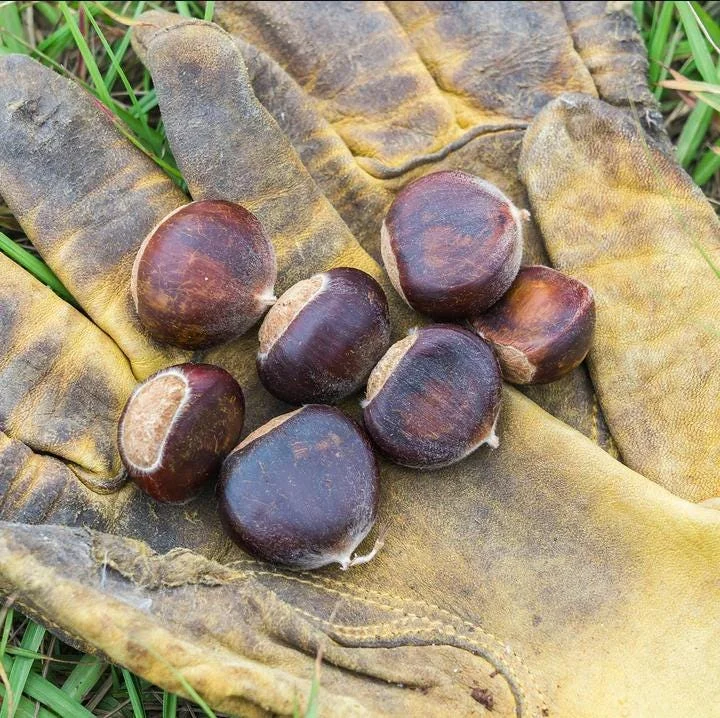
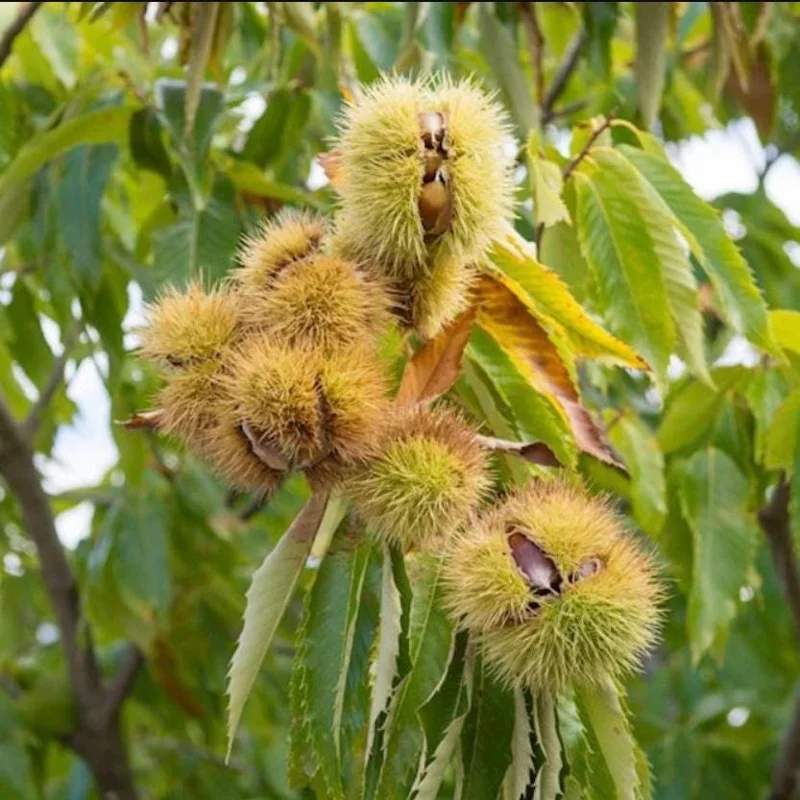
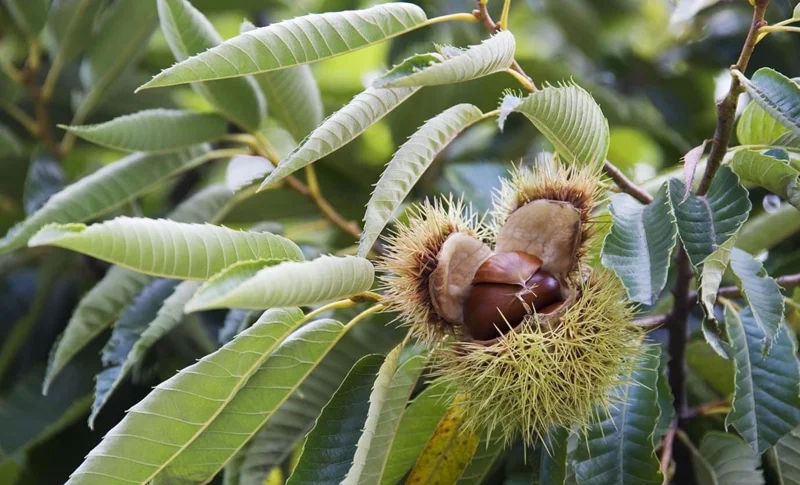
- Delicious & Large Nuts: Dunstan chestnuts are renowned for their sweet flavor and substantial size, making them excellent for roasting, baking, or fresh consumption.
- Wildlife Attraction: The nuts produced by these trees are a valuable food source for deer, turkeys, and other wildlife, enhancing biodiversity in your area.
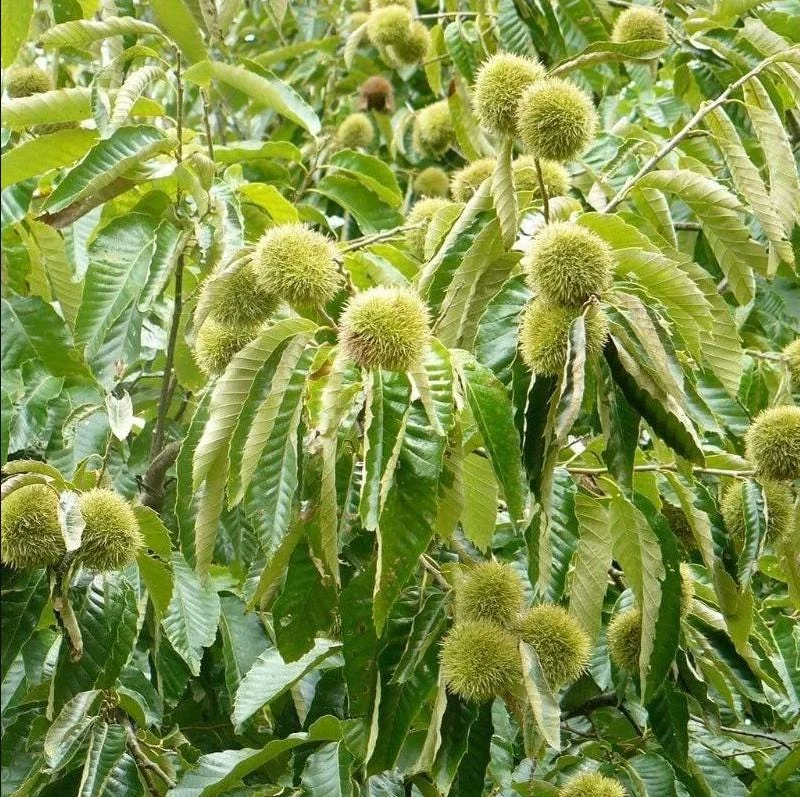
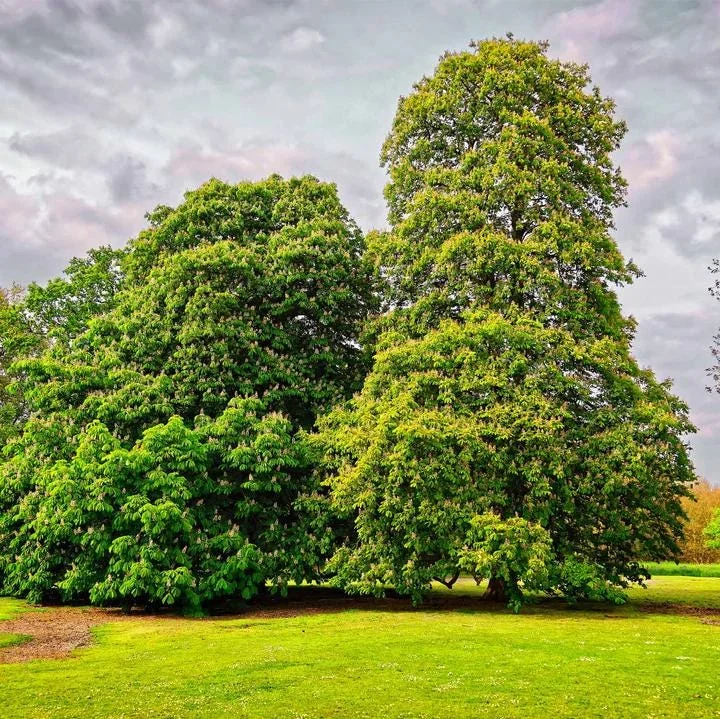
- Shade & Landscape Value: Beyond their nuts, Dunstan Chestnut Tree specimens grow into beautiful, large shade trees, adding significant aesthetic value to your property.
- Economic Potential: For those interested in commercial ventures, the high demand for blight-resistant chestnuts offers excellent economic potential.
- Adaptability: This hybrid chestnut tree is adaptable to various soil types, provided they are well-draining, making it suitable for a wide range of growing conditions.
Plant Care & Growing Tips
Proper chestnut tree care is crucial for establishing a healthy and productive Dunstan Chestnut Tree. These trees thrive in specific conditions that mimic their natural habitat. Plant your bare root nut tree in late autumn or early spring while the tree is dormant, before new growth begins. Choose a site that receives full sun, ideally at least 6–8 hours of direct sunlight daily. Good air circulation is also important to prevent fungal issues. Avoid low-lying areas known as “frost pockets” where cold air and water can accumulate, as this can damage young trees.
Soil requirements are critical for the Dunstan Chestnut Tree. It prefers well-drained, slightly acidic to neutral (pH 5.0-6.5) sandy-loam soil. Heavy clay soils that retain too much moisture can lead to root rot, so amending with organic matter or sand may be necessary for improved drainage. Upon planting, water the tree thoroughly to settle the soil around the roots and eliminate any air pockets. Consistent moisture is vital during the first few years, especially during dry spells. Fertilization can begin after the first year, using a balanced slow-release fertilizer in early spring. Protect young trees from deer and other pests, as they can browse on tender new growth. Pruning should focus on developing a strong central leader and removing any dead or crossing branches to encourage healthy growth and maximize nut production.
Size & Details
This offering includes one Dunstan Chestnut Tree, provided as a bare root plant. The young tree typically measures between 10 to 20 inches in height upon arrival, ready for immediate planting. As a fast growing chestnut, it will quickly establish itself and begin to put on significant growth each year. Bare root plants are dormant and are shipped without soil or a pot, which is an ideal method for transplanting deciduous trees. Expect your tree to begin producing nuts within 3-5 years of planting, with increasing yields as it matures. The mature size of a Dunstan Chestnut Tree can reach 40-60 feet tall with a similar spread, forming a stately canopy. Its vigorous growth habit and disease resistance ensure a long, productive life in your landscape.
Frequently Asked Questions
- Q: How big does this Dunstan Chestnut Tree get? A: A mature Dunstan Chestnut Tree can reach an impressive height of 40-60 feet and have a similar spread, providing ample shade and a significant presence in your landscape. It’s a large, stately tree.
- Q: Is this an indoor or outdoor plant? A: The Dunstan Chestnut Tree is an outdoor plant, best suited for planting in your garden, orchard, or a spacious yard where it can receive full sun and grow to its full potential. It is not suitable for indoor cultivation.
- Q: How much sunlight does a Dunstan Chestnut Tree need? A: These trees thrive in full sun, requiring at least 6-8 hours of direct sunlight per day to ensure vigorous growth and optimal nut production.
- Q: Is this plant easy to care for? A: While the initial establishment requires attention to planting site and watering, once established, the Dunstan Chestnut Tree is relatively low-maintenance, especially due to its blight resistance. Consistent chestnut tree care in early years is key.
- Q: What condition will the bare root nut tree arrive in? A: Your hybrid chestnut tree will arrive as a healthy, dormant bare root plant, meaning it will be shipped without soil or a pot, with its roots carefully packaged to maintain moisture during transit.
- Q: When is the best time to plant a fast growing chestnut? A: The ideal time to plant your Dunstan Chestnut Tree is in late autumn after leaf drop or in early spring before bud break, while the tree is still dormant.
- Q: Will this hybrid chestnut tree survive winter in my zone? A: The Dunstan Chestnut Tree is hardy and adaptable to a wide range of climates. Knowing your specific USDA hardiness zone will help confirm its suitability, but generally, it performs well in many temperate regions.
- Q: What kind of soil is best for chestnut tree care? A: This tree prefers well-drained, sandy-loam soil with a slightly acidic to neutral pH. Avoid heavy clay soils that can lead to waterlogging and root issues.
- Q: How long until I can harvest nuts from my Dunstan Chestnut Tree? A: You can typically expect your Dunstan Chestnut Tree to begin producing nuts within 3-5 years after planting, with yields increasing significantly as the tree matures.
- Q: Do I need more than one Dunstan Chestnut Tree for nut production? A: While Dunstan Chestnuts are partially self-fertile, planting two or more trees will significantly improve pollination and result in a much larger and more consistent nut harvest.
 Weeping White Birch Tree - Betula Pendula Live Plant - Medium Size, White Bark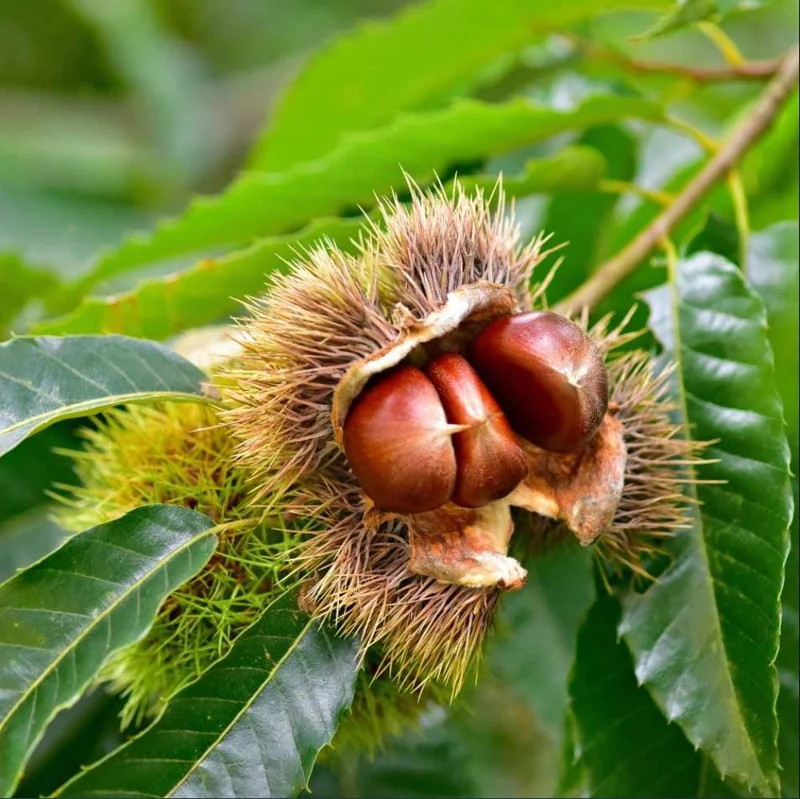


Reviews
There are no reviews yet.