Overview
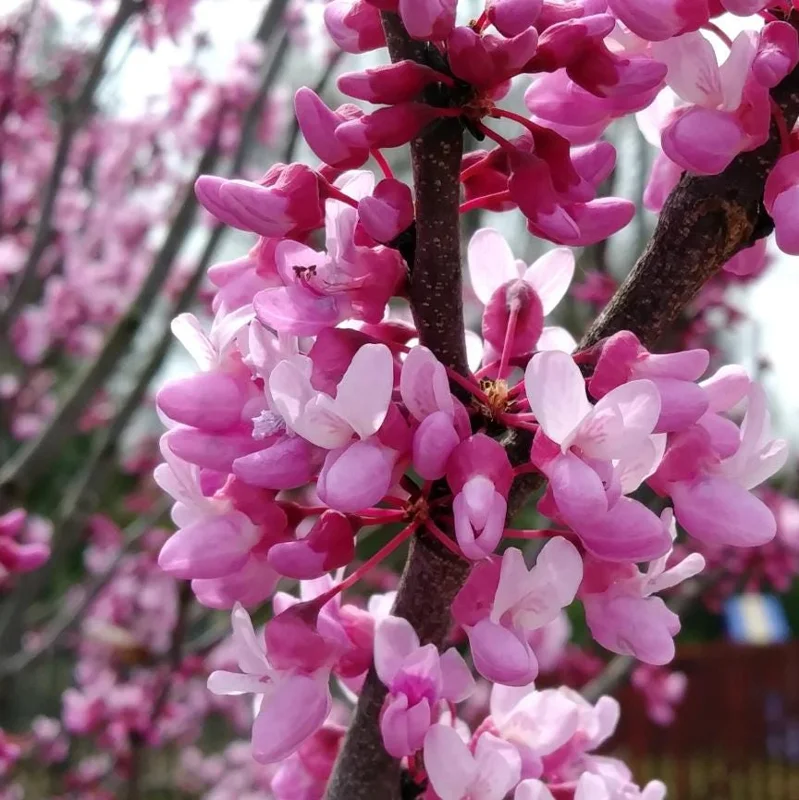
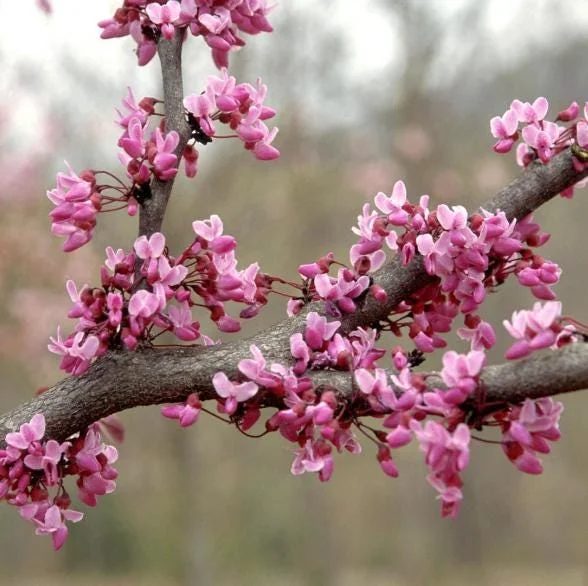
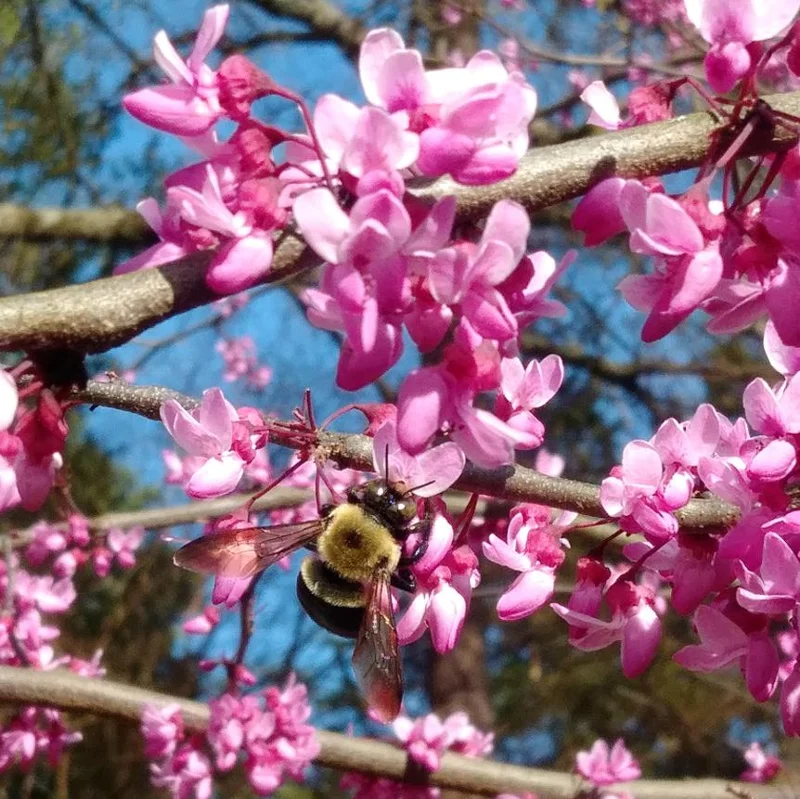
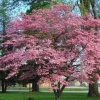
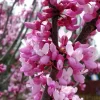
Introduce breathtaking beauty to your outdoor space with the eastern redbud live plant. This exquisite native tree, scientifically known as Cercis canadensis, is celebrated for its spectacular early spring display of vibrant, rosy-pink blossoms. Long before its characteristic heart-shaped leaves emerge, the branches of this cercis canadensis tree become adorned with clusters of cheerful flowers, creating an unforgettable spectacle. As the seasons progress, the foliage transitions to a lovely golden-yellow in autumn, providing continuous visual interest. Ideal as a specimen tree, an accent plant, or a focal point in any garden, this young eastern redbud live plant arrives ready to thrive, bringing charm and elegance to your landscape for years to come.
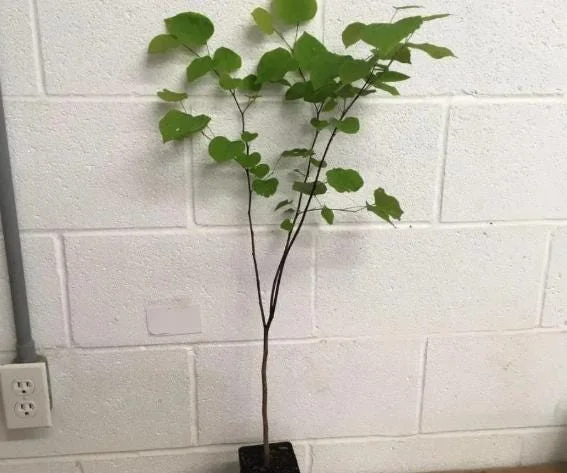
This offering is for a healthy, rooted starter plant, approximately 6-12 inches tall, cultivated in a 1 quart pot. It’s an excellent choice for those looking to establish a beautiful, native flowering tree that supports local ecosystems and provides stunning seasonal appeal. The native redbud tree is an adaptable and rewarding addition, suitable for various garden styles and sizes, offering a dramatic visual impact with its unique flowering habit directly on its woody stems.
Key Benefits
The eastern redbud live plant offers a multitude of benefits, making it a highly desirable addition to any garden or landscape. Its striking appearance and ecological value contribute to a vibrant and healthy environment.
- Spectacular Spring Blooms: Enjoy an unparalleled display of bright, rosy-pink flowers that emerge directly on the branches in early spring, often before other trees begin to leaf out. This provides a crucial early nectar source for pollinators.
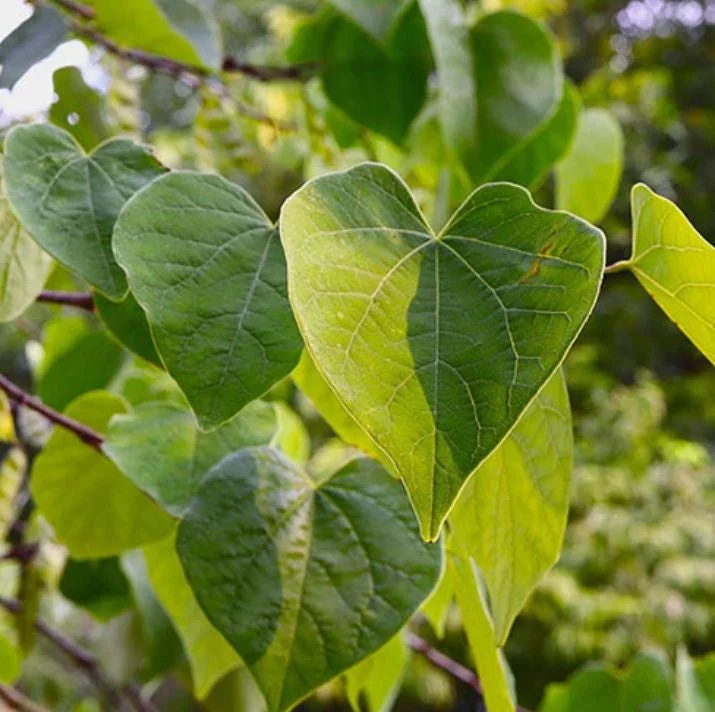
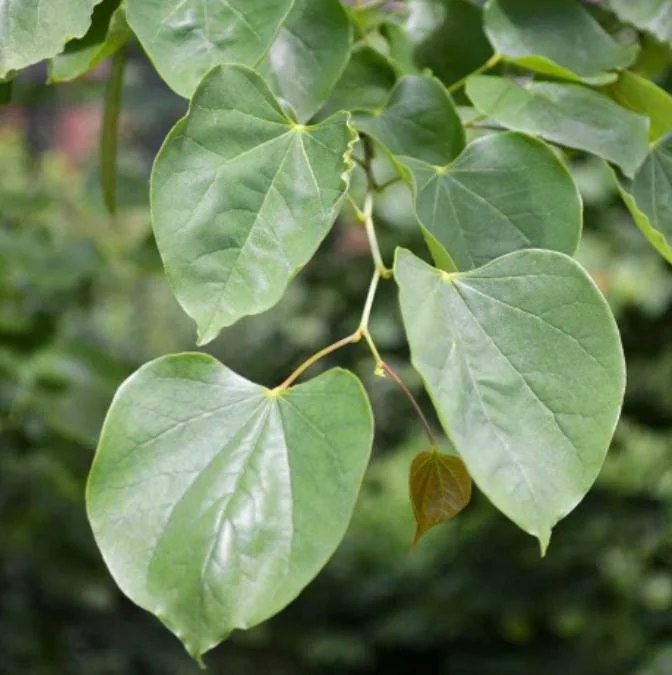
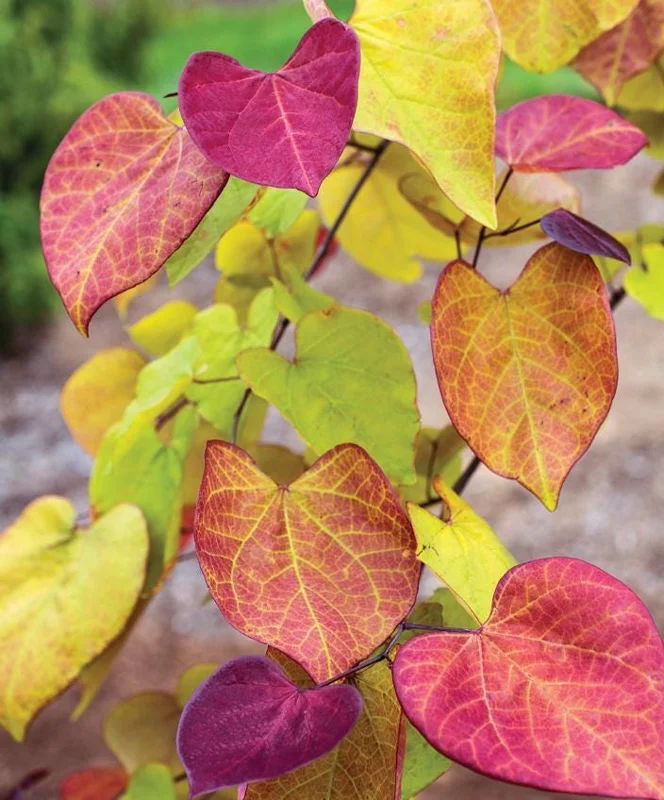
- Attractive Foliage: Beyond its blossoms, the cercis canadensis tree produces distinctive heart-shaped green leaves that provide lush beauty throughout the growing season and transform into a lovely golden-yellow in the fall.
- Native & Eco-Friendly: As a native species, the eastern redbud live plant is well-adapted to local climates and soils, requiring less intervention once established. It supports local wildlife, including pollinators and birds.
- Versatile Landscape Use: Perfect as a standalone specimen, an understory tree, or integrated into mixed borders. Its moderate size makes it suitable for various garden designs, from small urban yards to larger rural landscapes.
- Low Maintenance: Once established, this pink flowering ornamental tree is relatively drought-tolerant and requires minimal care, making it an excellent choice for busy gardeners.
- Pollinator Attractor: The early spring flowers are a vital food source for bees and other beneficial insects, contributing to a healthy garden ecosystem.
- Disease & Pest Resistance: Generally robust and resistant to most common diseases and pests, ensuring a healthy and vigorous plant with proper care.
Plant Care & Growing Tips
Proper care ensures your eastern redbud live plant thrives and provides years of beauty. This adaptable tree prefers specific conditions but can tolerate a range of environments, making it a rewarding choice for many gardeners. For optimal growth and an abundance of blooms, understanding the needs of your cercis canadensis tree is key.
For sunlight, the native redbud tree performs best in full sun to partial shade. More sunlight generally leads to a more profuse flowering display. Aim for at least 6 hours of direct sunlight per day. When it comes to watering, consistent moisture is crucial during the first growing season to help establish a strong root system. Once established, redbuds are remarkably drought-tolerant, though supplemental watering during prolonged dry periods will benefit the tree. The ideal soil for a redbud tree care regimen is well-drained and moderately fertile, with a pH between 6.0 and 7.5. It is adaptable to various soil types, including clay, loam, or sandy soils, as long as drainage is adequate. Avoid overly wet or waterlogged conditions, which can lead to root rot.
The Eastern Redbud is hardy in USDA zones 4–9, tolerating a wide range of climates. Planting is best done in early spring or fall when the tree is dormant. Space trees 15–25 feet apart to allow for their mature canopy spread. Fertilization is generally not heavily required, especially in fertile soils. If your soil is poor, a balanced, slow-release fertilizer applied in early spring can promote healthy growth. Pruning should be minimal, primarily to remove dead, damaged, or crossing branches, and is best done in late winter or early spring before new growth begins. Protect young trees from deer, which may browse on tender new growth. With these simple guidelines, your eastern redbud live plant will flourish.
Size & Details
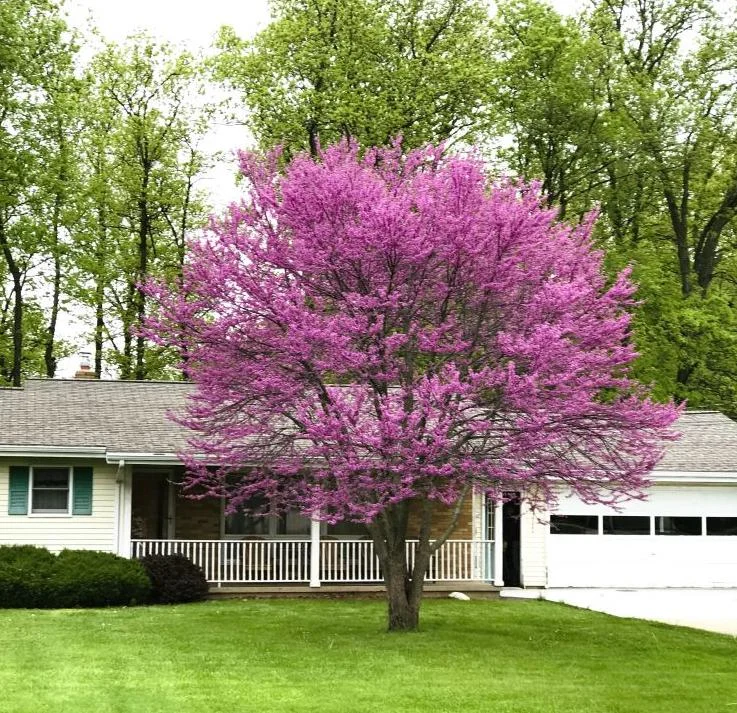
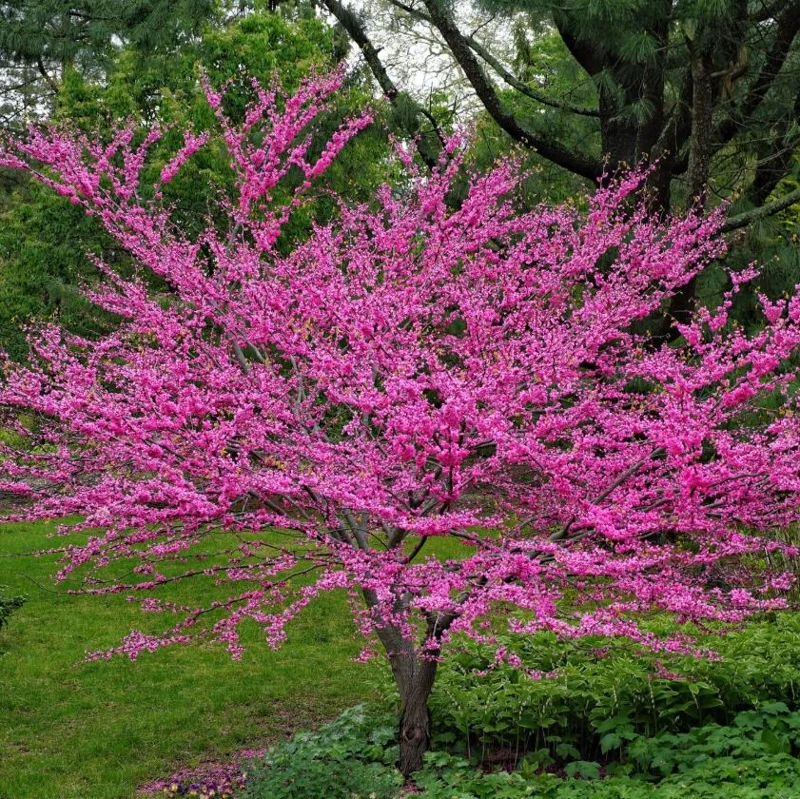
This offering is for a young eastern redbud live plant, shipped in a 1 quart nursery pot. At the time of shipping, the plant will be approximately 6-12 inches tall, featuring a well-established root system ready for planting. Eastern Redbuds are known for their moderate growth rate, typically reaching a mature height of 20-30 feet with a similar spread, forming a beautiful, rounded canopy. They are deciduous trees, meaning they will shed their leaves in the fall and enter dormancy for winter. Expect the first significant blooms to appear within a few years of planting, with the display becoming more impressive as the tree matures. This pink flowering ornamental tree is a long-lived species, providing decades of beauty and ecological benefit when given proper care.
Frequently Asked Questions
- Q: How big does this Eastern Redbud plant get? A: This eastern redbud live plant is a starter at 6-12 inches tall. At maturity, a cercis canadensis tree typically reaches a height of 20-30 feet with a similar spread, developing a lovely rounded canopy over many years.
- Q: Is this an indoor or outdoor plant? A: The Eastern Redbud is an outdoor ornamental tree. It requires exposure to seasonal changes and is hardy in USDA zones 4-9, making it unsuitable for indoor cultivation.
- Q: How much sunlight does it need? A: This pink flowering ornamental tree thrives in full sun to partial shade. For the most abundant blooms, aim for at least 6 hours of direct sunlight per day.
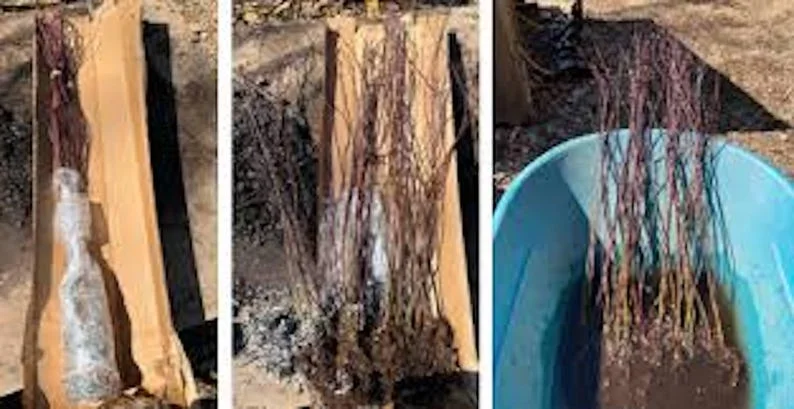
- Q: What condition will it arrive in? A: Your eastern redbud live plant will arrive as a healthy, rooted starter plant in a 1 quart pot, carefully packaged to ensure its safe journey and ready for planting.
- Q: Is this plant easy to care for? A: Yes, once established, the native redbud tree is relatively low-maintenance. It is drought-tolerant and disease-resistant, making redbud tree care straightforward for most gardeners.
- Q: How long until it blooms? A: While a young tree, your Eastern Redbud may produce its first blossoms within a few years of planting. The flowering display will become more robust and impressive as the tree matures.
- Q: Will it survive winter in my zone? A: The Eastern Redbud is hardy in USDA Zones 4–9. If you are within these zones, your tree should successfully overwinter and return in spring.
- Q: What type of soil does it prefer? A: It prefers well-drained, moderately fertile soil with a pH of 6.0–7.5. It is adaptable to various soil compositions, including clay, loam, or sand, as long as drainage is good.
- Q: Can I plant this tree in a container? A: While you can start it in a container, the Eastern Redbud is a large tree that will eventually need to be transplanted into the ground to reach its full potential and healthy maturity.
- Q: Does this tree attract pollinators? A: Absolutely! The early spring flowers of the eastern redbud live plant are a crucial early food source for bees and other native pollinators, making it an excellent choice for a pollinator garden.



Reviews
There are no reviews yet.