Overview
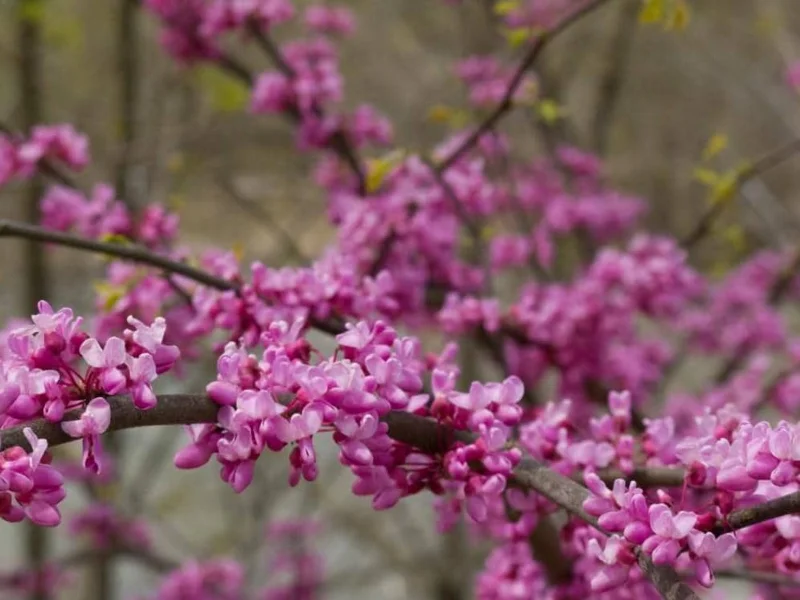
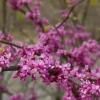
Transform your outdoor space with a beautiful Eastern Redbud live plant. This exquisite deciduous tree, scientifically known as Cercis canadensis, is celebrated for its breathtaking display of rosy-pink flowers that emerge in early spring, often before its heart-shaped leaves appear. A native to Eastern North America, the Eastern Redbud live plant is a favorite among gardeners and landscapers for its remarkable ornamental value and its ability to attract vital pollinators like bees. This starter plant, currently 6-12 inches tall and in a 1 quart pot, offers an excellent opportunity to establish a stunning focal point or an attractive addition to your garden, promising years of seasonal beauty and ecological benefit.
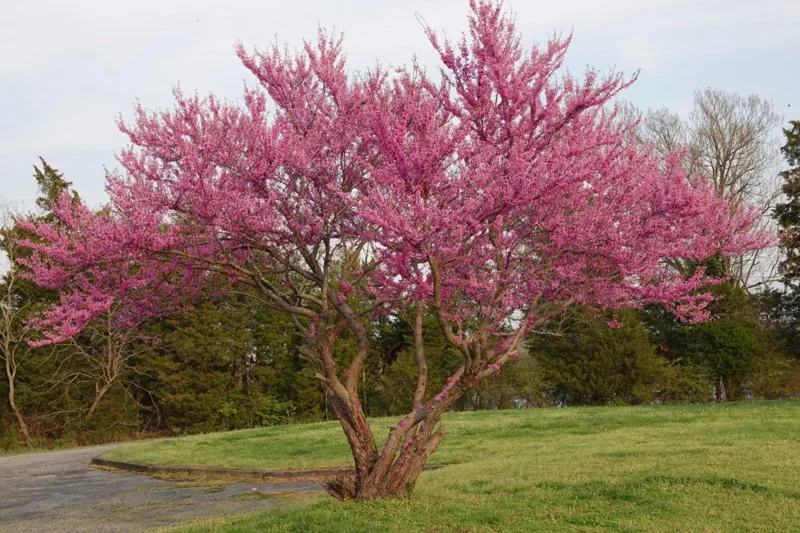
The Eastern Redbud live plant is a versatile and resilient choice, adapting well to various soil types and light conditions. Its moderate size makes it suitable for a range of garden designs, from spacious yards to more compact urban settings. As it matures, this tree develops a graceful, spreading canopy, providing dappled shade and visual interest throughout the growing season. Investing in a growing Redbud tree means bringing a piece of natural charm and springtime splendor to your home.
Key Benefits
The Eastern Redbud live plant offers a multitude of advantages for any garden or landscape, making it a highly desirable choice for both novice and experienced gardeners:
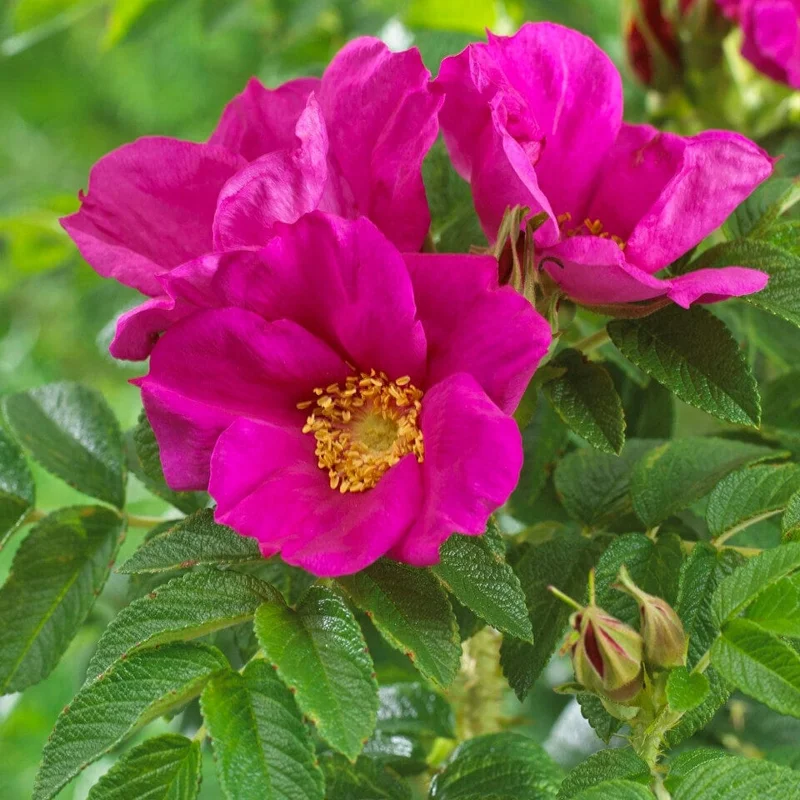
- Spectacular Spring Blooms: Enjoy a magnificent show of rosy-pink flowers directly on the branches in early spring, creating a vibrant focal point when other plants are still dormant. These blooms are truly a sight to behold and signify the arrival of warmer weather.
- Pollinator Attraction: The early spring flowers provide a crucial food source for bees and other pollinators, supporting local ecosystems and encouraging biodiversity in your garden. This makes it an excellent choice for a pollinator garden.
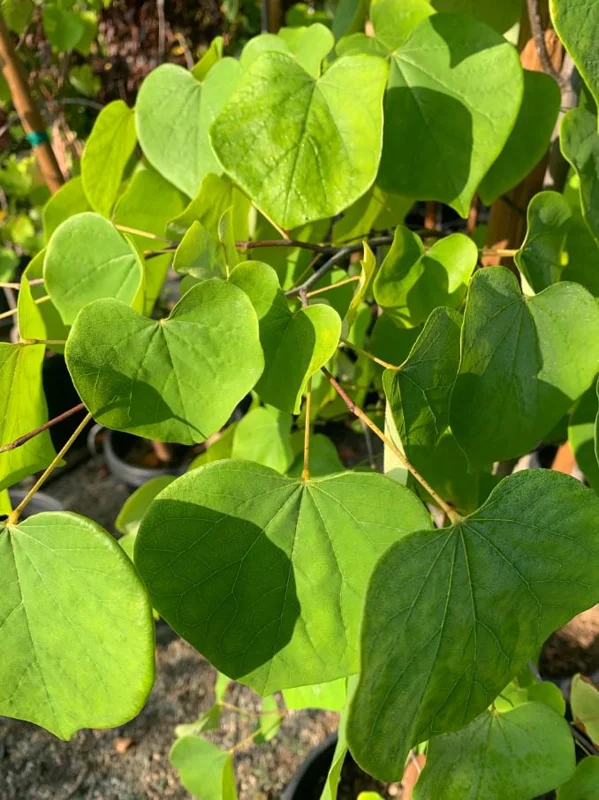
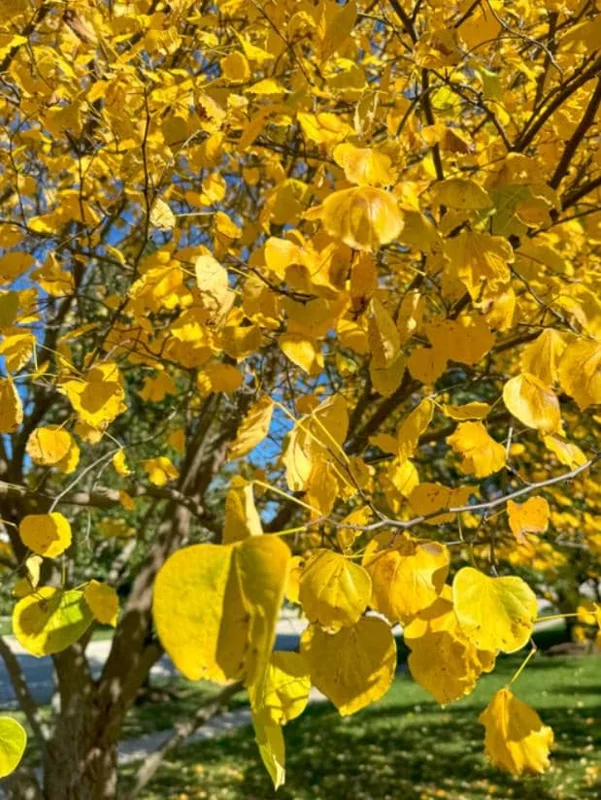
- Year-Round Beauty: Beyond its stunning spring flowers, the tree offers attractive heart-shaped leaves that turn yellow in the fall, followed by interesting seed pods that persist into winter, providing continuous visual interest.
- Adaptable & Hardy: The Cercis canadensis is known for its adaptability to a wide range of soil conditions and climates, thriving in USDA Zones 4-9. It is relatively low-maintenance once established, making Eastern Redbud care straightforward.
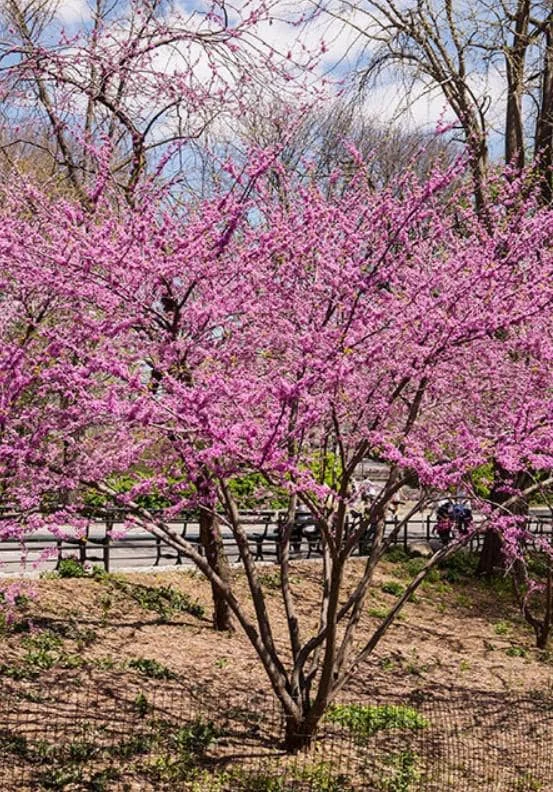
- Compact Ornamental Size: As a small to medium-sized deciduous tree, it fits well into various landscape designs, perfect for specimen planting, understory planting, or along property lines without overwhelming the space.
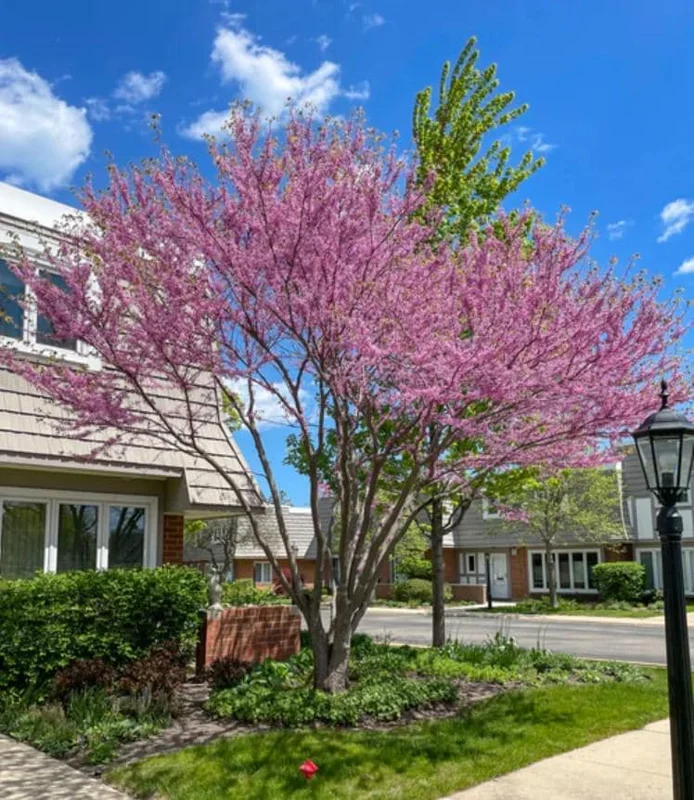
- Urban Garden Friendly: Its tolerance for diverse conditions makes it a great candidate for urban environments, adding natural beauty and ecological value to cityscapes.
- Drought Tolerance: Once established, the Eastern Redbud live plant exhibits good drought tolerance, reducing the need for frequent watering and making it a sustainable choice.
Plant Care & Growing Tips
Proper Eastern Redbud care is essential for its healthy growth and abundant flowering. This ornamental deciduous tree is relatively easy to maintain, especially when its basic needs are met. For optimal bloom production, plant your Eastern Redbud live plant in a location that receives full sun to partial shade. More sunlight generally translates to more prolific flowering. If planting in a hot climate, some afternoon shade can be beneficial to prevent leaf scorch. The tree thrives in well-drained, moderately fertile soil, and is quite adaptable to clay, loam, or sandy soils with a pH between 6.0–7.5.
Watering is crucial during the first growing season to help establish a strong root system. Water regularly, ensuring the soil remains consistently moist but not waterlogged. Once established, the growing Redbud tree becomes quite drought-tolerant, though supplemental watering during prolonged dry spells will be appreciated. The best time for planting is usually in early spring or fall when the tree is dormant. Space your trees 15–25 feet apart to allow for their mature canopy spread. Fertilization is typically not heavily required; a balanced, slow-release fertilizer in spring can promote vigorous growth, but avoid over-fertilizing. Pruning should be done in late winter or early spring to remove dead, damaged, or crossing branches, and to maintain a desirable shape. Being native to Eastern North America, the Cercis canadensis is well-suited to temperate regions.
Size & Details
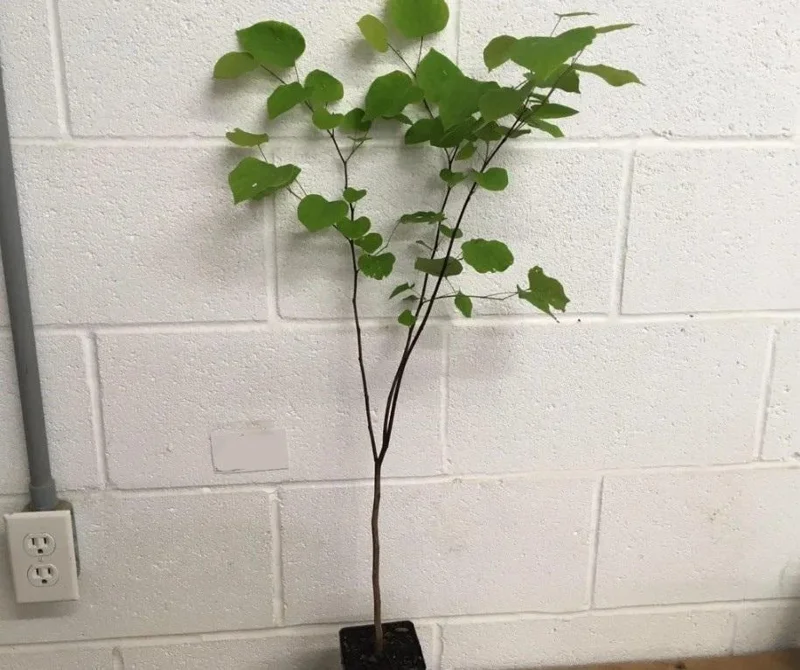
This offering is for a Eastern Redbud live plant that is currently 6-12 inches tall, provided in a 1 quart nursery pot. This size represents a vigorous starter plant, ready for transplanting into your garden or a larger container. The ornamental deciduous tree typically grows to a mature height of 20-30 feet with a similar spread, forming a beautiful, rounded or vase-shaped canopy. Its growth rate is moderate, meaning it will establish and grow at a steady pace, usually adding 12-24 inches of height per year. The plant will be shipped in its nursery pot with soil, ensuring minimal shock upon arrival and facilitating a smooth transition to its new home. Expect the first significant blooms a few years after planting, as the tree establishes itself, rewarding your patience with its stunning rosy-pink flowers.
Frequently Asked Questions
- Q: How big does this Eastern Redbud live plant get at maturity? A: The Eastern Redbud live plant typically grows to a mature height of 20-30 feet with a similar spread, developing a graceful, rounded canopy. Its moderate growth rate means it will reach its full size over several years.
- Q: What size pot does the plant come in? A: This Eastern Redbud live plant is supplied in a 1 quart nursery pot, and is approximately 6-12 inches tall, making it an ideal starter plant for your garden.
- Q: Is this an indoor or outdoor plant? A: The Cercis canadensis is an outdoor deciduous tree, best suited for planting directly in the ground in USDA Zones 4-9. It requires seasonal changes and cold dormancy to thrive.
- Q: How much sunlight does the growing Redbud tree need? A: For the best flowering performance, your Eastern Redbud live plant should receive full sun to partial shade. Full sun encourages more blooms, while partial shade can be beneficial in hotter climates.
- Q: Is this plant easy to care for? A: Yes, Eastern Redbud care is considered relatively easy. Once established, it is quite adaptable and drought-tolerant, making it a good choice for both beginner and experienced gardeners.
- Q: What condition will it arrive in? A: Your Eastern Redbud live plant will arrive carefully packaged in its 1 quart nursery pot with soil, ensuring it is healthy and ready for planting. We take great care to protect the plant during transit.
- Q: When is the best time to plant an ornamental deciduous tree like the Eastern Redbud? A: The ideal times for planting your Eastern Redbud live plant are in early spring or fall, when the tree is dormant. This allows the roots to establish before extreme summer heat or winter cold.
- Q: Will it survive winter in my zone? A: The Eastern Redbud live plant is hardy in USDA Zones 4-9, meaning it can withstand winter temperatures in these regions. If you are outside these zones, special winter protection may be necessary.
- Q: What type of soil does an Eastern Redbud prefer? A: This tree prefers well-drained, moderately fertile soil, but is adaptable to various soil types including clay, loam, or sandy soils, with a pH between 6.0–7.5.
- Q: How long until the Eastern Redbud blooms? A: While this is a starter plant, you can typically expect your Eastern Redbud live plant to begin producing its beautiful rosy-pink blooms within a few years after planting, once it has had time to establish its root system.



Reviews
There are no reviews yet.