Overview
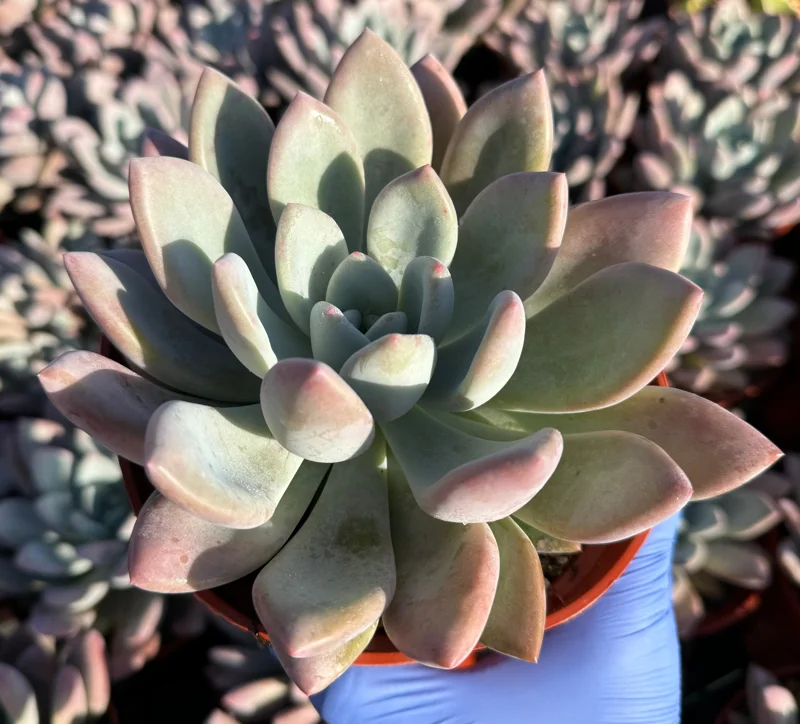
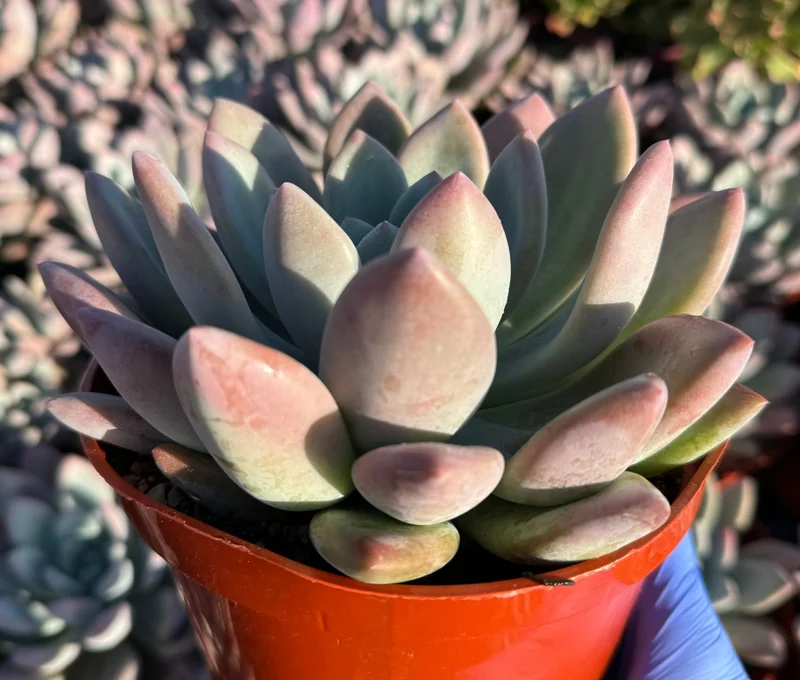
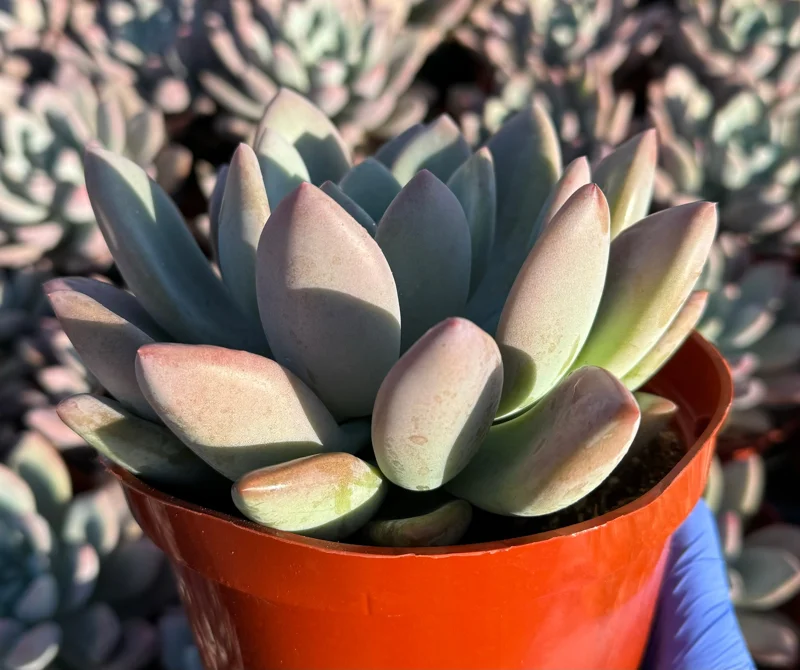
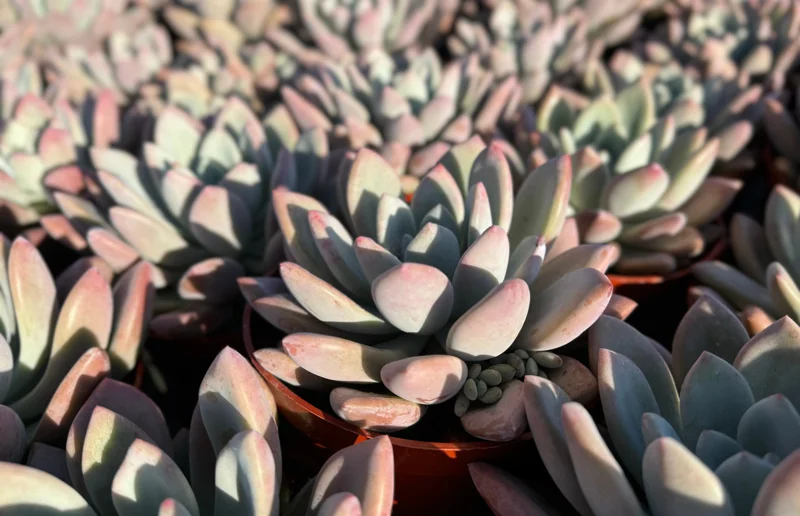
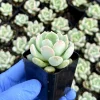
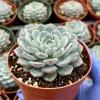
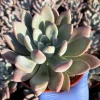
Introducing the captivating Echeveria Opalina live plant, a succulent masterpiece that embodies tranquility and elegance. This stunning cultivar, a hybrid of Echeveria colorata and Echeveria elegans, is renowned for its unique opalescent leaves and captivating hues. As a pink succulent, its soft blue-green or bluish-gray foliage often develops a subtle pinkish blush on the tips when exposed to ample sunlight, creating a truly mesmerizing display. The ‘Opalina’ is more than just a plant; it’s a living work of art, perfect for enhancing your indoor living space or adding a touch of serene beauty to your outdoor garden. Whether you’re a seasoned plant enthusiast or new to the world of succulents, the Echeveria Opalina live plant offers a rewarding and visually stunning experience, making it a highly desirable addition to any collection.
Key Benefits
The Echeveria Opalina live plant offers numerous advantages, making it a highly sought-after addition to any plant collection. Its unique aesthetic combined with its resilient nature provides both beauty and ease of care, making it an excellent choice for those seeking a low-maintenance succulent.
- Stunning Visual Appeal: The opalescent, spoon-shaped leaves with their powdery blue-green and potential pinkish blush make this succulent a true focal point. It adds a sophisticated and serene touch to any decor, creating a calming atmosphere in any room.
- Low-Maintenance Gem: This is an incredibly easy-to-care-for plant, ideal for busy individuals or those new to gardening. Its minimal watering and specific light requirements make it a forgiving companion, ensuring beauty with minimal effort. This truly is a low-maintenance succulent.
- Compact & Versatile Size: Forming a small, elegant rosette, the ‘Opalina’ is perfect for containers, terrariums, succulent arrangements, or as a charming centerpiece in a rock garden. Its size allows for diverse placement options, fitting beautifully on desks, windowsills, or shelves.
- Drought-Tolerant: Like most succulents, the Echeveria Opalina live plant is highly adaptable to dry conditions, requiring infrequent watering, which prevents common overwatering issues and makes it resilient in various environments.
- Air Purification: While not as pronounced as some larger houseplants, succulents like Echeveria contribute to improving indoor air quality by absorbing toxins and releasing oxygen, adding a subtle health benefit to your home.
- Easy Propagation: Spreading the beauty of ‘Opalina’ is simple. It readily propagates from offsets, leaf cuttings, or seeds, allowing you to easily expand your collection or share with friends and family.
- Year-Round Beauty: This succulent maintains its attractive foliage throughout the year, providing consistent color and form, especially when grown as an indoor Echeveria, ensuring continuous enjoyment.
Plant Care & Growing Tips
Caring for your Echeveria Opalina live plant is straightforward, ensuring it thrives with minimal effort. Understanding its basic needs for light, water, and soil will lead to a healthy and vibrant specimen. This low-maintenance succulent prefers conditions that mimic its natural arid environment. Following proper Echeveria Opalina care guidelines is key to its success.
Sunlight Requirements: The ‘Opalina’ absolutely adores bright light. For the best color development, including those beautiful pink tips, provide at least 6 hours of bright, indirect sunlight daily. If growing indoors, a south or west-facing window is ideal. Outdoors, choose a spot with morning sun and some afternoon shade to prevent scorching, especially in hot climates. Insufficient light can lead to etiolation (stretching), causing the plant to lose its compact form and vibrant coloration.
Watering Schedule: The most common mistake with succulents is overwatering. Allow the soil to dry out completely between waterings. When you do water, do so thoroughly until water drains from the bottom of the pot. In warmer months, this might be every 2-4 weeks, while in cooler, dormant periods, it could be once a month or even less. Always check the soil moisture with your finger before watering. The thick, fleshy leaves store water, making it highly drought-tolerant and forgiving of occasional neglect.
Soil Type and Drainage: Excellent drainage is paramount for the health of your pink succulent. Use a well-draining potting mix specifically formulated for succulents and cacti, or create your own by mixing regular potting soil with perlite, pumice, or coarse sand. A pot with drainage holes is essential to prevent root rot. Good airflow around the roots is also beneficial for optimal growth and health.
Temperature Range and USDA Hardiness Zone: Echeveria Opalina live plant thrives in average room temperatures between 65-80°F (18-27°C). It is not frost-tolerant and should be protected from temperatures below 20°F (-6°C). It is generally suited for USDA Hardiness Zones 9-11 if grown outdoors year-round. If you live in a colder zone, it’s best to grow it in a container and bring it indoors during winter, ensuring it avoids freezing temperatures.
Fertilization: Fertilize sparingly, if at all. A balanced, diluted liquid fertilizer (half-strength) can be applied once in spring or early summer during its active growing season. Avoid fertilizing during the dormant winter months. Over-fertilization can harm the plant, leading to fertilizer burn or unhealthy, leggy growth.
Common Problems: Watch out for signs of overwatering, such as mushy or yellowing leaves, which indicate root rot. Underwatering will cause the leaves to shrivel and wrinkle, but they will plump up again after a good soak. Pests like mealybugs can sometimes be an issue; treat with rubbing alcohol on a cotton swab or insecticidal soap. Providing proper care, as outlined for Echeveria Opalina care, will minimize most problems and keep your plant healthy.
Size & Details
The Echeveria Opalina live plant is typically sold as a young, actively growing specimen. While specific dimensions can vary, it generally forms a compact rosette, reaching a mature size of about 4-6 inches in diameter and 3-5 inches in height. This makes it an ideal choice for desk plants, windowsills, or small decorative arrangements. It is usually shipped as a rooted plant in a nursery pot, often a 2-4 inch container, ready for transplanting into your preferred decorative planter. The growth rate is moderate, allowing you to enjoy its development over time. Expect it to maintain its elegant, sculptural form, and with proper Echeveria Opalina care, it will continue to flourish and potentially produce offsets for propagation, further expanding your collection. This compact size makes it a versatile addition to any plant lover’s home.
Frequently Asked Questions
- Q: How big does the Echeveria Opalina get? A: The Echeveria Opalina live plant typically grows into a compact rosette, reaching about 4-6 inches in diameter and 3-5 inches tall at maturity. Its manageable size makes it perfect for various indoor and outdoor displays.
- Q: Is this an indoor or outdoor plant? A: The ‘Opalina’ can thrive both indoors and outdoors. It is an excellent indoor Echeveria when placed in a bright, sunny window, and it can also be grown outdoors in USDA Zones 9-11 or brought inside during colder months to protect it from frost.
- Q: How much sunlight does it need? A: This pink succulent requires at least 6 hours of bright, indirect sunlight daily to maintain its vibrant colors and compact form. Direct afternoon sun in hot climates should be avoided to prevent leaf burn and ensure healthy growth.
- Q: Is this plant easy to care for? A: Yes, the Echeveria Opalina live plant is considered a low-maintenance succulent, making it suitable for beginners and experienced plant enthusiasts alike. Its primary needs are bright light and infrequent watering, making Echeveria Opalina care quite simple.
- Q: What condition will it arrive in? A: Your ‘Opalina’ will arrive as a healthy, rooted plant in a nursery pot, carefully packaged to ensure its safe journey. It will be ready to be placed in its new home upon arrival, minimizing transplant shock.
- Q: How often should I water my Echeveria Opalina? A: Water only when the soil has completely dried out. This could be every 2-4 weeks during warmer periods and less frequently in winter. Always check the soil moisture with your finger before watering to prevent overwatering.
- Q: Can I propagate my Echeveria Opalina? A: Absolutely! This succulent is easy to propagate from offsets (chicks) that grow around the base of the mother plant, or from individual leaf cuttings, allowing you to create new plants easily.
- Q: Why are the tips of my Echeveria Opalina turning pink? A: The beautiful pink blush on the leaf tips is a natural stress response to ample sunlight exposure, particularly when the plant receives bright, indirect light. It’s a sign of a happy, well-lit ‘Opalina’ that is receiving ideal conditions.
- Q: What kind of soil is best for Echeveria Opalina care? A: A well-draining cactus or succulent potting mix is ideal. Good drainage is crucial to prevent root rot, which is the most common issue for succulents. You can also mix perlite or pumice into regular potting soil for improved drainage.
- Q: Is Echeveria Opalina pet-safe? A: Echeverias are generally considered non-toxic to cats and dogs, making them a safe choice for pet owners. However, it’s always best to prevent pets from munching on plants to avoid any potential mild stomach upset.




Reviews
There are no reviews yet.