Overview
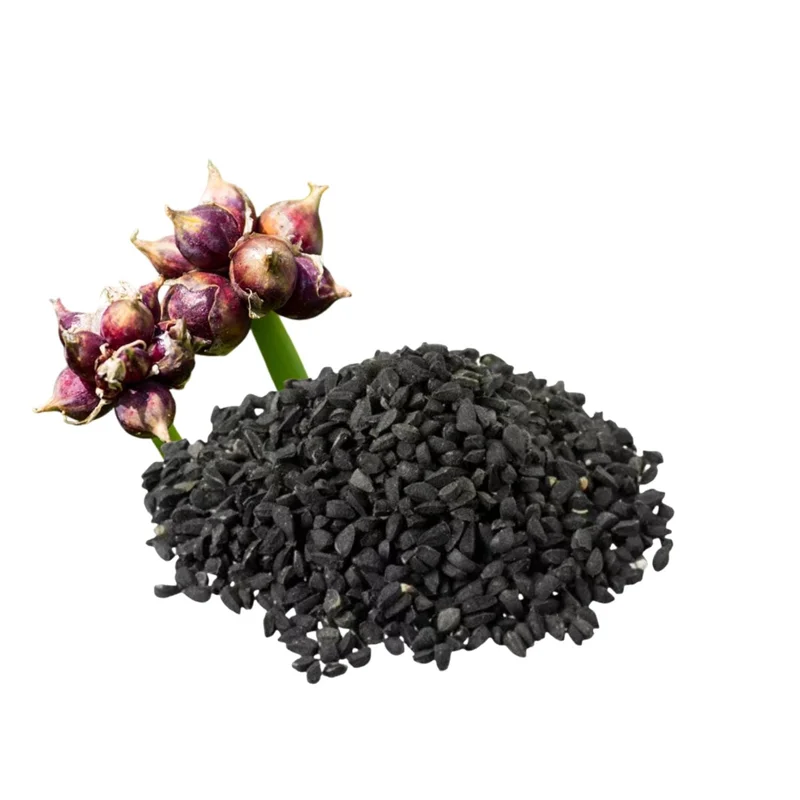
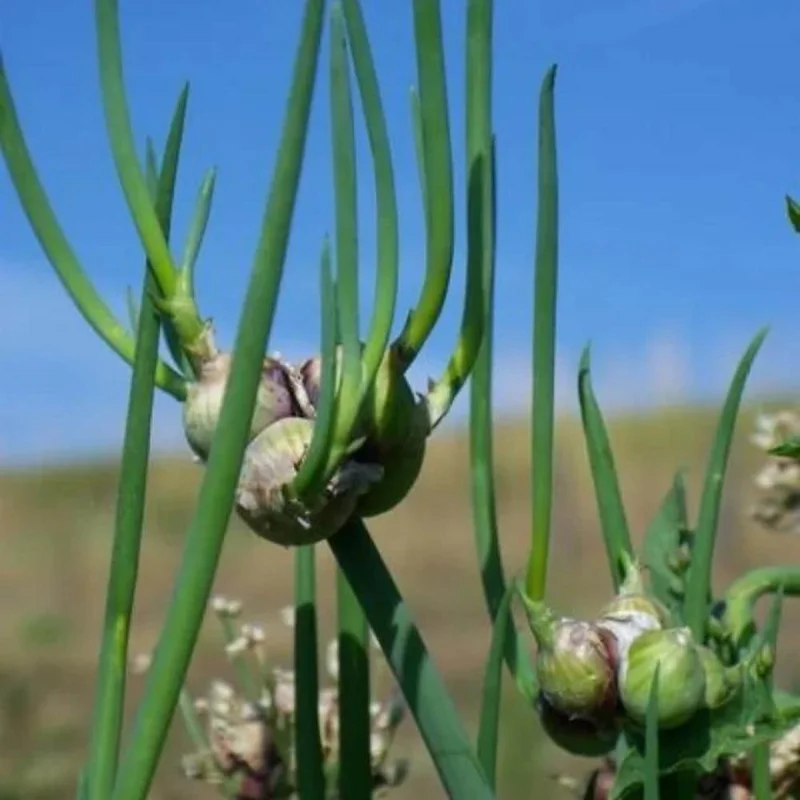
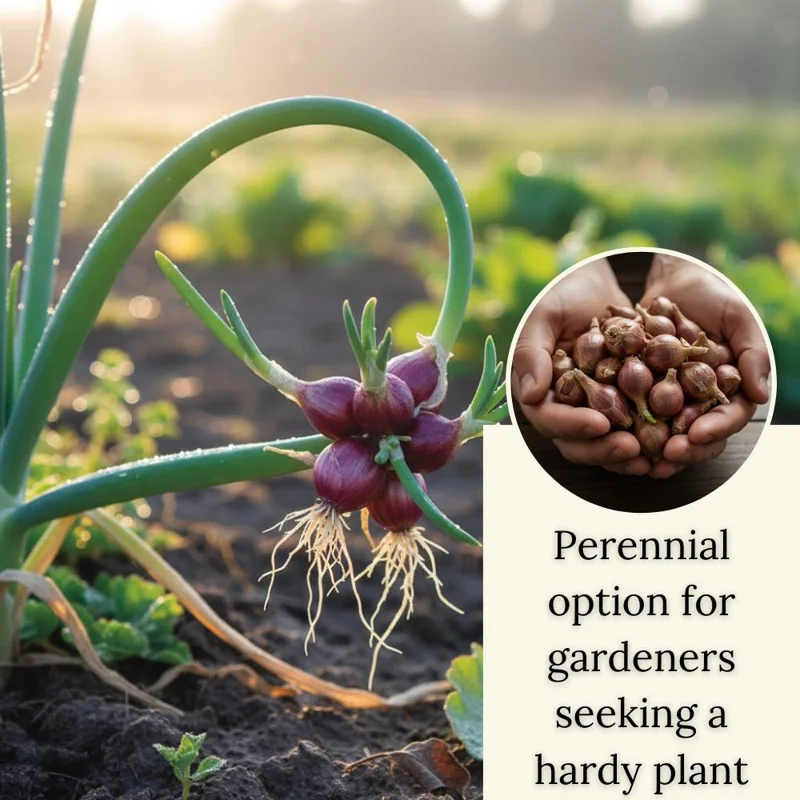
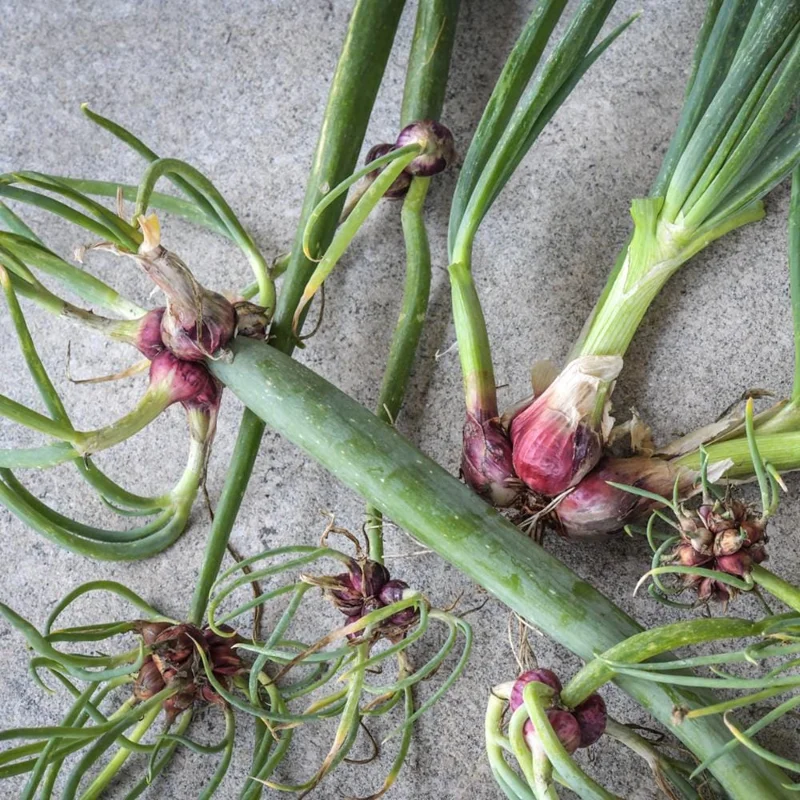
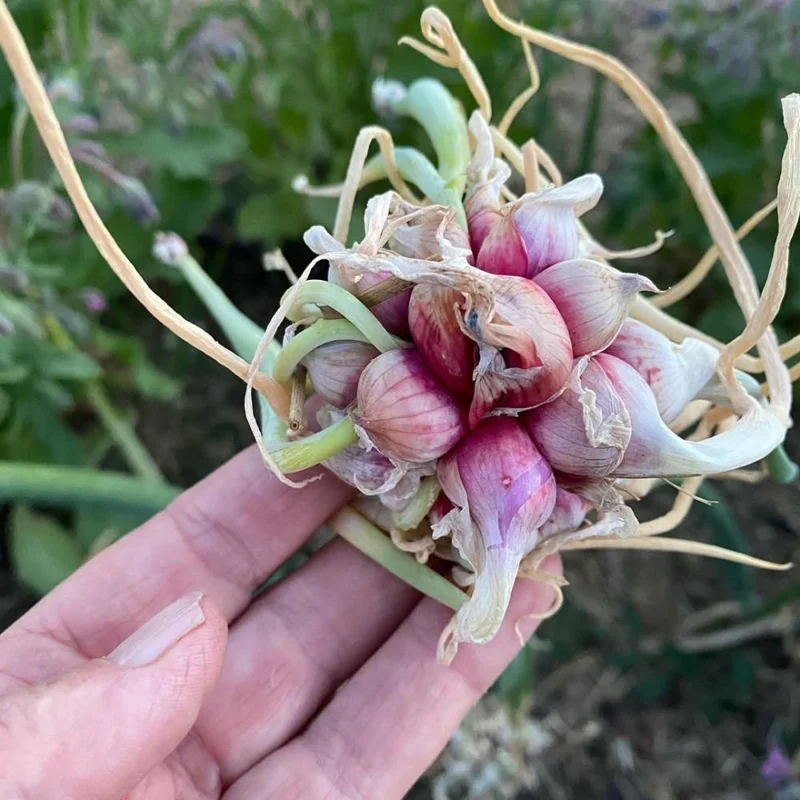
Embark on a rewarding gardening journey with these high-quality Egyptian Walking Onion Seeds. Known for their unique growth habit and robust flavor, Egyptian Walking Onions are a fascinating addition to any garden. These perennial plants are celebrated for their ability to naturally propagate, forming new bulbils at the top of their stalks that eventually bend over and root, creating a ‘walking’ effect across your garden bed. This pack contains 10 premium seeds, carefully selected to ensure vigorous growth and a healthy harvest. Ideal for both novice and experienced gardeners, these seeds promise a continuous supply of fresh, mild onion flavor with minimal effort.
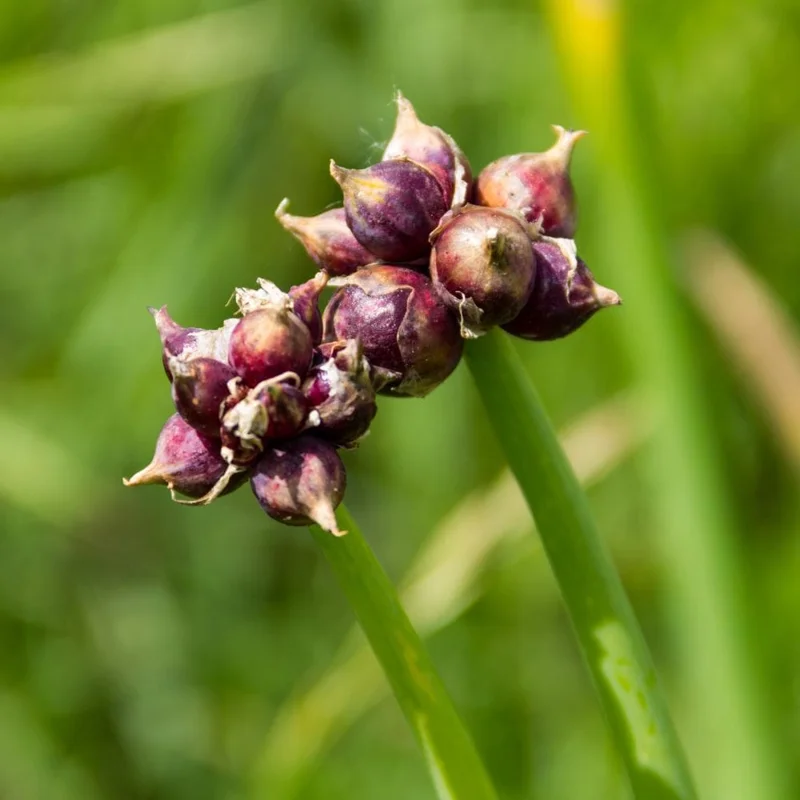
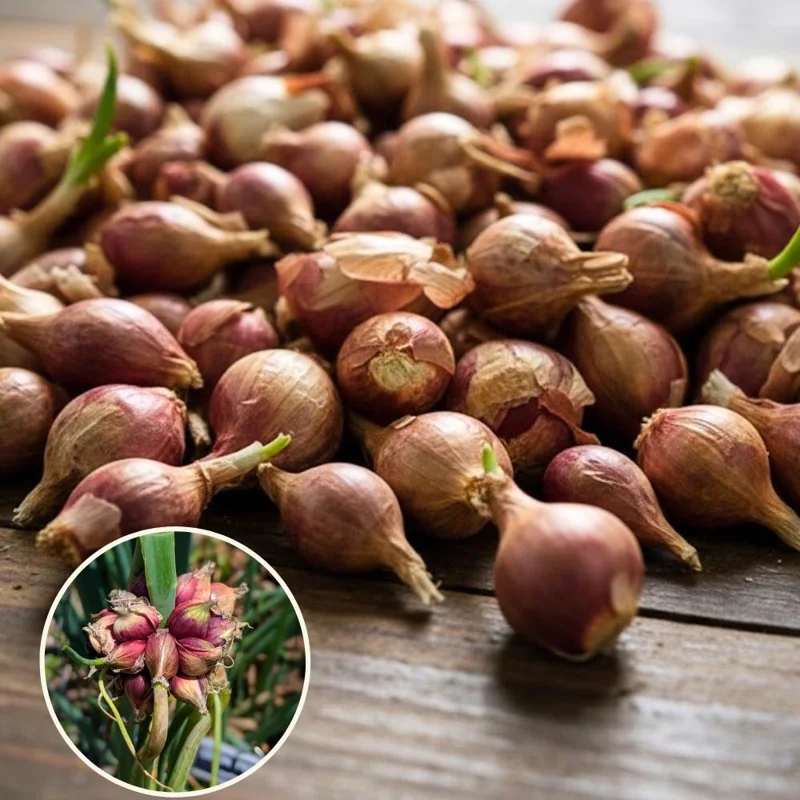
Also known as ‘tree onions’ or ‘top-setting onions’, Allium × proliferum is a hybrid onion variety that offers both green tops and small, pungent bulbils. Unlike traditional onions that require replanting each season, these perennial onion seeds establish themselves quickly and return year after year, providing an early spring harvest. Their resilience and self-sufficient nature make them a sustainable choice for edible landscaping and permaculture designs.
Key Benefits
Investing in Egyptian Walking Onion Seeds brings a multitude of advantages to your garden and kitchen. These versatile plants are not only easy to grow but also provide a continuous supply of fresh produce.
- Self-Propagating & Perennial: Enjoy a continuous harvest year after year without the need for replanting. The unique top-setting bulbils root themselves, ensuring your patch expands naturally, making these truly perennial onion seeds.
- Low-Maintenance Gardening: Once established, these onions require minimal care, thriving in a variety of conditions. They are an excellent choice for gardeners seeking productive plants that don’t demand constant attention.
- Versatile Culinary Use: Both the green stalks and the small bulbils offer a delicious, mild onion flavor. Use them fresh in salads, stir-fries, soups, or as a garnish, adding a fresh, zesty kick to your dishes.
- Hardy & Resilient: Egyptian Walking Onions are incredibly tough, tolerating a wide range of climates and soil types. They are cold-hardy and resistant to many common pests and diseases, ensuring a reliable crop.
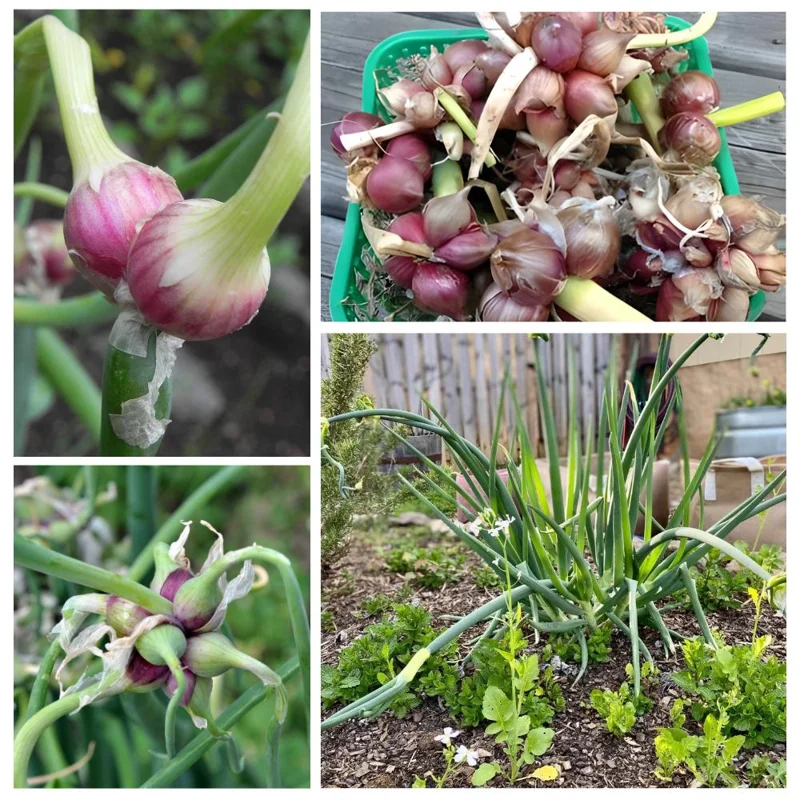
- Unique Garden Appeal: Their distinctive growth habit, with bulbils forming atop tall stalks, adds an interesting visual element to your edible garden. They are a conversation starter and a testament to nature’s ingenuity.
- Early Spring Harvest: These onions are among the first plants to emerge in spring, providing fresh greens when other garden produce is still weeks away.
- Space-Efficient: Grow them in containers, raised beds, or traditional garden plots. Their upright growth habit makes them suitable for various garden sizes.
Plant Care & Growing Tips
Growing Egyptian Walking Onion Seeds is a straightforward and rewarding experience. These hardy plants are known for their resilience and adaptability, making them suitable for gardeners of all skill levels. To get the best results, start your seeds indoors 8-10 weeks before the last frost date or direct sow outdoors in early spring or late summer.
For sunlight, Egyptian Walking Onions thrive in full sun, meaning at least 6-8 hours of direct sunlight per day. While they can tolerate partial shade, their growth and bulbil production will be more robust with ample light. When it comes to watering, maintain consistent moisture, especially during dry spells. However, ensure the soil is well-draining to prevent waterlogging, which can lead to rot. Once established, they are somewhat drought-tolerant but will perform best with regular watering. A good rule of thumb is to water deeply when the top inch of soil feels dry to the touch. These plants are incredibly hardy and can withstand temperatures down to USDA Zone 3. They are truly a marvel for those wondering how to grow walking onions with minimal fuss.
The ideal soil for Egyptian Walking Onions is fertile, well-draining loam with a pH between 6.0 and 7.0. Amend heavy clay soils with compost or other organic matter to improve drainage and fertility. Light, sandy soils will also benefit from organic amendments to help retain moisture and nutrients. Fertilize lightly in early spring with a balanced organic fertilizer to encourage lush green growth. Pests are rarely a major issue, but keep an eye out for onion thrips or slugs. Good air circulation and proper spacing can help deter most problems. These low maintenance onion plants are a testament to nature’s efficiency, providing food with little intervention.
Size & Details
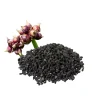
This product includes 10 high-quality Egyptian Walking Onion Seeds, ready for planting. Each seed has the potential to grow into a robust perennial onion plant, typically reaching heights of 18 to 36 inches, though some may grow taller under optimal conditions. The distinctive top-set bulbils, which are the plant’s method of propagation, usually form in late spring to early summer. These bulbils can be harvested and eaten, or left on the plant to ‘walk’ and establish new plants.
Expect a moderate growth rate, with green shoots appearing within a few weeks of germination. The plants will establish themselves in the first growing season, and you can begin harvesting the green tops the following spring. Full bulbil production typically occurs in the second year and beyond. These seeds are suitable for planting in USDA Hardiness Zones 3-10, showcasing their broad adaptability to various climates. They are shipped as bare seeds in a protective packet, ensuring their viability upon arrival.
Frequently Asked Questions
- Q: How big do these Egyptian Walking Onion plants get? A: Egyptian Walking Onion Seeds grow into plants that typically reach heights of 18 to 36 inches (45-90 cm) tall, with some varieties potentially growing even taller. The green stalks provide a continuous harvest, and the bulbils form at the top.
- Q: Are these an indoor or outdoor plant? A: Egyptian Walking Onions are primarily grown outdoors. They are very cold-hardy and thrive in garden beds, raised beds, or large containers where their ‘walking’ habit can be accommodated. They are not typically grown as indoor houseplants.
- Q: How much sunlight do Egyptian Walking Onions need? A: These plants prefer and perform best in full sun, requiring at least 6-8 hours of direct sunlight daily. While they can tolerate some partial shade, ample sunlight promotes stronger growth and better bulbil production from your perennial onion seeds.
- Q: Are these plants easy to care for? A: Yes, Egyptian Walking Onions are renowned for being very low-maintenance. Once established, they are quite self-sufficient, requiring minimal watering and fertilization. This makes them excellent for beginner gardeners or anyone looking for low maintenance onion plants.
- Q: What condition will the seeds arrive in? A: The product consists of 10 high-quality walking onion seeds, shipped dry in a protective packet to ensure their viability and safe arrival. You will need to start them according to the provided care instructions.
- Q: When is the best time to plant Egyptian Walking Onion Seeds? A: You can sow Egyptian Walking Onion Seeds in early spring after the last frost, or in late summer to early fall. Starting them indoors 8-10 weeks before the last frost can give them a head start for an earlier spring harvest.
- Q: Will these plants survive winter in my zone? A: Egyptian Walking Onions are extremely hardy and can survive winters in USDA Zones 3-10. They are very cold-tolerant and will typically go dormant in harsh winters, only to re-emerge vigorously in the spring.
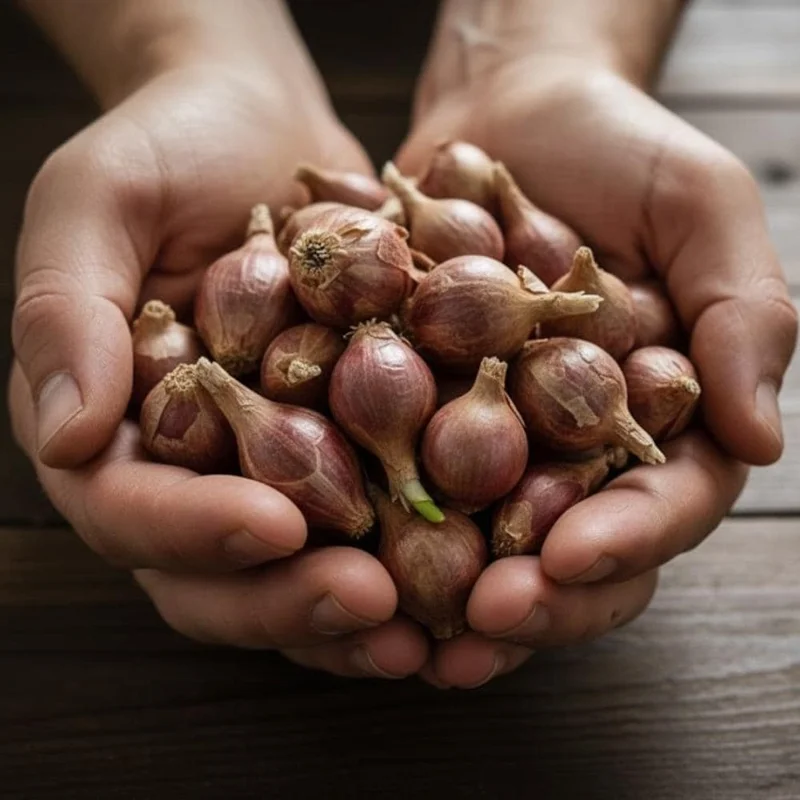
- Q: Can I eat the bulbils that form on the top of the stalks? A: Absolutely! The small bulbils that form at the top of the stalks are edible and have a strong, pungent onion flavor. They can be used in cooking, pickled, or replanted to grow new onions.
- Q: How long does it take for the seeds to germinate? A: Typically, Egyptian Walking Onion Seeds will germinate within 7-14 days under optimal conditions. Consistent moisture and appropriate soil temperature are key for successful germination.
- Q: Do I need to prune or divide Egyptian Walking Onions? A: While not strictly necessary, you can prune the green tops for harvest. Dividing clumps every few years can help manage their spread and invigorate the plants, especially if you have a lot of new plants from how to grow walking onions.






Reviews
There are no reviews yet.