Overview
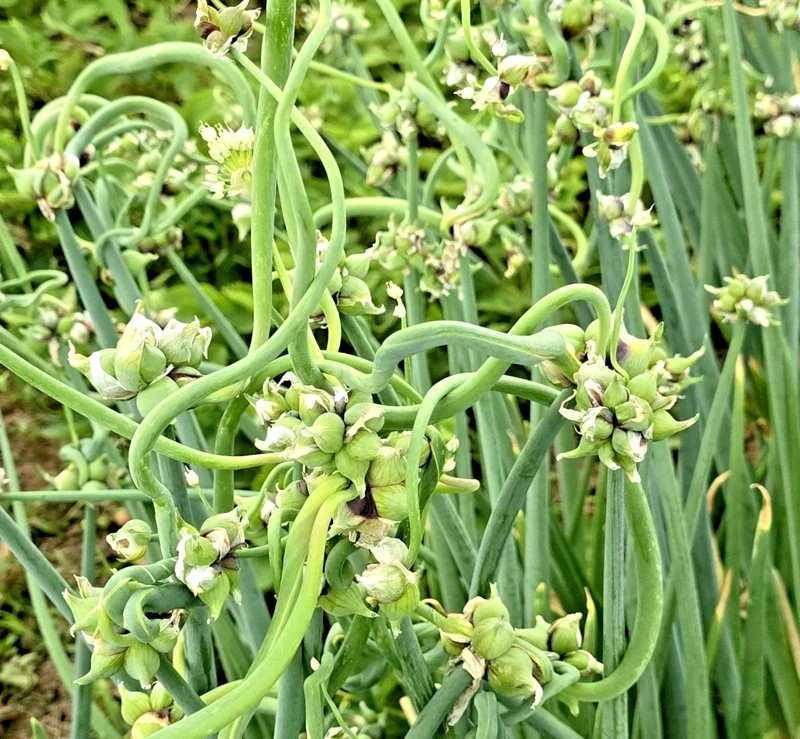
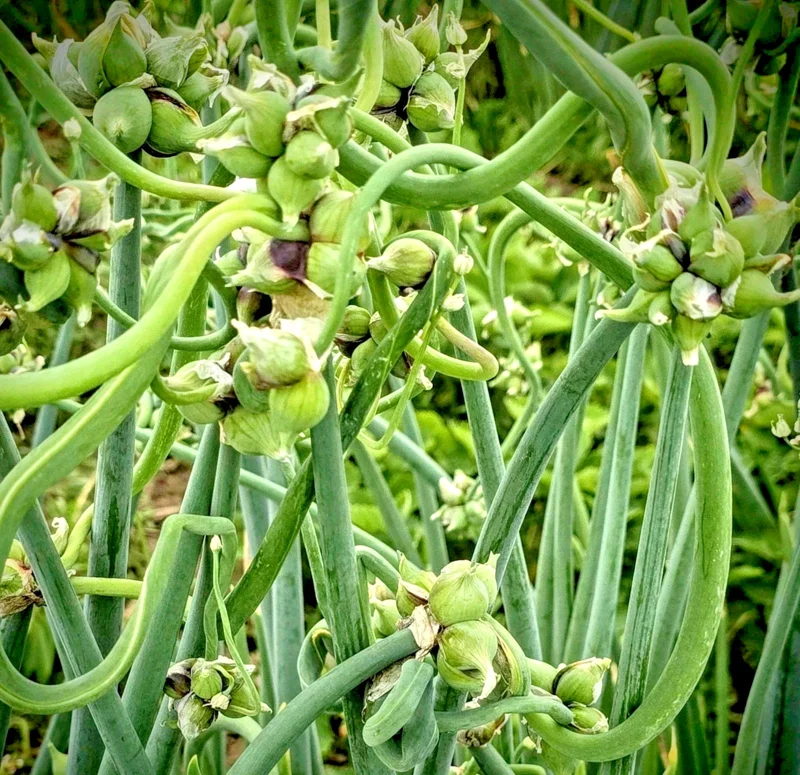
Embark on a unique gardening journey with Egyptian Walking Onion seeds. These fascinating plants, also known as multiplier onions or ‘tree onions,’ are a must-have for any gardener looking for a low-maintenance, continuous harvest. Unlike traditional onions, these perennials produce small bulbils at the top of their stalks, which eventually weigh down the stem to touch the ground and root, effectively ‘walking’ across your garden over time. This natural propagation method makes them an incredibly self-sufficient and rewarding crop. The greens, bulbs, and aerial bulbils are all edible, offering a versatile culinary addition to your kitchen. Growing Egyptian Walking Onion seeds is a simple and enjoyable process, perfect for both novice and experienced gardeners seeking a unique and productive plant.
Key Benefits
Integrating Egyptian Walking Onion seeds into your garden offers numerous advantages:
- Continuous Harvest: Enjoy fresh onion greens throughout the growing season, with new bulbs forming both underground and as aerial bulbils. This ensures a steady supply for your culinary needs.
- Unique Growth Habit: Witness the captivating ‘walking’ phenomenon as the plant’s top sets bend and root, leading to natural expansion and propagation without much effort from the gardener. This makes them a truly distinctive addition to any landscape.
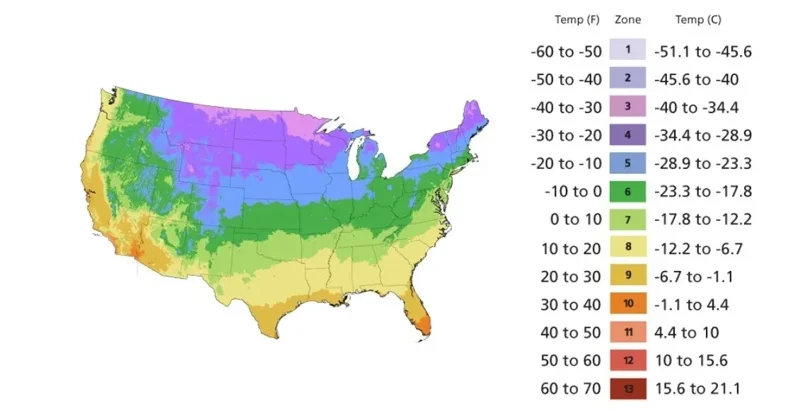
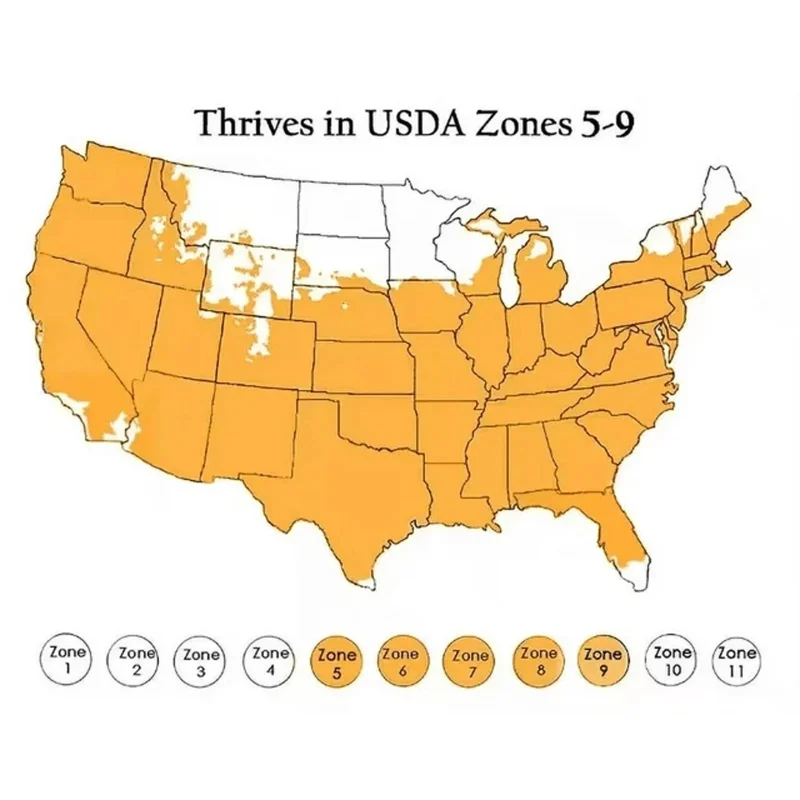
- Hardy Perennial: These onions are incredibly resilient, thriving in a wide range of climates (USDA Zones 2-9) and returning year after year. They are cold resistant and can withstand harsh winters, making them a reliable garden staple.
- Versatile Culinary Use: All parts of the multiplier onions are edible – the green tops can be used like scallions, the underground bulbs for cooking, and the aerial bulbils (also known as tree onions) can be pickled, stir-fried, or replanted.
- Easy to Grow: With a ‘very easy’ cultivating difficulty, these Egyptian Walking Onion seeds are ideal for beginners. They require minimal intervention once established, making them a low-stress option for your vegetable patch.
- Space Efficient: Their clumping growth habit and self-propagating nature mean you can get a significant yield from a relatively small area, making them perfect for compact gardens or raised beds.
- Edible & Ornamental: Beyond their culinary value, the unique structure of these perennial onions adds an interesting visual element to your garden, combining functionality with aesthetic appeal.
Plant Care & Growing Tips
Growing Egyptian Walking Onion seeds is remarkably straightforward, making them an excellent choice for gardeners of all skill levels. For optimal growth, plant your walking onion sets in a location that receives full sun to medium sun, ideally 6+ hours of direct sunlight per day. While they can tolerate some shade, more sun encourages stronger growth and better bulb production. These onions are not particular about soil type and can thrive in most any well-draining soil, including chalk, clay, loam, peat, saline, sand, or silt. A neutral soil pH is preferred for the best results. Ensure the soil is well-draining to prevent root rot, as consistent moisture is important but standing water should be avoided. Water regularly to keep the soil consistently moist, especially during dry spells, but avoid overwatering. Fertilization can be done with a balanced, all-purpose fertilizer in early spring and again in mid-summer to support vigorous growth. These multiplier onions are cold hardy and can endure harsh winters, making them suitable for USDA Zones 2-9. They are generally resistant to most pests and diseases, but good air circulation can help prevent fungal issues. If you notice any yellowing leaves, it may indicate a need for more nutrients or water. The unique feature of these perennial onions is their self-propagation; the top sets will eventually fall over and root, creating new plants. You can also harvest these bulbils for replanting or culinary use.
Size & Details
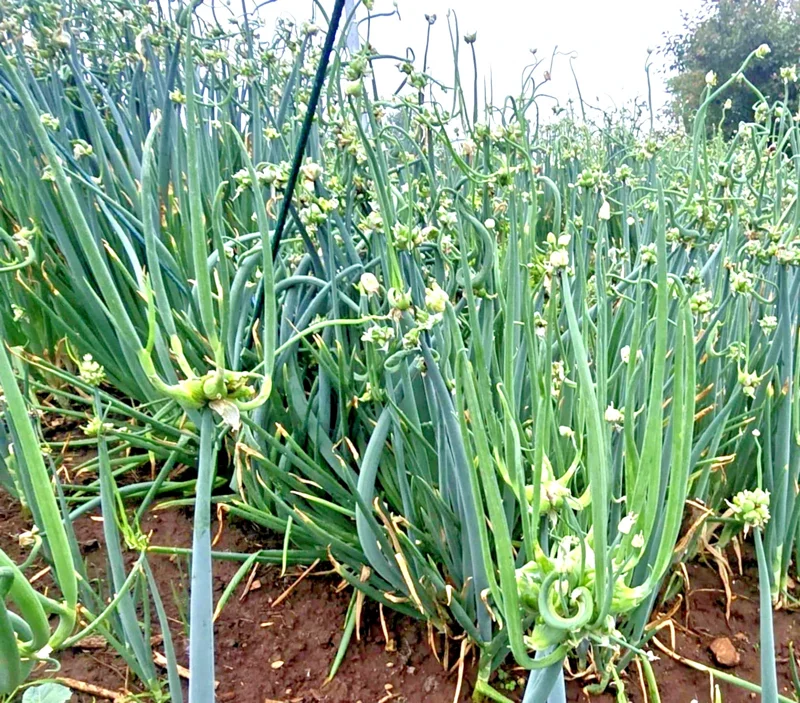
This offering provides Egyptian Walking Onion seeds, ready for planting to establish your own perennial patch. Once mature, these plants typically grow to a height of 18-36 inches (45-90 cm), with a clumping growth habit that expands over time as new plants form from the ‘walking’ bulbils. The growth rate is fast, allowing for quick establishment and early harvests. You can expect to harvest green tops within a few weeks of planting, and the underground bulbs and aerial bulbils will develop throughout the growing season. These tree onions are shipped as seeds, providing you with the opportunity to cultivate a robust and self-sustaining onion patch. They are designed for both indoor and outdoor cultivation, offering flexibility for various gardening setups. The seeds will produce plants that are cold resistant and multiply each year, ensuring a lasting supply of fresh onions.
Frequently Asked Questions
- Q: How big do Egyptian Walking Onion seeds plants get? A: Mature Egyptian Walking Onion plants typically reach a height of 18-36 inches (45-90 cm). Their clumping growth habit means they will spread over time as new plants form from the bulbils.
- Q: Are these plants suitable for indoor or outdoor growing? A: These perennial onions are versatile and can be grown both indoors and outdoors. For best results and natural propagation, outdoor planting in a garden bed is often preferred.
- Q: How much sunlight do multiplier onions need? A: They thrive in full sun to medium sun, requiring at least 6 hours of direct sunlight per day for vigorous growth and optimal bulb production.
- Q: Is this plant easy to care for? A: Yes, Egyptian Walking Onions are known for their ‘very easy’ cultivating difficulty. They are low-maintenance and self-propagating, making them ideal for gardeners of all experience levels.
- Q: What condition will the walking onion sets arrive in? A: This listing is for seeds, so you will receive a packet of high-quality Egyptian Walking Onion seeds ready for planting. They are carefully packaged to ensure freshness and viability upon arrival.
- Q: When is the best time to plant these seeds? A: While they are adaptable, planting in early spring or fall is generally recommended. They are cold hardy and can withstand various climates, allowing for flexibility in planting times.
- Q: Can I use all parts of the tree onions in cooking? A: Absolutely! The green tops can be used like scallions, the underground bulbs are excellent for cooking, and the aerial bulbils (the ‘tree onions’) can be eaten fresh, pickled, or used in stir-fries.
- Q: Will these perennial onions survive winter in my zone? A: Yes, they are extremely cold hardy and suitable for USDA Zones 2-9, meaning they can withstand harsh winters and return year after year in most regions of the United States.
- Q: What type of soil is best for growing Egyptian Walking Onion seeds? A: They are quite adaptable and grow well in most well-draining soil types, including loam, clay, sand, or silt, with a neutral soil pH. Good drainage is key to prevent root issues.
- Q: How long until I can harvest from the seeds? A: You can typically begin harvesting fresh green tops within a few weeks of germination. The underground bulbs and aerial bulbils will develop throughout the growing season, offering a continuous supply.









Reviews
There are no reviews yet.