Overview
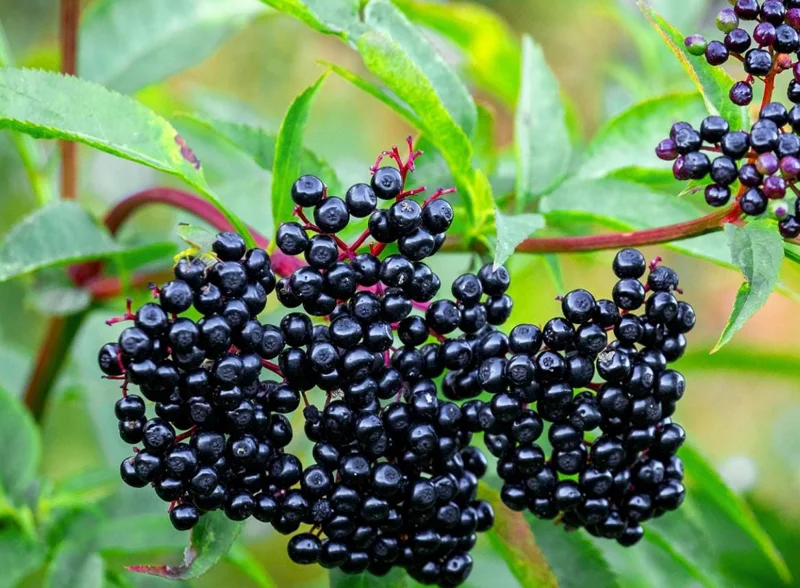
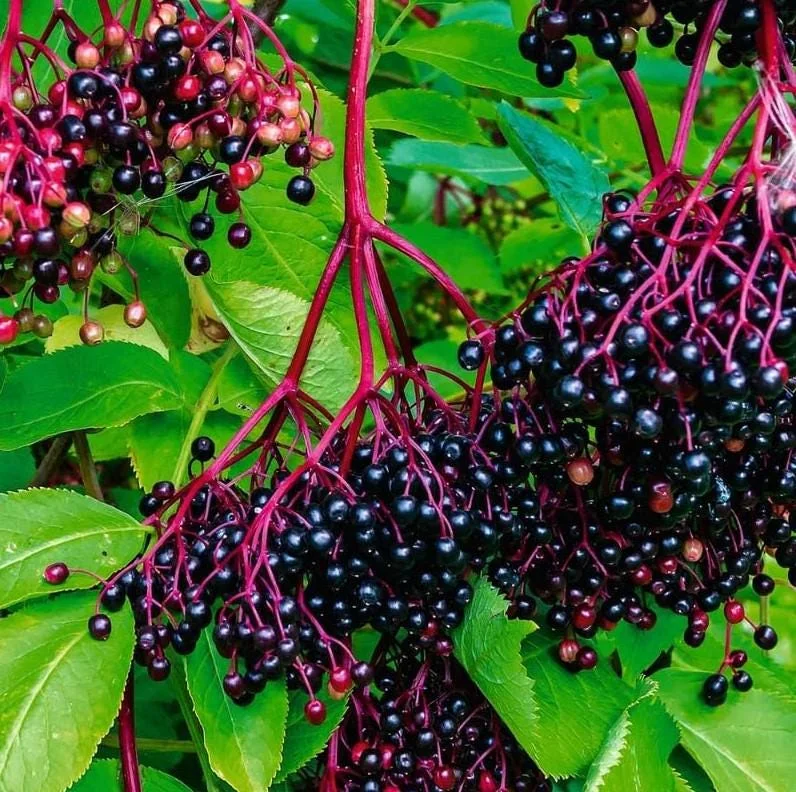
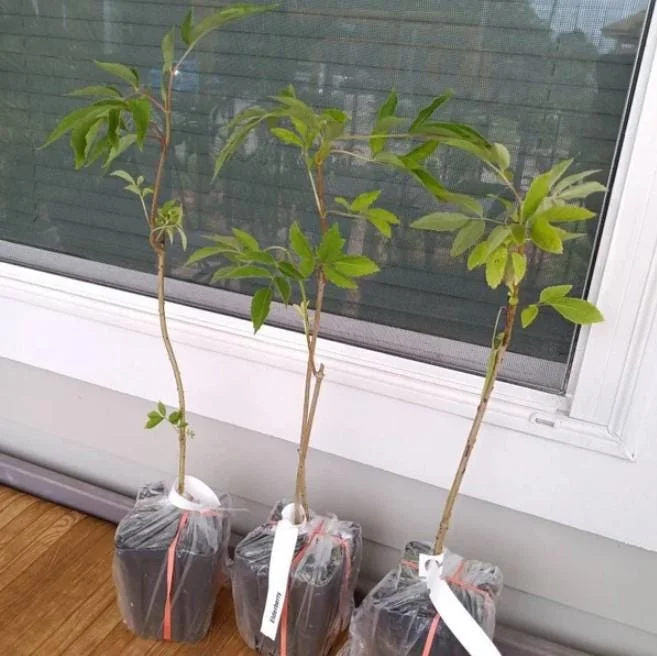
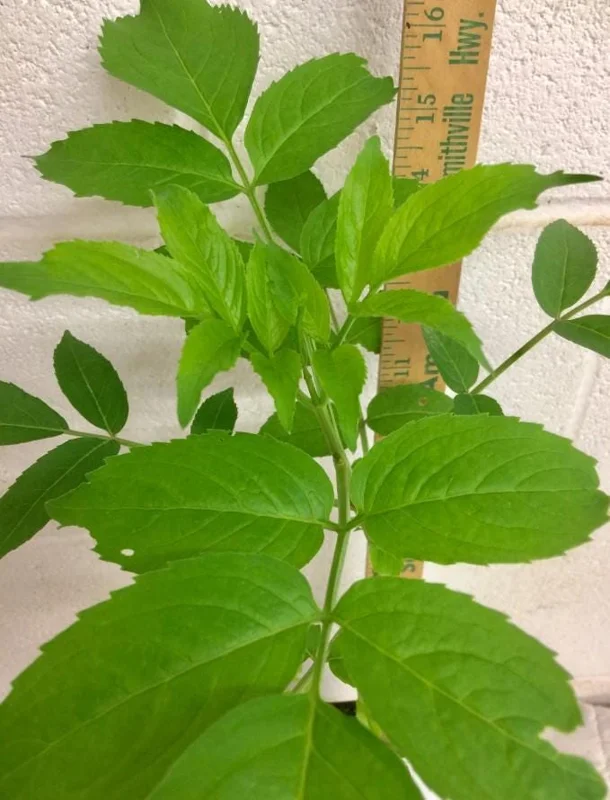
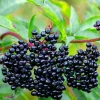
Bring the beauty and bounty of nature to your garden with this vibrant elderberry live plant. Standing at a healthy 12 inches tall and housed in a 1-quart pot, this Sambucus Canadensis, commonly known as the American Black Elderberry, is ready to thrive in your outdoor landscape. Elderberry plants are cherished not only for their attractive foliage and clusters of white flowers but also for their small, dark purple berries. These berries are a powerhouse of antioxidants, vitamin C, and immune-boosting properties, making them a popular choice for homemade syrups, teas, and jams. This robust elderberry live plant offers a rewarding growing experience for both novice and experienced gardeners, providing both ornamental value and a delicious harvest.
The elderberry live plant is a resilient shrub that adapts well to various climates, making it a fantastic addition to many American gardens. Known for its vigorous growth and prolific fruiting, it transforms from a delicate young plant into a productive bush. Cultivating your own elderberries ensures a fresh supply of these nutritious berries, allowing you to create wholesome, natural remedies and culinary delights right from your backyard. Embrace sustainable living and enhance your garden with this versatile and beneficial elderberry live plant.
Key Benefits
Adding an elderberry live plant to your garden provides numerous advantages beyond just its visual appeal:
- Nutrient-Rich Berries: The berries produced by the elderberry live plant are packed with antioxidants, vitamin C, and other beneficial compounds known to support overall health and wellness. They are a fantastic natural source for immune system support.
- Versatile Culinary Uses: Harvest the dark purple berries to make delicious and healthy syrups, jellies, pies, teas, and even wine. The culinary possibilities are extensive once you have a thriving elderberry live plant.
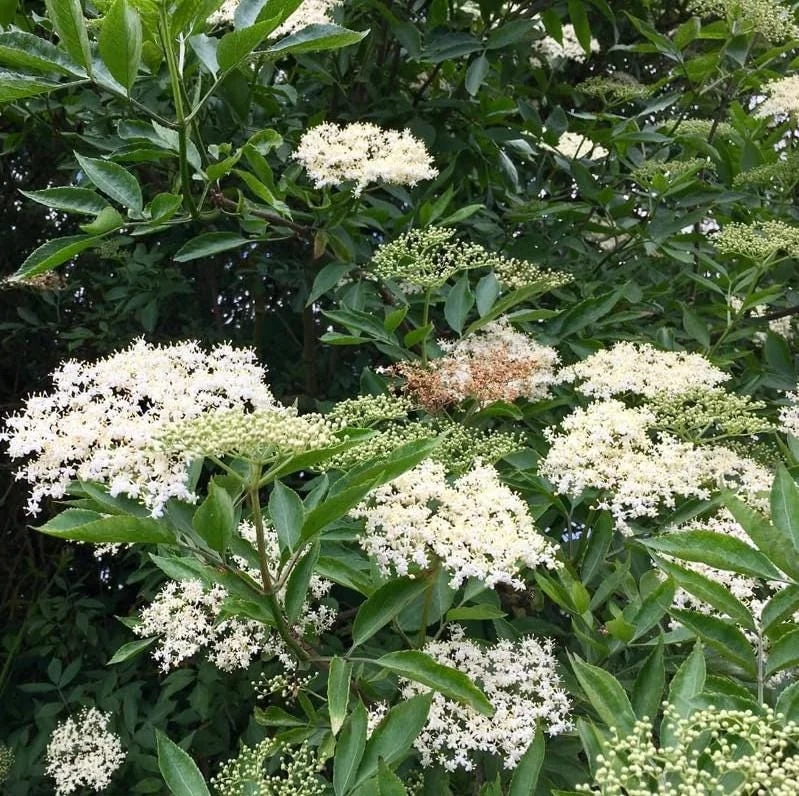
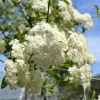
- Attractive Landscape Addition: With its lush green foliage, clusters of fragrant white flowers in spring, and dark berries in summer, the American Black Elderberry adds significant aesthetic value to any garden or yard.
- Wildlife Attractor: The berries are a favorite food source for many bird species, and the flowers attract pollinators, contributing to a healthy local ecosystem.
- Hardy and Adaptable: This particular variety, Sambucus Canadensis, is known for its hardiness and ability to thrive in a wide range of USDA zones, tolerating various soil conditions better than many other fruit-bearing plants.
- Low Maintenance: Once established, these shrubs require minimal care, making them an excellent choice for gardeners seeking productive plants without excessive effort.
- Support for a Healthy Lifestyle: Growing your own elderberries allows you to control the quality and freshness of a key ingredient for natural health remedies, supporting a holistic approach to well-being.
Plant Care & Growing Tips
Caring for your elderberry live plant is straightforward, especially when following these essential guidelines for optimal growth and fruit production. This american black elderberry thrives in temperate climates and is hardy in USDA zones 3–9, making it suitable for a broad range of regions. It prefers a location with full sun to partial shade, ideally receiving at least 6 hours of direct sunlight daily for the best berry harvest. While it can tolerate some shade, more sun generally leads to more prolific fruiting. Planting can be done in early spring or fall when the plant is dormant.
The ideal soil for an elderberry live plant is moist, well-drained loam with a pH between 5.5 and 6.5. However, one of the advantages of the Sambucus Canadensis is its tolerance for clay and wet soils, often performing better in these conditions than many other fruiting plants. Consistent moisture is crucial, particularly during its first year of establishment and throughout the fruiting season. Avoid waterlogging, but ensure the soil remains evenly damp. Spacing your elderberry bushes 6–10 feet apart, with rows 10–12 feet apart, allows for good air circulation and prevents disease. Pruning established plants annually in late winter or early spring helps maintain vigor and productivity, removing old or dead canes to encourage new growth.
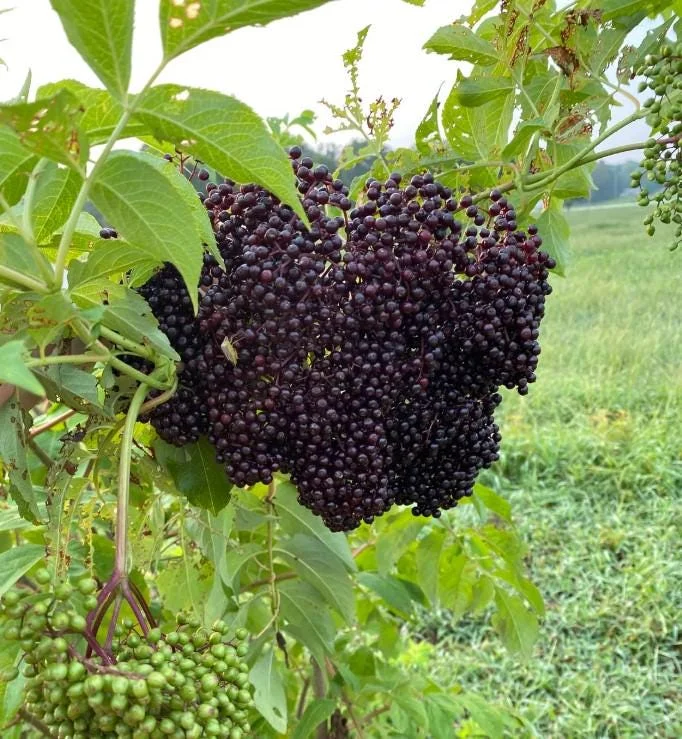
When it comes to harvesting, wait until mid to late summer when the berries are fully dark and soft. It’s best to harvest entire clusters by cutting the stems, rather than picking individual berries. Remember that raw elderberries and leaves contain toxins and should always be cooked before consumption. This simple step ensures that you can safely enjoy the many benefits of your harvest. For those wondering about elderberry plant care, consistent watering, appropriate sunlight, and occasional pruning are the keys to a healthy and productive shrub. Growing growing elderberry is a rewarding experience that yields delicious, healthful fruit.
Size & Details
This offering is for one elderberry live plant, specifically a Sambucus Canadensis, also known as an american black elderberry. The plant arrives approximately 12 inches tall, measured from the top of the soil, and is rooted in a 1-quart nursery pot. This size is ideal for transplanting directly into your garden or a larger container upon arrival. Elderberry bushes are fast-growing shrubs that, with proper care, can reach mature heights of 6-10 feet tall and wide, forming a dense, multi-stemmed bush. They typically begin to produce berries within 1-2 years of planting, with increasing yields as they mature. The plant will be shipped in its container with soil, ensuring minimal transplant shock and a healthy start in its new home. Expect vibrant green foliage, which will be followed by creamy white flower clusters in late spring to early summer, maturing into dark purple berries by mid to late summer.
Frequently Asked Questions
- Q: How big does this elderberry live plant get at maturity? A: With proper care, an american black elderberry can grow to be 6-10 feet tall and equally wide, forming a substantial and productive shrub in your garden.
- Q: What size pot does this elderberry live plant come in? A: This elderberry live plant is shipped in a 1-quart nursery pot, measuring approximately 12 inches tall from the soil line. It’s ready for immediate transplanting into your garden or a larger container.
- Q: Is this an indoor or outdoor plant? A: This elderberry live plant (Sambucus Canadensis) is an outdoor plant, hardy in USDA zones 3–9. It requires significant outdoor space and sunlight to thrive and produce berries.
- Q: How much sunlight does the elderberry live plant need? A: For best fruit production, your elderberry live plant needs at least 6 hours of direct sunlight daily. It can tolerate partial shade, but yields may be reduced.
- Q: Is this plant easy to care for, especially for beginners? A: Yes, growing elderberry is relatively easy. Once established, it is a low-maintenance shrub that is quite tolerant of various conditions, making it a good choice for beginner gardeners.
- Q: What condition will the elderberry live plant arrive in? A: The plant will arrive healthy and actively growing, securely packaged in its 1-quart nursery pot with soil, ready for planting.
- Q: Can I use the berries from this american black elderberry in cooking? A: Absolutely! The dark purple berries are excellent for making syrups, jams, jellies, and teas. However, it’s crucial to cook them first, as raw elderberries and leaves contain toxins.
- Q: How long until this elderberry live plant produces berries? A: Your elderberry live plant typically begins to produce berries within 1-2 years after planting, with fruit production increasing as the plant matures.
- Q: What’s the minimum temperature this Sambucus Canadensis can withstand? A: The Sambucus Canadensis is hardy in USDA zones 3–9, meaning it can tolerate winter temperatures well below freezing, often down to -30 to -40°F (-34 to -40°C).
- Q: What is the best time to plant this elderberry live plant? A: The best times for planting are in early spring or in the fall, when the plant is dormant or semi-dormant, allowing it to establish roots before extreme weather.



Reviews
There are no reviews yet.