Overview
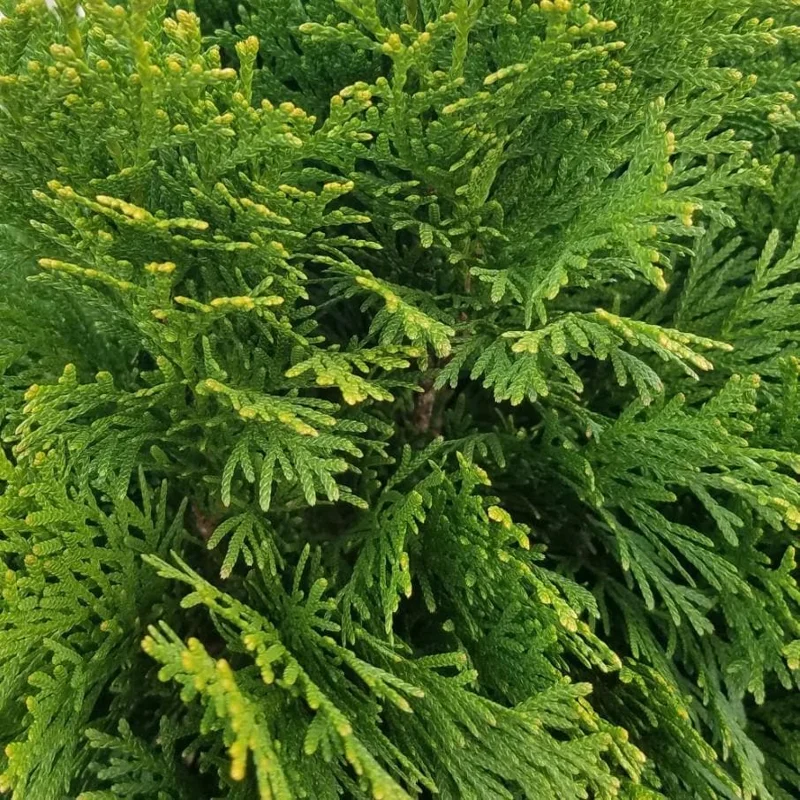
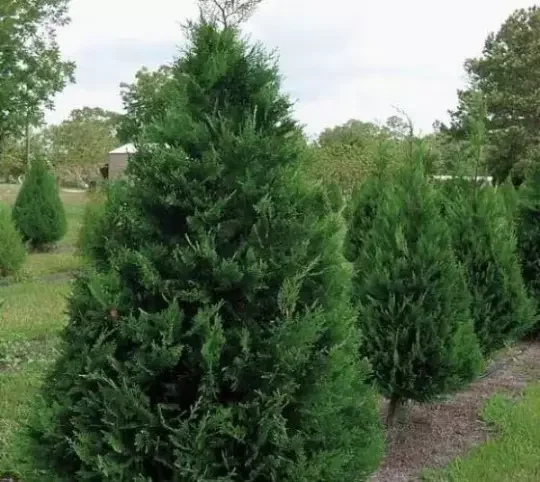
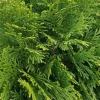
Introduce lasting elegance and structure to your outdoor space with a vibrant emerald green arborvitae live tree. This stunning evergreen, scientifically known as Thuja occidentalis ‘Smaragd’, is renowned for its dense, emerald-green foliage that maintains its rich color throughout all seasons. Arriving as a young plant, typically 6-12 inches tall in a 4-inch nursery pot, it’s ready to be established in your garden. The emerald green arborvitae live tree is a popular choice for gardeners seeking a formal, narrow, and upright plant that provides excellent privacy and ornamental value. Native to North America, this cultivar, ‘Smaragd’, is celebrated for its consistent color and classic conical shape, making it a reliable and attractive option for various landscaping designs.
Whether you’re looking to create a sophisticated boundary, a windbreak, or simply add a touch of lush greenery, the emerald green arborvitae live tree offers a robust and beautiful solution. It’s a hardy specimen that adapts well to a range of climates, making it suitable for many regions across the United States. Its ability to hold color all year ensures your garden remains vibrant even through the colder months, providing continuous visual appeal and an enduring presence in your landscape.
Key Benefits
The emerald green arborvitae live tree offers numerous advantages for any landscape project, blending aesthetic appeal with practical functionality. Its unique characteristics make it a standout choice for both novice and experienced gardeners.
- Year-Round Vibrant Greenery: Enjoy consistent, rich emerald-green foliage through all four seasons, ensuring your garden maintains a lively and fresh appearance even in winter. This continuous color makes the emerald green arborvitae live tree a focal point in any landscape.
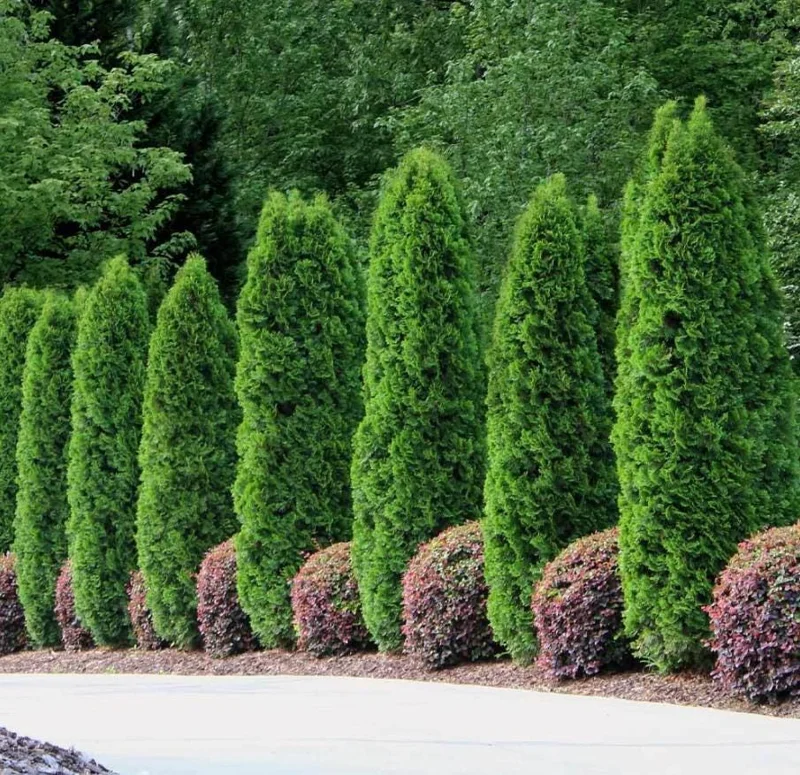
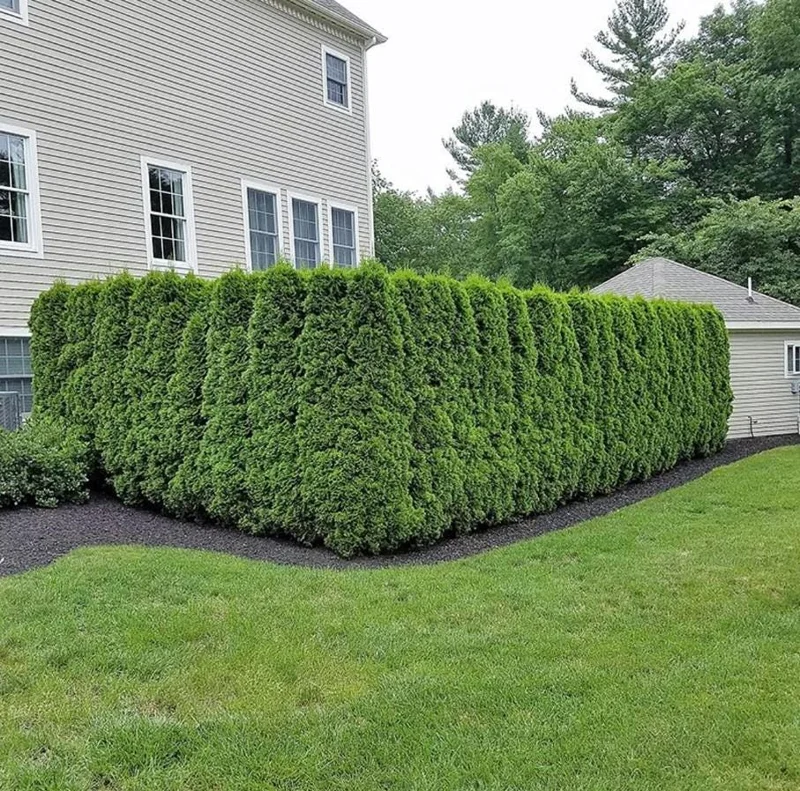
- Excellent Privacy and Screening: With its dense, upright growth habit, this evergreen forms an impenetrable screen, offering superior privacy and effectively blocking unwanted views. It’s an ideal choice for an evergreen privacy hedge.
- Low Maintenance & Hardy: Once established, the Thuja occidentalis ‘Smaragd’ requires minimal care, tolerating a range of conditions and resisting many common pests and diseases. This makes it a great option for those seeking a beautiful yet easy-to-manage plant.
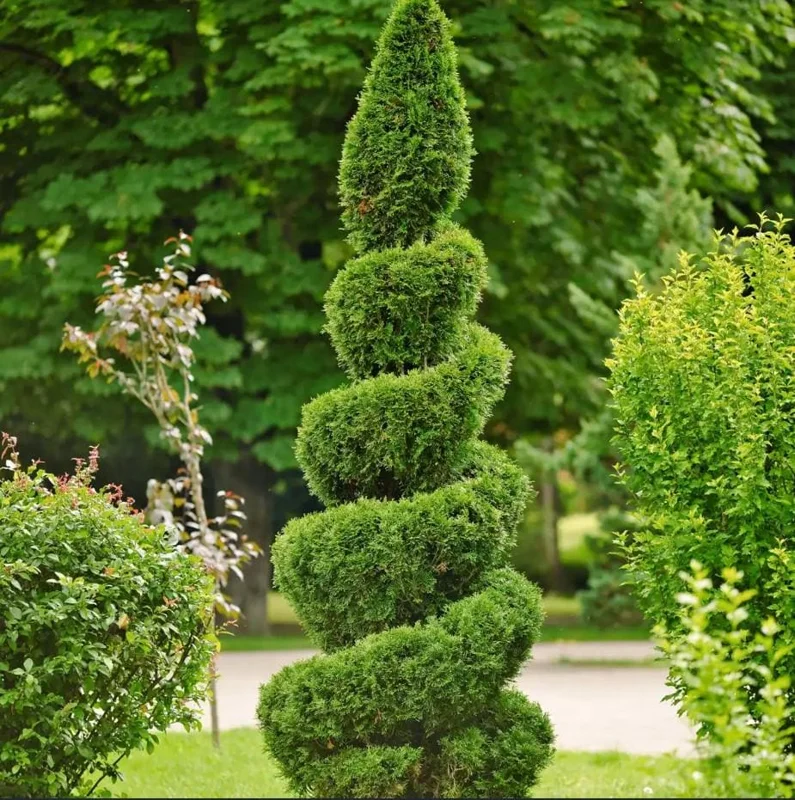
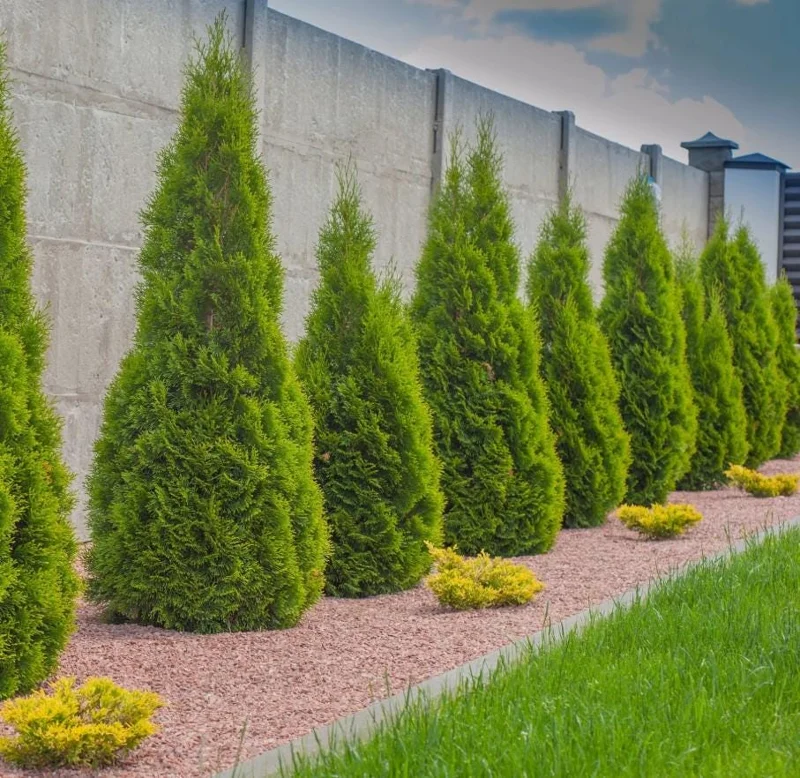
- Versatile Landscape Use: Perfect for formal hedges, foundation plantings, accent trees, or as a backdrop for other garden elements. Its narrow form allows for planting in smaller spaces where broader evergreens might not fit.
- Natural Windbreak: The dense foliage provides an effective barrier against wind, protecting more delicate plants and creating a calmer microclimate in your garden.
- Deer Resistant: While no plant is entirely deer-proof, the emerald green arborvitae live tree is generally less appealing to deer compared to other landscape plants, making it a more reliable choice in areas with deer activity.
- Native to North America: Being native to the region, it is well-adapted to local conditions, contributing to ecological balance and requiring less intervention to thrive.
Plant Care & Growing Tips
Caring for your emerald green arborvitae live tree is straightforward, ensuring it grows into a beautiful and robust specimen. These plants thrive with proper attention to their environmental needs, leading to healthy growth and vibrant foliage. The thuja occidentalis smaragd is known for its resilience, but understanding its preferences will help it reach its full potential as a stunning feature in your garden.
Sunlight requirements: This narrow ornamental tree performs best in full sun to partial shade. Full sun (at least 6 hours of direct sunlight daily) encourages the densest growth and best color. While it can tolerate some shade, too much shade may result in sparser foliage and a less compact form. Ensure it receives adequate light, especially if you’re growing it as an evergreen privacy hedge, to maintain its lush appearance.
Watering schedule and soil moisture preferences: Young emerald green arborvitae live tree specimens require regular watering, especially during their first year of establishment and during dry periods. The goal is to keep the soil consistently moist but never waterlogged. Check the soil moisture regularly; if the top inch or two feels dry, it’s time to water. Avoid drought stress, as this can lead to browning foliage. Once established, they become more drought-tolerant but will still benefit from occasional deep watering during prolonged dry spells.
Soil type and drainage requirements: These trees prefer moist, well-draining soil. A loamy soil with a slightly acidic to neutral pH (6.0-7.0) is ideal. Good drainage is crucial, as arborvitae do not tolerate wet feet, which can lead to root rot. If your soil is heavy clay, amend it with organic matter like compost to improve drainage and aeration before planting. This provides an optimal environment for the root system of your arborvitae plant care.
Temperature range and USDA hardiness zone: The emerald green arborvitae live tree is highly cold-hardy, thriving in USDA Zones 3–8. This wide range makes it suitable for a significant portion of North America. It can withstand cold winter temperatures and hot summers, provided it receives adequate moisture. Protection from harsh winter winds can be beneficial in the coldest zones to prevent desiccation.
Fertilization schedule and type: Fertilize your arborvitae in spring with a balanced, slow-release granular fertilizer formulated for evergreens. Follow the product instructions for application rates. Avoid over-fertilizing, which can burn the roots. Established plants generally require less fertilization than young, growing specimens. A light application of compost around the base can also provide natural nutrients.
Common problems and solutions: Common issues include browning foliage due to drought, winter burn, or spider mites. Ensure consistent watering to prevent drought stress. In winter, protect from harsh winds and consider an anti-desiccant spray in very cold, dry climates. For spider mites, a strong spray of water or insecticidal soap can be effective. Proper arborvitae plant care, including good air circulation and appropriate watering, can prevent most problems.
Size & Details
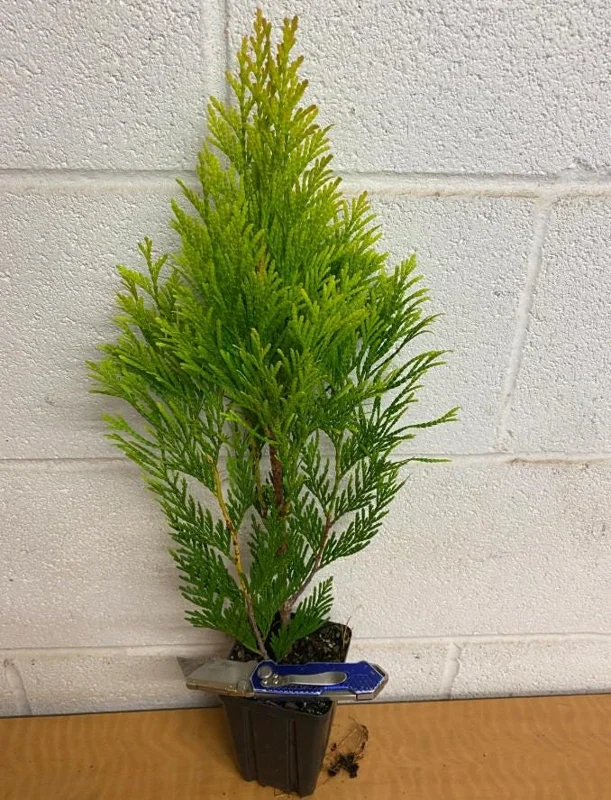
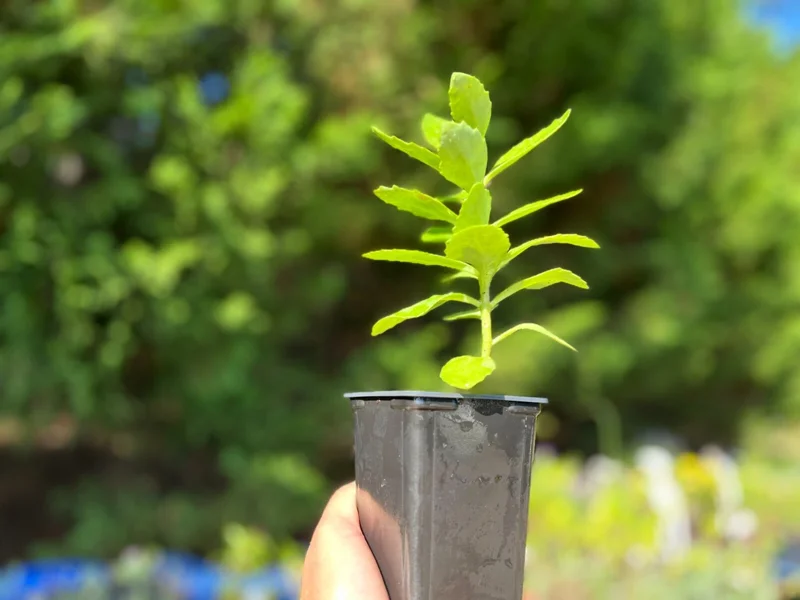
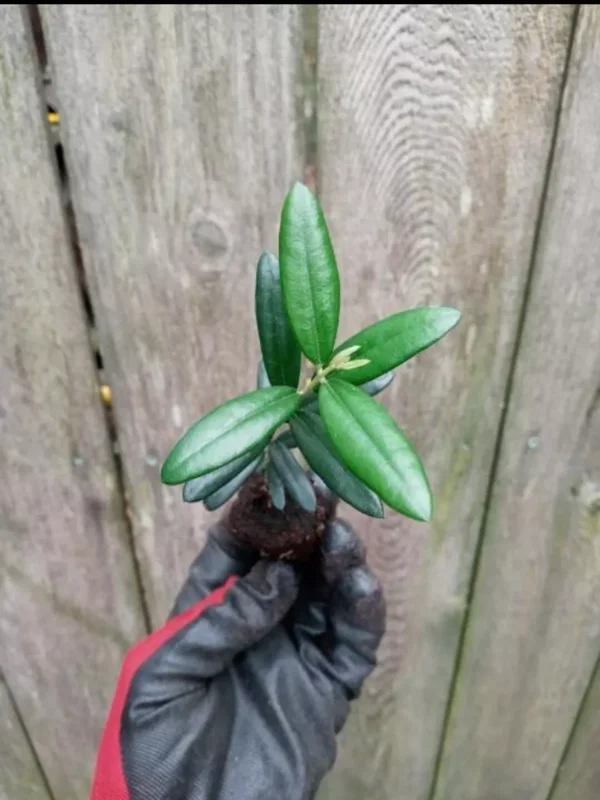
The emerald green arborvitae live tree you receive will be a young, healthy specimen, typically standing 6-12 inches tall, shipped in a 4-inch nursery pot. This size is ideal for planting and establishing in your garden. At maturity, this elegant evergreen can reach an impressive height of 10-15 feet with a relatively narrow spread of 3-4 feet, making it perfect for an evergreen privacy hedge or as a striking vertical accent. Its growth rate is moderate, allowing it to establish well and gradually fill out your desired space. The plant is shipped in its nursery pot with soil, ensuring minimal transplant shock and a smooth transition to its new home. Expect it to begin showing significant growth once it has settled into its permanent location, typically within the first growing season. This narrow ornamental tree maintains a consistent, attractive form without the need for extensive pruning.
Frequently Asked Questions
- Q: How big does this emerald green arborvitae live tree get? A: At maturity, the emerald green arborvitae live tree typically reaches a height of 10-15 feet and a width of 3-4 feet, forming a tall, narrow column.
- Q: What size pot does it come in? A: The emerald green arborvitae live tree is shipped in a 4-inch nursery pot, standing approximately 6-12 inches tall, ready for planting.
- Q: Is this an indoor or outdoor plant? A: This is an outdoor plant, best suited for landscape use in USDA Zones 3–8. It is not recommended as an indoor houseplant.
- Q: How much sunlight does the thuja occidentalis smaragd need? A: The thuja occidentalis smaragd thrives in full sun to partial shade, ideally receiving at least 6 hours of direct sunlight each day for optimal growth and color.
- Q: Is this plant easy to care for? A: Yes, the emerald green arborvitae live tree is considered low-maintenance once established, making it a good choice for both beginner and experienced gardeners. Regular watering is key during its establishment phase.
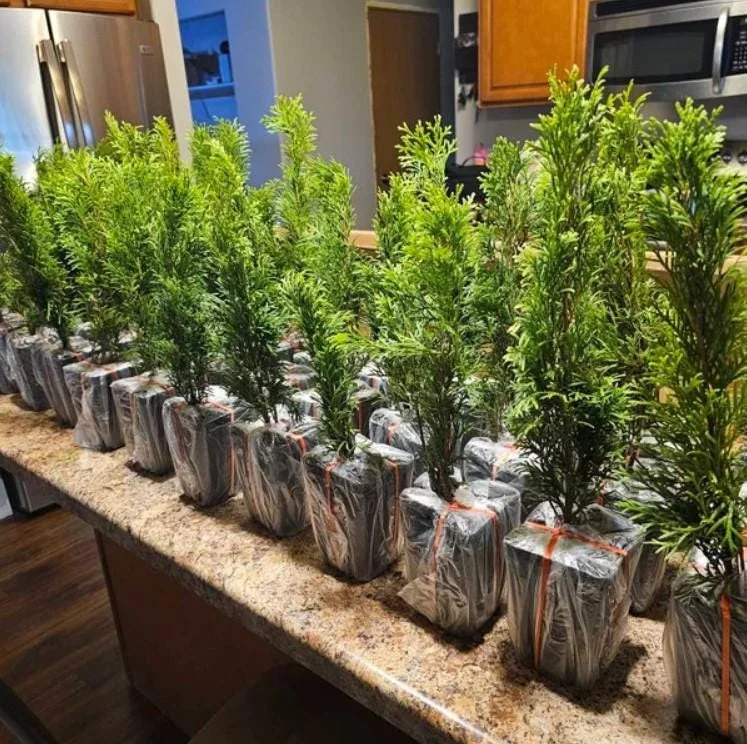
- Q: What condition will it arrive in? A: Your plant will arrive as a young, healthy specimen in its nursery pot, carefully packaged to ensure it reaches you in the best possible condition, ready for planting.
- Q: When is the best time to plant an evergreen privacy hedge? A: The best times to plant an evergreen privacy hedge like the Emerald Green Arborvitae are in spring or fall, when temperatures are moderate, allowing the roots to establish before extreme heat or cold.
- Q: What is the recommended spacing for creating a tight hedge? A: For a dense, tight hedge, plant your emerald green arborvitae live tree specimens 2-3 feet apart.
- Q: What type of soil does an arborvitae plant care for best? A: This plant prefers moist, well-draining soil. Amending heavy clay soils with organic matter is recommended to improve drainage.
- Q: Will it survive winter in my zone? A: Yes, the emerald green arborvitae live tree is very cold-hardy and will survive winter in USDA Zones 3–8. Protection from harsh winter winds can be beneficial in colder zones.




Reviews
There are no reviews yet.