Overview
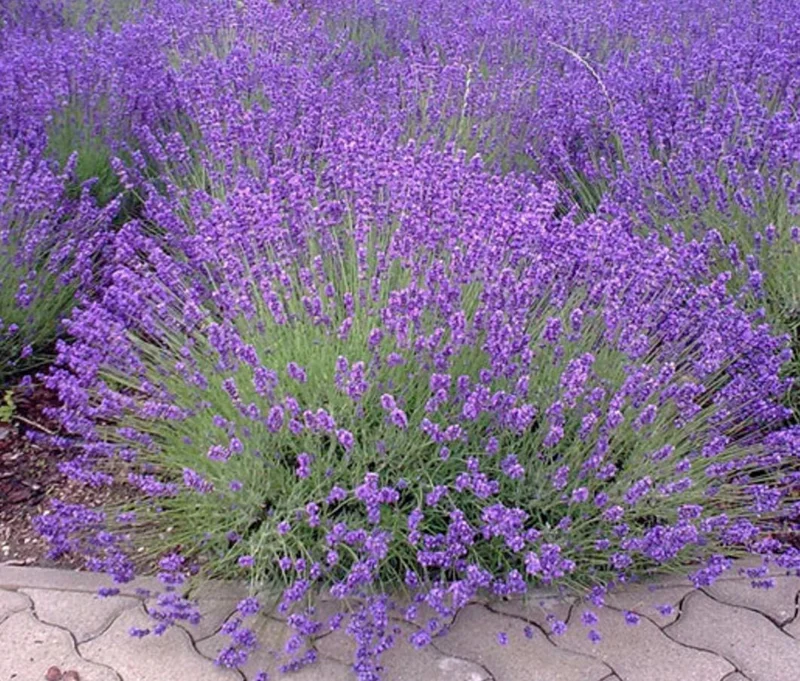
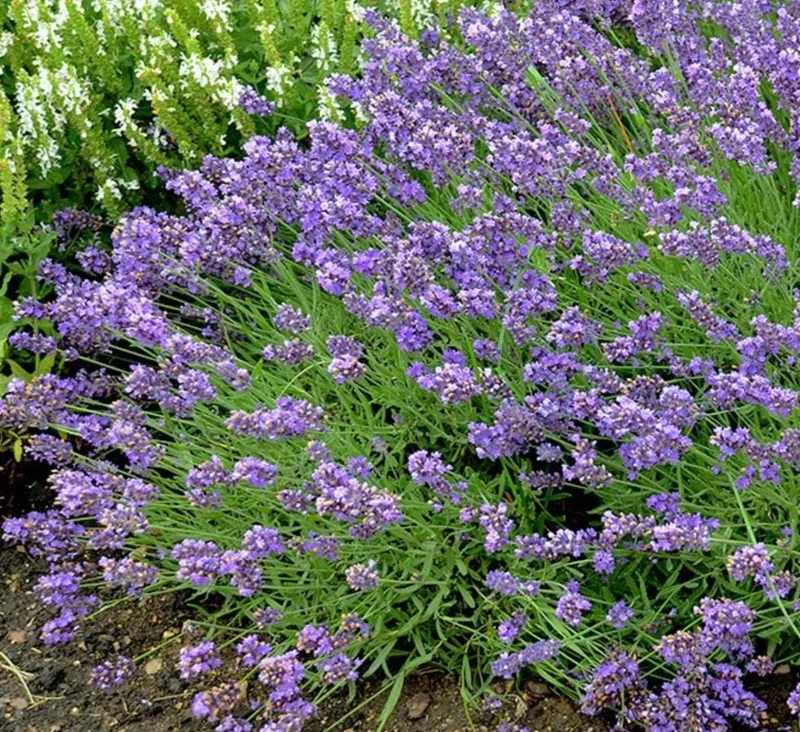
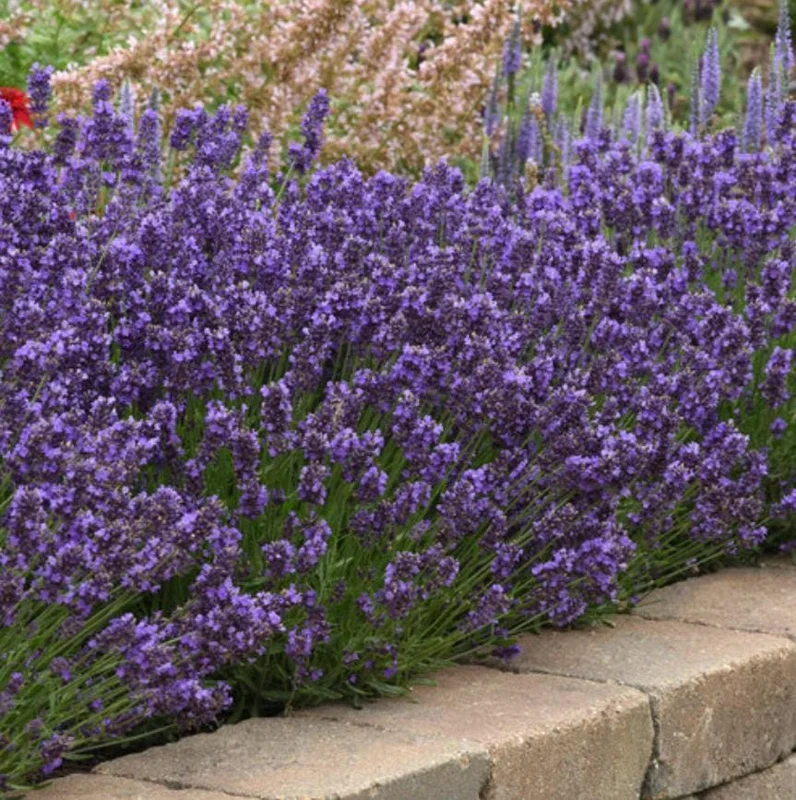
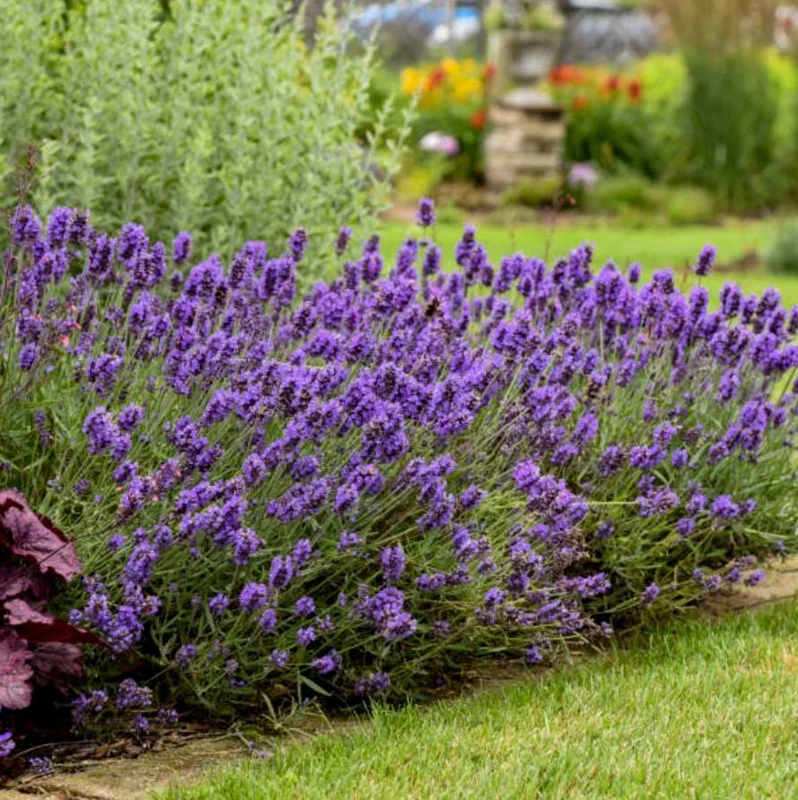
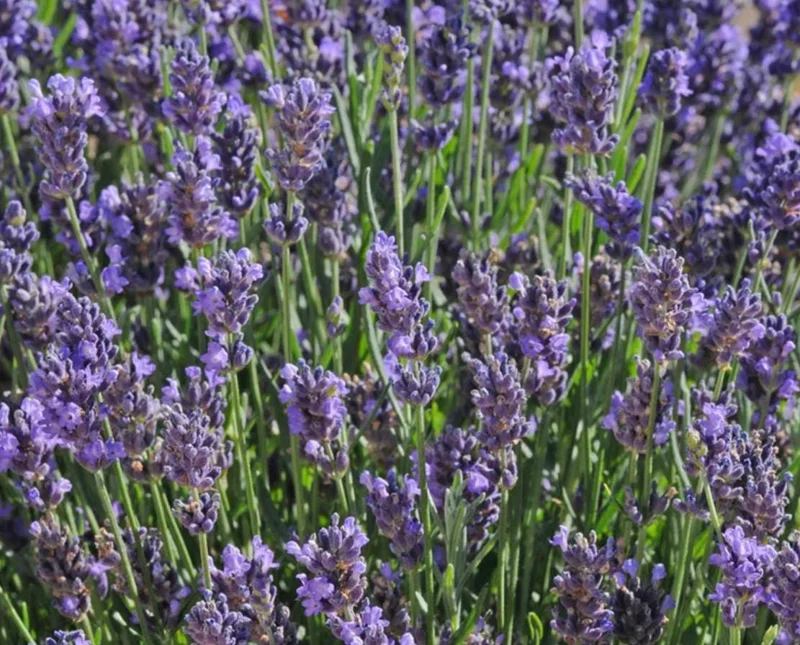
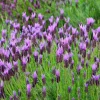
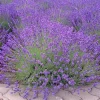
Transform your garden or patio into a fragrant oasis with this beautiful English Lavender live plant. Known botanically as Lavandula angustifolia, English Lavender is a beloved herbaceous shrub celebrated for its soothing aroma and vibrant purple lavender flowers. This compact, aromatic plant is an excellent choice for gardeners looking to introduce both visual appeal and a delightful scent to their outdoor spaces. Whether you’re creating a dedicated herb garden, enhancing a container display, or designing an aromatic landscape, this plant promises to deliver charm and tranquility. Our carefully nurtured English Lavender arrives as a healthy, well-rooted specimen, ready to thrive in its new home and provide a constant source of natural elegance.
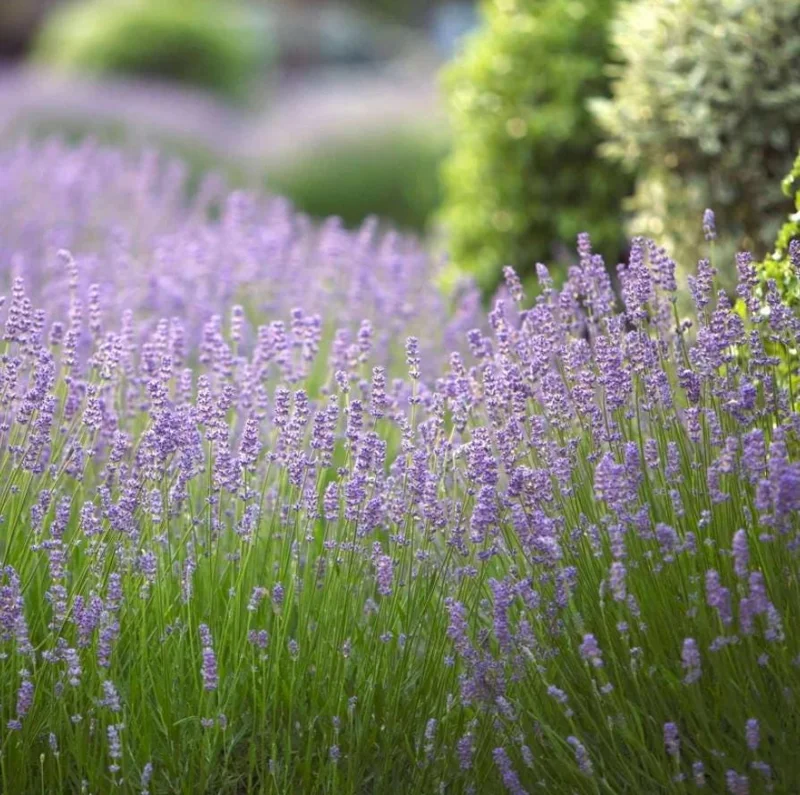
This particular variety is cherished for its vigorous growth and abundant bloom, ensuring a spectacular display of soft purple hues and an intoxicating fragrance throughout the growing season. It’s a versatile addition that complements various garden styles, from rustic cottage gardens to modern minimalist designs. The natural beauty and therapeutic scent of fragrant lavender plant varieties make them a popular choice for both experienced and novice gardeners.
Key Benefits
Bringing an English Lavender live plant into your garden offers a multitude of advantages beyond its obvious beauty. This plant is renowned for its versatility and the positive impact it can have on your outdoor environment.
- Aromatic Delight: Enjoy the classic, soothing fragrance that English Lavender is famous for. Its scent is known to promote relaxation and can deter unwanted pests, making your garden a more pleasant place to unwind. You’ll love the calming presence of this fragrant lavender plant.
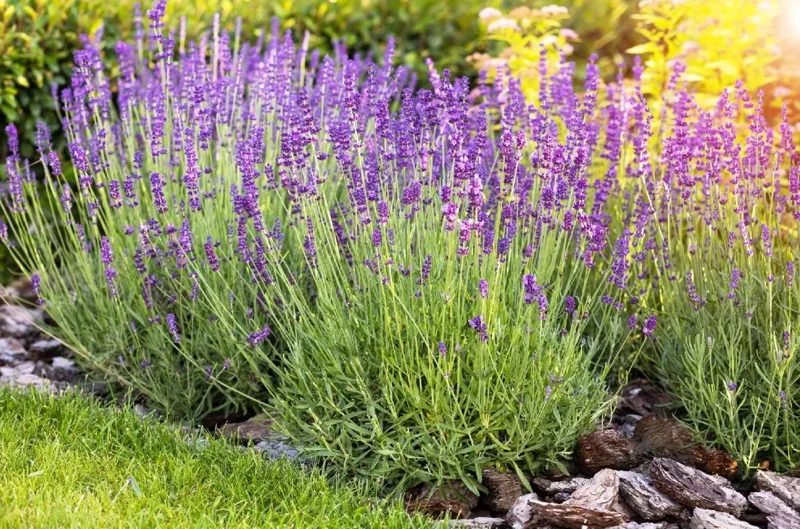
- Vibrant Purple Blooms: Adorn your garden with delicate, soft purple lavender flowers that attract beneficial pollinators like bees and butterflies, contributing to a healthier ecosystem. The visual appeal is undeniable, adding a touch of elegance.
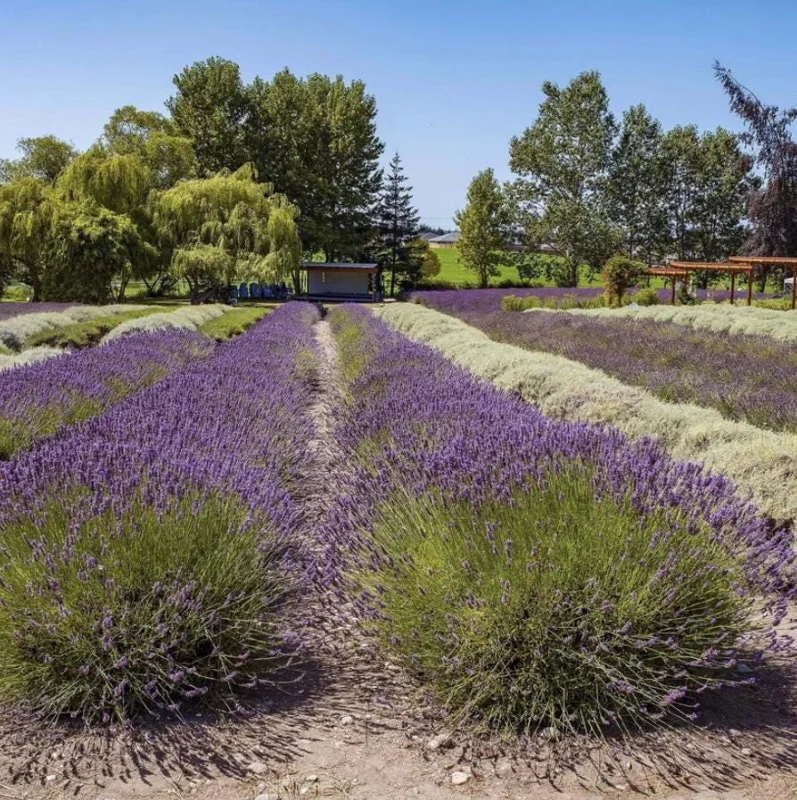
- Versatile Garden Addition: Ideal for a variety of settings, including full sun gardens, containers, borders, rockeries, and herb patches. Its compact size makes it adaptable to smaller spaces while still providing significant impact.
- Low Maintenance: Once established, English Lavender is incredibly drought-tolerant and requires minimal care, making it a perfect choice for busy gardeners or those seeking an easy-to-grow, rewarding plant.
- Culinary and Medicinal Uses: The flowers and leaves can be harvested for culinary uses, such as flavoring desserts or teas, and are also utilized in aromatherapy and traditional remedies for their calming properties. This makes Lavandula angustifolia a truly functional plant.
- Soil Improvement: Lavender prefers well-drained, moderately fertile soil, and its root system can help improve soil aeration over time, especially in sandy or loamy conditions.
- Natural Pest Deterrent: The strong scent of lavender naturally discourages certain garden pests, helping to protect nearby plants without the need for chemical sprays.
Plant Care & Growing Tips
Caring for your English Lavender live plant is straightforward, ensuring a rewarding experience with beautiful blooms and fragrance. This resilient plant thrives with proper attention to its basic needs, particularly sunlight and soil conditions. For optimal growth, choose a location that receives ample sunlight. English Lavender is a true sun-lover, performing best in areas with at least 6-8 hours of direct sunlight per day. This exposure encourages prolific flowering and maintains the plant’s compact, bushy habit. Insufficient light can lead to leggy growth and reduced bloom production, so ensuring a bright, sunny spot is crucial for this full sun herb plant.
When it comes to watering, moderation is key. Allow the soil to dry out slightly between waterings, as lavender is susceptible to root rot in overly wet conditions. Well-drained soil is paramount; sandy or loamy soil types are ideal. If your garden soil is heavy clay, consider amending it with sand or grit to improve drainage, or plant your lavender in raised beds or containers. This Lavandula angustifolia also benefits from good air circulation, so avoid overcrowding. Light feeding with a balanced fertilizer during the growing season can support healthy growth, but avoid excessive fertilization, which can lead to lush foliage at the expense of flowers.
Pruning is essential for maintaining the shape and vigor of your fragrant lavender plant. Trim spent blooms to encourage new growth and a second flush of flowers. A more substantial pruning in early spring, removing about one-third of the plant’s size, will help maintain a compact, bushy form and prevent the plant from becoming woody. In mild climates, English Lavender is hardy, but in colder regions, providing some protection from excessive winter moisture can be beneficial. Ensure good drainage throughout the year. With these simple care practices, your English Lavender will flourish, providing beauty and fragrance for many seasons.
Size & Details
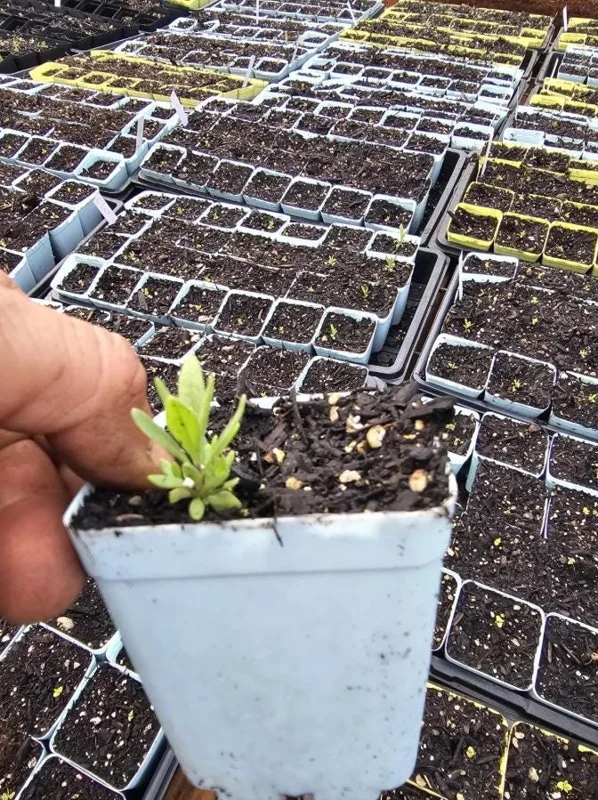
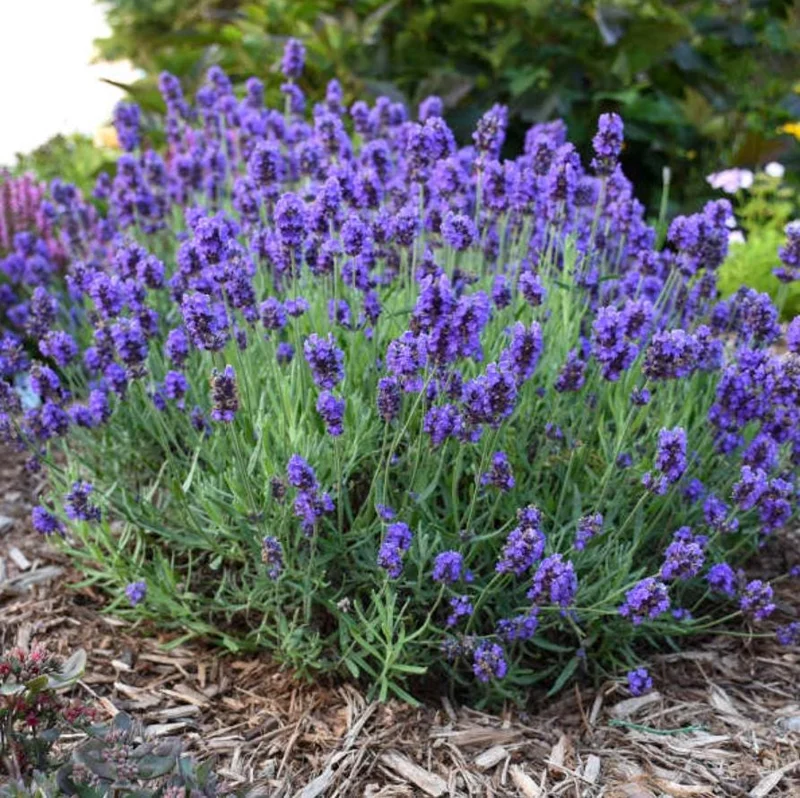
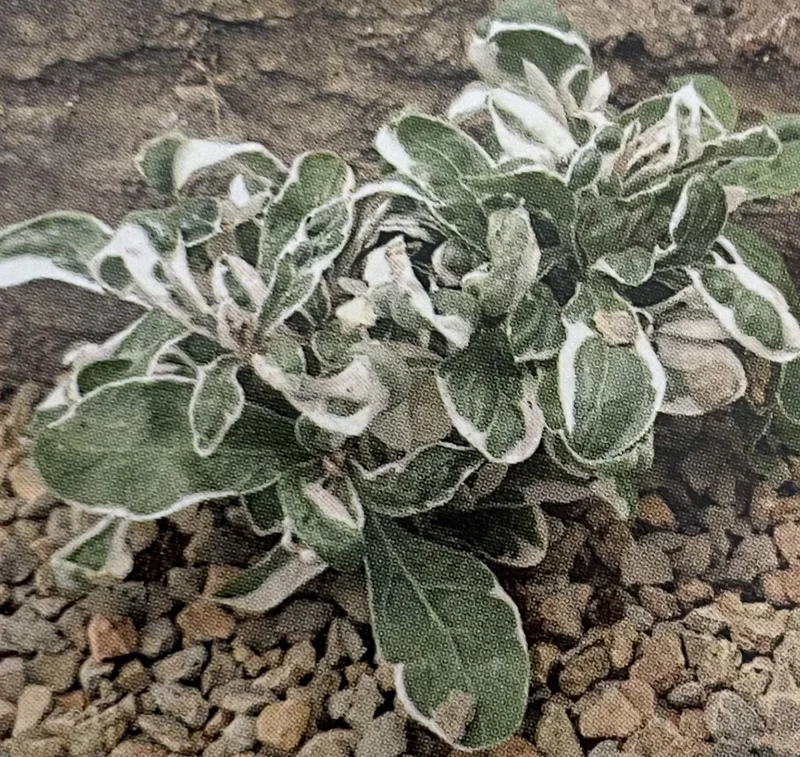
This English Lavender live plant arrives as a healthy, established specimen, carefully rooted in a 5-inch nursery pot. At the time of shipment, the plant typically stands approximately 1 to 2 inches tall, making it an ideal size for easy transplanting into your garden or a larger container. Its compact growth habit means it will develop into a bushy, aromatic shrub, reaching a mature height of about 18-24 inches and a similar spread, depending on growing conditions and pruning practices. Expect this full sun herb plant to establish quickly once planted, developing its characteristic silvery-green foliage and beginning to produce its first fragrant purple lavender flowers within the first growing season.
The plant is shipped in its nursery pot to minimize stress during transit and ensure it arrives in optimal condition, ready to be introduced to its permanent home. Its robust root system is designed for successful establishment, providing a strong foundation for future growth and abundant blooms. This size is particularly convenient for those looking to start an herb garden or add immediate impact to their landscape without waiting for seeds to germinate.
Frequently Asked Questions
- Q: How big does this English Lavender plant get? A: This English Lavender live plant typically grows to a mature height and spread of about 18-24 inches, forming a compact and bushy shrub. Its growth can be managed with regular pruning.
- Q: What size pot does it come in? A: Your lavender plant will arrive well-rooted in a 5-inch nursery pot, perfectly sized for safe transport and ready for transplanting into your desired location.
- Q: Is this an indoor or outdoor plant? A: While it can be grown indoors in a very sunny spot, English Lavender live plant thrives best outdoors in a full sun garden or on a patio, as it requires extensive direct sunlight to flourish and produce abundant flowers. It is a true full sun herb plant.
- Q: How much sunlight does it need? A: This plant requires at least 6-8 hours of direct sunlight per day to grow optimally and produce its fragrant purple lavender flowers. Full sun exposure is crucial for its health and bloom production.
- Q: Is this plant easy to care for? A: Yes, English Lavender is considered a low-maintenance plant once established. It’s drought-tolerant and requires minimal attention beyond proper watering and occasional pruning.
- Q: What condition will it arrive in? A: The plant will arrive well-rooted and healthy in its 5-inch pot, carefully packaged to ensure minimal stress during transit. It will be ready for immediate transplanting.
- Q: Can I use this lavender for culinary purposes? A: Absolutely! Lavandula angustifolia is the primary species used for culinary applications. Its flowers and leaves can be incorporated into teas, baked goods, and other dishes.
- Q: How long until it blooms? A: Depending on the time of year you receive it, your fragrant lavender plant may already have buds or flowers, or it will typically bloom in late spring to early summer of the first growing season.
- Q: Will it survive winter in my zone? A: English Lavender is generally hardy in USDA Zones 5-9. In colder zones, it may require winter protection or can be grown as an annual. Ensure good drainage to prevent root rot during winter.
- Q: What’s the best soil type for this plant? A: This lavender prefers well-drained, sandy or loamy soil. Good drainage is critical to prevent root issues, so avoid heavy clay soils.




Reviews
There are no reviews yet.