Overview
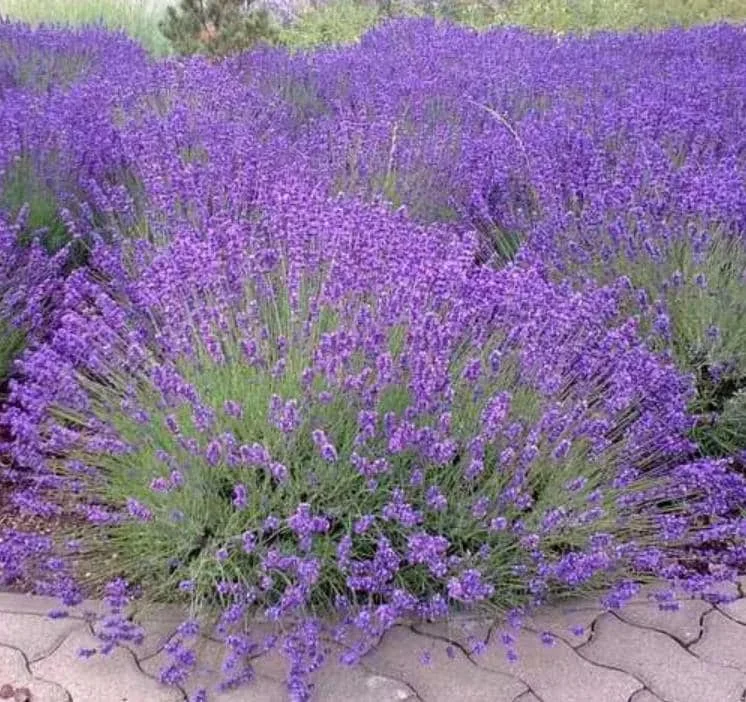
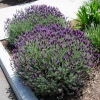
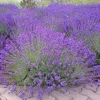
Introduce the timeless charm and soothing fragrance of the English Lavender live plant to your outdoor space. This beloved perennial, scientifically known as Lavandula angustifolia, is celebrated for its soft purple flower spikes and distinctive, calming aroma. Originating from the Mediterranean, English Lavender is a classic choice for herb gardens, borders, containers, and patios, offering both visual appeal and a delightful sensory experience. As a starter plant, it’s ready to establish in your garden, promising lush growth and abundant blooms with proper care. Its robust nature and versatile applications make it a must-have for both novice and experienced gardeners seeking to create a tranquil and aesthetically pleasing environment. Discover the joy of growing this iconic fragrant herb, known for its beauty and utility.
The English Lavender live plant is not just a treat for the eyes and nose; it’s also a magnet for beneficial pollinators like bees and butterflies, contributing to a vibrant ecosystem in your backyard. Its silver-green foliage provides year-round interest in milder climates, ensuring your garden remains attractive even when not in full bloom. Beyond its ornamental value, lavender is highly prized for its versatility. Its fragrant flowers are perfect for cut arrangements, dried crafts, aromatic sachets, and even culinary creations, adding a unique flavor to dishes and beverages. This easy-to-grow herb thrives in sunny, well-drained conditions, making it a low-maintenance yet high-reward addition to almost any garden setting. Cultivating this beautiful plant allows you to enjoy its many benefits, from its calming scent to its practical uses.
Key Benefits
The English Lavender live plant offers a multitude of advantages for your garden and home, making it a highly desirable addition. Its classic appeal extends beyond mere aesthetics, providing practical benefits that enhance your living space and support local wildlife.
- Aromatic Fragrance: Enjoy the strong, classic lavender scent that emanates from the plant, known for its calming and stress-reducing properties. This natural aroma can transform your garden into a serene retreat.
- Attracts Pollinators: The vibrant purple flowers are a favorite of bees and butterflies, making the English Lavender live plant an excellent choice for supporting local pollinator populations and enhancing garden biodiversity.
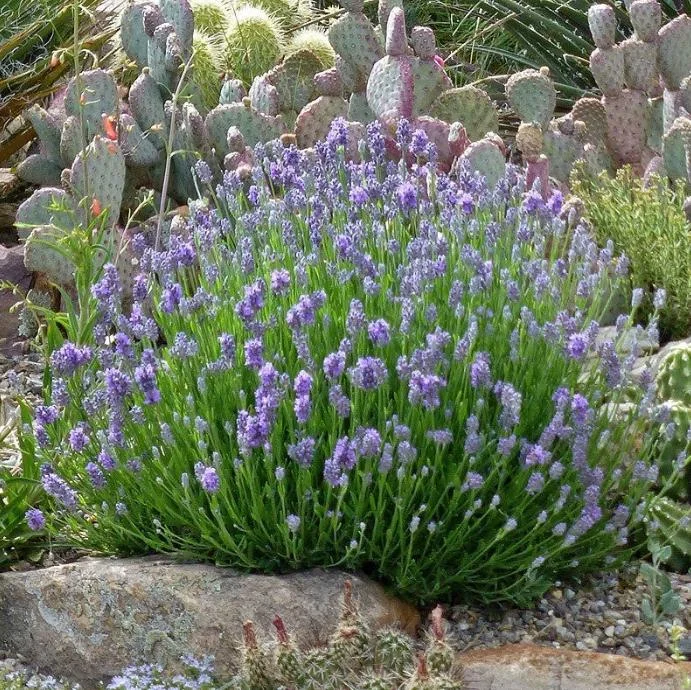
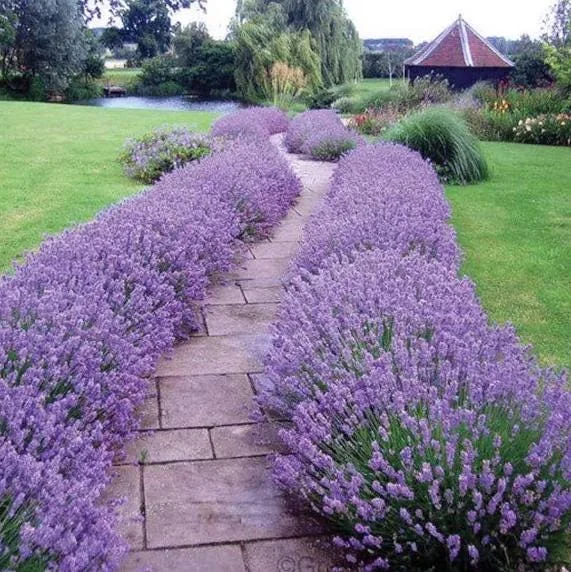
- Versatile Use: This plant is perfect for a variety of applications, including herb gardens, borders, containers, and rock gardens. Its adaptability allows it to thrive in diverse settings, adding beauty wherever it’s placed.
- Culinary & Craft Applications: The fragrant blooms can be harvested for culinary uses, dried arrangements, sachets, and essential oil extraction. Explore the many ways to incorporate lavender into your daily life.
- Drought-Tolerant: Once established, Lavandula angustifolia is remarkably drought-tolerant, requiring less water than many other plants. This makes it a sustainable choice for water-wise gardening.
- Deer and Rabbit Resistant: The strong scent of lavender naturally deters deer and rabbits, protecting your garden from unwanted visitors without the need for chemical repellents.
- Year-Round Interest: In mild climates, the attractive silver-green foliage offers visual interest throughout the year, ensuring your garden remains appealing even when the plant is not in bloom.
Plant Care & Growing Tips
Caring for your English Lavender live plant is relatively straightforward, making it an excellent choice for gardeners of all experience levels. Success hinges on providing the right conditions, primarily ample sunlight and well-drained soil. This plant thrives in full sun, meaning it needs at least 6 hours of direct sunlight daily to produce its best blooms and strongest fragrance. For optimal growth, ensure your planting site receives plenty of natural light. When it comes to soil, lavender prefers well-drained, sandy or loamy soil with a neutral to slightly alkaline pH. Heavy, wet soils are detrimental and should be avoided, as they can lead to root rot. Consider amending heavy clay soils with sand or grit to improve drainage.
Watering should be done moderately, allowing the soil to dry out slightly between waterings. While it appreciates consistent moisture during establishment, Lavandula angustifolia becomes quite drought-tolerant once mature. Overwatering is a common mistake and should be avoided. This fragrant lavender herb is hardy in USDA zones 5–9, making it suitable for a wide range of climates. In colder zones, consider providing winter protection or growing it in containers that can be moved indoors. Fertilization is generally not heavily required for lavender; an annual application of a balanced, slow-release fertilizer in spring is usually sufficient if your soil is poor. Pruning is essential for maintaining a compact shape and encouraging prolific flowering; typically, light pruning after the first flush of blooms and a more significant trim in early spring will keep your plant healthy and vibrant. Watch out for common issues like powdery mildew in humid conditions or root rot from overwatering; good air circulation and proper drainage are your best defenses.
Size & Details
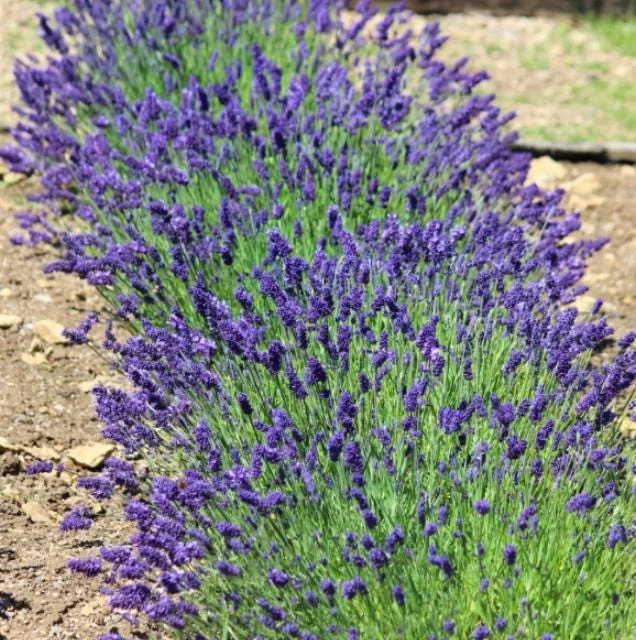
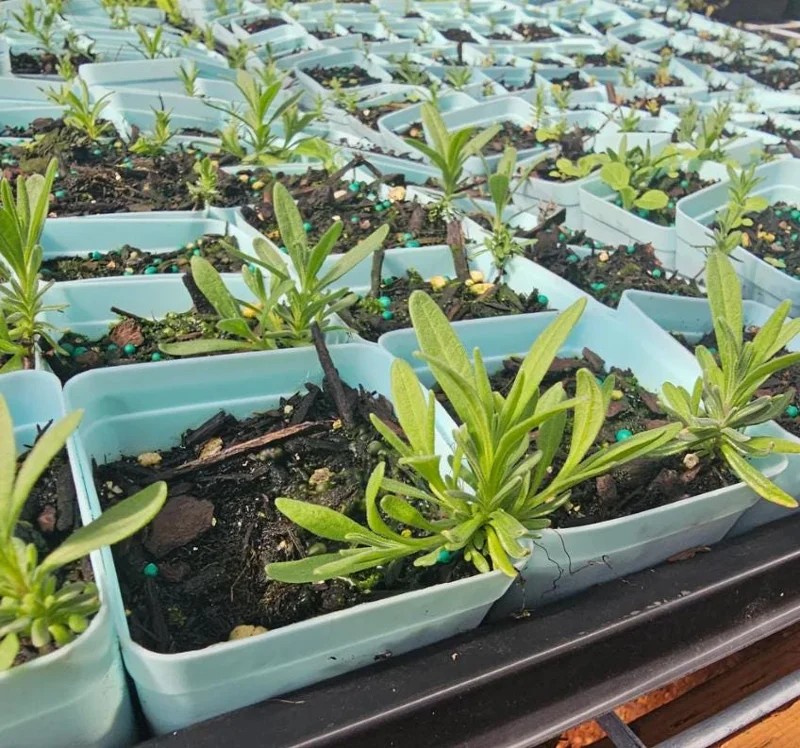
This offering is for a English Lavender live plant, typically measuring 2-5 inches tall from the soil line, and arriving in a 3-inch nursery pot. As a starter plant, it is young and ready to establish in your garden or a larger container. The mature height of this Lavandula angustifolia variety typically ranges from 12 to 24 inches, with a similar spread, creating a compact and bushy form. The plant ships as a well-rooted specimen, carefully packaged to ensure its safe arrival. Expect vibrant purple flowers that bloom from late spring through summer, offering a long season of color and fragrance. With proper care, your purple lavender plant will quickly grow to its mature size, providing years of enjoyment. Planting should ideally occur in spring or early fall to allow for good root establishment before extreme temperatures.
Frequently Asked Questions
- Q: How big does this English Lavender live plant get? A: This starter plant is 2-5 inches tall in a 3-inch pot. When mature, the English Lavender live plant typically reaches a height of 12-24 inches with a similar spread, forming a dense, fragrant bush.
- Q: Is this an indoor or outdoor plant? A: English Lavender is primarily an outdoor plant, thriving in full sun. While it can be grown indoors temporarily with sufficient light, it performs best in an outdoor garden or on a sunny patio.
- Q: How much sunlight does the Lavandula angustifolia need? A: For best flowering and fragrance, this Lavandula angustifolia requires full sun, meaning at least 6 hours of direct sunlight per day.
- Q: Is this plant easy to care for? A: Yes, English Lavender is considered relatively easy to care for, especially once established. It’s drought-tolerant and requires minimal fertilization, making it a good choice for beginners.
- Q: What condition will the English Lavender live plant arrive in? A: The plant will arrive as a healthy starter plant in a 3-inch pot. Some minor leaf yellowing or drop during transit is normal and the plant will recover quickly with proper care.
- Q: Can I use this fragrant lavender herb for cooking? A: Yes, English Lavender live plant (Lavandula angustifolia) is often used in culinary applications, adding a unique floral note to baked goods, teas, and savory dishes.
- Q: When is the best time to plant this purple lavender plant? A: The best time to plant your purple lavender plant is in the spring after the last frost or in early fall, allowing it to establish its root system before extreme weather.
- Q: Will it survive winter in my zone? A: English Lavender is hardy in USDA Zones 5-9. If you are in a colder zone, consider providing winter protection or growing it in a container that can be moved indoors.
- Q: What type of soil does this lavender prefer? A: It prefers well-drained, sandy or loamy soil. Avoid heavy clay soils that retain too much moisture, as this can lead to root rot.
- Q: Is this plant good for beginners? A: Absolutely! With its drought tolerance and relatively low maintenance needs, the English Lavender live plant is an excellent choice for novice gardeners looking to grow a beautiful and fragrant herb.



Reviews
There are no reviews yet.