Overview
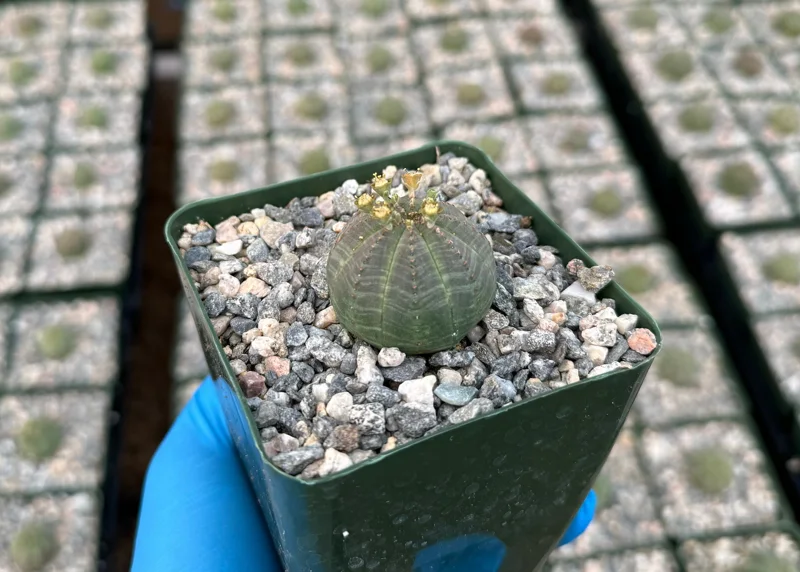
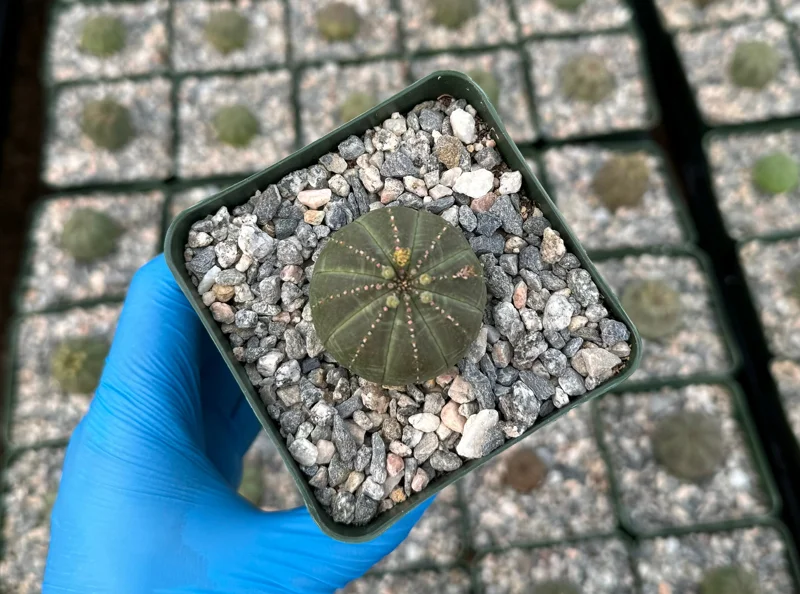
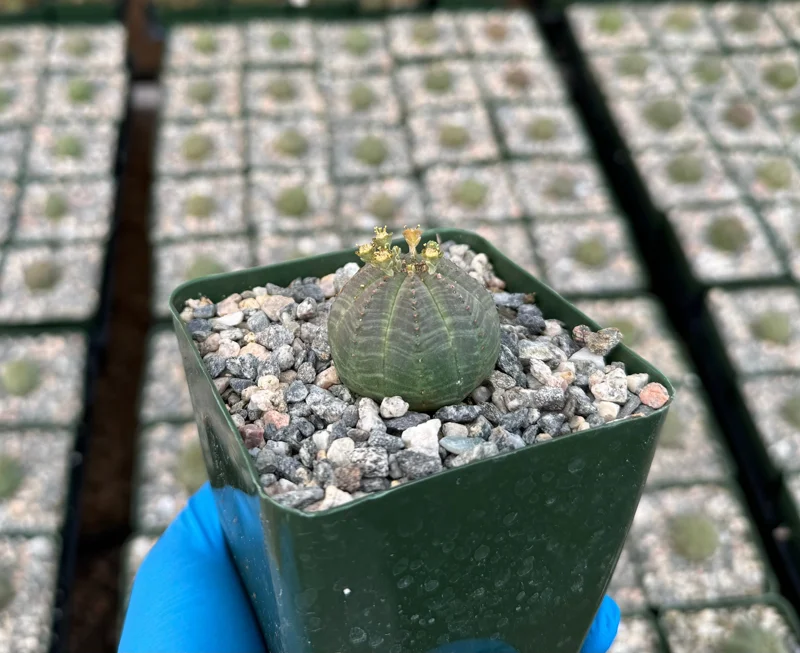
Introduce a truly captivating specimen to your collection with the euphorbia obesa live plant. Often referred to as the baseball plant succulent or “living baseball” due to its distinctive round, ball-like shape, this rare succulent is a native of South Africa and a member of the diverse Euphorbiaceae family. Its unique appearance makes it a standout choice for plant enthusiasts and collectors seeking something out of the ordinary. This euphorbia obesa live plant arrives healthy and ready to thrive, bringing an exotic touch to any indoor space. The spherical stem, which can grow up to 6 inches in diameter, typically exhibits a beautiful green or bluish-green hue, adding visual interest to your home or office.
The euphorbia obesa live plant is highly prized for its architectural form and relatively slow growth rate, making it an excellent choice for those who appreciate plants with strong visual impact and minimal fuss. Like many succulents, it has evolved to store water efficiently in its stem, allowing it to endure arid conditions with ease. This resilience contributes to its reputation as a low-maintenance and rewarding plant to cultivate. Its unique structure and growth habit make it a conversation starter, perfect for display on windowsills, desks, or in terrariums. If you’re searching for rare euphorbia specimens, the Euphorbia obesa is an absolute must-have.
Key Benefits
The euphorbia obesa live plant offers a multitude of benefits, making it an excellent addition to any plant collection. Its distinctive appearance and straightforward care requirements ensure it will be a cherished part of your home or office decor. This baseball plant succulent is not just a plant; it’s a living sculpture.
- Unique Aesthetic Appeal: The striking spherical shape and symmetrical patterns of the Euphorbia obesa make it a truly unique and artistic plant. It serves as a natural focal point, adding modern and sculptural beauty to any room.
- Low Maintenance: As a succulent, the euphorbia obesa live plant is remarkably drought-tolerant and requires infrequent watering, making it ideal for busy individuals or those new to plant care. Its resilience simplifies routine maintenance.
- Slow Growth Rate: Its naturally slow growth ensures it retains its compact, desirable size for a long time, fitting perfectly into small spaces or as part of a larger succulent arrangement without quickly outgrowing its pot.
- Collector’s Item: Considered a rare euphorbia specimens, this plant is highly sought after by succulent collectors and enthusiasts, offering a sense of exclusivity and pride in ownership. It’s one of the most distinctive types of unique succulents for sale.
- Adaptable to Indoor Environments: It thrives in bright indoor conditions, making it an excellent houseplant that can adorn windowsills, desks, or shelves, bringing a touch of the exotic indoors.
- Air Purification: Like many plants, the Euphorbia obesa contributes to a healthier indoor environment by absorbing airborne toxins and releasing oxygen, albeit in smaller quantities than larger plants.
- Drought Tolerant: Adapted to arid conditions, this plant stores water in its stem, allowing it to go for extended periods without water, forgiving occasional neglect.
Plant Care & Growing Tips
Caring for your euphorbia obesa live plant is relatively simple, given its succulent nature. It thrives on neglect rather than over-attention, making it a perfect choice for those who prefer low-maintenance plants. Provide it with plenty of bright light, ideally 4-6 hours of direct sunlight per day. A south-facing window is often ideal, but it can also tolerate bright indirect light. Insufficient light can lead to etiolation, where the plant stretches and loses its compact, spherical shape, so ensuring adequate illumination is crucial for maintaining its distinctive form.
Watering is the most critical aspect of euphorbia obesa care. Allow the soil to dry out completely between waterings. When you do water, do so thoroughly until water drains from the bottom of the pot, then allow it to dry out again before the next watering. Overwatering is the most common cause of problems for this succulent, leading to root rot. During winter dormancy, reduce watering significantly, typically once every 3-4 weeks, or even less. The ideal soil for your baseball plant succulent should be a well-draining cactus or succulent mix, possibly amended with pumice, perlite, or coarse sand to enhance drainage. A terracotta pot is also recommended as it helps wick away excess moisture.
The euphorbia obesa live plant prefers warm temperatures, typically between 65-80°F (18-27°C). It is not frost-tolerant and should be protected from temperatures below 50°F (10°C). For most US climates, it is best grown as an indoor plant or brought indoors during cooler months. Fertilize sparingly, if at all, during the growing season (spring and summer) with a diluted, balanced succulent fertilizer. A common problem is scale insects, which can be treated with neem oil or insecticidal soap. Ensure good air circulation to prevent fungal issues. Understanding euphorbia obesa care will help ensure your plant thrives for many years.
Size & Details
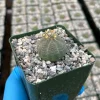
Your euphorbia obesa live plant will arrive as a healthy specimen in a 4-inch nursery pot, ready for immediate display or repotting into your chosen decorative container. This particular species is known for its relatively slow growth rate, meaning it will maintain its charming, compact size for an extended period. The spherical stem can eventually reach up to 6 inches (15 cm) in diameter under optimal conditions, gradually developing its unique patterns and markings over time. This makes it an ideal choice for windowsills, office desks, or as part of a larger succulent display where space might be limited.
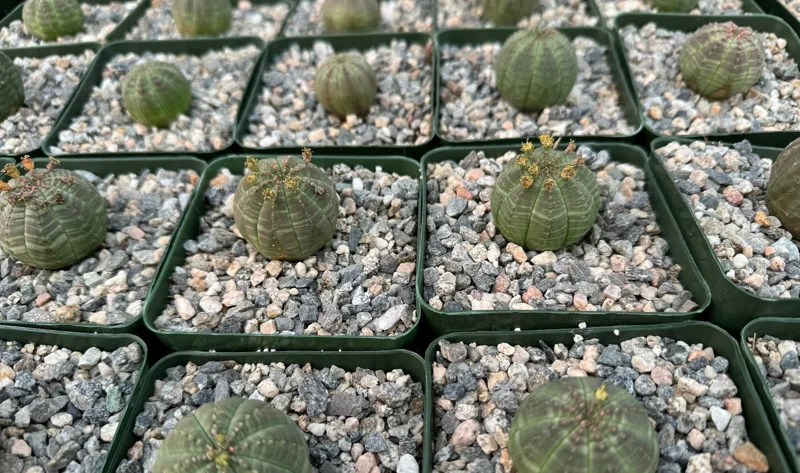
Each plant is carefully selected to ensure quality and vigor, representing a fine example of a rare euphorbia specimens. The plant’s unique structure, often resembling a baseball, makes each individual specimen distinct. Expect a robust root system and a well-established plant that is prepared to adapt to its new environment. While mature plants may produce small, greenish-yellow flowers (male or female, as the plant is dioecious), the primary appeal of the Euphorbia obesa lies in its fascinating stem morphology and overall sculptural presence. This makes it one of the most intriguing unique succulents for sale.
Frequently Asked Questions
- Q: How big does this plant get? A: The euphorbia obesa live plant typically grows to about 4-6 inches (10-15 cm) in diameter. Its slow growth rate means it will stay compact for a long time, making it perfect for smaller spaces.
- Q: Is this an indoor or outdoor plant? A: While it can be grown outdoors in very warm, arid climates (USDA zones 9-11), it is most commonly grown as an indoor houseplant due to its sensitivity to cold and excess moisture. It thrives in bright indoor light.
- Q: How much sunlight does it need? A: The baseball plant succulent requires bright light, preferably 4-6 hours of direct sunlight daily. A south-facing window is ideal, but it can also tolerate very bright indirect light.
- Q: Is this plant easy to care for? A: Yes, the Euphorbia obesa is considered a low-maintenance succulent, making it suitable for beginners. Its primary requirement is well-draining soil and careful, infrequent watering to prevent root rot. This aligns with easy euphorbia obesa care.
- Q: What condition will it arrive in? A: Your euphorbia obesa live plant will arrive healthy and well-rooted in its 4-inch nursery pot, carefully packaged to ensure its safety during transit. It will be ready for you to place in its new home.
- Q: How often should I water my Euphorbia obesa? A: Water only when the soil is completely dry to the touch. This could be every 2-4 weeks during the growing season and even less frequently (monthly or bi-monthly) during its winter dormancy. Overwatering is the biggest risk.
- Q: Is the Euphorbia obesa toxic? A: Like other Euphorbias, the euphorbia obesa live plant contains a milky white sap that can be irritating to skin and eyes if contacted, and toxic if ingested. It’s best to keep it away from pets and small children.
- Q: What kind of soil is best for this succulent? A: A well-draining cactus or succulent potting mix is essential. You can amend it with perlite, pumice, or coarse sand to further improve drainage. This is crucial for proper euphorbia obesa care.
- Q: Does this plant flower? A: Yes, Euphorbia obesa is dioecious, meaning individual plants are either male or female. Both produce small, greenish-yellow flowers arranged in clusters, though the male flowers are generally more noticeable.
- Q: Are there different varieties of unique succulents for sale like this one? A: While Euphorbia obesa itself has some natural variations, many other unique succulents exist. This particular plant is prized for its distinct baseball-like symmetry, making it a truly special addition to any collection of unique succulents for sale.



Reviews
There are no reviews yet.