Overview
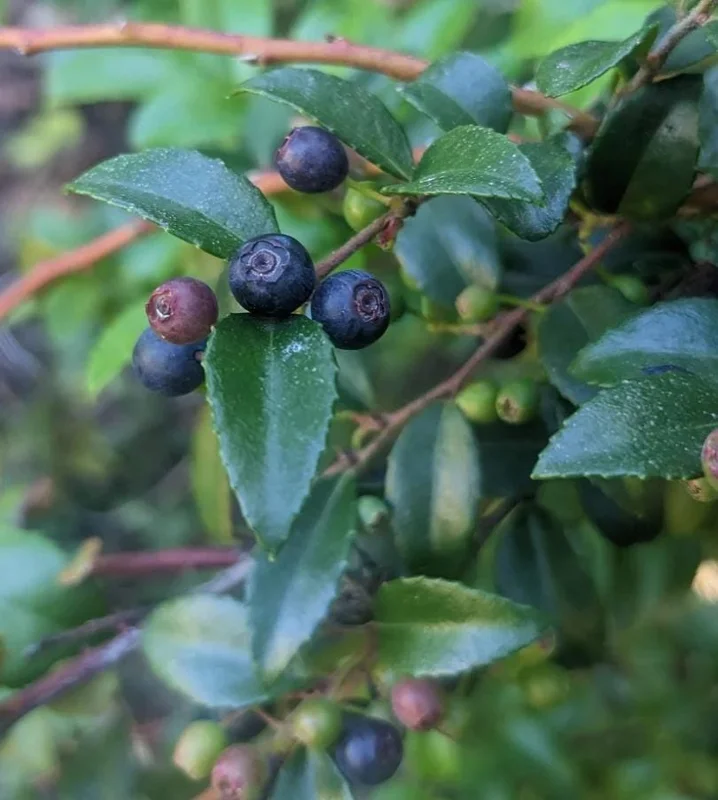
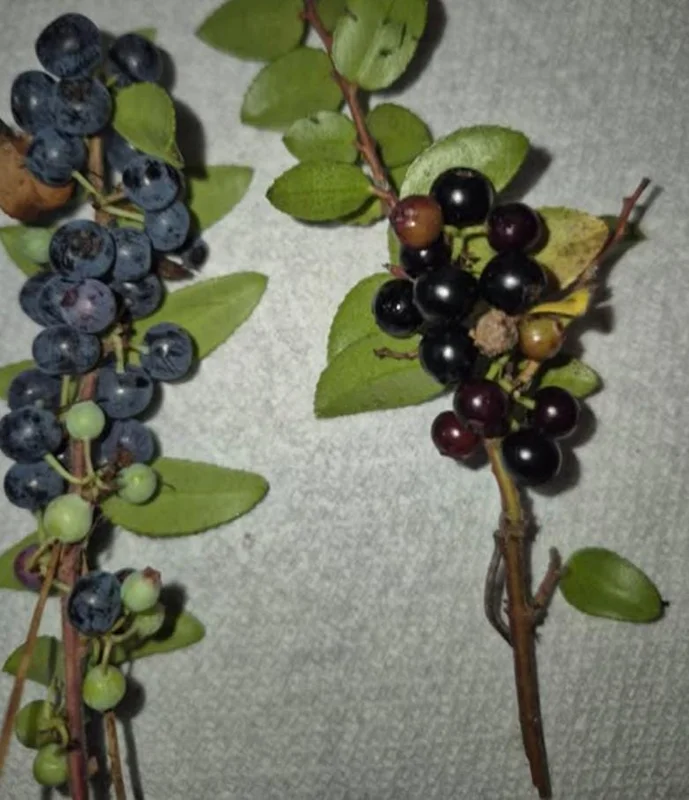
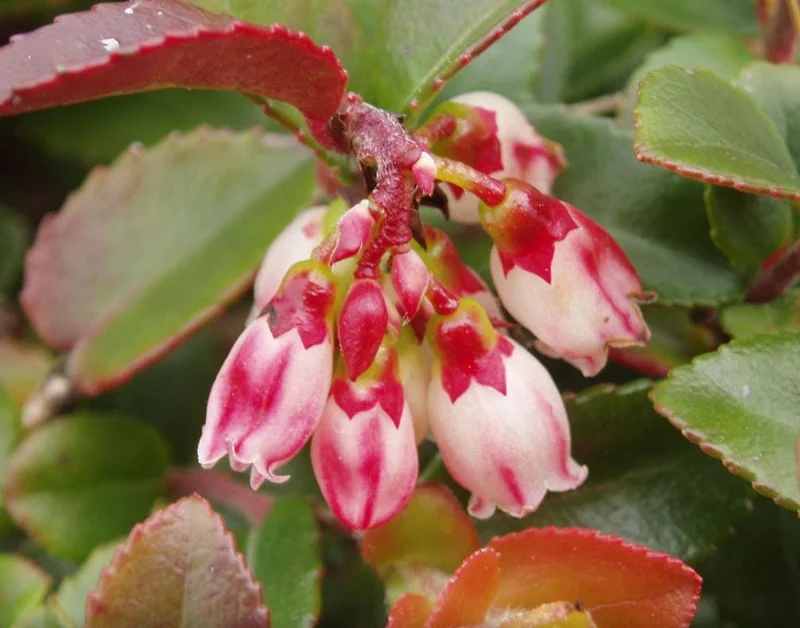
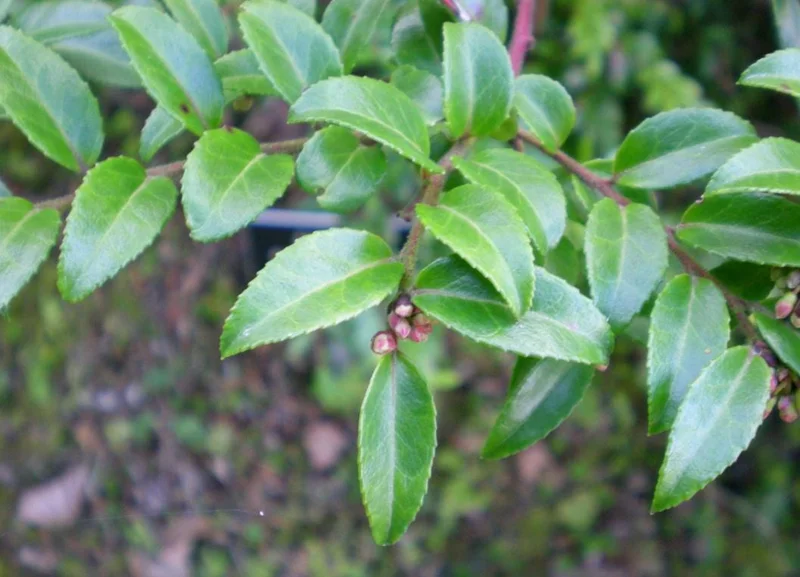
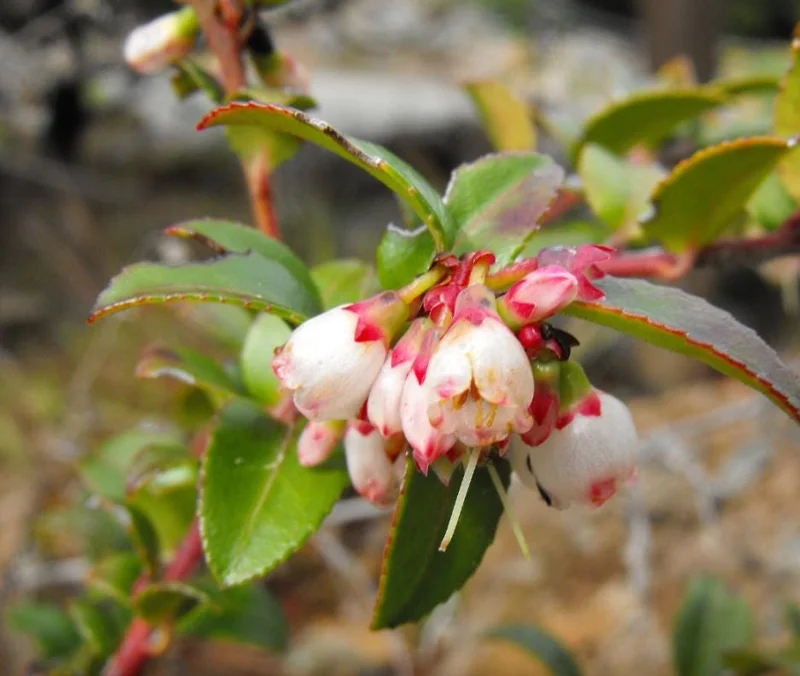
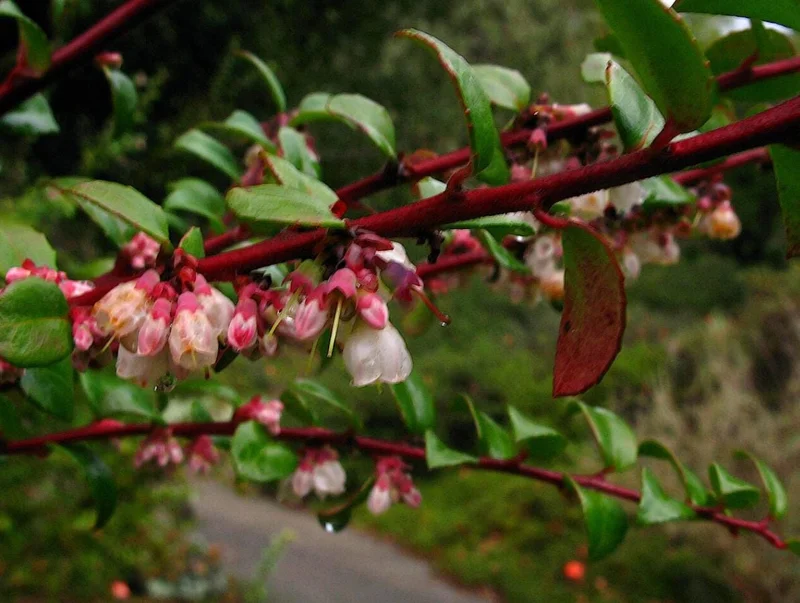
Introduce the charm of the Pacific Northwest to your landscape with this evergreen huckleberry live plant. This tiny Vaccinium ovatum seedling, typically 1-2 inches tall, arrives ready for planting in its small nursery pot. Known for its elegant glossy green leaves and its eventual bounty of sweet, edible berries, the evergreen huckleberry live plant is a delightful and versatile addition to any garden, patio, or woodland setting. As a native species, it contributes to local biodiversity and thrives in conditions that mimic its natural habitat. This hardy evergreen shrub promises to add year-round interest and a touch of wild beauty to your outdoor space, making it a perfect choice for gardeners seeking both aesthetic appeal and a source of delicious fruit. Enjoy the process of nurturing this plant from a delicate seedling to a mature, berry-producing bush.
The evergreen huckleberry live plant is a resilient and adaptable shrub, perfect for those looking to create a naturalized garden area. Its evergreen nature ensures color and life even in colder months, providing visual appeal when many other plants are dormant. Whether you’re an experienced gardener or just starting, this plant offers a rewarding growing experience, culminating in a harvest of delectable berries. Embrace the opportunity to grow your own food and enhance your garden’s ecosystem with this remarkable native plant.
Key Benefits
Cultivating an evergreen huckleberry live plant offers a multitude of advantages, from its aesthetic appeal to its ecological benefits and delicious yield. This plant is a true gem for any garden, providing both beauty and utility throughout the seasons. Its adaptability and low maintenance requirements make it an excellent choice for a variety of garden styles.
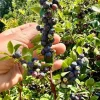
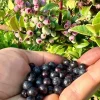
- Edible Berries: Enjoy a seasonal harvest of sweet, flavorful huckleberries directly from your garden. These berries are perfect for snacking, baking, or making jams and preserves, offering a fresh, homegrown treat.
- Year-Round Greenery: As an evergreen shrub, the evergreen huckleberry live plant maintains its vibrant, glossy green foliage throughout the year, providing continuous visual interest and structure in your garden, even in winter.
- Native Plant: Being a native species of the Pacific Northwest, it is well-adapted to cooler climates and natural landscapes, requiring less intervention and supporting local ecosystems and wildlife. This makes it an excellent choice for sustainable gardening.
- Shade Tolerance: Unlike many berry-producing plants, Vaccinium ovatum thrives in partial to full shade, making it ideal for those challenging shaded spots in your garden where other fruit-bearing plants might struggle.
- Low Maintenance: Once established, this hardy shrub requires minimal pruning and is relatively disease-resistant, making it a fuss-free addition to your garden landscape. Its resilience contributes to an easier gardening experience.
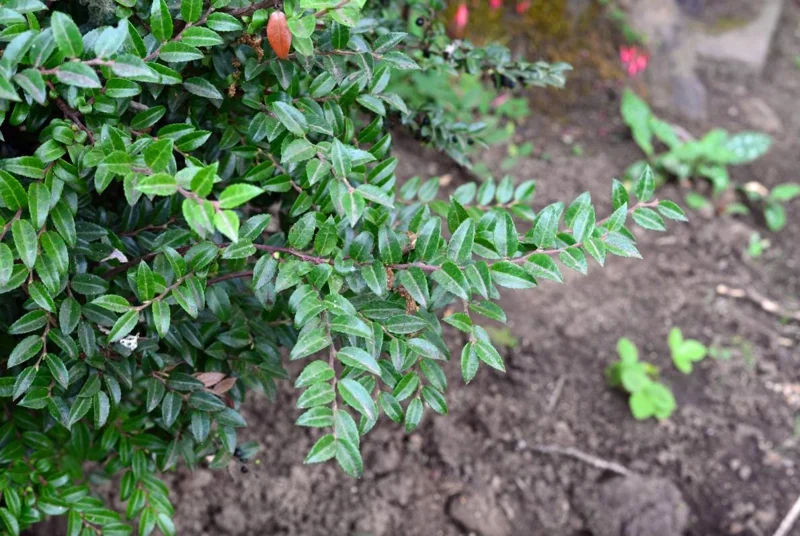
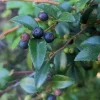
- Attractive Foliage: Beyond its berries, the dense, shiny green leaves of the huckleberry plant provide a beautiful textural element, enhancing the overall aesthetic of your garden beds or woodland-themed areas.
- Wildlife Attraction: The berries are a food source for various birds and small animals, contributing to the biodiversity of your garden and inviting nature closer to home. Growing huckleberries can create a lively garden environment.
Plant Care & Growing Tips
Caring for your evergreen huckleberry live plant is straightforward, especially when you understand its preferred growing conditions. This plant thrives in environments that mimic its native Pacific Northwest habitat. Upon arrival, it’s crucial to transplant your seedling promptly to its permanent location. Choose a spot that offers partial to full shade, as too much direct sun can stress the young plant. The soil should be well-draining and acidic, with a pH between 4.5 and 5.5. Incorporating organic matter like peat moss or compost can help achieve the ideal soil composition and retain moisture.
Consistent moisture is key for a healthy vaccinium ovatum plant, especially during its establishment phase. Water regularly, ensuring the soil remains evenly moist but never waterlogged. Overwatering can lead to root rot, so proper drainage is essential. Fertilize in early spring with a balanced fertilizer specifically formulated for acid-loving plants, following the product’s instructions carefully to avoid overfeeding. Minimal pruning is generally required; focus on removing any dead, damaged, or crossing branches to maintain the plant’s health and shape. This native shrub is hardy and adaptable to cooler climates, typically requiring no special winter protection once mature, making growing huckleberries a relatively easy endeavor.
While the seedlings are delicate when young, with proper care, they will establish and grow into robust, berry-producing shrubs. Understanding the needs of an edible berry bush like the evergreen huckleberry will ensure years of enjoyment. Ensure good air circulation around the plant to prevent fungal issues. Monitor for pests, though huckleberries are generally quite resistant. With these simple guidelines, your pacific northwest native plant will flourish, providing beauty and delicious fruit for many seasons to come.
Size & Details
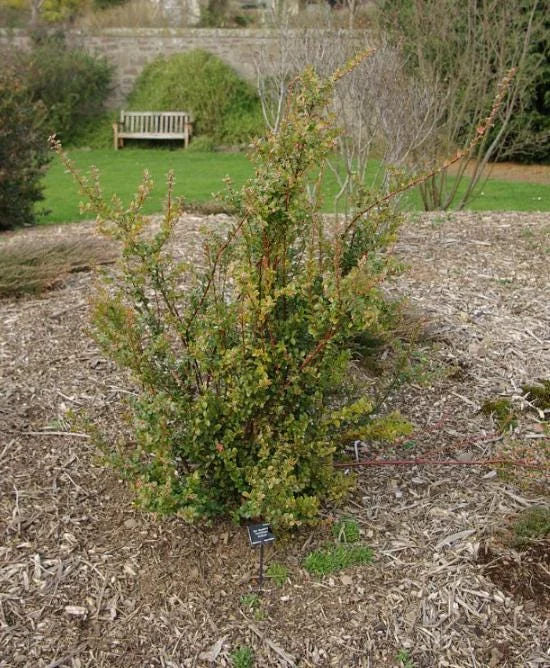
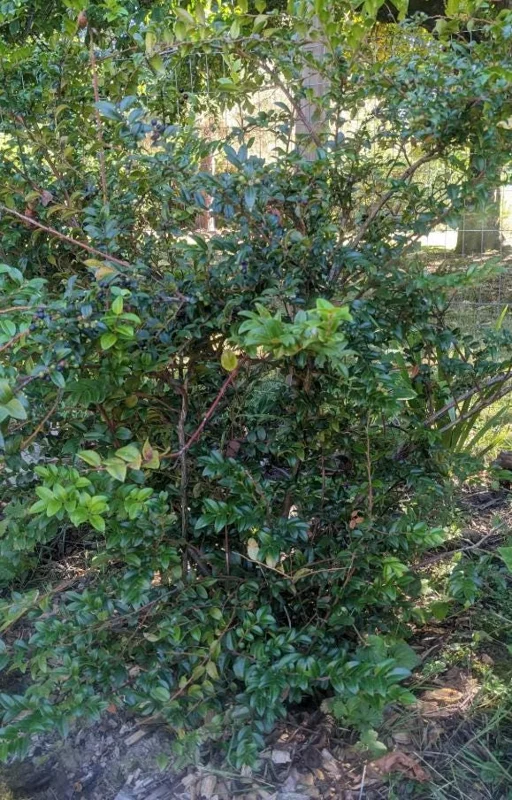
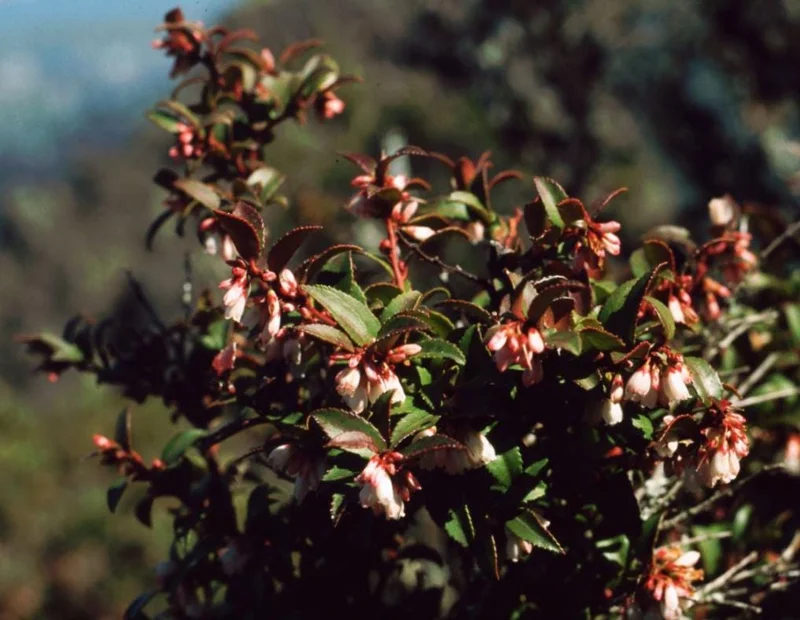
This offering is for a single evergreen huckleberry live plant (Vaccinium ovatum) seedling. At the time of planting, each seedling typically stands between 1-2 inches tall. It arrives in a small 1.5-inch pot, which is sized to accommodate its delicate root system rather than the plant’s height. While small upon arrival, these plants have the potential to grow into hardy shrubs. The growth rate is moderate, and mature plants can reach several feet in height and width, depending on growing conditions and environment. The images often depict mature plants, so please expect a very young and delicate seedling that requires careful attention as it establishes.
This vaccinium ovatum plant is an evergreen perennial, offering continuous foliage. Its compact size at planting makes it easy to handle and integrate into various garden designs. While it will take time for the plant to mature and produce a significant berry yield, the journey of nurturing this edible berry bush from a tiny seedling is incredibly rewarding. Ensure you have adequate space for its mature size when selecting a planting location, considering it’s a pacific northwest native plant known for its resilience and growth.
Frequently Asked Questions
- Q: How big does this evergreen huckleberry live plant get? A: At planting, the seedling is 1-2 inches tall in a 1.5-inch pot. Mature plants can grow several feet tall and wide, depending on growing conditions and climate.
- Q: Is this an indoor or outdoor plant? A: The evergreen huckleberry live plant is an outdoor shrub, best suited for garden beds, woodland landscapes, or large containers outdoors. It thrives in partial to full shade.
- Q: How much sunlight does it need? A: This plant prefers partial shade to full shade. Avoid direct, intense afternoon sun, especially in warmer climates, as it can scorch the leaves.
- Q: Is this plant easy to care for? A: Once established, the vaccinium ovatum plant is considered low-maintenance. It requires consistent moisture and acidic, well-draining soil. Minimal pruning is needed.
- Q: What condition will it arrive in? A: Your huckleberry will arrive as a very young, delicate seedling, typically 1-2 inches tall, rooted in a small 1.5-inch nursery pot. It will require careful handling and immediate transplanting.
- Q: How long until it produces berries? A: While the plant is small upon arrival, it will take several years for it to mature and begin producing a significant harvest of edible berries. Patience and consistent care are key for growing huckleberries.
- Q: Will it survive winter in my zone? A: As a pacific northwest native plant, it is hardy and adaptable to cooler climates. It is suitable for a range of USDA zones and generally requires no special winter protection once established.
- Q: What type of soil does this edible berry bush prefer? A: It thrives in well-draining, acidic soil with a pH between 4.5 and 5.5. Amending the soil with peat moss or pine bark can help achieve the ideal acidity.
- Q: Can I grow this plant in a container? A: Yes, you can grow the evergreen huckleberry live plant in a container, especially when young. As it grows, it will need a larger pot to accommodate its root system. Ensure good drainage.
- Q: Is this plant deer resistant? A: While no plant is entirely deer-proof, huckleberries are generally considered to be less attractive to deer compared to other garden plants.




Reviews
There are no reviews yet.