Overview
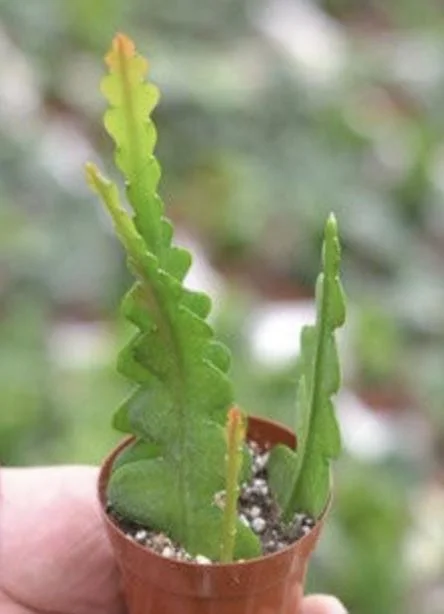
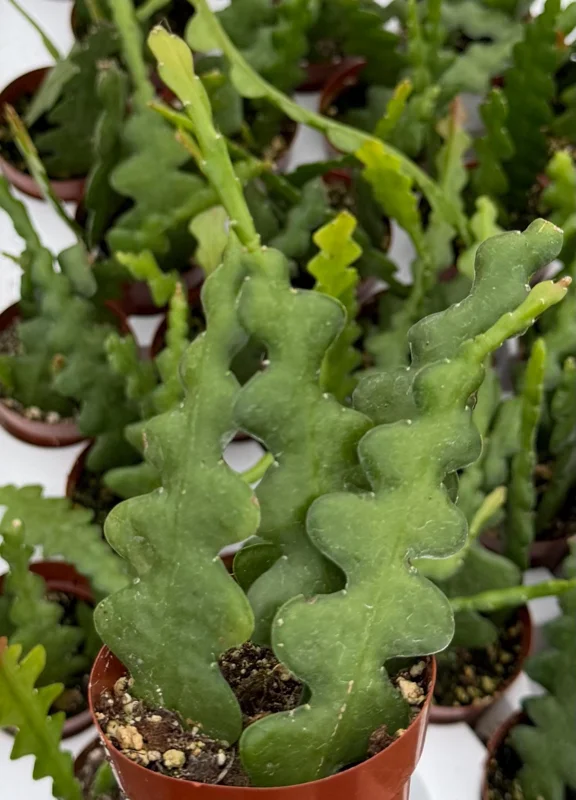
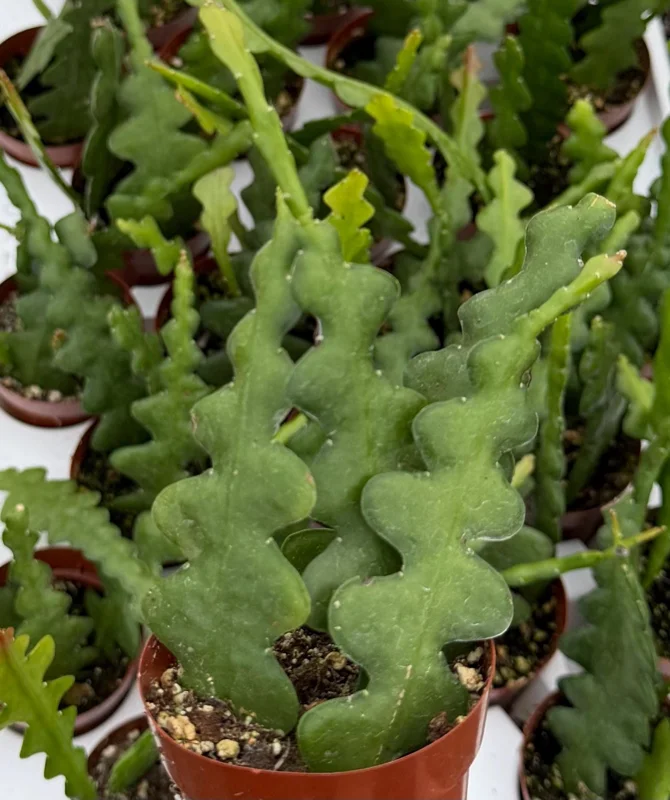
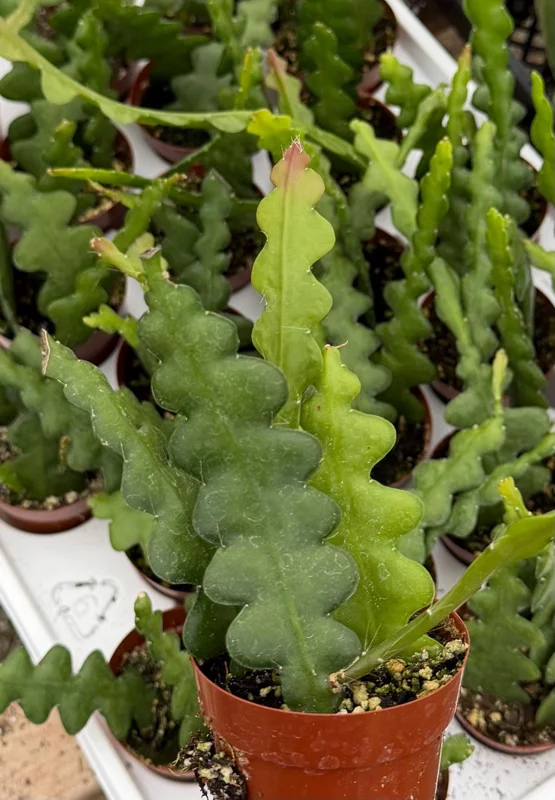
Welcome the captivating fishbone cactus live plant into your indoor garden. Also known as the Zig Zag Cactus or Orchid Cactus, its scientific name is Disocactus anguliger. This unique plant is an epiphytic cactus, native to the tropical rainforests of Mexico, where it naturally grows attached to trees. Unlike desert cacti, the fishbone cactus live plant thrives in conditions closer to a tropical houseplant, preferring bright, filtered light, high humidity, and excellent airflow. Its dramatic, flat, zigzag-shaped stems make it a standout specimen, offering intriguing visual appeal even when not in bloom. This fascinating plant is celebrated for its distinctive foliage and the potential for large, fragrant, night-blooming flowers that are typically white or pale yellow and truly striking.
The fishbone cactus live plant is an ideal choice for both novice and experienced plant enthusiasts looking for something out of the ordinary. Its architectural form and relatively easy care requirements make it a rewarding addition to any home. Whether displayed in a hanging basket to showcase its trailing stems or as a potted centerpiece, this plant is sure to spark conversation and admiration. Embrace the lush, tropical vibe it brings to your living space, and enjoy the unique charm of this magnificent epiphytic cactus.
Key Benefits
The fishbone cactus live plant offers a multitude of benefits, making it a highly desirable addition to your indoor plant collection. From its striking appearance to its manageability, it’s a plant that gives back in many ways.
- Unique Aesthetic Appeal: The most prominent feature of the fishbone cactus live plant is its distinctive zig-zag or fishbone-shaped stems. This unusual growth pattern creates a dramatic and sculptural appearance, adding an exotic and modern touch to any room. It’s a true conversation starter and a focal point in your plant display.
- Easy to Care For: Despite its exotic looks, the zig zag cactus care is surprisingly straightforward. It doesn’t demand constant attention, making it suitable for busy individuals or those new to plant parenting. With proper light and watering, it will thrive happily.
- Potential for Stunning Blooms: While primarily grown for its foliage, mature Disocactus anguliger can produce large, fragrant, white or pale yellow flowers that bloom at night. These ephemeral blooms are a spectacular sight, adding an extra layer of magic to your plant.
- Adaptable to Indoor Environments: As a tropical houseplant, it is well-suited to indoor conditions, especially in spaces with bright, indirect light. It adapts well to typical home humidity levels but appreciates occasional misting.
- Air Purification Qualities: Like many houseplants, the fishbone cactus live plant contributes to a healthier indoor environment by helping to filter air and produce oxygen, improving overall air quality in your home.
- Low Water Requirements (Compared to other tropicals): While it prefers more moisture than desert cacti, it still has relatively low watering needs compared to many other tropical plants. This means less frequent watering, which is a boon for forgetful plant owners.
- Pet-Friendly: The fishbone cactus live plant is generally considered non-toxic to pets, making it a safer choice for households with curious cats and dogs, allowing you to enjoy its beauty without worry.
Plant Care & Growing Tips
Providing the right environment is key to a thriving fishbone cactus live plant. Understanding its native tropical rainforest habitat will guide your care routine, ensuring your Disocactus anguliger flourishes.
Sunlight Requirements: This plant thrives in bright, indirect light. In its natural habitat, it grows under the canopy of trees, receiving dappled sunlight. Avoid direct, harsh sunlight, especially during the hottest parts of the day, as this can scorch its delicate stems. An east-facing window or a few feet away from a south or west-facing window is ideal. If the light is too low, the stems may become leggy and growth can slow. For optimal growth and potential flowering, aim for at least 4-6 hours of bright, indirect light daily.
Watering Schedule and Soil Moisture: Water your fishbone cactus live plant when the top 1-2 inches of soil feel dry to the touch. Unlike desert cacti, it does not like to be kept bone dry for extended periods. However, it is equally important not to let it sit in soggy soil, as this can lead to root rot. Allow excess water to drain completely from the pot. Reduce watering slightly during its dormant period in winter. Consistent, moderate moisture is the goal, balancing between dry and overly wet conditions.
Soil Type and Drainage: A well-draining but slightly organic soil mix is crucial for the fishbone cactus live plant. A good blend would be a standard potting mix amended with perlite, orchid bark, or pumice to improve drainage and aeration. This mimics its epiphytic nature, where roots are accustomed to excellent airflow and quick drying. Avoid heavy, dense soils that retain too much moisture, as this is detrimental to its health. The pot itself should also have drainage holes.
Temperature and Humidity: As a tropical plant, it prefers warm temperatures, ideally between 65-80°F (18-27°C). Protect it from temperatures below 50°F (10°C), as it is not frost-tolerant. High humidity is appreciated, reflecting its rainforest origins. You can increase humidity by misting regularly, placing the pot on a pebble tray with water, or using a humidifier, especially in dry indoor environments. This helps maintain the lushness of its foliage and encourages healthy growth, contributing to excellent zig zag cactus care.
Fertilization: During the growing season (spring and summer), feed your fishbone cactus live plant with a balanced liquid fertilizer diluted to half strength, once every 2-4 weeks. Reduce or stop fertilization during fall and winter when the plant’s growth naturally slows down. Over-fertilization can harm the plant, so always follow product instructions carefully.
Common Problems and Solutions: Yellowing stems can indicate overwatering or nutrient deficiency. Adjust your watering schedule and consider a light feeding. Brown, crispy tips often point to low humidity or underwatering. Leggy growth suggests insufficient light. Pests like mealybugs or spider mites can occasionally appear; treat with neem oil or insecticidal soap. Ensuring proper tropical houseplant care helps prevent most issues.
Size & Details
This offering is for a vibrant fishbone cactus live plant, also known as Orchid Cactus Indoor, supplied in a convenient 2.5-inch grower’s pot. At this size, the plant typically features several well-established zig-zag stems, ready to continue growing and filling out your space. The exact height and spread will vary slightly per individual plant, but you can expect a healthy, compact specimen. When mature, the Disocactus anguliger can develop trailing stems that can extend several feet in length, making it an excellent choice for hanging baskets or elevated shelves where its unique form can be admired.
Your plant will be shipped as a well-rooted, actively growing live plant, carefully packaged to ensure its safe arrival. The growth rate is moderate, allowing you to observe its development over time. While flowering usually occurs on more mature plants, with proper tropical houseplant care, you can anticipate the beautiful night-blooming flowers in due course. This 2.5-inch potted plant is the perfect starter size to establish a magnificent specimen in your home or office, offering a unique textural element and a touch of the exotic.
Frequently Asked Questions
- Q: How big does this plant get? A: A fishbone cactus live plant in a 2.5-inch pot is a starter size. With proper care, its stems can grow quite long, often trailing several feet, making it ideal for hanging displays.
- Q: Is this an indoor or outdoor plant? A: This is primarily an orchid cactus indoor plant, as it prefers stable tropical conditions. It can be moved outdoors in warm, humid, shaded environments during summer months in suitable climates.
- Q: How much sunlight does it need? A: The fishbone cactus live plant thrives in bright, indirect light. Avoid direct, harsh sunlight, which can scorch its leaves. A spot near an east-facing window is usually perfect.
- Q: Is this plant easy to care for? A: Yes, zig zag cactus care is considered relatively easy, making it suitable for beginners. It requires consistent, but not excessive, watering and bright, indirect light.
- Q: What condition will it arrive in? A: Your disocactus anguliger for sale will arrive as a healthy, well-rooted live plant in its 2.5-inch pot, carefully packaged to minimize stress during transit.
- Q: How long until it blooms? A: Fishbone cacti typically need to mature for a few years before they start producing their distinctive night-blooming flowers. Patience and consistent care are key.
- Q: Is it pet-safe? A: Yes, the fishbone cactus live plant is generally considered non-toxic to pets, making it a great choice for homes with curious animals.
- Q: What kind of soil is best for this plant? A: A well-draining, slightly organic soil mix is best for the fishbone cactus live plant. You can use a standard potting mix amended with perlite or orchid bark for improved drainage.
- Q: How often should I water my fishbone cactus? A: Water when the top 1-2 inches of soil are dry. Ensure the pot has good drainage and avoid letting the plant sit in soggy soil to prevent root rot. This is crucial for good tropical houseplant care.
- Q: Does it need high humidity? A: While not strictly essential, the fishbone cactus live plant appreciates higher humidity, especially in dry climates. Misting or using a pebble tray can help create a more favorable environment.





Reviews
There are no reviews yet.