Overview
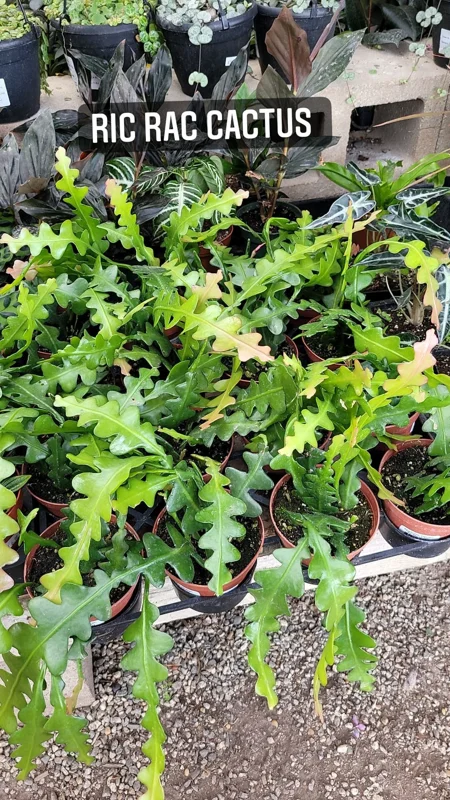
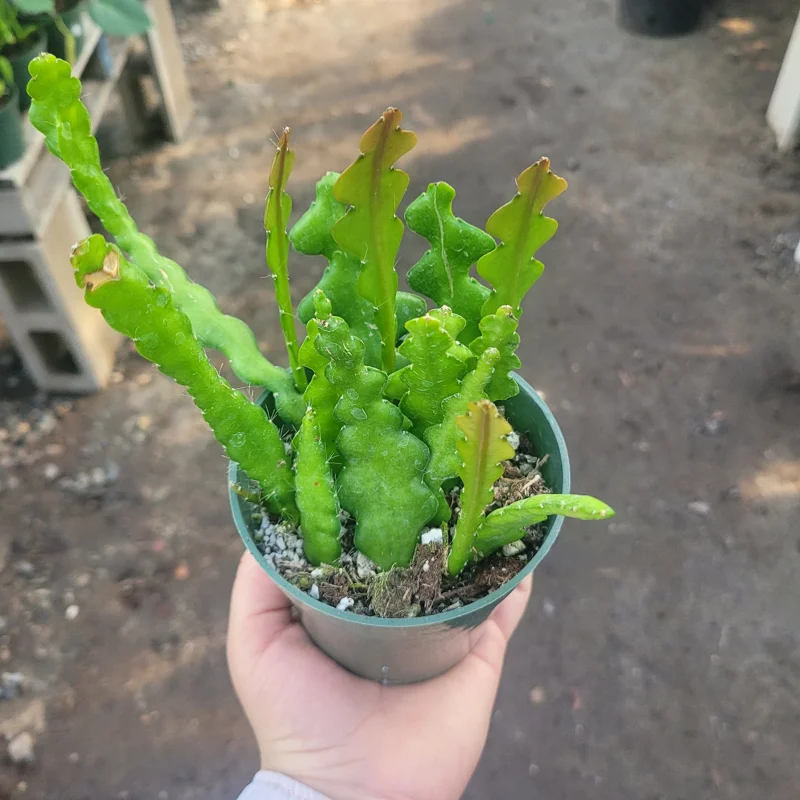
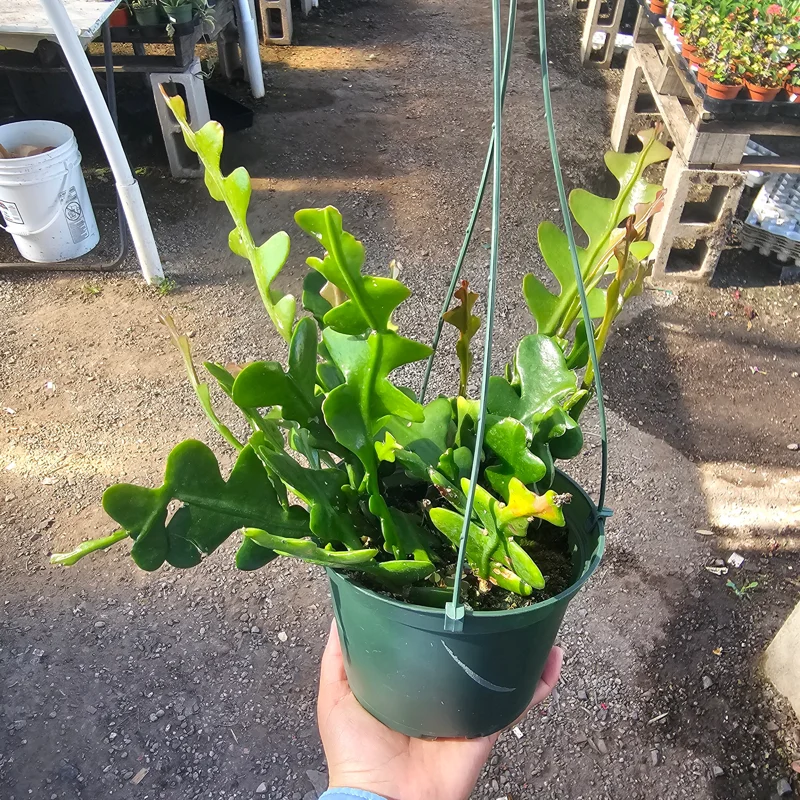
Introduce an exotic touch to your indoor garden with the captivating fishbone cactus live plant. Also widely known as the ric rac cactus or zig zag cactus, this unique succulent, scientifically named epiphyllum anguliger, is a true conversation starter. Its common names perfectly describe its striking appearance: flat, serrated, and deeply lobed stems that resemble a fish’s backbone or a playful zig-zag pattern. This trailing tropical houseplant originates from the rainforests of Mexico, where it naturally cascades from tree branches, creating a dramatic visual display. Despite its cactus classification, it thrives in humid conditions and bright, indirect light, making it an excellent choice for a variety of indoor environments. With proper care, the fishbone cactus live plant can reward you with breathtaking, fragrant pink and white orchid-like flowers, typically blooming at night.
The distinctive foliage of the epiphyllum anguliger is thick, leathery, and vibrant dark green, adding unique texture and color to any plant collection. Its easy-care nature makes it suitable for both novice and experienced plant enthusiasts looking for an unusual yet rewarding addition to their home. Whether displayed in a hanging basket where its stems can gracefully trail or placed on a shelf to showcase its architectural form, this zig zag cactus is sure to become a focal point. Embrace the beauty of the jungle with this low-maintenance and visually stunning succulent.
Key Benefits
The fishbone cactus live plant offers a multitude of benefits, making it a highly desirable addition to any home. Its unique aesthetic and relatively simple care requirements contribute to its widespread appeal. Here are some of the standout advantages of cultivating this remarkable tropical houseplant:
- Unique Ornamental Appeal: The most striking feature of the fishbone cactus live plant is its incredibly distinctive foliage. The saw-tooth or zig-zag shaped stems provide an architectural and exotic look that stands out amongst other houseplants, adding visual interest and a modern touch to your decor.
- Stunning Orchid-like Flowers: Given adequate light, mature plants can produce spectacular, fragrant pink and white flowers that resemble orchids. These blooms are a rare and beautiful reward, typically opening at night and lasting for a short but memorable period.
- Easy Care & Low Maintenance: Despite its exotic appearance, the ric rac cactus is surprisingly forgiving and easy to care for. It doesn’t demand constant attention, making it perfect for busy individuals or those new to plant parenting. Its resilience contributes to its popularity as a houseplant.
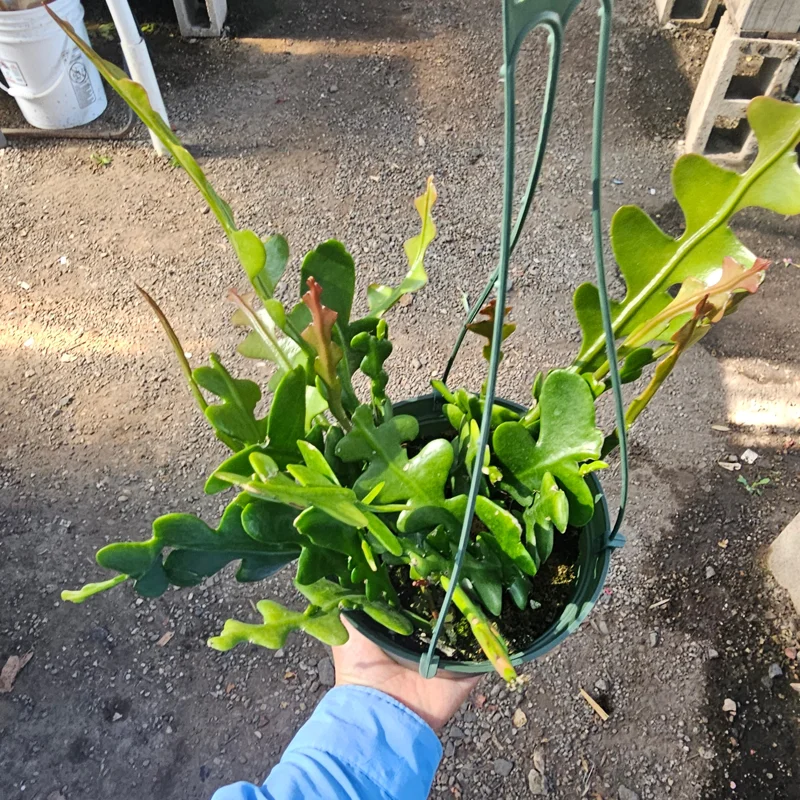
- Ideal for Hanging Baskets: As a naturally trailing plant, the epiphyllum anguliger is perfectly suited for hanging baskets. Its long, cascading stems create a lush, living curtain, adding a touch of jungle charm and maximizing vertical space in your home.
- Adaptable to Indoor Environments: Unlike desert cacti, the zig zag cactus thrives in the typically more humid and indirect light conditions found indoors, making it a well-adapted and happy resident of your home. It doesn’t require harsh, direct sunlight.
- Air Purifying Qualities: Like many houseplants, the fishbone cactus live plant contributes to a healthier indoor environment by helping to filter airborne toxins and improve air quality, promoting a more refreshing living space.
- Conversation Starter: Its unusual appearance makes the fishbone cactus live plant a fantastic conversation piece. Guests will be intrigued by its unique form and elegant blooms, allowing you to share the joy of your plant collection.
Plant Care & Growing Tips
Caring for your fishbone cactus live plant is straightforward, especially when you understand its preferences as a tropical epiphyte rather than a desert cactus. Providing the right conditions will ensure your epiphyllum anguliger thrives and potentially rewards you with its beautiful blooms. The key is to mimic its natural rainforest habitat without overdoing it.
For sunlight, the ric rac cactus prefers bright, indirect light. Avoid direct, harsh sunlight, especially during the hottest parts of the day, as this can scorch its delicate stems and turn them yellow. An east or north-facing window is often ideal, or a spot a few feet away from a south or west-facing window. If the plant isn’t getting enough light, it may not flower, and its growth can become leggy. When it comes to watering, treat your zig zag cactus more like a tropical plant than a desert succulent. Water thoroughly when the top inch or two of soil feels dry to the touch. Allow excess water to drain completely from the pot. Overwatering can lead to root rot, so ensure good drainage. During its active growing season (spring and summer), it will require more frequent watering than in fall and winter when growth slows. Humidity is also a factor; this tropical houseplant appreciates higher humidity, so misting occasionally or placing it near a humidifier can be beneficial.
The ideal soil for your fishbone cactus live plant should be well-draining yet retain some moisture. A good quality orchid mix, or a blend of regular potting soil with added perlite, orchid bark, or coarse sand, works well. This mimics the loose, airy substrate it would find growing on trees in its natural environment. Fertilize sparingly during the growing season (spring and summer) with a balanced liquid fertilizer diluted to half strength, approximately once a month. Reduce or stop fertilizing in fall and winter. The epiphyllum anguliger enjoys average room temperatures, typically between 60-75°F (15-24°C), and should be protected from temperatures below 50°F (10°C). While generally pest-resistant, keep an eye out for common houseplant pests like mealybugs or spider mites, and treat promptly with insecticidal soap if detected. With these simple tips, your ric rac cactus will flourish.
Size & Details
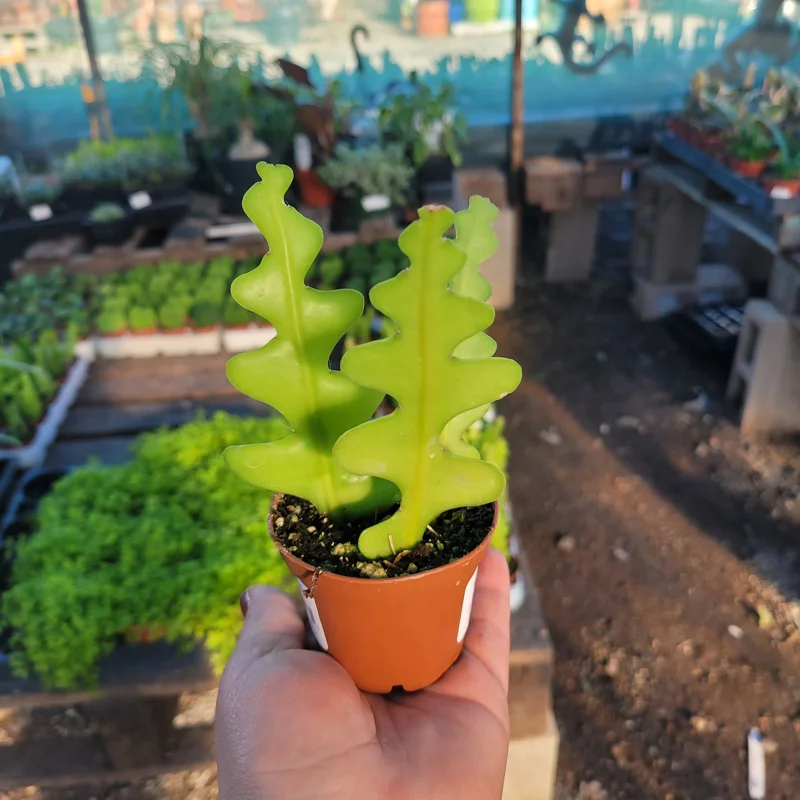
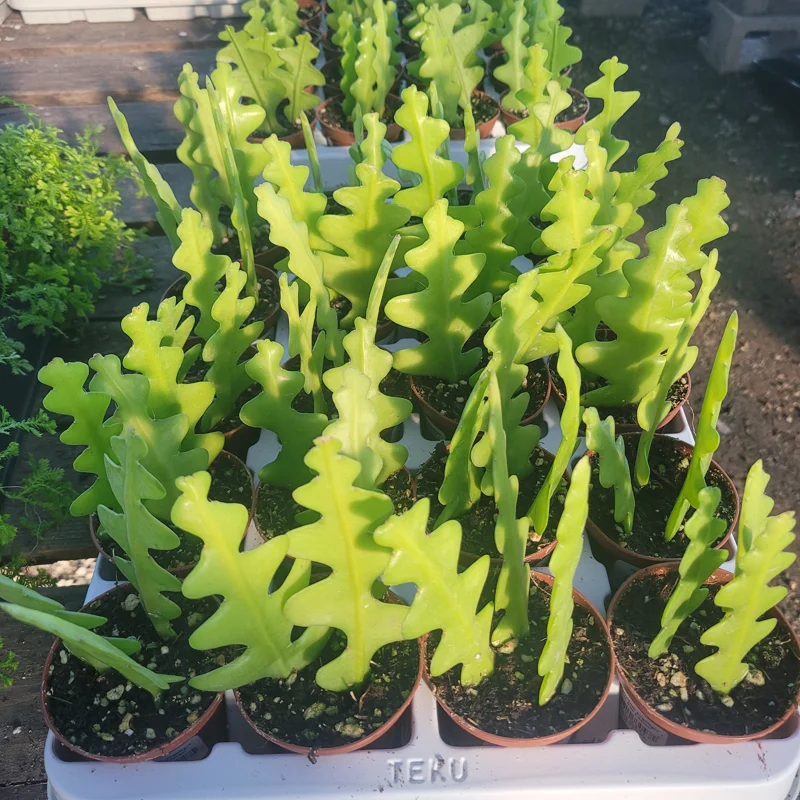
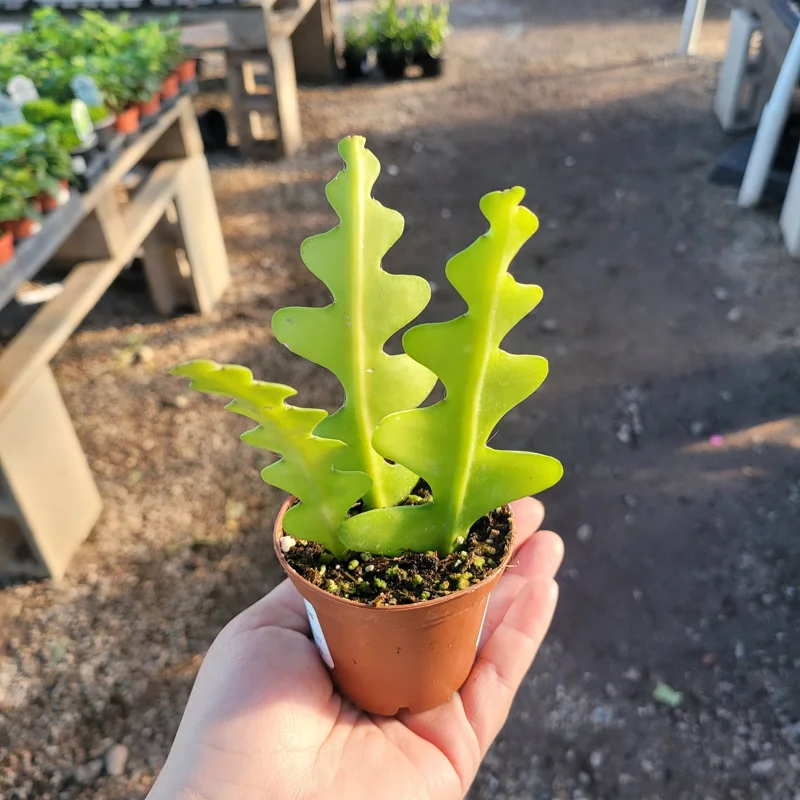
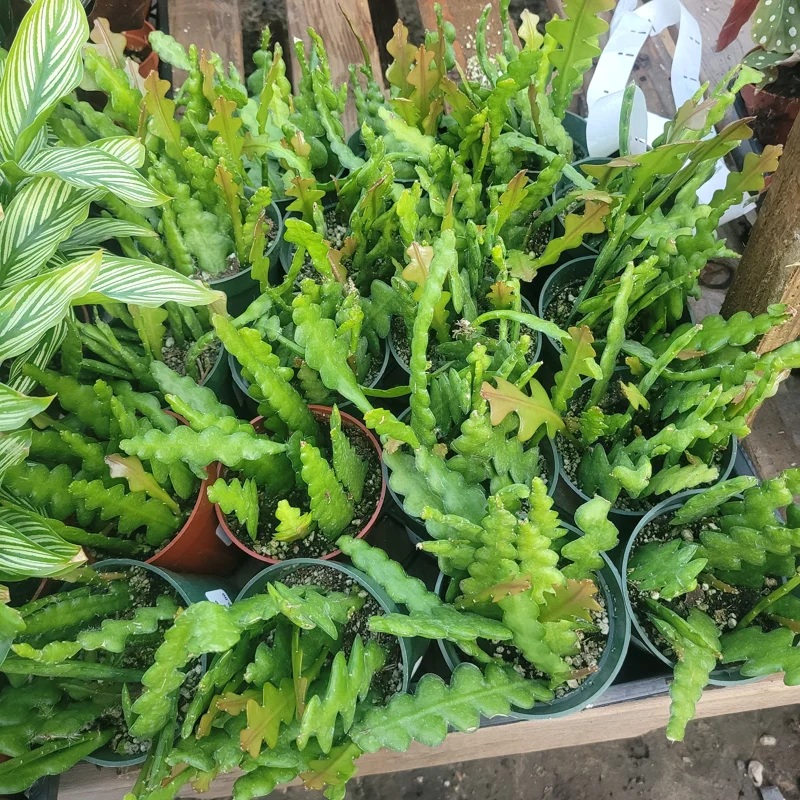
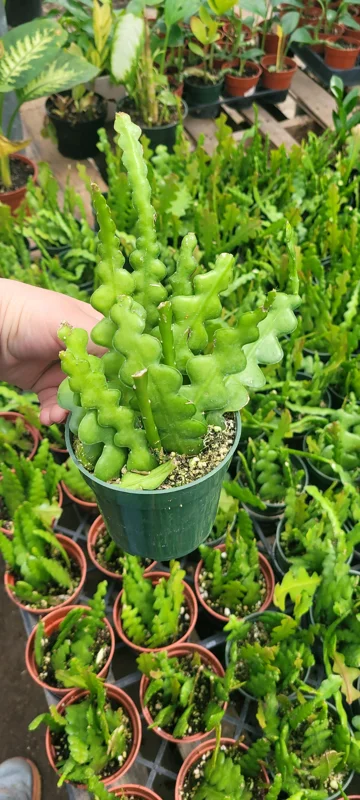
This fishbone cactus live plant is typically shipped as a well-rooted specimen, ready to be potted or placed in its desired location. While exact dimensions can vary slightly due to natural growth, you can expect a healthy plant with established roots and several distinctive zigzagging stems. These plants are known for their moderate to fast growth rate under optimal conditions, quickly developing into impressive trailing specimens. When mature, the stems can reach lengths of 2 to 3 feet or more, gracefully cascading over the edges of pots or hanging baskets. The plant is usually provided in a nursery grow pot, allowing for easy transplanting upon arrival.
The epiphyllum anguliger is a relatively compact plant when young, making it suitable for smaller spaces, but it rapidly grows to fill its container and create a lush display. Expect your zig zag cactus to begin producing its stunning, fragrant flowers once it reaches a certain maturity, usually within 1-3 years, given the right light and care conditions. The thick, leathery, dark green stems maintain their vibrant color throughout the year, providing continuous visual appeal even when not in bloom. This tropical houseplant is a long-lived addition to any collection, offering years of unique beauty.
Frequently Asked Questions
- Q: How big does this fishbone cactus live plant get? A: The stems of the fishbone cactus live plant can grow quite long, typically reaching lengths of 2 to 3 feet or more when mature. It has a trailing growth habit, making it ideal for hanging baskets where its unique foliage can cascade.
- Q: Is this an indoor or outdoor plant? A: The epiphyllum anguliger is primarily grown as an indoor tropical houseplant in most climates. It can be moved outdoors in shaded areas during warm summer months, but it must be brought inside before temperatures drop below 50°F (10°C).
- Q: How much sunlight does the ric rac cactus need? A: The ric rac cactus thrives in bright, indirect light. Avoid direct, harsh sunlight, which can scorch its leaves. An east or north-facing window is usually perfect, or a spot with filtered light.
- Q: Is this plant easy to care for? A: Yes, the zig zag cactus is considered an easy-care plant, suitable for beginners. It’s forgiving of minor neglect and doesn’t require constant attention, making it a great choice for those new to houseplants.
- Q: What condition will the fishbone cactus live plant arrive in? A: Your plant will arrive as a healthy, well-rooted specimen, carefully packaged to minimize stress during transit. It will be in a nursery grow pot, ready for you to transplant into your preferred decorative container.
- Q: How long until my epiphyllum anguliger blooms? A: The epiphyllum anguliger typically blooms once it reaches maturity, which can take 1 to 3 years from a young plant. Consistent bright, indirect light and proper care are key to encouraging flowering.
- Q: What’s the best soil for a tropical houseplant like this? A: A well-draining potting mix that retains some moisture is ideal. A blend of regular potting soil with added perlite, orchid bark, or coarse sand works well to mimic its natural epiphytic growing conditions.







Reviews
There are no reviews yet.