Overview
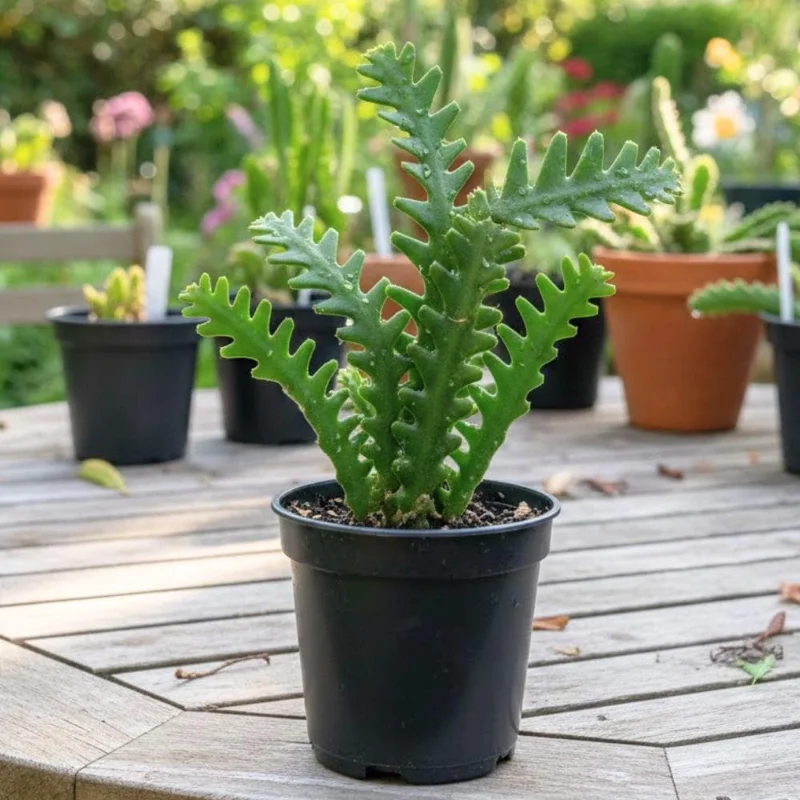
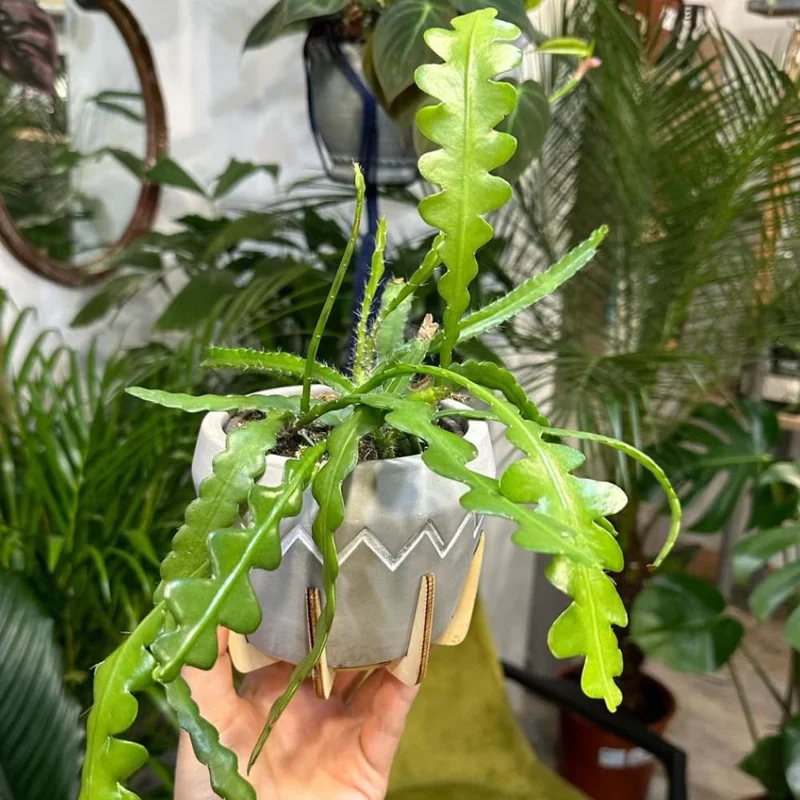
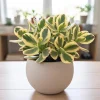
Introduce a touch of exotic elegance to your indoor plant collection with the remarkable fishbone cactus live plant. Also widely known as the Ric Rac Cactus or Zigzag Cactus, this unique succulent (botanical name: Epiphyllum anguliger) is celebrated for its distinctive, fishbone-like stems. Unlike typical cacti, it lacks sharp spines, making it a friendly and fascinating addition to any home or office. Its flat, deeply lobed green stems cascade gracefully, creating a stunning visual display perfect for hanging baskets or elevated shelves. This easy care succulent thrives indoors, bringing a calming and comfortable ambiance to your living space without demanding constant attention. Whether you’re a seasoned plant enthusiast or a beginner, the fishbone cactus live plant offers a rewarding and beautiful growing experience.
The epiphyllum zigzag plant is native to the rainforests of Mexico, where it grows as an epiphyte, meaning it naturally grows on other plants (like trees) rather than in soil. This unique origin explains its preference for bright, indirect light and well-draining soil, mimicking its natural habitat. Its unusual growth habit and architectural form make it a standout specimen, providing instant visual interest and a conversation starter. Embrace the beauty of nature with this captivating and low-maintenance houseplant.
Key Benefits
The fishbone cactus live plant offers a multitude of benefits that make it a favorite among plant lovers, combining aesthetic appeal with ease of care and a unique growth pattern. Its distinctive appearance and adaptability contribute to a vibrant and serene indoor environment.
- Unique Decorative Appeal: The most striking feature of this plant is its flat, zigzag-shaped stems, which resemble a fishbone or ric rac ribbon. This unusual form adds architectural interest and a modern touch to any decor, making it a captivating focal point in your home.
- Easy Care Succulent: Despite its exotic appearance, the epiphyllum zigzag plant is surprisingly low-maintenance. It tolerates a range of indoor conditions and doesn’t require constant attention, making it perfect for busy individuals or those new to plant care.
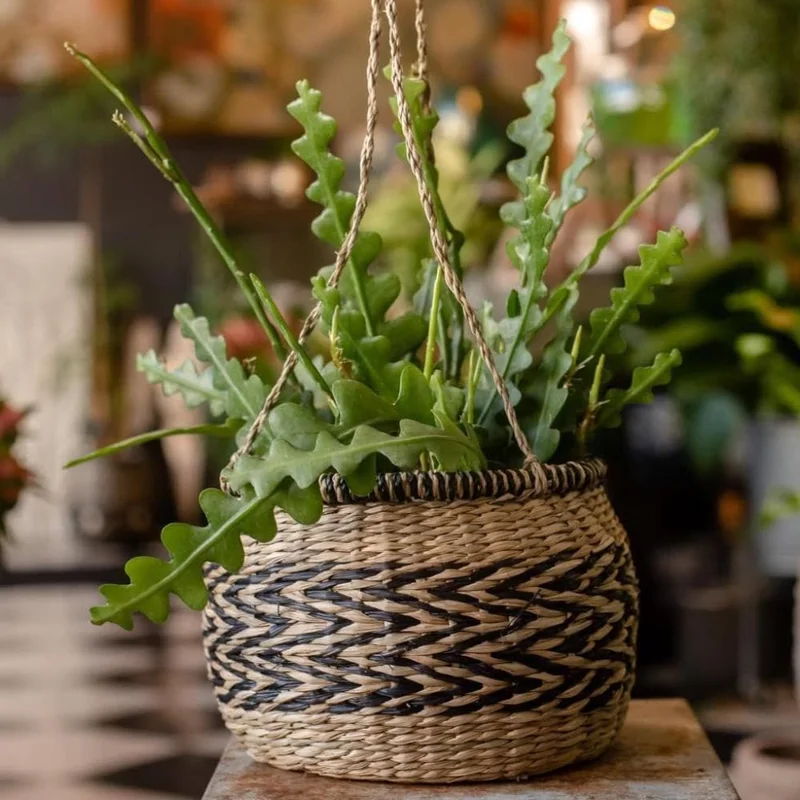
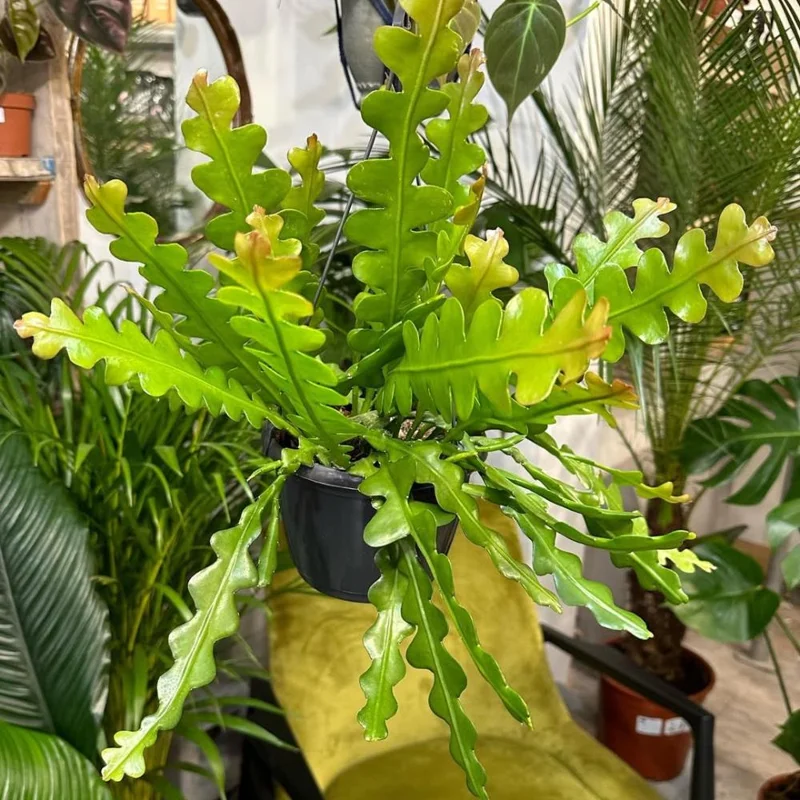
- Ideal Hanging Basket Plant: With its naturally trailing stems, the Fishbone Cactus is perfectly suited for hanging baskets, allowing its unique foliage to cascade gracefully. It also looks stunning on high shelves, where its stems can spill over the edges.
- Air Purifying Qualities: Like many houseplants, the ric rac cactus indoor contributes to a healthier indoor environment by helping to filter out common airborne toxins and releasing oxygen, improving overall air quality.
- Pet-Friendly Option: Generally considered non-toxic to pets, the Fishbone Cactus is a safer choice for homes with curious cats or dogs, allowing you to enjoy lush greenery without significant worry.
- Drought Tolerant: As a succulent, it stores water in its stems, making it quite forgiving if you occasionally forget to water. This characteristic makes it a resilient and hardy houseplant.
- Promotes Well-being: The presence of living plants, especially those with unique forms like the fishbone cactus live plant, has been shown to reduce stress, improve mood, and create a more relaxing and comfortable atmosphere in indoor spaces.
Plant Care & Growing Tips
Caring for your fishbone cactus live plant is straightforward, making it an excellent choice for both novice and experienced plant enthusiasts. Understanding its natural rainforest origins will guide you in providing optimal conditions for its growth. This easy care succulent thrives indoors with consistent, moderate attention.
When it comes to light, the epiphyllum zigzag plant prefers bright, indirect light. Direct, harsh sunlight, especially during the hottest parts of the day, can scorch its delicate stems. An east or north-facing window is often ideal, or a spot a few feet away from a south or west-facing window. If the light is too low, the plant’s growth may become leggy, and it might not produce its beautiful flowers. Conversely, too much direct sun can cause the stems to yellow or redden. This ric rac cactus indoor appreciates consistent, stable light conditions.
Watering is crucial for the fishbone cactus live plant, but it’s important not to overdo it. Allow the top inch or two of soil to dry out completely between waterings. When you do water, do so thoroughly until water drains from the bottom of the pot. Ensure the pot has drainage holes to prevent waterlogging, which can lead to root rot. During the dormant winter months, reduce watering frequency significantly. The ideal soil for this succulent is a well-draining potting mix. A mixture specifically formulated for cacti and succulents, or a regular potting mix amended with perlite or orchid bark, will provide the necessary aeration and drainage. The Fishbone Cactus prefers temperatures between 60-75°F (15-24°C) and appreciates higher humidity, which can be provided by misting or placing it near a humidifier. Fertilize sparingly, typically once a month during the growing season (spring and summer) with a balanced liquid fertilizer diluted to half strength. Common issues include stem rot from overwatering or sunburn from excessive direct light. With proper care, your hanging basket plant will flourish.
Size & Details
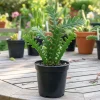
Your fishbone cactus live plant will arrive well-rooted and carefully packed, ready to be introduced to its new home. Typically, these plants are shipped in a nursery pot, often ranging from 4 to 6 inches in diameter, providing a healthy start for growth. The plant will have several established stems, already showcasing its distinctive zigzag pattern. While initial height and spread may vary, the Fishbone Cactus is known for its moderate to fast growth rate under optimal conditions. Mature plants can develop trailing stems that reach several feet in length, making them spectacular specimens for hanging displays. Expect a robust plant with vibrant green foliage, ready to establish and grow.
The Fishbone Cactus is recognized for its epiphytic nature, and while it will thrive in a pot, it naturally seeks to trail. It will gradually fill out its container, with new stems emerging from the base and along existing stems. Over time, these stems will lengthen and cascade, creating a lush, flowing appearance. This plant typically does not require frequent repotting; once every 2-3 years, or when it becomes root-bound, is sufficient. When repotting, choose a container that is only slightly larger than the current one to avoid overwhelming the plant with too much soil, which can retain excess moisture.
Frequently Asked Questions
- Q: How big does this plant get? A: A fishbone cactus live plant can develop trailing stems that reach several feet in length, making it ideal for hanging displays. Its spread will depend on the container size and how often it’s pruned.
- Q: What size pot does it come in? A: The plant typically arrives in a nursery pot, often ranging from 4 to 6 inches in diameter, providing a solid foundation for initial growth. You can choose to keep it in this pot or transfer it to a decorative one.
- Q: Is this an indoor or outdoor plant? A: The epiphyllum zigzag plant is primarily an indoor houseplant, especially in areas with colder climates. It can be moved outdoors to a shaded area during warm summer months, but should be brought inside before temperatures drop.
- Q: How much sunlight does it need? A: It thrives in bright, indirect light. Avoid direct, harsh sunlight, which can scorch its unique stems. An east or north-facing window is usually perfect for this ric rac cactus indoor.
- Q: Is this plant easy to care for? A: Yes, the Fishbone Cactus is considered an easy care succulent. It’s forgiving of occasional neglect and requires minimal attention once its basic light and watering needs are met.
- Q: What condition will it arrive in? A: Your fishbone cactus live plant will be carefully packaged and shipped well-rooted, ensuring it arrives healthy and ready to thrive in your home. We take great care to protect it during transit.
- Q: Is it pet-safe? A: Yes, the Fishbone Cactus is generally considered non-toxic to pets, making it a suitable choice for homes with cats and dogs. However, it’s always best to prevent pets from chewing on plants.
- Q: When is the best time to repot? A: Repotting is best done in spring or early summer when the plant is actively growing. Repot only when the plant becomes root-bound, usually every 2-3 years, into a slightly larger pot with fresh well-draining soil.
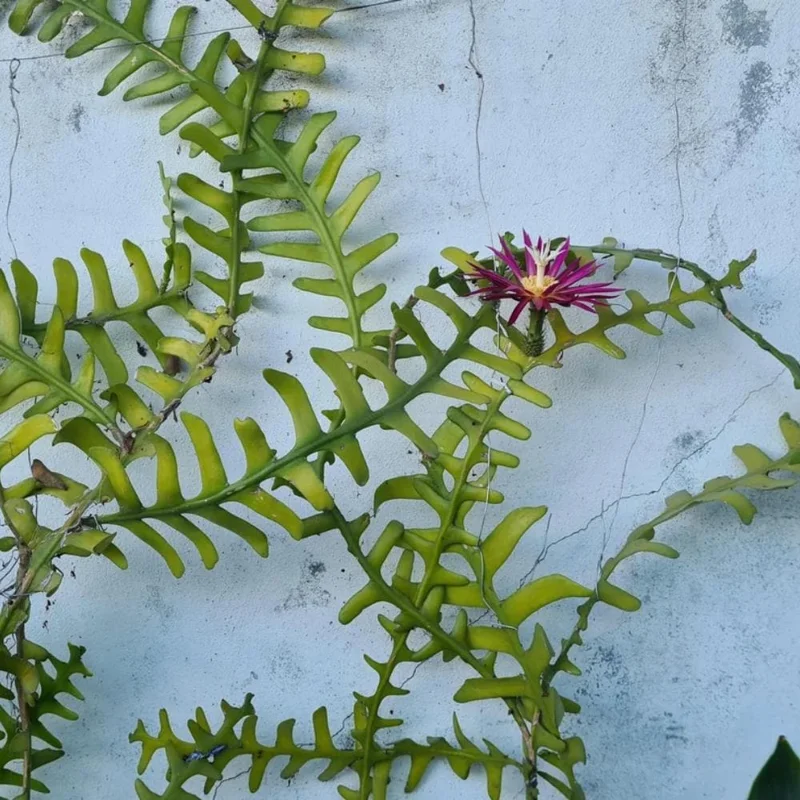
- Q: Does this plant flower? A: Yes, mature fishbone cactus live plant specimens can produce beautiful, fragrant, nocturnal flowers, typically in late summer or fall, adding another layer of beauty to this already stunning plant.
- Q: What type of soil is best for a hanging basket plant? A: A well-draining potting mix is essential. A cactus and succulent mix, or a standard potting mix amended with perlite, orchid bark, or pumice, will provide the ideal conditions for your hanging basket plant to flourish.






Reviews
There are no reviews yet.