Overview
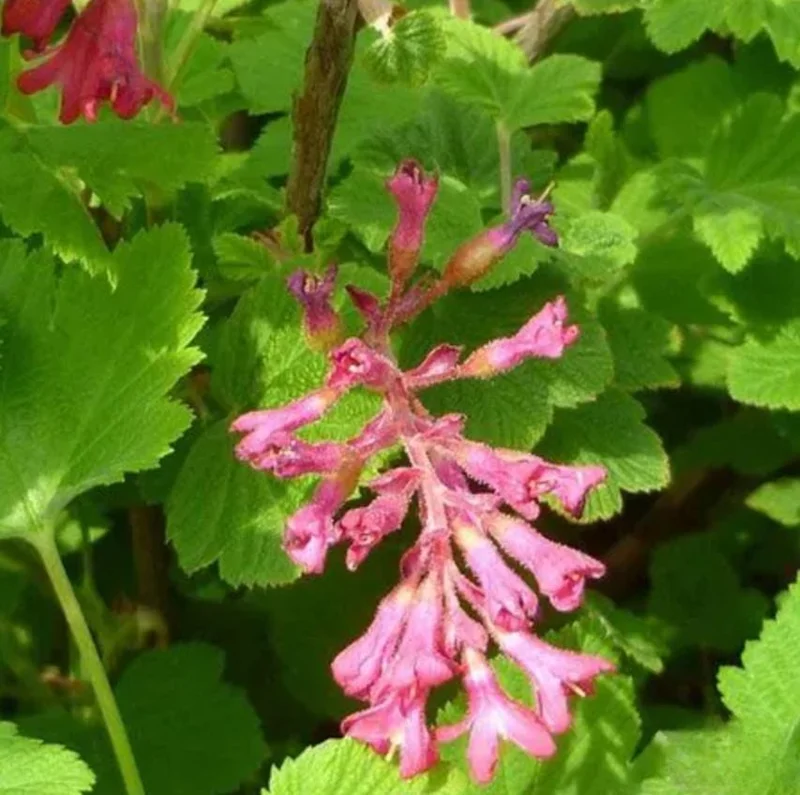
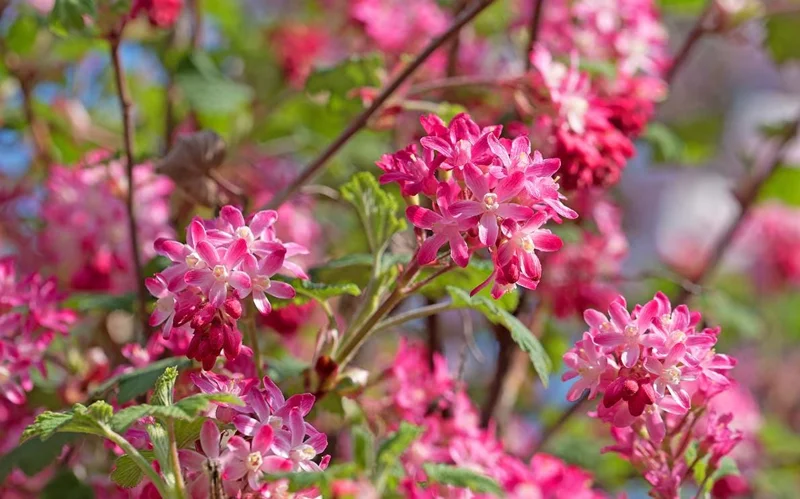
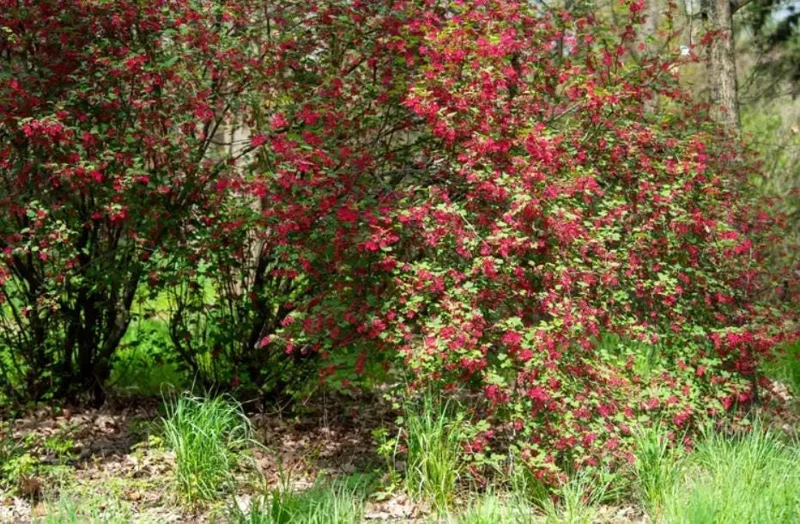
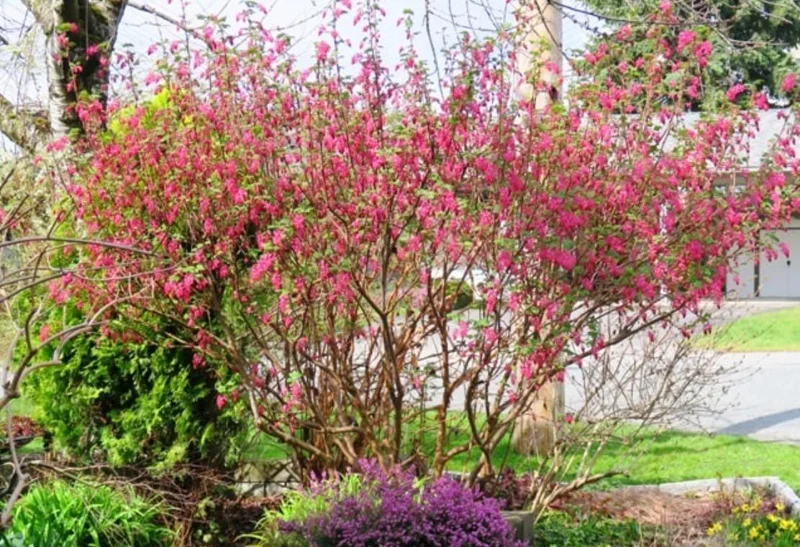
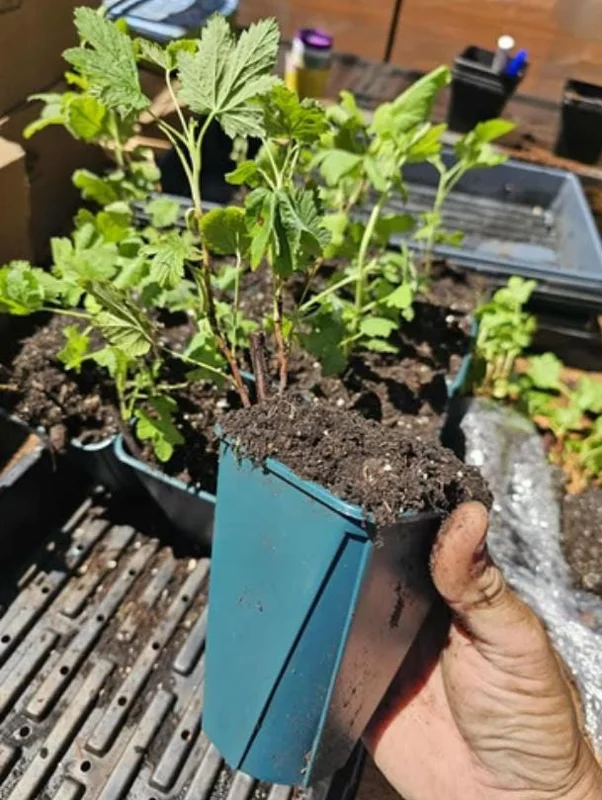
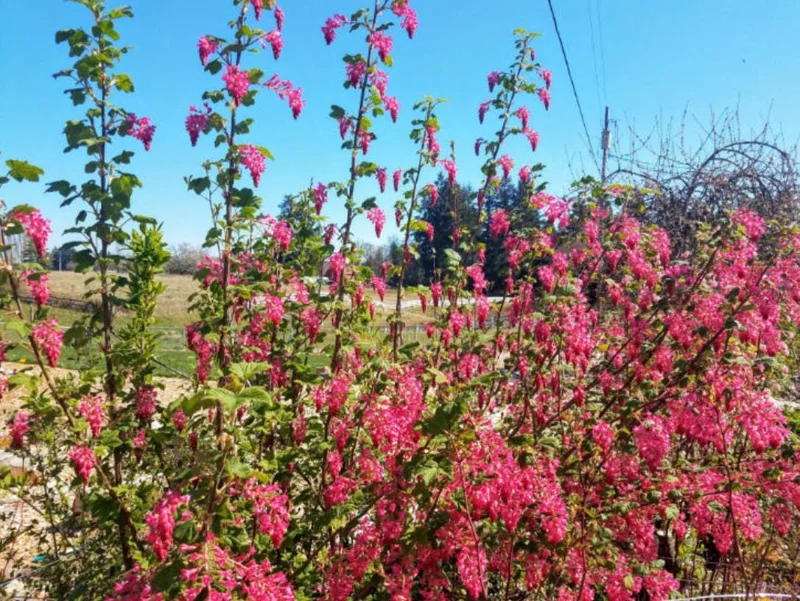
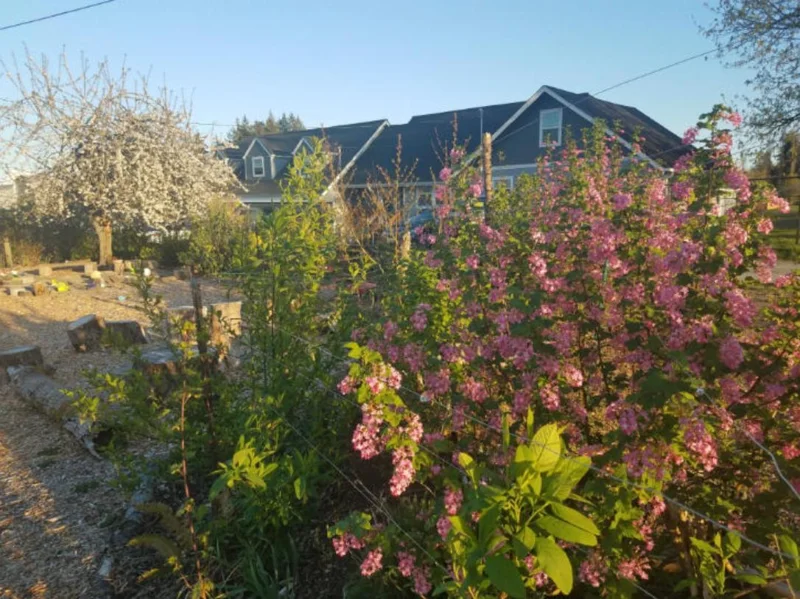
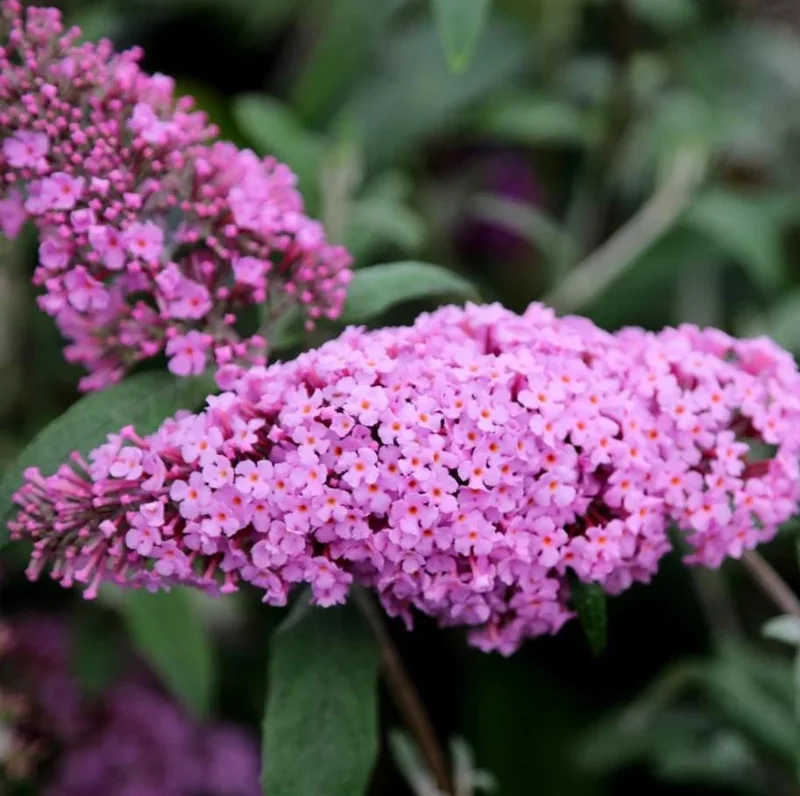
Introduce stunning early spring color to your landscape with a flowering currant live plant. This deciduous shrub, scientifically known as Ribes sanguineum, is celebrated for its striking clusters of pink to deep red flowers that emerge before its foliage. Native to parts of North America, the Ribes sanguineum plant is a true harbinger of spring, providing vital nectar for early-season pollinators like hummingbirds, bees, and butterflies. Each healthy plant arrives approximately 2-4 inches tall in a 3-4 inch pot, ready to be transplanted into your garden to create an instant focal point. Its vibrant blooms and ease of care make it a perfect addition for both novice and experienced gardeners seeking a beautiful and beneficial plant.
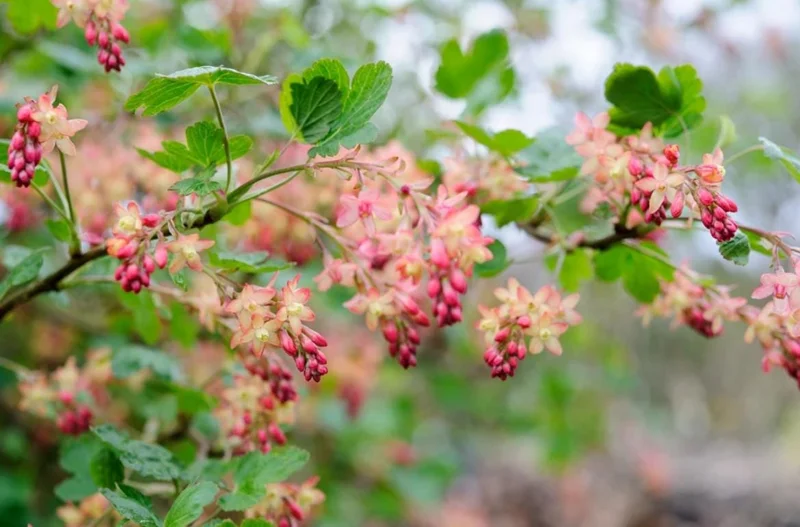
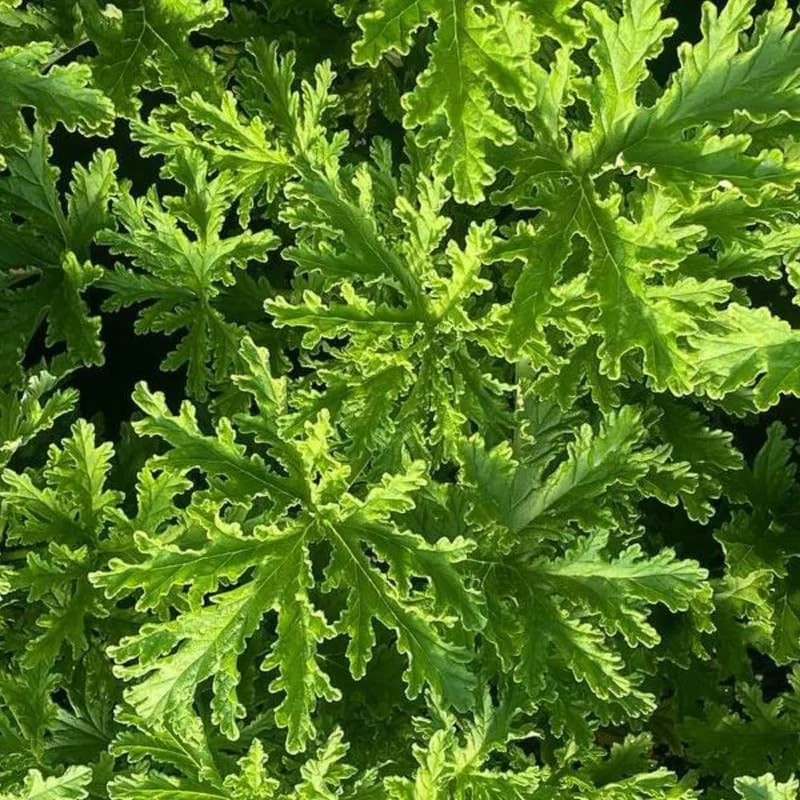
The flowering currant live plant offers more than just visual appeal. Its lobed, aromatic green foliage provides continued interest throughout the growing season, and mature plants may produce small, dark berries that serve as a food source for birds and other wildlife, making it an excellent choice for a pollinator friendly plant. This versatile shrub adapts well to various garden settings, from formal borders to naturalized woodland edges, and is known for its robust nature and ability to thrive with minimal intervention once established.
Key Benefits
Adding a flowering currant live plant to your garden provides numerous advantages, enhancing both its aesthetic appeal and ecological value:
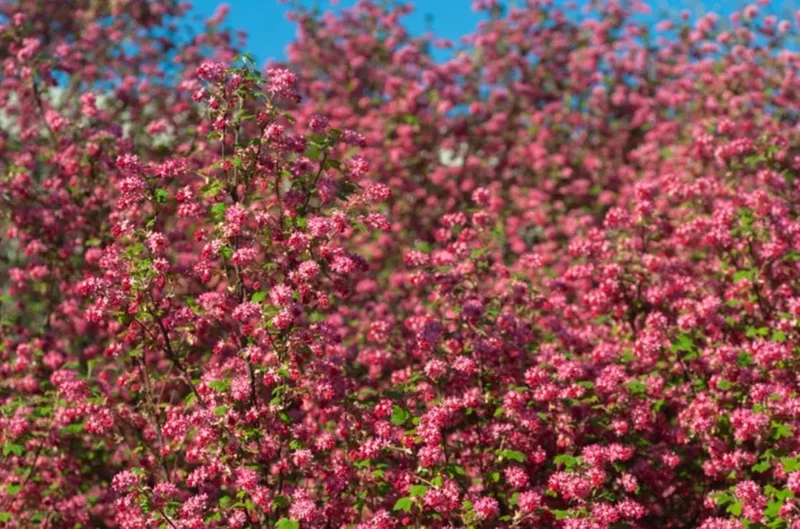
- Spectacular Early Spring Blooms: Enjoy a profusion of vibrant pink to deep red flowers that provide a much-needed splash of color in early to mid-spring, often before other plants have begun to bloom.
- Pollinator Magnet: Attracts a wide array of beneficial pollinators, including hummingbirds, bees, and butterflies, making it an essential component of any pollinator friendly plant garden.
- Wildlife Food Source: Mature plants may develop small, dark berries that offer a natural food source for birds and other local wildlife, supporting biodiversity in your backyard.
- Low Maintenance & Hardy: Once established, this hardy garden shrub is remarkably resilient and requires minimal care, tolerating a range of soil types and light conditions.
- Versatile Landscape Use: Perfect for mixed borders, woodland gardens, cottage gardens, or as a naturalized shrub, contributing to a diverse and beautiful landscape.
- Aromatic Foliage: Beyond its blooms, the lobed green leaves emit a pleasant, subtle aroma, adding another sensory dimension to your garden experience.
- Year-Round Interest: Offers seasonal appeal from its early spring flowers, to lush summer foliage, and potential fall berries, ensuring your garden remains engaging.
Plant Care & Growing Tips
Caring for your flowering currant live plant is straightforward, ensuring it thrives and provides years of beauty. This hardy garden shrub prefers a location with full sun to partial shade, meaning it needs at least 4-6 hours of direct sunlight daily for optimal flowering. While it can tolerate some shade, too much will reduce bloom production. When planting, choose a site with well-draining soil; the plant is adaptable to various soil types, but good drainage is crucial to prevent root rot. Dig a hole twice as wide as the root ball and just as deep, ensuring the top of the root ball is level with the surrounding soil. Water thoroughly after planting to settle the soil around the roots.
For watering, keep the soil consistently moist during the plant’s establishment period, typically its first year. Once established, the Ribes sanguineum plant is moderately drought-tolerant but will benefit from occasional deep watering during prolonged dry spells. Avoid overwatering, especially in heavier soils. Fertilization is not always necessary for this robust shrub, but if your soil is poor or you desire more vigorous growth, apply a balanced, slow-release fertilizer in early spring before new growth begins. Pruning should be done after the flowering period to maintain shape, remove any dead or crossing branches, and encourage healthy new growth for the following season. This helps ensure your pink flowering shrub remains vibrant and productive.
The flowering currant live plant is cold hardy in USDA Zones 5–9, making it suitable for a wide range of climates. In colder zones, ensure it’s planted in a sheltered location. Pests and diseases are generally not a major concern for this resilient shrub, though occasional issues with aphids or powdery mildew can be managed with proper air circulation and organic treatments if necessary. Overall, its minimal care requirements and robust nature make it an excellent choice for creating a beautiful and sustainable garden space.
Size & Details
This offering includes one healthy flowering currant live plant, which arrives ready for planting. Each plant is approximately 2–4 inches tall and is securely rooted in a 3–4 inch nursery pot. This size is ideal for easy transplanting into your garden, allowing the plant to quickly establish itself. The Ribes sanguineum plant is a deciduous shrub with an upright, bushy growth habit. While its initial size is compact, it will grow to a mature height of 6-10 feet with a similar spread, depending on growing conditions and pruning practices. Expect vibrant pink to deep red blooms in early to mid-spring, followed by attractive green foliage throughout the summer. The plant is shipped as a live, actively growing specimen, ensuring it is ready for immediate integration into your landscape.
Frequently Asked Questions
- Q: How big does this flowering currant live plant get? A: This plant will arrive approximately 2-4 inches tall in a 3-4 inch pot. Once mature, the Ribes sanguineum plant can reach a height and spread of 6-10 feet, depending on growing conditions and pruning.
- Q: Is this an indoor or outdoor plant? A: The flowering currant live plant is an outdoor shrub, best suited for gardens, borders, and naturalized landscapes. It is hardy in USDA Zones 5-9.
- Q: How much sunlight does this pink flowering shrub need? A: This shrub thrives in full sun to partial shade, ideally receiving at least 4-6 hours of direct sunlight per day for the best bloom production.
- Q: Is this plant easy to care for? A: Yes, the flowering currant live plant is considered a low-maintenance and hardy garden shrub, especially once established. It’s suitable for both beginner and experienced gardeners.
- Q: What condition will my pollinator friendly plant arrive in? A: Your plant will arrive as a healthy, live specimen potted in a 3-4 inch nursery container, ready for transplanting. We take care to package plants securely for travel.
- Q: When is the best time to plant a flowering currant live plant? A: The best times to plant are in early spring or fall, allowing the plant to establish its root system before extreme temperatures.
- Q: Will this hardy garden shrub survive winter in my zone? A: The flowering currant live plant is hardy in USDA Zones 5-9. If you are within these zones, it should successfully overwinter and return in spring.
- Q: What kind of soil does this plant prefer? A: It prefers well-drained, moderately fertile soil. While adaptable, it’s crucial to avoid overly wet or heavy clay soils to prevent root issues.
- Q: Does this shrub attract wildlife? A: Absolutely! It’s an excellent pollinator friendly plant, attracting hummingbirds, bees, and butterflies with its spring blooms. Mature plants may also produce berries that feed birds.
- Q: Is the flowering currant intended for consumption? A: No, the flowering currant live plant is grown for ornamental and wildlife value and is not intended for human consumption.




Reviews
There are no reviews yet.