Overview
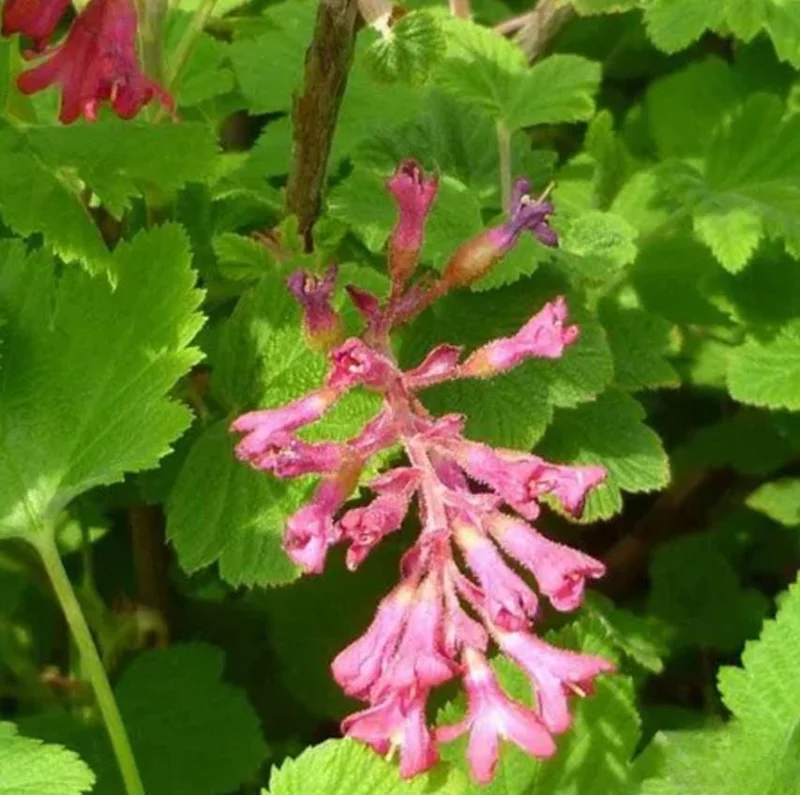
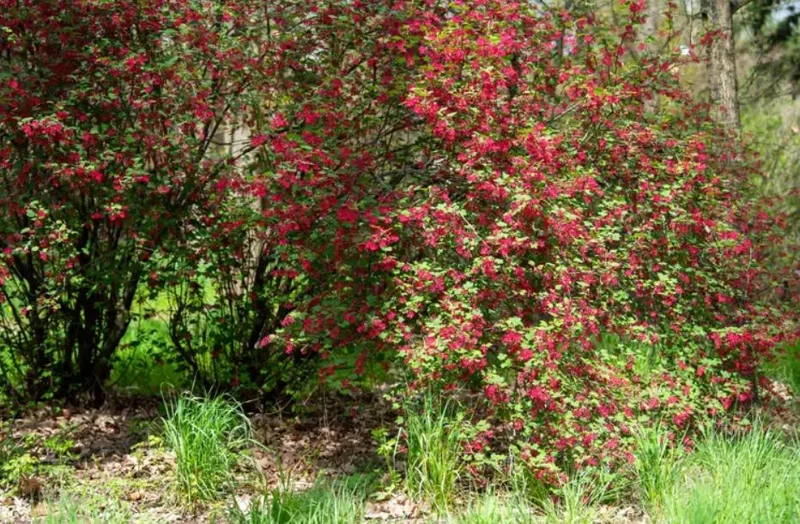
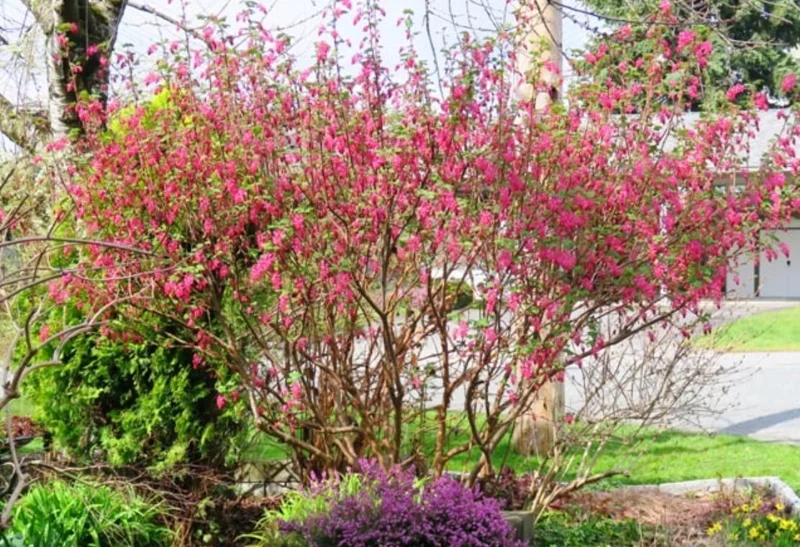
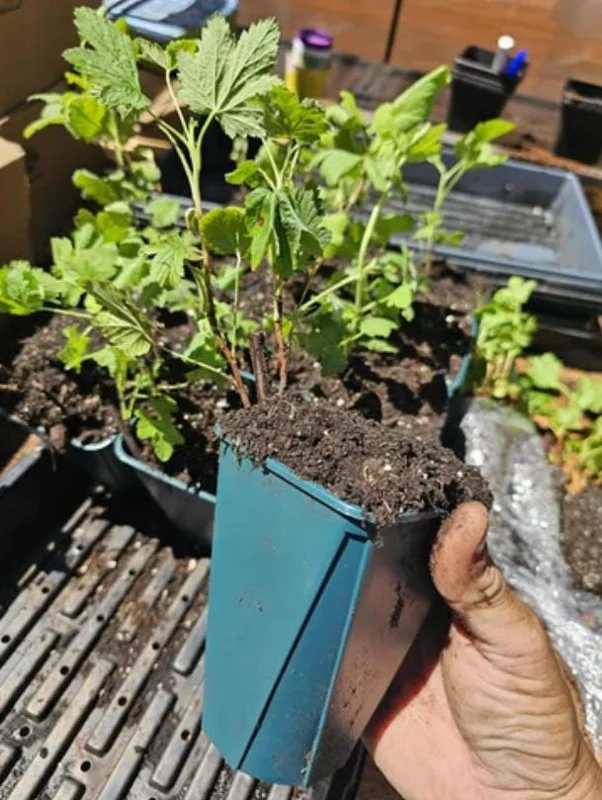
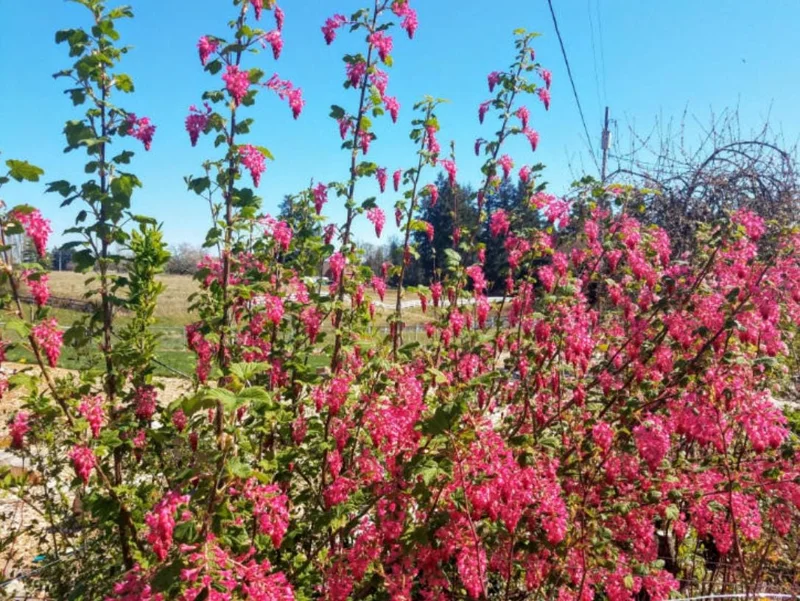
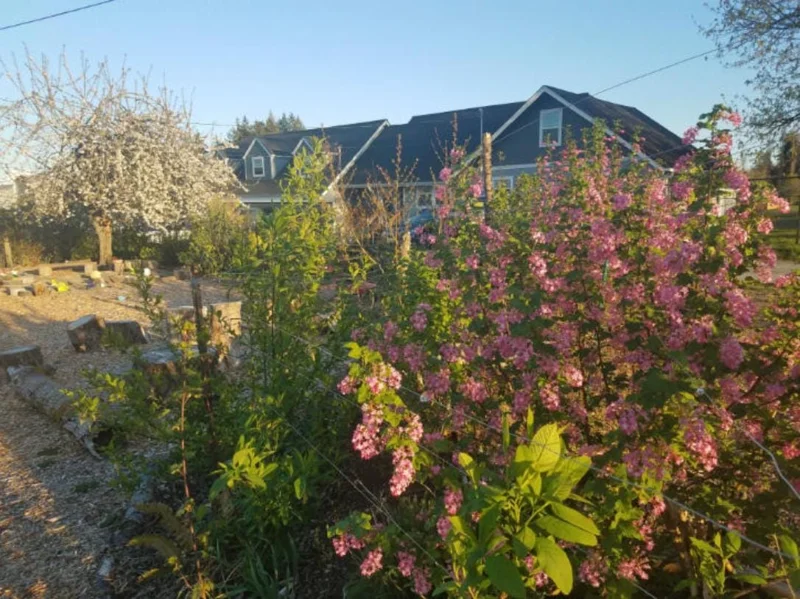
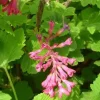
Introduce a burst of early spring color and life into your garden with the exquisite flowering currant live plant. Also known by its botanical name, Ribes sanguineum, this deciduous shrub is a true harbinger of spring, native to the Pacific Northwest of North America. Renowned for its stunning clusters of pink to deep red flowers that emerge before its leaves, it provides a vital early nectar source for pollinators. This particular offering includes a healthy Ribes sanguineum shrub, approximately 2–4 inches tall, delivered in a 3–4 inch pot, perfectly sized for transplanting directly into your garden. Its captivating blooms not only beautify your space but also create a vibrant ecosystem, making it a favorite for those aiming to create a pollinator-friendly haven.
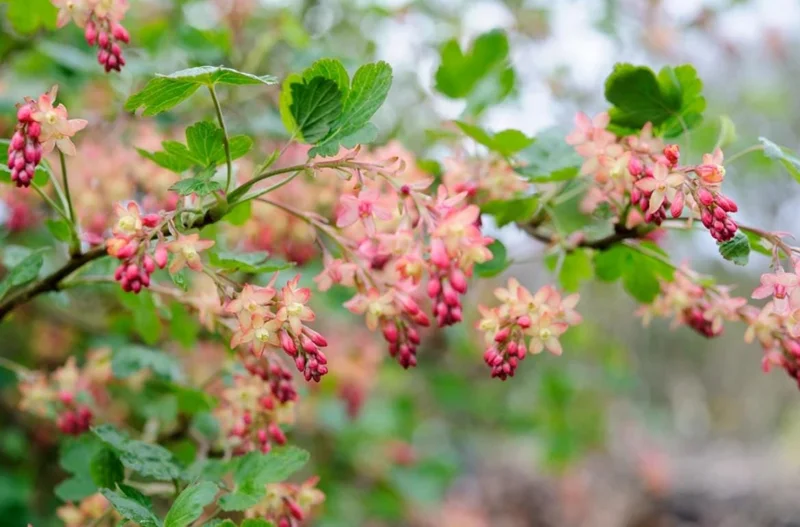
The flowering currant live plant is a versatile and robust addition to any landscape. Its charming flowers are followed by attractive lobed, aromatic green foliage that maintains interest throughout the growing season. As the plant matures, it may produce small, dark berries, offering an additional food source for birds and other wildlife. This hardy garden shrub adapts well to various conditions and is an excellent choice for gardeners seeking both aesthetic appeal and ecological benefit. Whether you’re a seasoned gardener or just starting, the easy care and striking beauty of the flowering currant live plant make it an undeniable asset.
Key Benefits
The flowering currant live plant offers a multitude of benefits, enhancing both the beauty and biodiversity of your outdoor space. Its vibrant blooms and ecological contributions make it a highly desirable choice for many garden styles.
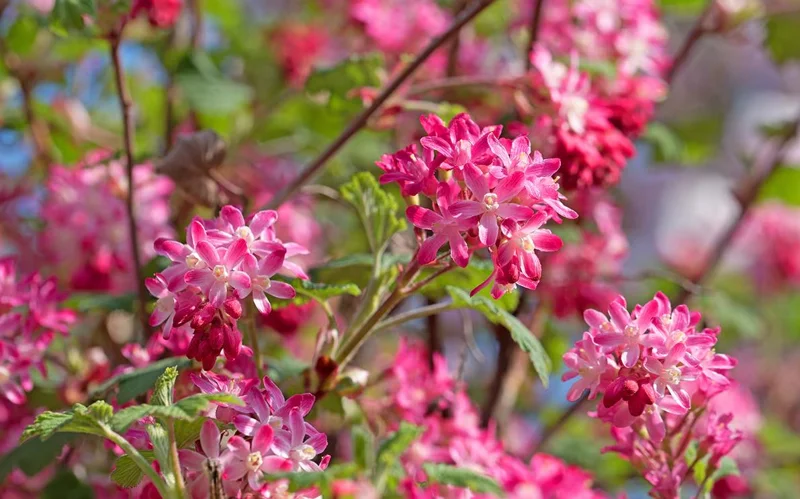
- Stunning Early Spring Blooms: Enjoy a spectacular display of pink to deep red flowers that emerge in early to mid-spring, often before other plants, providing much-needed color after winter. These blooms are a visual delight and a focal point in any garden setting.
- Attracts Pollinators and Wildlife: This pollinator friendly plant is a magnet for hummingbirds, bees, and butterflies, supporting local ecosystems. The small berries produced later in the season also serve as a food source for birds, enhancing your garden’s wildlife appeal.
- Hardy and Low Maintenance: Known for its resilience, the hardy garden shrub thrives with minimal intervention once established. It tolerates a range of soil types and conditions, making it suitable for various garden environments and busy gardeners.
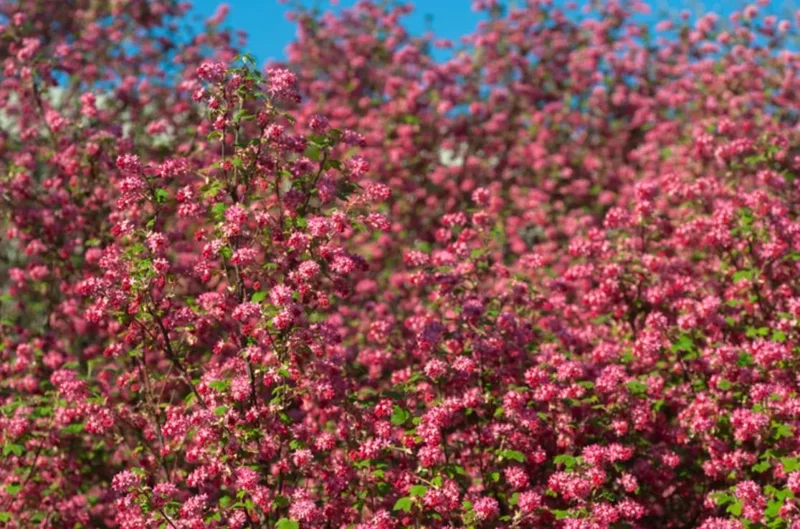
- Versatile Landscape Use: Perfect for mixed borders, woodland edges, cottage gardens, or naturalized landscapes. Its upright, bushy growth habit makes it an excellent choice for adding structure and color without extensive pruning.
- Attractive Foliage: Beyond its blossoms, the Ribes sanguineum shrub features lobed, aromatic green leaves that provide continuous visual interest from spring through fall, even after the flowering period has ended.
- Drought Tolerant Once Established: While it appreciates regular watering during establishment, the flowering currant live plant becomes moderately drought-tolerant, reducing the need for frequent irrigation in mature plants.
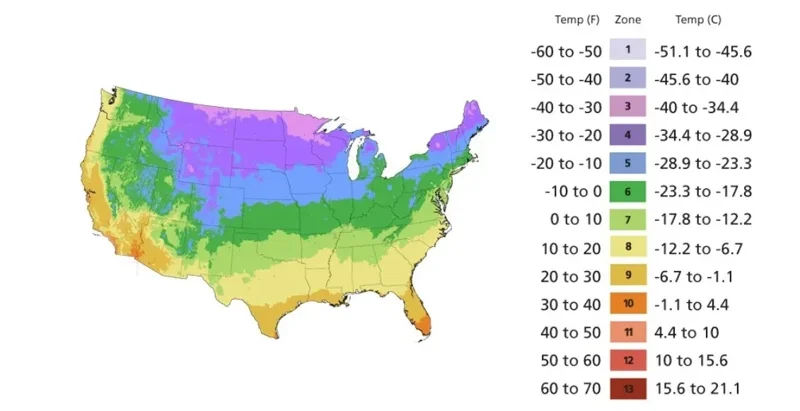
- Cold Hardiness: Suitable for USDA Zones 5–9, this shrub can withstand a good range of cold temperatures, ensuring it returns year after year with its beautiful display.
Plant Care & Growing Tips
Caring for your flowering currant live plant is relatively straightforward, making it an excellent choice for both novice and experienced gardeners. This hardy plant, also known as Ribes sanguineum shrub, thrives with proper placement and minimal ongoing attention once established. For optimal growth and bloom production, choosing the right location is key.
Your flowering currant live plant prefers a location that receives full sun to partial shade. Full sun (at least 6 hours of direct sunlight per day) will generally result in the most abundant flowering, while partial shade (2-6 hours of direct sun, especially afternoon shade in hotter climates) can help protect the plant from scorching. It adapts well to a variety of soil types, but excellent drainage is crucial. Avoid heavy clay soils that retain too much moisture, as this can lead to root rot. A well-draining, moderately fertile soil is ideal. When planting, dig a hole twice as wide as the root ball and just as deep. Place the plant so the top of the root ball is level with the soil surface, then backfill and water thoroughly.
Watering is important, especially during the establishment phase. Water regularly to keep the soil consistently moist but not waterlogged for the first year. Once established, the flowering currant live plant becomes moderately drought-tolerant, requiring less frequent watering. Fertilization is generally not heavily needed; a balanced slow-release fertilizer applied in early spring can boost growth and flowering, but avoid over-fertilizing. Pruning should be done immediately after flowering to maintain its shape, remove any dead or crossing branches, and encourage healthy new growth for the following season. This hardy garden shrub is cold hardy in USDA Zones 5–9, making it suitable for a wide range of climates.
Size & Details
This offering includes one healthy flowering currant live plant, which will arrive in a 3–4 inch nursery pot. The plant itself will be approximately 2–4 inches tall at the time of shipment, ready for transplanting into your garden. Its growth habit is upright and bushy, typically reaching a mature height of 6-10 feet and a spread of 4-8 feet, though this can vary with growing conditions and pruning. The growth rate is moderate, allowing it to establish well within a few seasons. The vibrant pink to deep red blooms appear in early to mid-spring, offering a spectacular seasonal display. This Ribes sanguineum shrub is grown for its ornamental value and its ability to attract pollinators, providing long-lasting beauty and ecological benefits to your landscape.
Frequently Asked Questions
- Q: How big does this flowering currant live plant get? A: This flowering currant live plant typically matures to a height of 6-10 feet and a spread of 4-8 feet, depending on growing conditions and pruning. The plant you receive will be approximately 2-4 inches tall in a 3-4 inch pot.
- Q: Is this an indoor or outdoor plant? A: The flowering currant live plant is an outdoor shrub, best suited for gardens, borders, and naturalized landscapes where it can receive adequate sunlight and space to grow.
- Q: How much sunlight does the Ribes sanguineum shrub need? A: This shrub thrives in full sun to partial shade. For the most abundant blooms, aim for at least 6 hours of direct sunlight daily, especially in cooler climates.
- Q: Is this flowering currant live plant easy to care for? A: Yes, once established, the flowering currant live plant is considered low-maintenance. It’s a hardy garden shrub that tolerates a range of conditions and is suitable for beginners.
- Q: What condition will the plant arrive in? A: Your flowering currant live plant will arrive as a healthy, live specimen in a 3–4 inch pot, approximately 2–4 inches tall, ready for planting. We take great care in packaging to ensure its safe arrival.
- Q: When is the best time to plant a hardy garden shrub like this? A: The best time to plant your flowering currant live plant is in early spring or fall, allowing it ample time to establish its root system before extreme summer heat or winter cold.
- Q: Will this pollinator friendly plant survive winter in my zone? A: Yes, the flowering currant live plant is hardy in USDA Zones 5–9, meaning it can withstand cold temperatures within this range and will return each spring.
- Q: What type of soil does the flowering currant prefer? A: It prefers well-drained, moderately fertile soil. Good drainage is essential, so avoid overly wet or heavy clay soils.
- Q: How often should I water my new Ribes sanguineum shrub? A: Water regularly during the first year to keep the soil consistently moist. Once established, it becomes moderately drought-tolerant and will require less frequent watering.
- Q: Can I prune my flowering currant? A: Yes, prune your flowering currant live plant immediately after it finishes flowering. This helps maintain its shape, removes old wood, and encourages new growth for the next season’s blooms.



Reviews
There are no reviews yet.