Overview
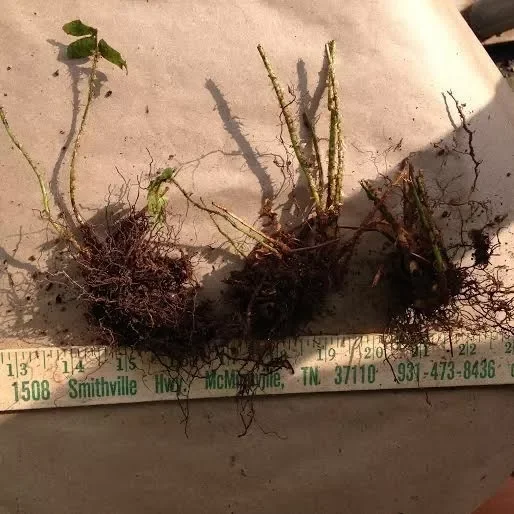
Embark on the rewarding journey of growing your own vibrant landscape with our premium forsythia bush cuttings. This collection provides you with 12 carefully selected, unrooted stems, each measuring a healthy 6 to 8 inches in length. Forsythia, known for its spectacular golden-yellow blooms that herald the arrival of spring, is a beloved deciduous shrub in gardens across the United States. These cuttings are the perfect starting point for enthusiasts looking to propagate new plants, offering an economical and satisfying way to expand your garden or share with fellow plant lovers. Propagating from cuttings allows you to replicate the exact characteristics of a mature Forsythia, ensuring you get the same stunning display of flowers and robust growth. Get ready to transform your outdoor spaces with these easily propagated and beautiful shrubs.
Our unrooted forsythia cuttings are harvested from healthy, mature plants, ensuring genetic vigor and a high success rate for rooting. This method of propagation is ideal for gardeners who enjoy hands-on cultivation and wish to establish multiple plants without the cost of purchasing mature shrubs. With a little care and patience, these cuttings will develop into strong, flowering bushes that will brighten your spring landscape for years to come. Forsythia is a hardy and adaptable plant, making these cuttings a fantastic choice for both novice and experienced gardeners eager to expand their plant collection.
Key Benefits
Growing forsythia bush cuttings offers a multitude of advantages for any gardener. These vibrant shrubs are not only beautiful but also incredibly rewarding to cultivate. Here are some of the key benefits:
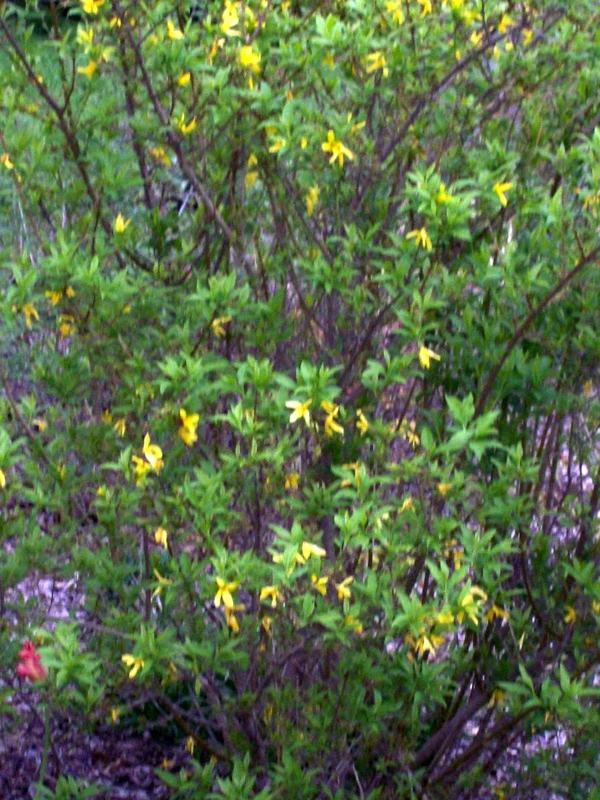
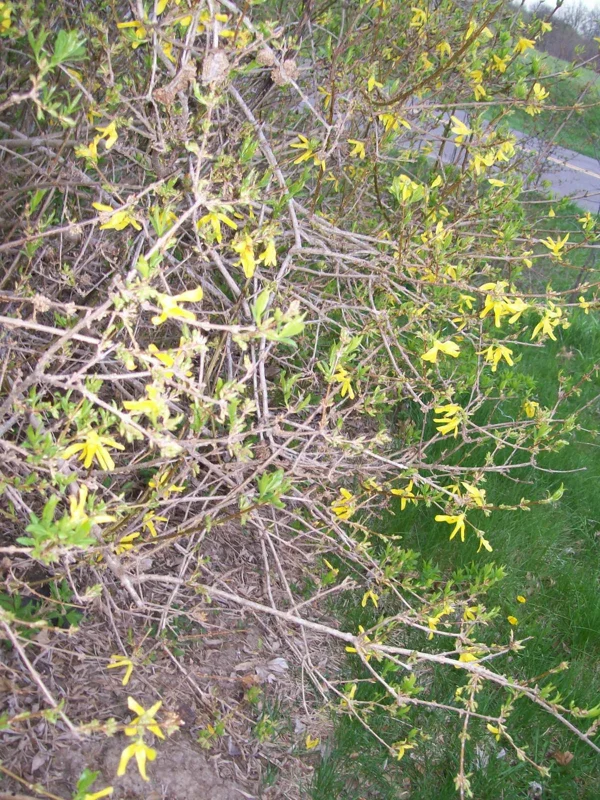
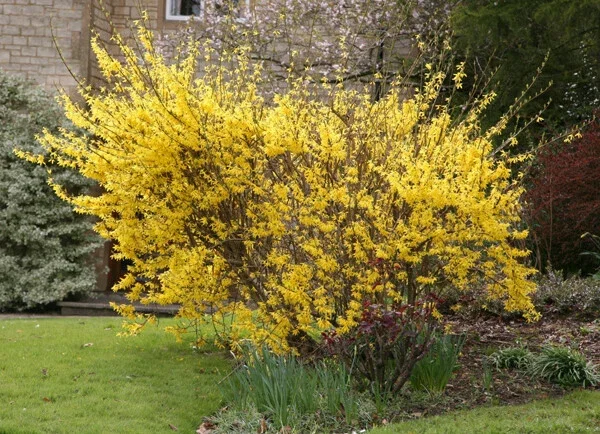
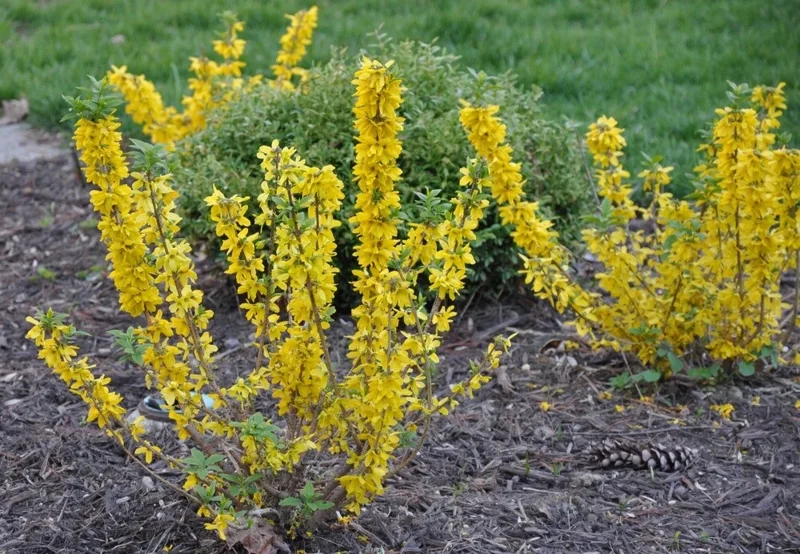
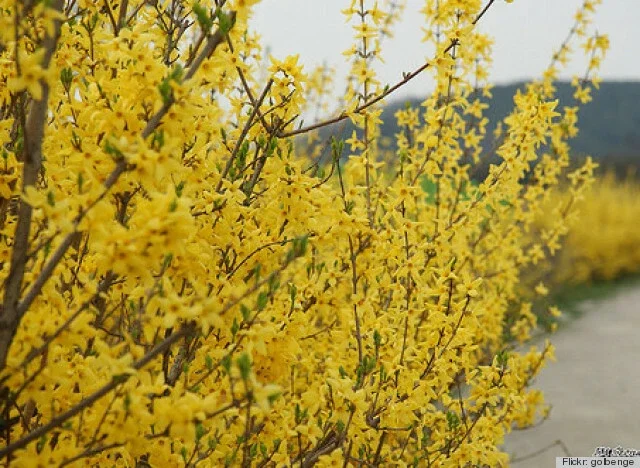
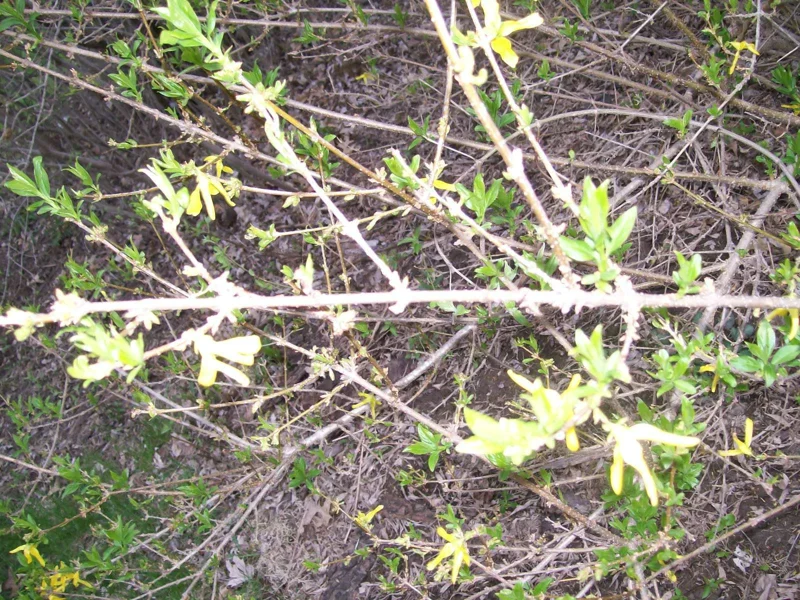
- Spectacular Spring Blooms: Forsythia is renowned for its profusion of bright yellow flowers that appear in early spring, often before the leaves emerge, providing a stunning splash of color when most other plants are still dormant.
- Easy Propagation: These unrooted cuttings make it simple to grow forsythia from cuttings, allowing you to multiply your garden’s beauty or create living gifts for friends and family with relative ease.
- Low Maintenance: Once established, Forsythia bushes are remarkably robust and require minimal care, thriving in a variety of soil conditions and tolerating some neglect, perfect for busy gardeners.
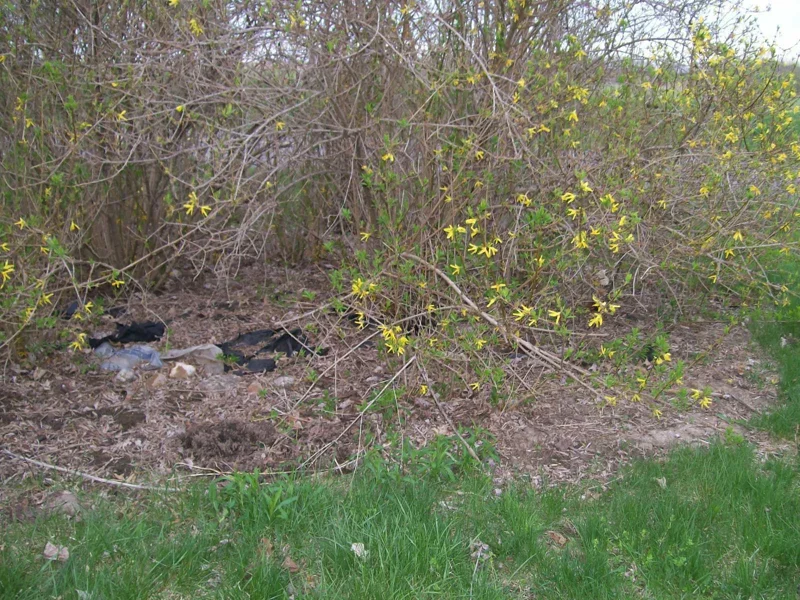
- Versatile Landscaping: Ideal for hedges, borders, mass plantings, or as a vibrant specimen plant, Forsythia adapts well to many landscape designs, adding structure and seasonal interest.
- Fast Growth Rate: Forsythia is a relatively fast-growing shrub, meaning your cuttings will quickly develop into substantial plants, providing quicker gratification for your gardening efforts.
- Attracts Pollinators: The early spring flowers provide a valuable nectar source for early emerging bees and other pollinators, supporting local ecosystems.
- Drought Tolerance: Mature Forsythia plants exhibit good drought tolerance, making them a sustainable choice for water-wise gardening once established.
Plant Care & Growing Tips
Successful propagation and cultivation of your forsythia bush cuttings require a few simple steps. Upon arrival, prepare your rooting medium. A mix of peat and perlite or a specialized rooting mix works well to provide good drainage and moisture retention. Dip the cut end of each stem in rooting hormone (optional but recommended for faster results) and then insert them into your prepared medium. Ensure at least two nodes are buried in the soil, as roots will emerge from these points. Keep the rooting medium consistently moist but not waterlogged, and place the cuttings in a location with bright, indirect light.
Once your unrooted forsythia cuttings have developed a strong root system, typically within 6-8 weeks, they can be transplanted to individual pots or directly into the garden. Choose a location that receives full sun to medium sun (at least 6 hours of direct sunlight per day) for optimal flowering. Forsythia thrives in well-draining soil with a pH between 6.0 and 7.0. While adaptable to various soil types, enriching the soil with compost will promote vigorous growth. Water regularly during the first growing season to help establish the young plants. After establishment, Forsythia is quite drought-tolerant, but occasional deep watering during prolonged dry spells will be beneficial. Fertilize lightly in early spring with a balanced slow-release fertilizer.
Pruning is essential for maintaining the shape and vigor of your Forsythia. The best time to prune is immediately after flowering in spring. Remove about one-third of the oldest stems down to the ground to encourage new growth and abundant blooms for your forsythia plant outdoor. Avoid pruning in late summer or fall, as you risk cutting off the flower buds for the following spring. Forsythia is generally disease and pest-resistant, making it a relatively trouble-free shrub to grow. These tips will help you successfully grow forsythia from cuttings into beautiful, mature plants.
Size & Details
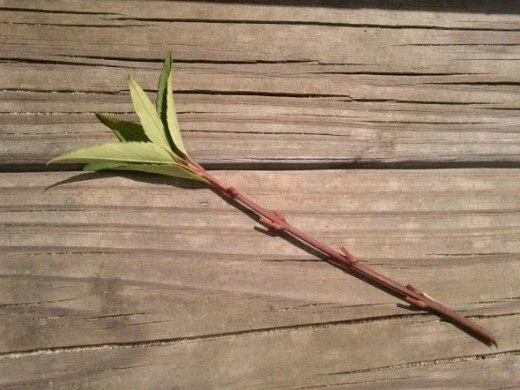
This offering includes a set of 12 forsythia bush cuttings, each carefully selected and prepared for optimal rooting. Each unrooted cutting measures between 6 to 8 inches in length, providing ample material for successful propagation. These cuttings are in their growth stage, ready to be rooted and transformed into mature shrubs. Forsythia typically grows into a medium to large shrub, reaching heights of 8 to 10 feet and spreading 10 to 12 feet wide at maturity, forming a beautiful, broadleaf structure. The vibrant green foliage provides a lovely backdrop to the spectacular yellow flowers that will emerge in the spring.
These cuttings are ideal for establishing new plants that will eventually feature characteristic flowering branches. They are suitable for outdoor planting in temperate climates, specifically recommended for USDA Hardiness Zones 5-8. With proper care, you can expect these cuttings to establish roots and begin showing significant growth within their first year, leading to their first blooms in subsequent springs. The plants prefer medium watering and thrive in full sun to medium sun exposure, ensuring a healthy and robust forsythia plant outdoor display.
Frequently Asked Questions
- Q: How big do these unrooted forsythia cuttings get? A: Each cutting is 6 to 8 inches long upon arrival. Once rooted and mature, a Forsythia bush can reach an average height of 8 to 10 feet and spread 10 to 12 feet wide, depending on growing conditions and pruning.
- Q: Is this an indoor or outdoor plant? A: Forsythia is primarily an outdoor shrub. While you can root the forsythia bush cuttings indoors, the mature plant should be transplanted outdoors to thrive and produce its characteristic abundant blooms.
- Q: How much sunlight does a forsythia plant need? A: For the best flowering, Forsythia requires at least 6 hours of direct sunlight per day, ideally in a location that receives full sun. It can tolerate partial shade but may produce fewer flowers.
- Q: Is this plant easy to care for? A: Yes, Forsythia is known for being a relatively easy-to-care-for shrub. Once established, it is quite hardy and tolerates a range of conditions, making it a good choice for beginners looking to grow forsythia from cuttings.
- Q: What condition will the cuttings arrive in? A: You will receive 12 fresh, unrooted cuttings, each 6 to 8 inches long, carefully prepared for shipping to ensure they arrive in optimal condition for propagation. They are ready for you to begin the rooting process.
- Q: How long until the cuttings bloom? A: While rooting takes several weeks, the newly established plants typically begin to bloom in their second or third spring after successful propagation, offering a beautiful display of yellow flowers.
- Q: Will a forsythia plant outdoor survive winter in my zone? A: Forsythia is very cold hardy and thrives in USDA Hardiness Zones 5-8. If you are within these zones, your established forsythia should easily survive winter.
- Q: What is the best time to plant forsythia cuttings? A: Spring and early summer are generally the best times to root forsythia bush cuttings, as the warmer temperatures and longer days encourage rooting and growth.
- Q: What type of soil is best for forsythia propagation? A: A well-draining soil mix is crucial for rooting. A blend of peat moss and perlite or a sandy potting mix that facilitates good air circulation and drainage is highly recommended for your forsythia propagation efforts.
- Q: Are these cuttings from a specific forsythia variety? A: These are generic Forsythia cuttings, known for their classic bright yellow spring blooms and vigorous growth habit, suitable for any gardener wishing to expand their forsythia plant outdoor collection.






Reviews
There are no reviews yet.