Overview
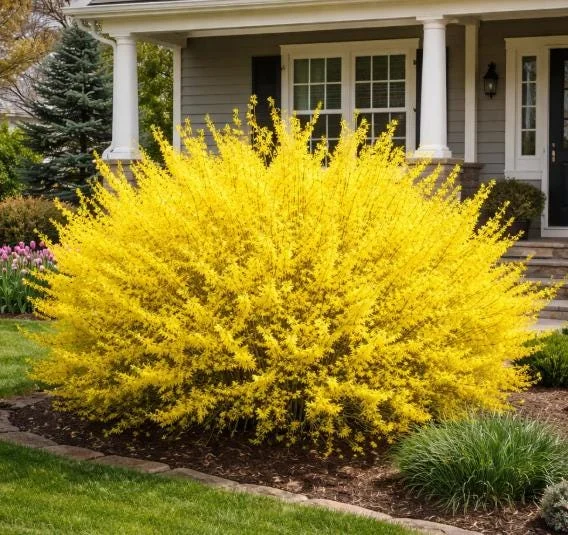
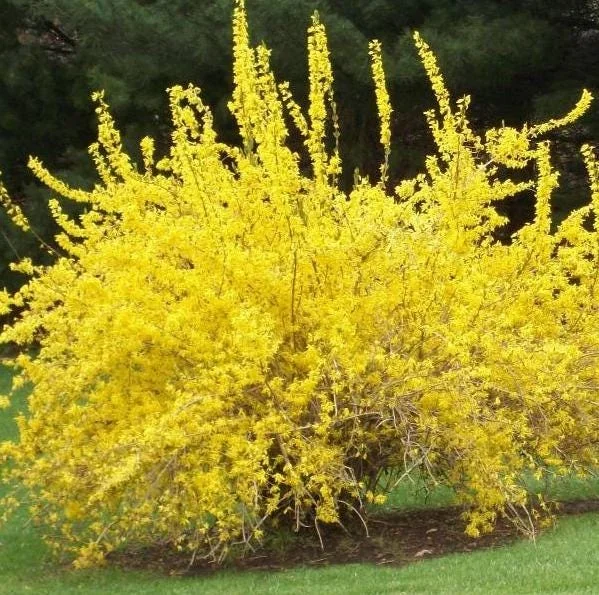
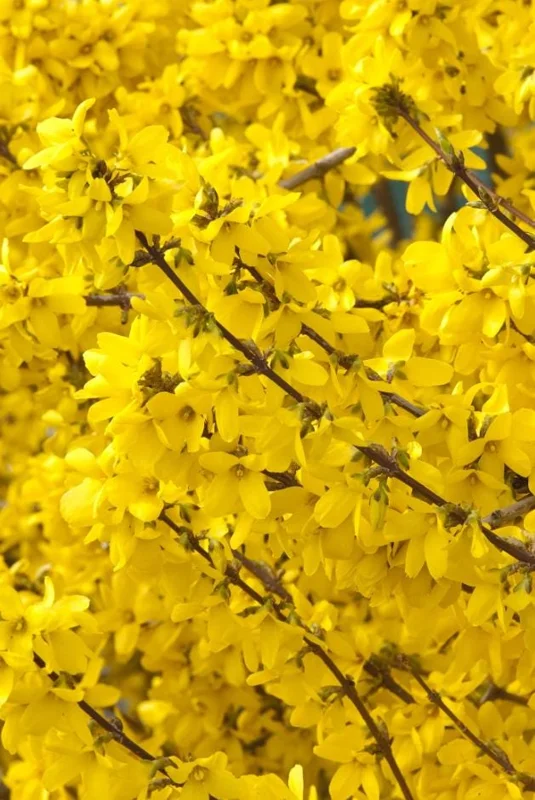
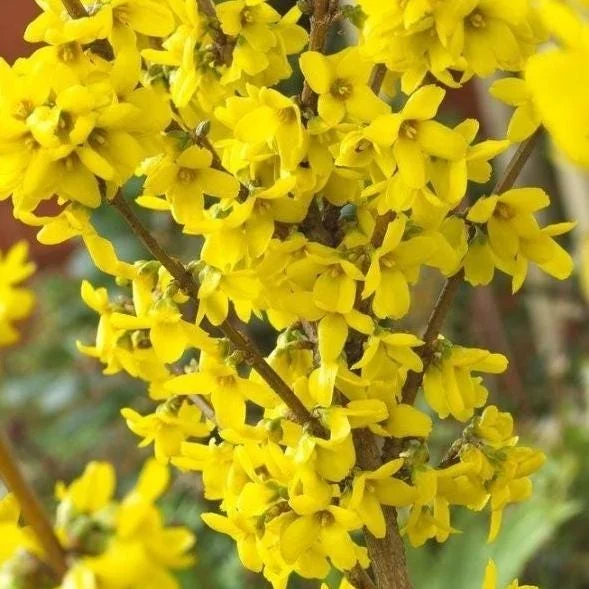
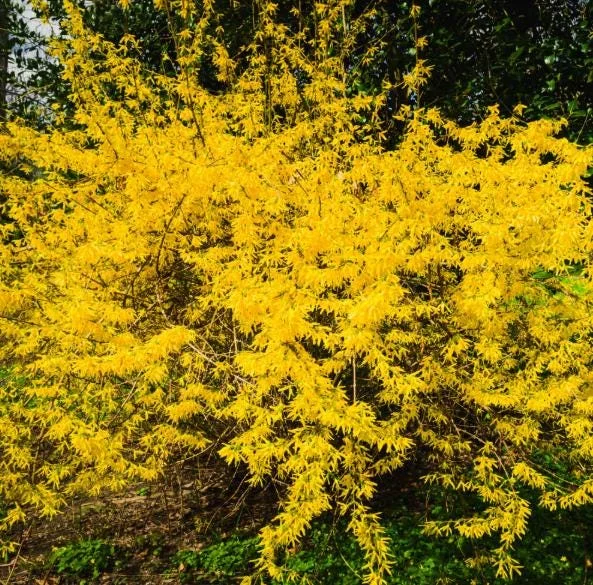
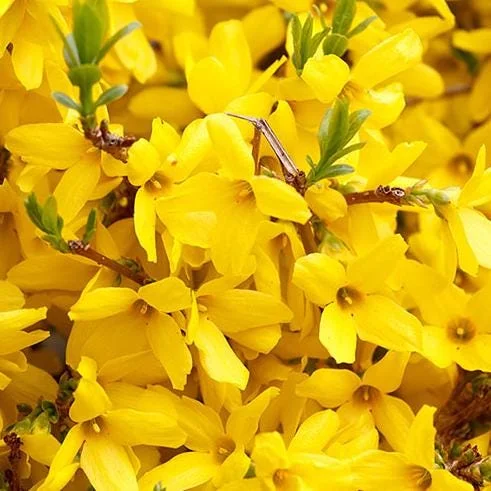
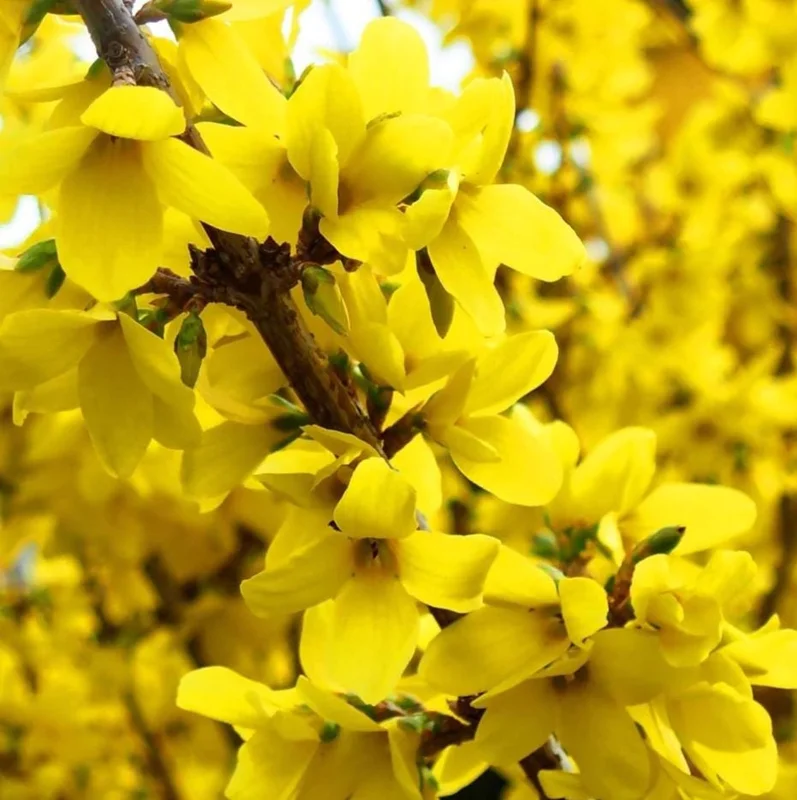
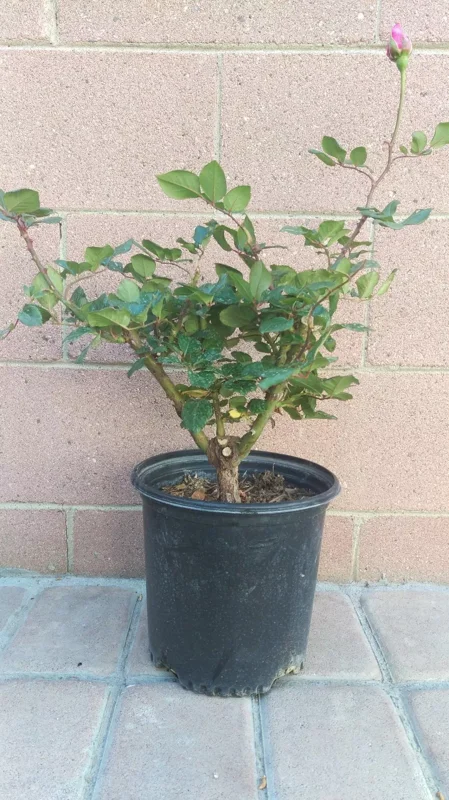
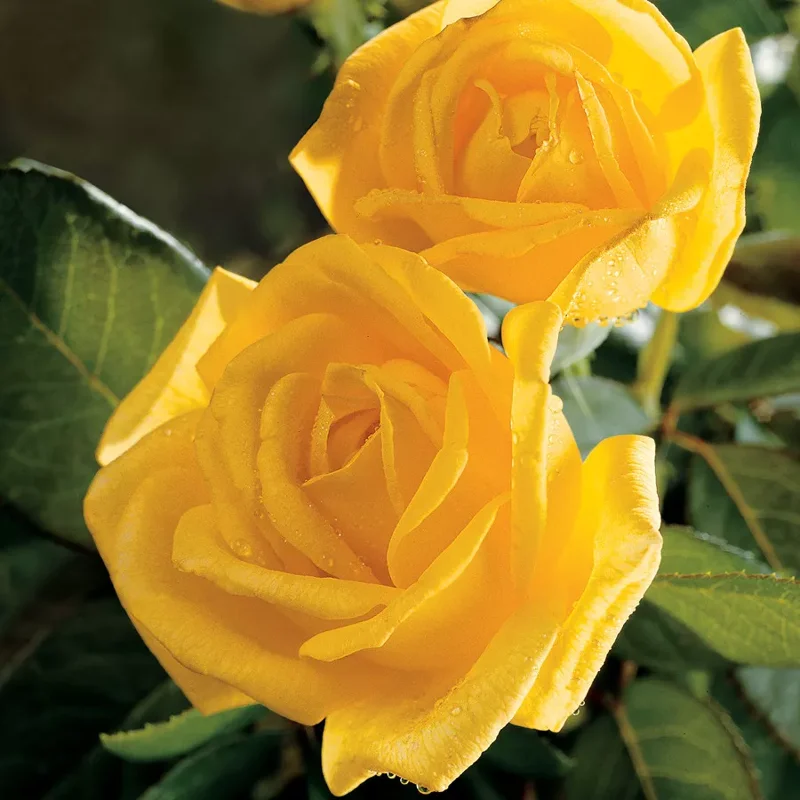
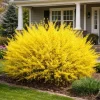
Welcome the arrival of spring with the cheerful blossoms of a forsythia live plant. This deciduous shrub is highly prized for its spectacular display of bright yellow flowers, which emerge in early spring, often before the leaves even appear. A true herald of the new season, Forsythia transforms dormant landscapes into a vibrant spectacle. This particular offering is an 8 to 10-inch tall specimen, ready for planting, that will quickly establish itself and begin to provide that iconic springtime burst of color. The yellow forsythia shrub is a garden favorite, celebrated for its hardiness and ease of cultivation, making it an excellent choice for both experienced gardeners and beginners alike.
Forsythia is a fast-growing ornamental plant that can be used in a variety of garden settings, from hedges and borders to specimen plantings. Its rapid growth rate means you won’t have to wait long to enjoy its full beauty. This plant is a fantastic way to introduce early season interest and a splash of sunshine into your outdoor space. If you’re looking for an easy grow forsythia that delivers high visual impact with minimal effort, this live plant is an ideal choice.
Key Benefits
Investing in a forsythia live plant offers numerous advantages for your garden and landscape:
- Stunning Early Spring Display: Forsythia is one of the first plants to bloom in spring, providing a much-needed pop of bright yellow color when most other plants are still dormant. This vibrant show signals the end of winter and the beginning of the growing season.
- Fast Growing and Robust: This shrub is known for its vigorous growth, quickly filling in spaces and establishing itself in your garden. Its robust nature makes it resilient and relatively trouble-free.
- Low Maintenance: Once established, the yellow forsythia shrub requires minimal care. It’s adaptable to various soil types and generally pest and disease resistant, making it perfect for gardeners seeking beauty without constant upkeep.
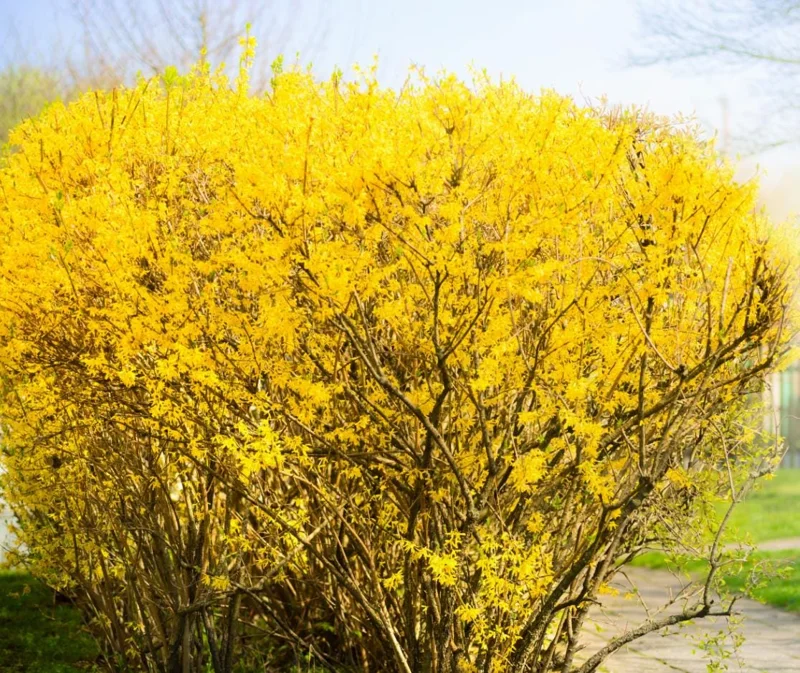
- Versatile Landscaping Option: Use forsythia as a striking specimen plant, a colorful hedge, a backdrop for other perennials, or to stabilize slopes. Its arching branches add architectural interest throughout the year.
- Attracts Early Pollinators: While not a primary pollinator plant, early spring blooms can provide a valuable nectar source for early emerging bees and other beneficial insects, contributing to garden biodiversity.
- Drought Tolerant Once Established: After its initial establishment period, forsythia exhibits good drought tolerance, reducing the need for frequent watering during dry spells.
- Signals Spring’s Arrival: For many, the sight of a blooming spring flowering shrub like forsythia is a beloved indicator that warmer weather and longer days are on their way, bringing joy and anticipation to the garden.
Plant Care & Growing Tips
Caring for your forsythia live plant is straightforward, ensuring years of beautiful blooms. Forsythia thrives in locations that receive full sun to partial shade. For the most abundant flowering, aim for at least 6 hours of direct sunlight per day. While it can tolerate some shade, too little sun will result in fewer flowers. This plant is well-suited for USDA Zones 5 to 8, demonstrating excellent cold hardiness in these regions. Ideal temperatures for active growth range between 55°F and 75°F, though it can withstand much colder temperatures during dormancy.
When it comes to soil, forsythia is quite adaptable. It prefers well-drained soil but can tolerate clay, loam, or sandy soils. Good drainage is crucial to prevent root rot. Water moderately, especially during dry periods, but avoid overwatering. Once established, this shrub is relatively drought-tolerant. Fertilization is generally not heavily required; a balanced, slow-release fertilizer in early spring can boost growth and flowering, but often the plant thrives without it in fertile soil. Pruning is best done immediately after flowering. This helps maintain the shrub’s shape, encourages new growth, and ensures a good bloom for the following year. Avoid pruning in late summer or fall, as you risk cutting off next year’s flower buds. Understanding proper forsythia plant care is key to a vibrant display.
Common problems are few, but watch for leaf spot or powdery mildew in humid conditions; ensuring good air circulation can help. Pests are rarely a significant issue for this resilient easy grow forsythia. Protecting young plants from deer browsing might be necessary in some areas, though mature forsythia is generally considered deer-resistant.
Size & Details
This offering is for a forsythia live plant, measuring approximately 8 to 10 inches tall at the time of shipping. It is shipped without a pot, as a bare-root or root-ball specimen, prepared for immediate planting upon arrival. Forsythia is a fast-growing shrub, capable of reaching mature sizes of 8-10 feet tall and wide, though it can be kept smaller with regular pruning. Expect rapid establishment and significant growth within the first few seasons after planting. The vibrant yellow blooms typically appear in early spring, signaling the season’s start. This spring flowering shrub will grow into a substantial and impressive garden feature, providing a reliable burst of color year after year.
Frequently Asked Questions
- Q: How big does this forsythia live plant get? A: This forsythia live plant is typically 8 to 10 inches tall upon arrival. Once mature, it can reach heights of 8-10 feet and a similar spread, though its size can be managed with proper pruning after flowering.
- Q: Is this an indoor or outdoor plant? A: Forsythia is primarily an outdoor ornamental shrub. It is not suitable for long-term indoor cultivation as it requires a dormant period and ample outdoor space to thrive.
- Q: How much sunlight does a forsythia need? A: For the best flowering display, your yellow forsythia shrub needs at least 6 hours of direct sunlight per day. It can tolerate partial shade, but blooms may be less prolific.
- Q: Is this plant easy to care for? A: Yes, forsythia is considered an easy grow forsythia. It’s adaptable to various soil types and generally low-maintenance once established, making it great for beginners.
- Q: What condition will the forsythia arrive in? A: Your forsythia will arrive as a live plant, typically a bare-root or root-ball specimen, carefully packaged to ensure its health during transit. It will be ready for planting upon arrival.
- Q: When is the best time to plant forsythia? A: The best time to plant forsythia is in early spring or fall. This allows the plant to establish its root system before the stress of summer heat or winter cold.
- Q: Will this forsythia survive winter in my zone? A: This spring flowering shrub is hardy in USDA Zones 5 to 8. If you are within these zones, your forsythia should successfully overwinter and return with blooms each spring.
- Q: What kind of soil does forsythia prefer? A: Forsythia prefers well-drained soil but is quite adaptable and can grow in clay, loam, or sandy soils. Good drainage is key to preventing root issues.
- Q: How often should I water my forsythia? A: Water your newly planted forsythia regularly until established. Once mature, it requires moderate watering and becomes relatively drought-tolerant, needing extra water only during prolonged dry spells.
- Q: When does forsythia bloom? A: Forsythia is a quintessential spring flowering shrub, blooming early in the spring, often before its leaves appear, providing one of the first splashes of color after winter.




Reviews
There are no reviews yet.