Overview
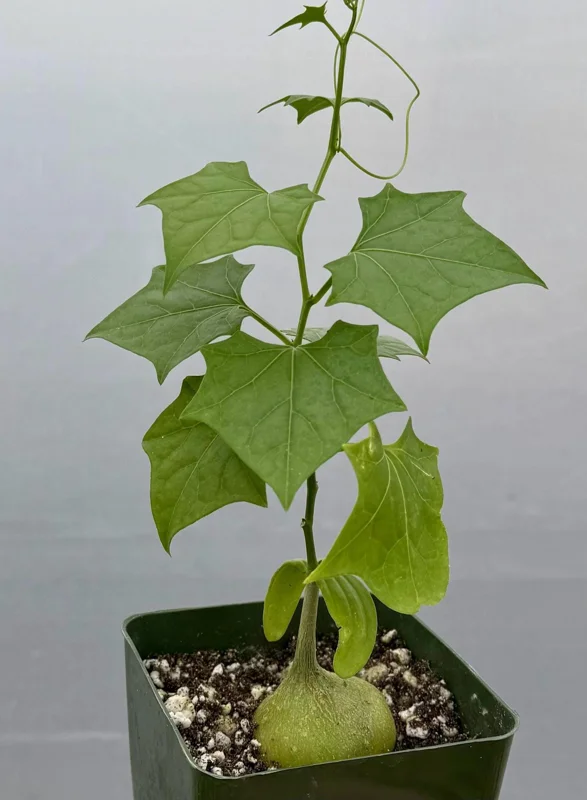
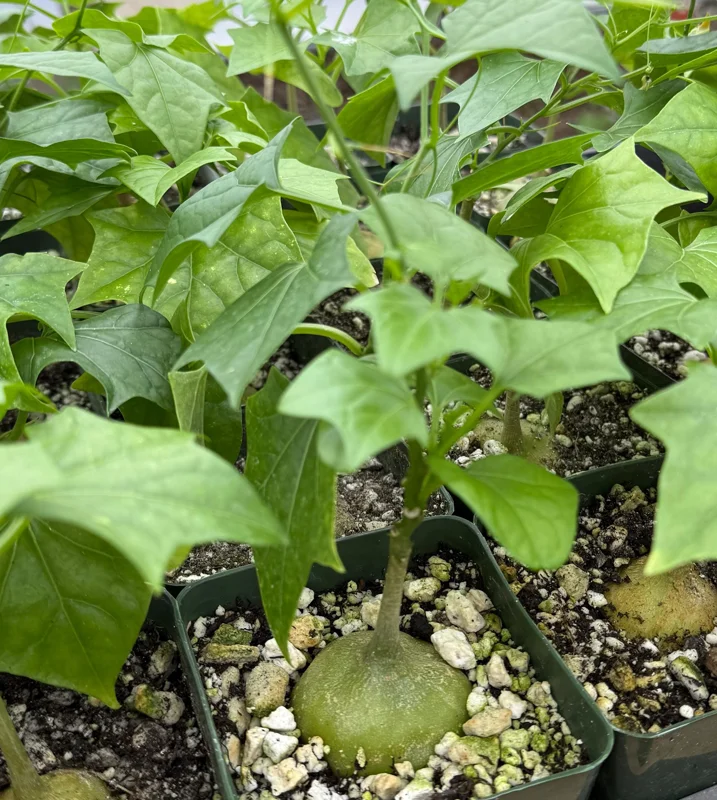
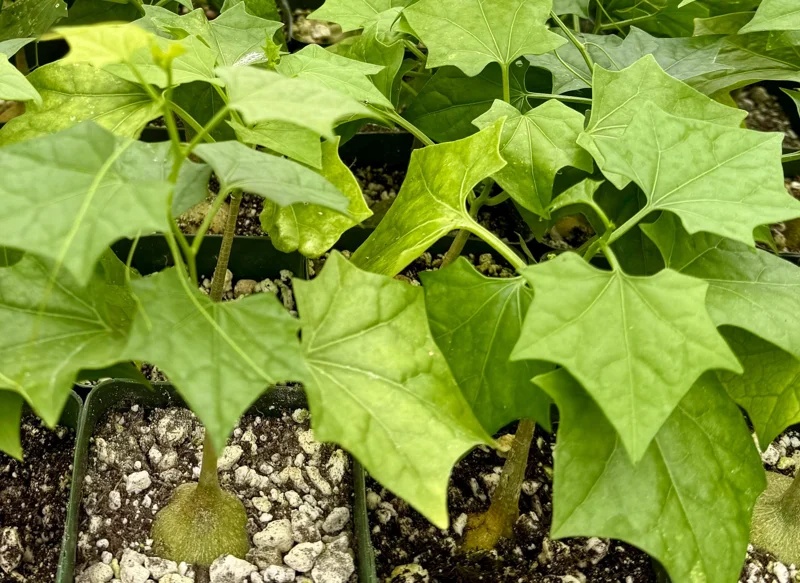
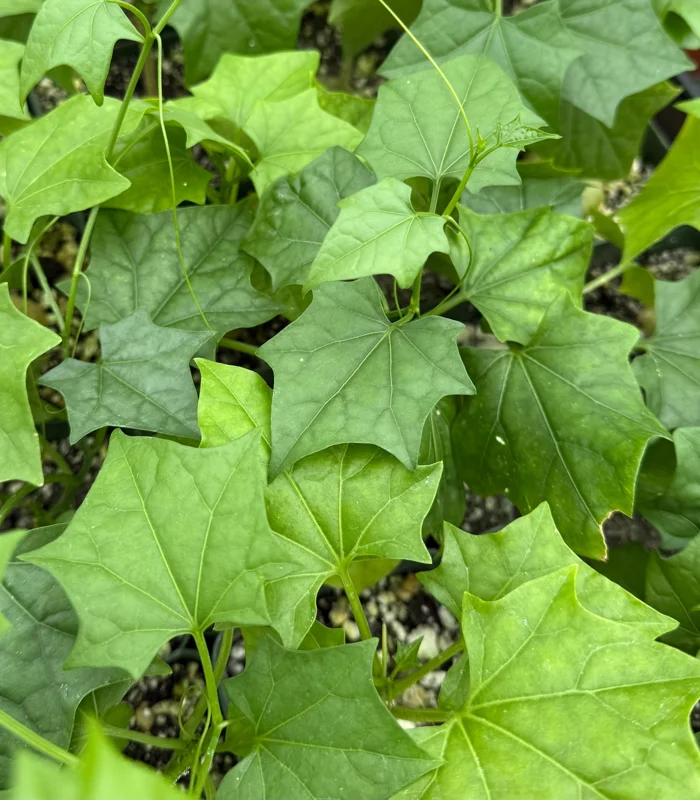
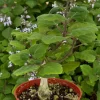
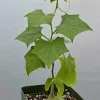
The Gerrardanthus Macrorhizus caudex plant is a truly extraordinary botanical specimen, prized by collectors and plant enthusiasts for its highly unusual and sculptural appearance. Native to Southern Africa, this caudiciform plant is a member of the gourd family, Cucurbitaceae, and is famously known as the Bigfoot succulent due to its prominent, swollen base, or caudex. This remarkable structure sits partially above the soil, acting as a natural water reservoir, enabling the plant to thrive in dry conditions. From the top of this bulbous caudex, slender green vines emerge, gracefully trailing or climbing with support, adorned with delicate heart-shaped leaves that provide a lush contrast to the robust base. This live plant in a 4-inch pot offers an immediate focal point for any indoor plant collection, showcasing nature’s unique artistry.
While it can produce small yellowish-green flowers, the primary allure of the Gerrardanthus Macrorhizus lies in its distinctive form rather than its blooms. It’s a slow-growing succulent that develops character with age, making each plant a living sculpture. Its adaptation to arid environments means it’s relatively low-maintenance once established, appealing to both seasoned collectors and those new to the world of rare caudex plant species.
Key Benefits
The Gerrardanthus Macrorhizus caudex plant offers a multitude of benefits, making it an excellent choice for a unique indoor garden or collector’s item. Its striking appearance and resilient nature ensure it stands out in any setting. Here are some of its key advantages:
- Unique Ornamental Appeal: The most significant benefit is its highly unusual and sculptural caudex, which provides an instant conversation starter and a unique aesthetic focal point. Each plant develops a distinct shape, making it a living piece of art. This Bigfoot succulent truly stands out.
- Drought Tolerance: Thanks to its large caudex, the plant stores water efficiently, making it incredibly forgiving if you occasionally forget to water. This makes the Gerrardanthus Macrorhizus caudex plant an excellent choice for busy individuals.
- Low Maintenance: Once its basic needs for light and well-draining soil are met, this plant requires minimal fuss, thriving with infrequent watering, especially during its dormant winter period.
- Collector’s Item: Its rarity and distinctive growth habit make it a highly sought-after plant among succulent and caudiciform collectors, adding significant value and interest to any collection. It’s a truly rare caudex plant.
- Adaptable Growth: The slender vines can be allowed to trail, creating a cascading effect, or trained to climb, offering versatility in how it can be displayed.
- Indoor Growing Suitability: It thrives indoors in bright conditions, making it an ideal houseplant for windowsills, shelves, or terrariums where its unique form can be admired up close. This is a perfect indoor caudex plant.
- Educational Value: Observing the growth and development of this fascinating plant provides an excellent educational opportunity, showcasing plant adaptations to harsh environments.
Plant Care & Growing Tips
Proper care is essential for the longevity and health of your Gerrardanthus Macrorhizus caudex plant. This succulent thrives with specific conditions that mimic its native arid environment. It prefers bright indirect light to full sun; ideally, place it in a south or west-facing window where it can receive several hours of direct sunlight, or under strong grow lights. If grown outdoors in appropriate climates, ensure it receives morning sun and some afternoon shade to prevent scorching during the hottest parts of the day. Consistent light is key for this Bigfoot succulent.
Watering should be done carefully. During the active growing season (spring and summer), water thoroughly when the soil has completely dried out. Allow excess water to drain completely from the pot to prevent root rot, which is a common issue for succulents. In winter, when the plant may enter dormancy and shed its leaves, reduce watering significantly, providing just enough to prevent the caudex from shriveling. A well-draining soil mix is crucial; a succulent or cactus mix amended with extra perlite or pumice is ideal. The plant is often grown in shallow pots that allow the caudex to remain exposed, highlighting its distinctive look. This promotes better air circulation around the caudex and helps prevent moisture build-up.
The Gerrardanthus care tips also include ensuring good air circulation and protecting it from cold temperatures. It is not frost-tolerant and should be brought indoors if temperatures drop below 50°F (10°C). Fertilize sparingly during the growing season with a diluted, balanced liquid fertilizer formulated for succulents. Repotting should only be done when the plant outgrows its container, typically every 2-3 years, using fresh, well-draining soil. Watch out for common pests like mealybugs or spider mites, and treat promptly with an appropriate insecticide or neem oil.
Size & Details
This Gerrardanthus Macrorhizus caudex plant is provided as a live plant, carefully rooted and established in a 4-inch nursery pot. The caudex, or swollen base, will vary in size and shape as each plant is unique, but it will be well-formed and characteristic of the species. The plant’s overall height, including the developing vines, can vary upon arrival but is typically compact, making it suitable for windowsills or small display areas. The slender green vines can grow quite long if allowed to trail, potentially reaching several feet, or they can be pruned to maintain a bushier form. Growth rate is moderate, with the caudex slowly increasing in size over many years, adding to its appeal as a long-term living sculpture. It comes ready to be placed in your preferred decorative pot, ensuring its unique caudex is proudly displayed above the soil line, perfect for an indoor caudex plant collection.
Frequently Asked Questions
- Q: How big does this Gerrardanthus Macrorhizus caudex plant get? A: The caudex can grow to a significant size over many years, potentially reaching over a foot in diameter in ideal conditions. The trailing vines can extend several feet but can be pruned to manage size and shape.
- Q: What size pot does it come in? A: This Bigfoot succulent comes pre-potted in a 4-inch nursery pot, ready for you to transplant into a decorative container of your choice. Ensure the new pot allows the caudex to be partially exposed.
- Q: Is this an indoor or outdoor plant? A: While it can thrive outdoors in warm, frost-free climates (USDA zones 10-11), it is primarily grown as an indoor caudex plant in most regions due to its sensitivity to cold. It needs bright light indoors.
- Q: How much sunlight does it need? A: This rare caudex plant prefers bright indirect light to full sun. A south or west-facing window is ideal indoors. Outdoors, morning sun with afternoon shade is best to prevent scorching.
- Q: Is this plant easy to care for? A: Yes, once its light and watering needs are understood, the Gerrardanthus Macrorhizus caudex plant is considered relatively easy to care for due to its drought tolerance and minimal fertilization requirements, making it suitable for beginners to caudiciforms. Following Gerrardanthus care tips will ensure its health.
- Q: What condition will it arrive in? A: Your plant will arrive healthy and carefully packaged to ensure safe transit. It will be rooted in its 4-inch nursery pot with appropriate soil, ready for you to unbox and enjoy.
- Q: Is it shipped in soil? A: Yes, the plant is shipped securely in its 4-inch nursery pot with its established soil mix, minimizing transplant shock and ensuring its immediate well-being upon arrival.
- Q: When is the best time to plant? A: As an indoor plant, it can be planted (or repotted) at any time of year. If you plan to grow it outdoors, the best time is in spring after all danger of frost has passed.
- Q: Will it survive winter in my zone? A: This plant is not frost-tolerant. If you live in a region with cold winters (below USDA Zone 10), it must be grown indoors or protected from freezing temperatures. Its leaves may naturally shed in winter dormancy.
- Q: What’s the minimum temperature it can tolerate? A: The Gerrardanthus Macrorhizus caudex plant should not be exposed to temperatures below 50°F (10°C) for extended periods to prevent damage or dormancy issues.


Reviews
There are no reviews yet.