Overview
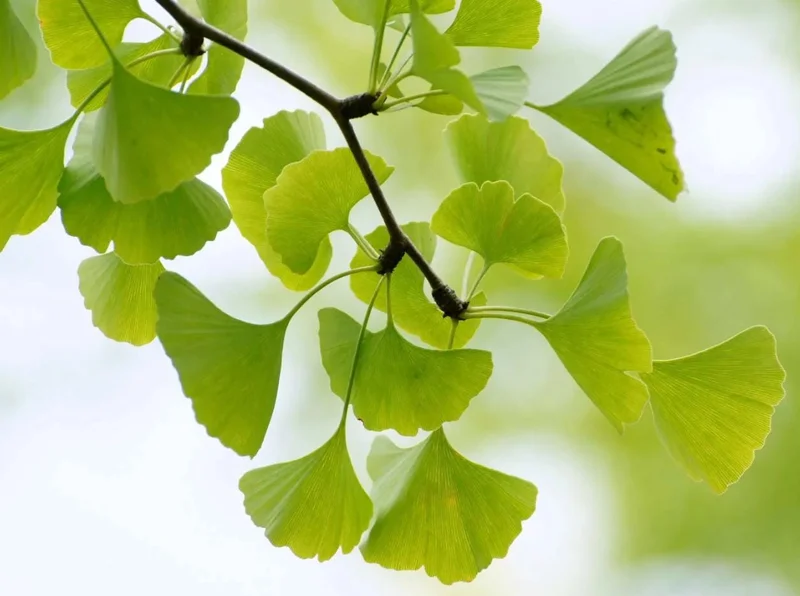
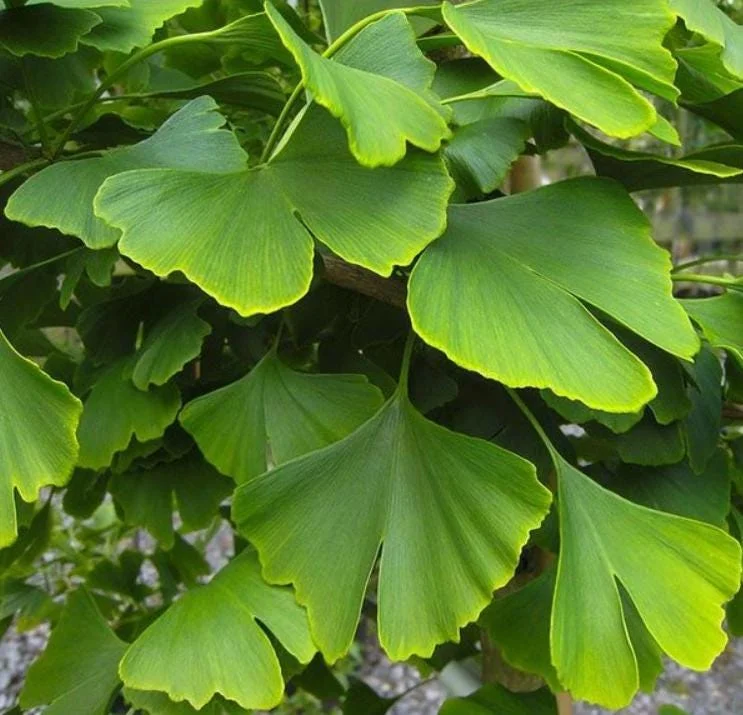
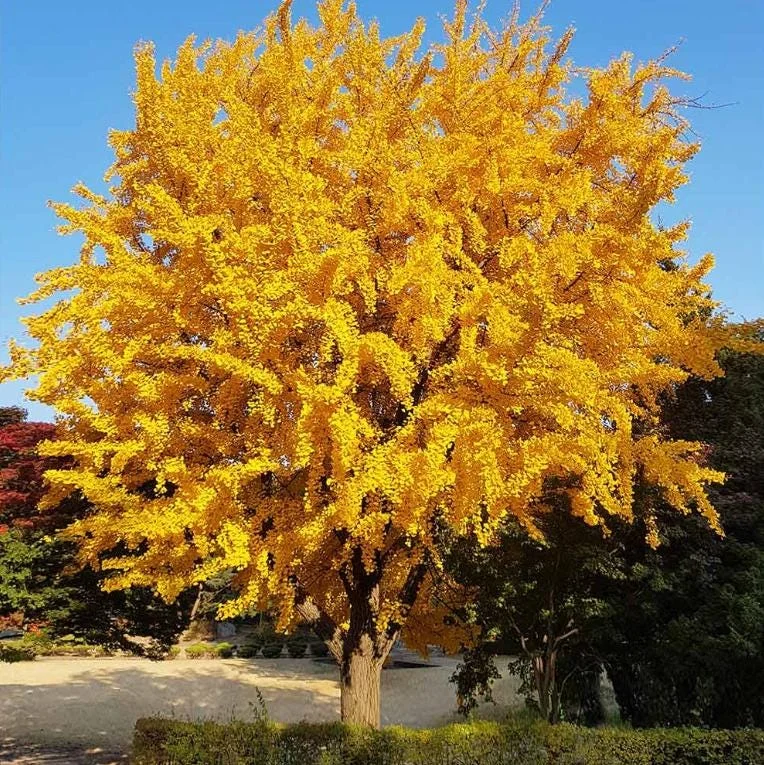
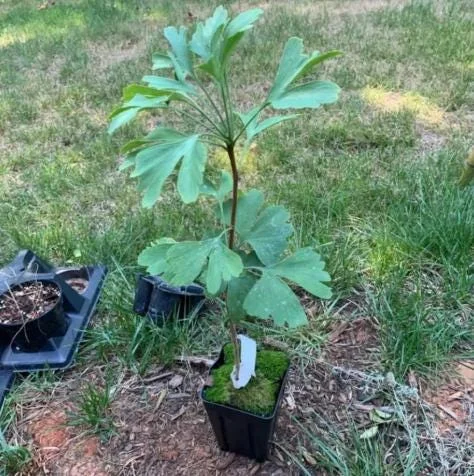
Introduce a piece of living history into your garden with the ginkgo biloba live tree. Revered for its unique fan-shaped leaves and incredible resilience, the Ginkgo Biloba, also known as the maidenhair tree care, is a truly remarkable specimen. This particular offering is a young, vigorous live plant, standing 6-12 inches tall and cultivated in a 1-quart pot, ready for planting. As one of the oldest tree species on Earth, the Ginkgo is often referred to as a ‘living fossil’ due to its ancient lineage and unchanged form over millions of years. It’s a deciduous tree that provides exceptional ornamental value, especially with its striking golden-yellow fall color, making it an excellent choice for those seeking a distinctive and historical element for their outdoor spaces.
Originating from China, the Ginkgo Biloba is not just a beautiful addition to any landscape but also a symbol of longevity and endurance. Its distinctive foliage and stately presence make it a popular choice for both urban and suburban settings. This ginkgo biloba live tree is a robust young plant, ensuring a strong start in your garden. Whether you’re an experienced gardener or just starting, the Ginkgo offers a rewarding growing experience with its unique aesthetic and hardy nature.
Key Benefits
The ginkgo biloba live tree offers a multitude of benefits, making it a highly desirable plant for various landscaping needs. Its resilience and unique characteristics contribute significantly to its appeal.
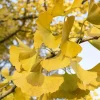
- Exceptional Ornamental Value: The most striking feature of the Ginkgo is its fan-shaped leaves, which turn a spectacular, vibrant golden-yellow in the fall, creating a breathtaking display. This makes the maidenhair tree care an outstanding focal point in any garden or landscape design.
- Historical Significance: As a ‘living fossil,’ the Ginkgo Biloba connects your garden to ancient natural history, offering a unique conversation piece and a sense of timelessness.
- Hardy and Resilient: Ginkgo trees are known for their incredible hardiness, tolerating a wide range of soil conditions, urban pollution, and various climates. They are suitable for ginkgo tree zone 3-9, making them adaptable to many regions.
- Low Maintenance: Once established, the ginkgo biloba live tree requires minimal care, making it an excellent choice for busy gardeners. Its robust nature means less fuss and more enjoyment.
- Drought Tolerance: After its establishment period, the Ginkgo tree becomes quite drought-tolerant, reducing the need for frequent watering.
- Pest and Disease Resistant: Ginkgo trees are generally resistant to most pests and diseases, contributing to their low-maintenance profile and long lifespan.
- Urban Landscaping Favorite: Its ability to thrive in challenging urban environments, coupled with its aesthetic appeal, makes the ginkgo tree for landscaping a top choice for city parks, street plantings, and urban gardens.
Plant Care & Growing Tips
Caring for your ginkgo biloba live tree is relatively straightforward, and with proper attention, it will thrive and become a magnificent specimen in your landscape. Ginkgo trees are remarkably adaptable, but a good start ensures vigorous growth. When planting, choose a location that receives full sun, meaning at least 6 hours of direct sunlight daily. While tolerant of various soil types, well-drained, loamy, or sandy soil is ideal. Ensure the planting hole is twice as wide as the root ball and just as deep, allowing the root flare to be at or slightly above ground level.
Watering is crucial during the establishment phase. Water regularly to keep the soil consistently moist but not waterlogged. Once established, the ginkgo biloba live tree becomes quite drought-tolerant, requiring less frequent watering. For optimal growth, especially for a young tree, mulch around the base to retain moisture, regulate soil temperature, and suppress weeds. Pruning is generally minimal, focusing on shaping the tree when it’s young and removing any dead or crossing branches. The ginkgo tree zone 3-9 adaptability means it can withstand cold winters and hot summers, making it a versatile choice for many climates. Understanding how to grow ginkgo biloba live tree ensures a healthy and long-lived addition to your garden.
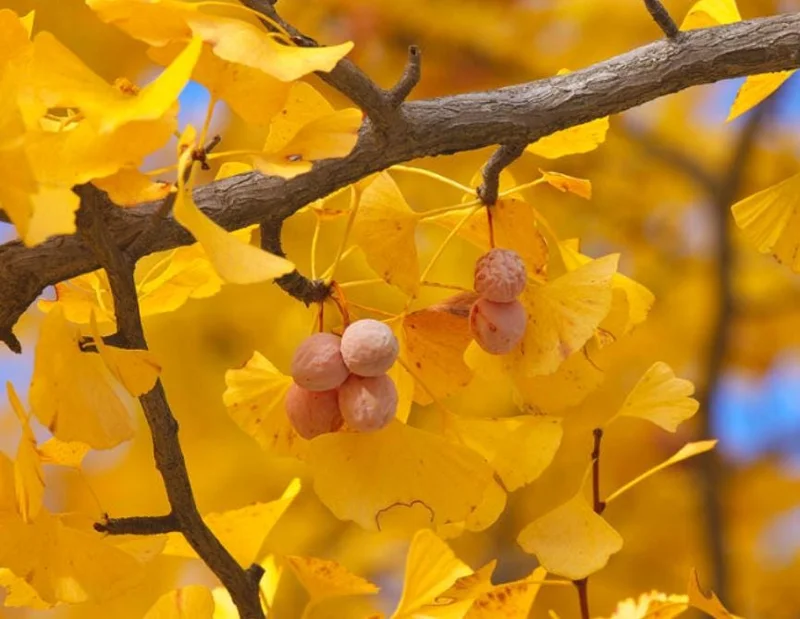
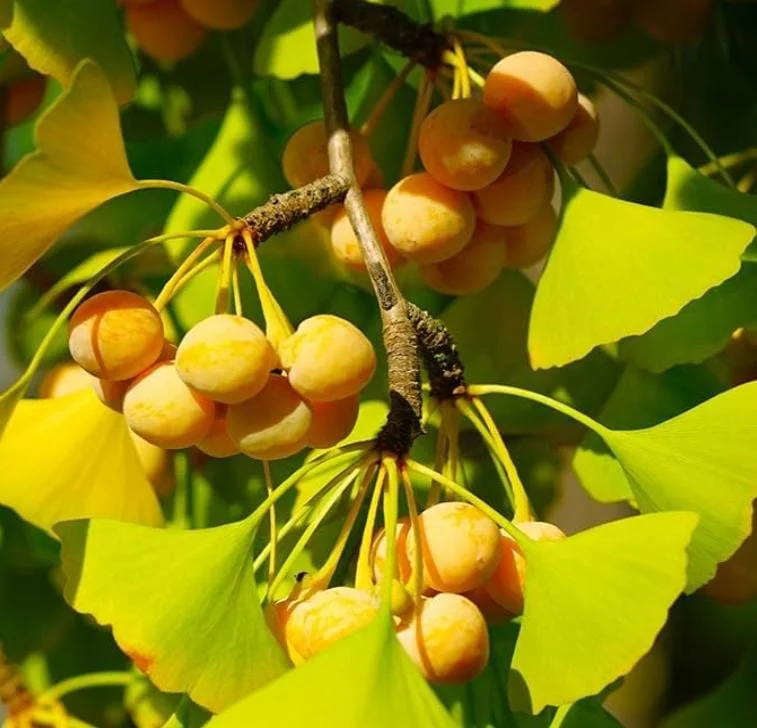
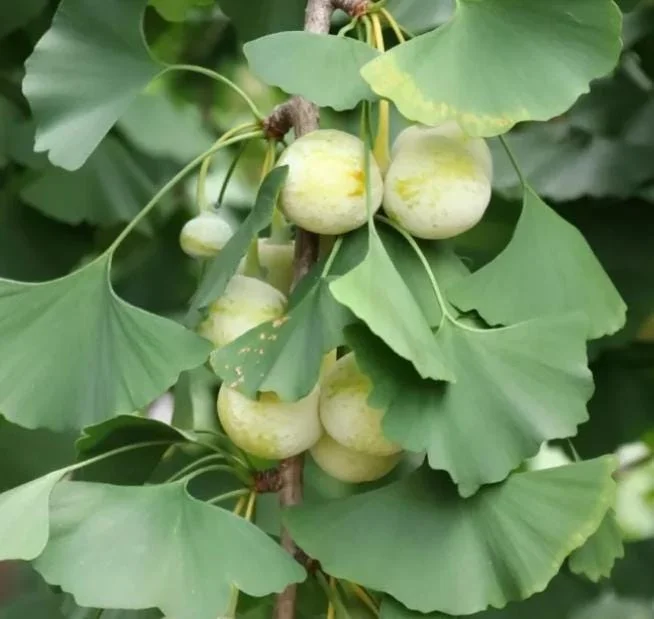
Fertilization can be done sparingly, typically in spring, using a balanced slow-release fertilizer designed for trees and shrubs. Avoid over-fertilizing, which can harm young roots. Male Ginkgo trees are often preferred in landscapes because female trees produce fleshy, foul-smelling fruits. While our current offering doesn’t specify gender, this is a consideration for future growth. Following these guidelines will help your ginkgo tree for landscaping flourish and provide decades of beauty.
Size & Details
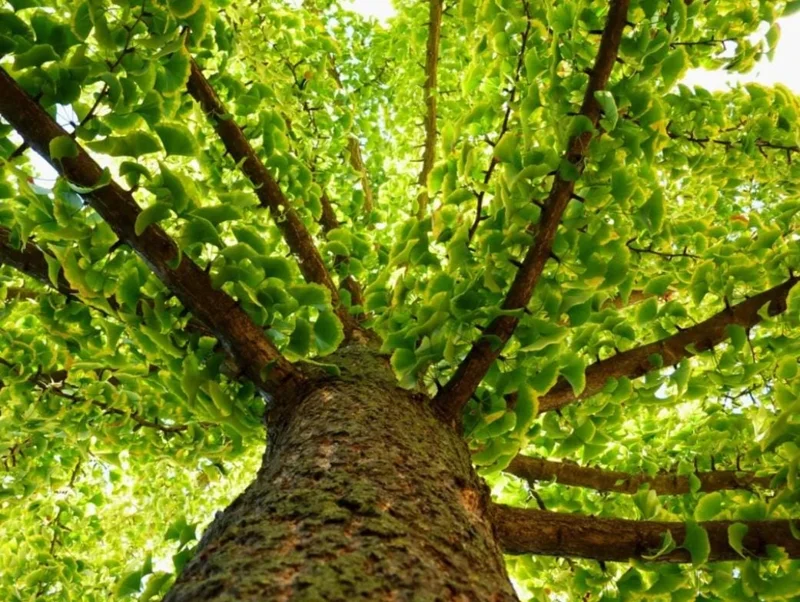
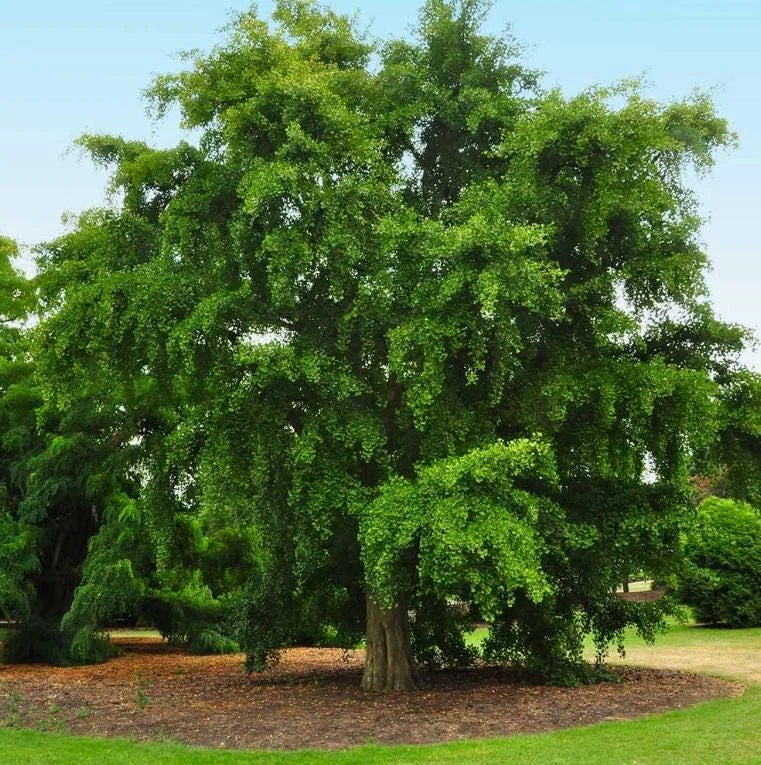
This ginkgo biloba live tree is provided as a young, robust specimen, standing proudly at 6-12 inches tall. It arrives planted in a convenient 1-quart pot, ensuring a healthy root system and an easier transition to your garden. While young, this tree has the potential to grow into a stately specimen, reaching mature heights of 25-50 feet or more, depending on the cultivar and growing conditions. The spread can also be substantial, so adequate spacing is crucial, typically allowing 25-50 feet between trees. The tree is deciduous, meaning it will shed its distinctive fan-shaped leaves in the fall after a spectacular golden-yellow display.
This maidenhair tree care is suitable for a wide range of USDA Hardiness Zones, specifically 3 through 9, making it a versatile choice for many regions across the United States. The young plant will establish its root system over the first year or two, after which its growth rate will accelerate. You can expect to see its iconic fall color within a few seasons. The tree is shipped with its roots carefully wrapped to preserve moisture and health, ready for immediate planting upon arrival to begin its journey as a magnificent ginkgo tree for landscaping.
Frequently Asked Questions
- Q: How big does this ginkgo biloba live tree get? A: This young tree typically arrives 6-12 inches tall in a 1-quart pot. At maturity, a ginkgo biloba live tree can grow to an impressive height of 25-50 feet or more, with a similar spread, depending on the specific cultivar and growing conditions.
- Q: What size pot does it come in? A: Your ginkgo biloba live tree will arrive in a 1-quart nursery pot, providing a healthy start for its root system. This size is ideal for transplanting directly into your garden or a larger container.
- Q: Is this an indoor or outdoor plant? A: The ginkgo biloba live tree is primarily an outdoor plant. It requires full sun exposure and ample space to grow into its majestic form. While it can be started indoors in a sunny spot, it will need to be transplanted outdoors for long-term health and growth.
- Q: How much sunlight does it need? A: For optimal growth, your ginkgo biloba live tree needs full sun, meaning at least 6 hours of direct sunlight per day. Adequate sunlight is crucial for healthy foliage development and vibrant fall color.
- Q: Is this plant easy to care for? A: Yes, the ginkgo biloba live tree is considered low-maintenance once established. It’s known for its hardiness, disease resistance, and drought tolerance, making maidenhair tree care relatively simple for gardeners of all experience levels.
- Q: What condition will it arrive in? A: Your ginkgo biloba live tree will be freshly dug and carefully packaged. Its roots will be wrapped with moist newspaper and secured to ensure it arrives healthy and vigorous, ready for planting.
- Q: When is the best time to plant a ginkgo biloba live tree? A: The best time to plant your ginkgo biloba live tree is in the spring or early fall. This allows the tree sufficient time to establish its root system before the stress of summer heat or winter cold.
- Q: Will it survive winter in my zone? A: Yes, the ginkgo biloba live tree is incredibly hardy and suitable for USDA Hardiness Zones 3-9. This wide range means it can withstand cold winters in many regions, making it a reliable choice for your landscape.
- Q: What’s the minimum temperature this tree can tolerate? A: Ginkgo trees are very cold-tolerant, capable of surviving temperatures well below freezing. They are hardy down to USDA Zone 3, which can experience winter lows of -40°F (-40°C).
- Q: Can I grow this ginkgo tree for landscaping in a container? A: While young, a ginkgo biloba live tree can be grown in a large container. However, due to its mature size, it will eventually need to be transplanted into the ground to thrive and reach its full potential.

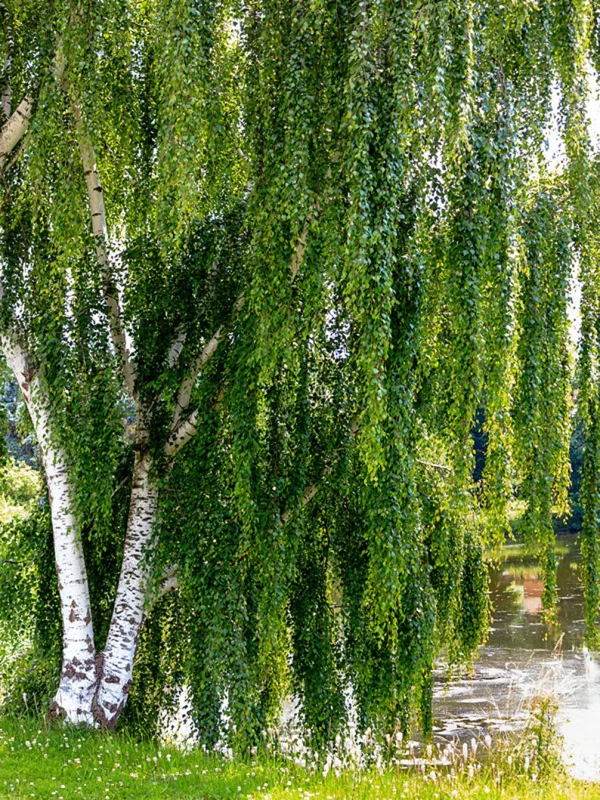 Weeping White Birch Tree - Betula Pendula Live Plant - Medium Size, White Bark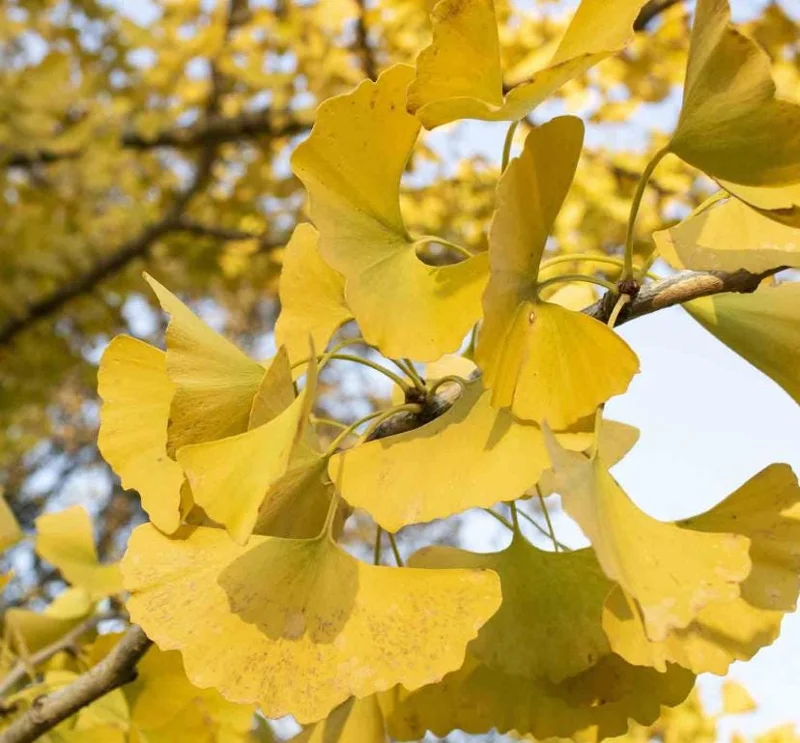


Reviews
There are no reviews yet.