Overview
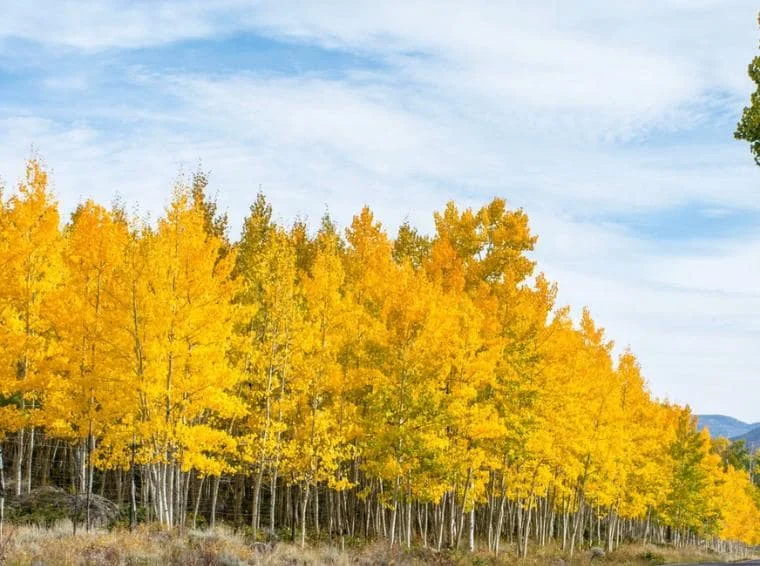
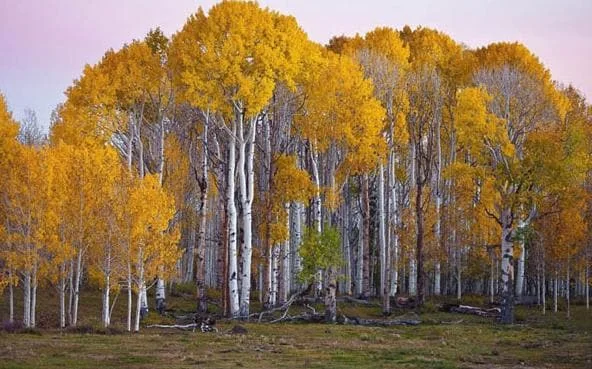
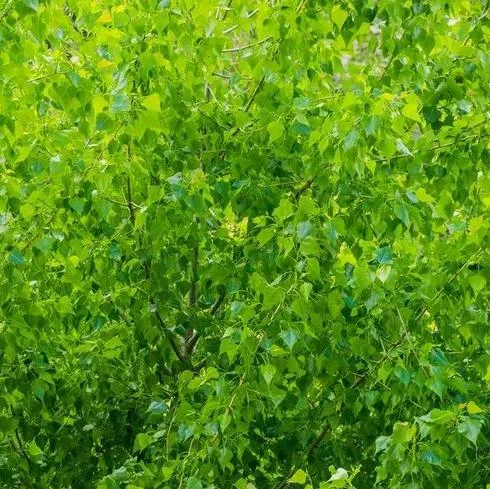
Introduce a majestic presence to your landscape with these exquisite golden quaking aspen bare roots. Each order includes two live, dormant trees (Populus tremuloides), measuring 2-3 feet tall, ready to be transplanted into your garden. Famous for their smooth, striking white bark and brilliant golden fall foliage, Quaking Aspen trees create an unparalleled visual display, adding movement and sound as their leaves ‘quake’ in the breeze. These deciduous trees are a favorite for their rapid growth and ability to thrive in various conditions, making them an excellent choice for natural landscapes, shade, and windbreaks. The unique characteristics of the populus tremuloides trees ensure a spectacular focal point in any setting, promising years of beauty and ecological benefit.
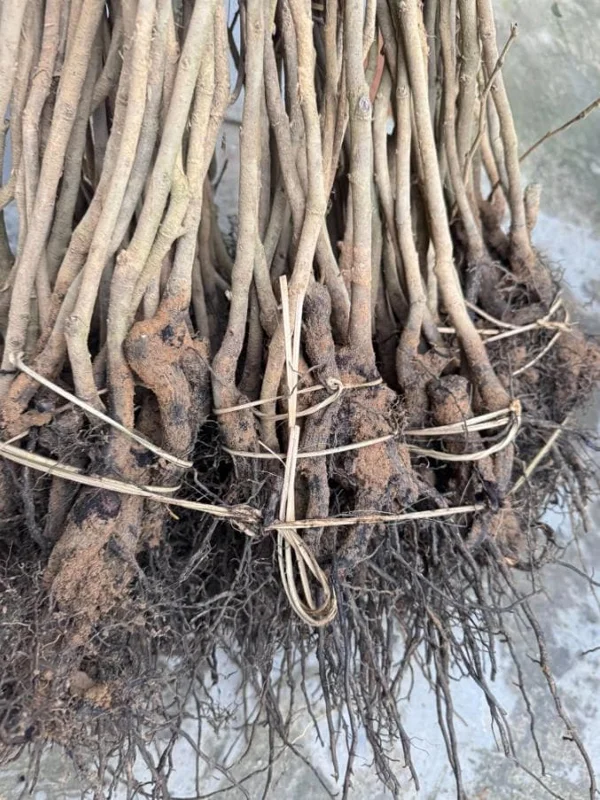
As a bare root plant, these Aspens are shipped dormant, which significantly aids in safe delivery and promotes easier, more successful transplanting. Bare root trees are renowned for their ability to establish quickly and adapt well to new growing conditions, making them a gardener’s preferred choice for many tree varieties. These particular golden quaking aspen bare roots will transform your outdoor space, providing seasonal interest from their vibrant spring green to their dazzling autumn gold.
Key Benefits
Investing in golden quaking aspen bare roots offers numerous advantages for both aesthetic appeal and ecological contribution. Their distinctive features make them a standout choice for diverse garden designs.
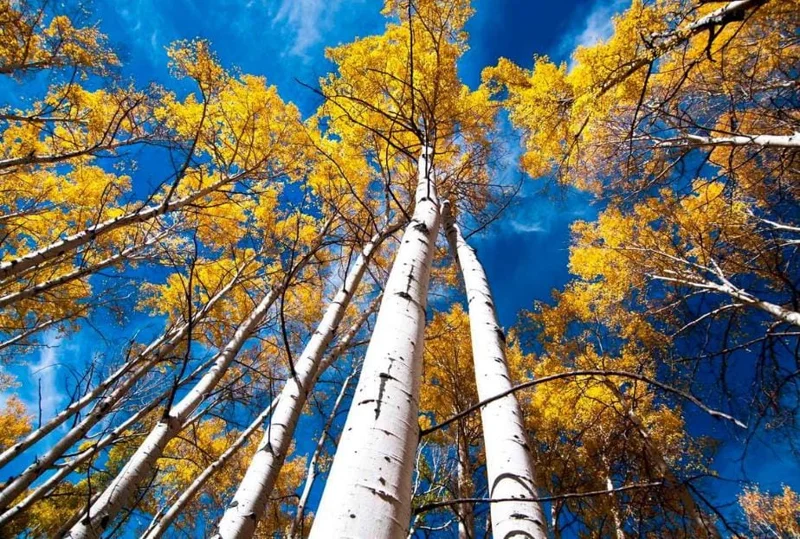
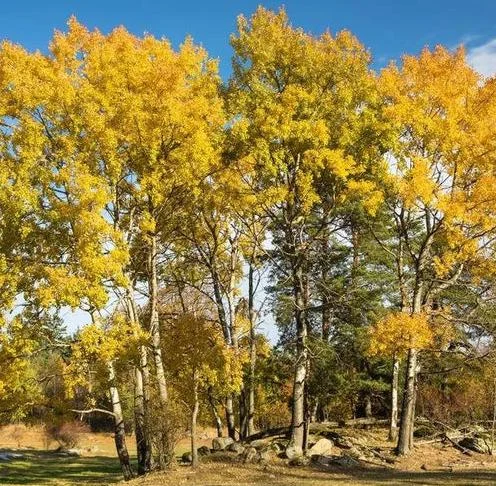
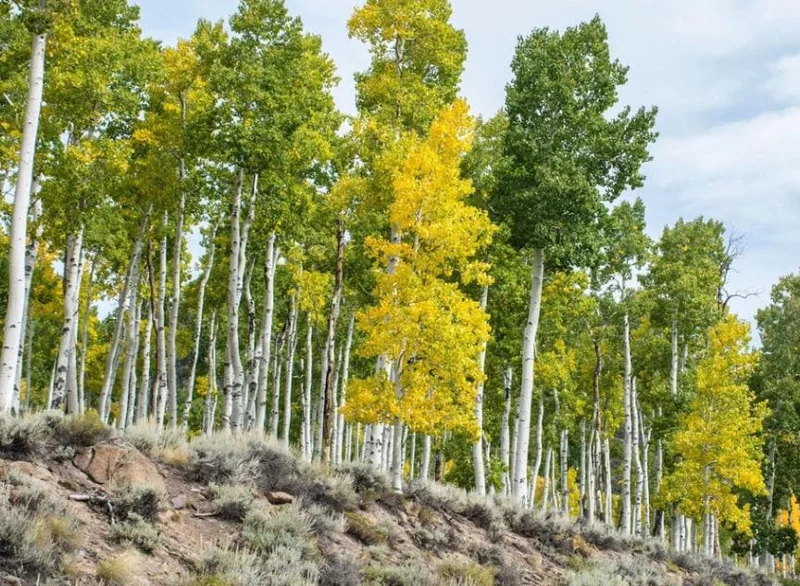
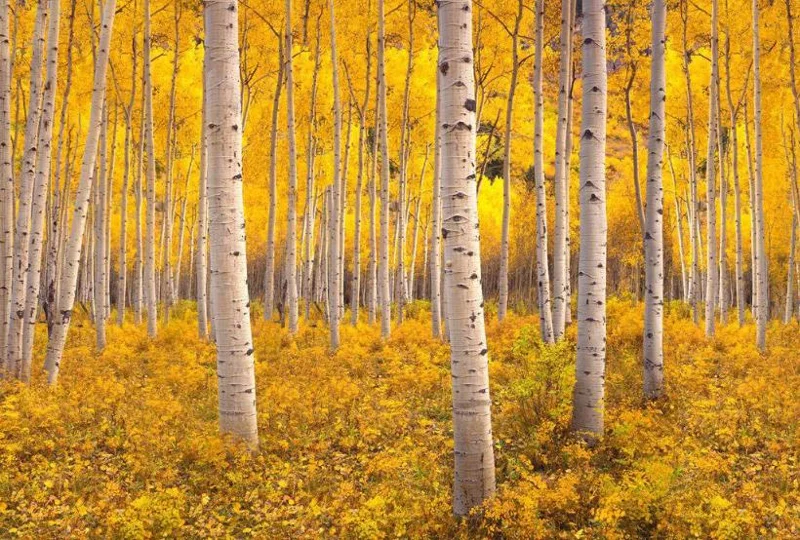
- Stunning Visual Appeal: These trees are celebrated for their iconic smooth white bark trees that provides year-round interest, especially striking against winter snow. In autumn, the foliage transforms into a brilliant golden yellow, creating a spectacular and memorable display that enhances any landscape.
- Unique Movement and Sound: The leaves of the Quaking Aspen are designed to ‘quake’ or tremble with the slightest breeze, producing a mesmerizing shimmering effect and a gentle, soothing sound. This natural movement adds a dynamic and sensory dimension to your garden.
- Cold-Hardy & Adaptable: Thriving in USDA Zones 2-7, these cold hardy aspen trees are exceptionally resilient to cold temperatures, making them suitable for a wide range of climates across the United States. They adapt well to new growing conditions once established.
- Fast Growth Rate: Once planted and established, Quaking Aspens grow relatively fast, quickly reaching heights of 40-50 feet. This rapid growth makes them an excellent choice for establishing shade, creating natural windbreaks, or filling large spaces in a shorter timeframe.
- Versatile Landscaping Use: Perfect for yards, mountain landscapes, woodland gardens, and shade planting, these trees are highly versatile. Their elegant form and vibrant seasonal changes make them suitable for various design themes, from formal to wild.
- Ecological Benefits: Beyond their beauty, populus tremuloides trees provide habitat and food for local wildlife, contributing to biodiversity. They also help improve air quality and can aid in soil stabilization, especially in naturalized areas.
- Easy Transplanting: Shipped as dormant bare root plants, these Aspens are easier to handle and transplant, leading to higher success rates. The absence of soil around the roots reduces transplant shock and encourages faster root establishment.
Plant Care & Growing Tips
To ensure your golden quaking aspen bare roots thrive and grow into magnificent trees, proper care and planting techniques are essential. These trees are known for their resilience but benefit greatly from attention to their specific needs, especially during their establishment phase. When considering quaking aspen planting, choose a location with ample space for the tree to reach its mature size.
Sunlight: Quaking Aspen trees flourish in full sun, requiring at least 6 hours of direct sunlight daily to achieve their best growth and most vibrant fall color. Ensure they are not shaded by larger structures or trees, especially when young. Soil: They prefer well-drained soil. While adaptable to various soil types, good drainage is crucial to prevent root rot. A slightly acidic to neutral pH is ideal. Amend heavy clay soils with organic matter to improve drainage, and sandy soils to enhance water retention. Watering: During the first year after planting, consistent moisture is key for establishment. Water deeply 2-3 times a week, especially during dry periods, ensuring the soil remains moist but not waterlogged. Once established, they are more tolerant to occasional dry spells but will benefit from supplemental watering during prolonged droughts. Fertilization: A balanced, slow-release fertilizer can be applied in spring after the first year of growth to encourage vigorous development. Avoid over-fertilizing, which can harm young trees. Temperature & Hardiness: These are robust cold hardy aspen trees, suitable for USDA Zones 2-7. They can tolerate very cold winters and hot summers, provided their watering needs are met. Protect young trees from extreme winter winds if planted in exposed locations.
Pruning: Minimal pruning is typically required, primarily to remove dead, damaged, or diseased branches. Prune in late winter or early spring before new growth emerges. Avoid heavy pruning, which can stress the tree. Pest & Disease: Quaking Aspens are generally healthy but can be susceptible to issues like cankers, leaf spots, and borers, especially if stressed. Good cultural practices, such as proper watering and planting in suitable locations, can help prevent many problems. Regular inspection for early signs of pests or diseases is recommended. Remember that proper quaking aspen planting and ongoing care will lead to a healthy, beautiful tree.
Size & Details
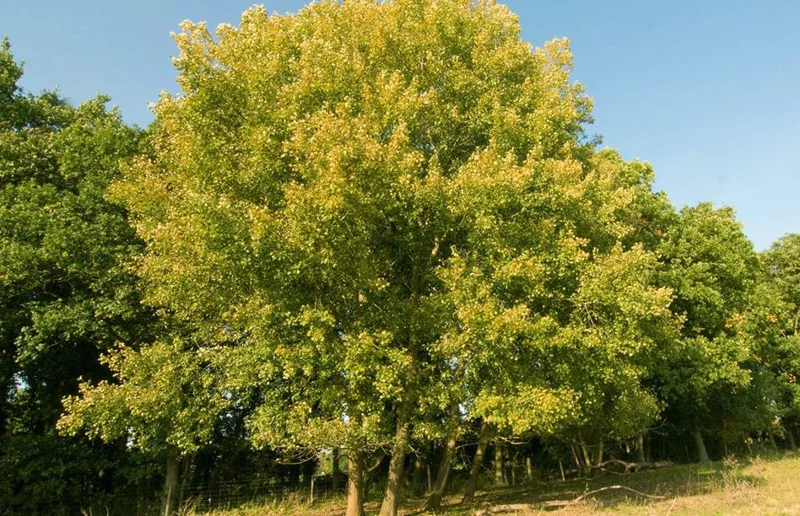
This offering includes two golden quaking aspen bare roots, each measuring 2-3 feet tall upon delivery. These dormant plants are carefully packaged to ensure they arrive in optimal condition for transplanting. As bare root specimens, they are lightweight and easy to handle, ready to be planted directly into your prepared garden space. Once established, these populus tremuloides trees are known for their impressive mature size, typically reaching heights of 40-50 feet with a spread of 20-30 feet, creating a significant presence in the landscape. Their growth rate is considered fast, meaning you won’t have to wait many years to enjoy their full grandeur and shade-providing capabilities.
The trees will begin to leaf out in spring after planting, gradually developing their distinctive features. While they are dormant upon arrival, they are live plants with a robust root system ready to wake up and grow. The smooth white bark trees will become more prominent with age, and the characteristic golden fall color will intensify each year. These trees are ideal for creating naturalized areas, providing a windbreak, or as a focal point in a large garden design. The natural beauty and ecological benefits of these Aspens make them a valuable addition to any outdoor environment.
Frequently Asked Questions
- Q: How big do these Golden Quaking Aspen bare roots get? A: These trees are shipped as 2-3 feet tall bare roots. Once mature, they can reach an impressive height of 40-50 feet with a spread of 20-30 feet, providing substantial shade and presence in your landscape.
- Q: Is this an indoor or outdoor plant? A: These populus tremuloides trees are strictly outdoor plants. They require ample space, full sunlight, and exposure to seasonal changes to thrive and develop their characteristic features.
- Q: How much sunlight does a Quaking Aspen need? A: Quaking Aspen trees require full sun, meaning at least 6 hours of direct sunlight per day. Adequate sunlight is crucial for healthy growth and to ensure their vibrant golden fall foliage.
- Q: Is this plant easy to care for? A: Once established, cold hardy aspen trees are relatively low-maintenance. They require consistent watering during their first year but are quite resilient afterward. Proper planting in well-drained soil and full sun is key to their success.
- Q: What condition will the bare roots arrive in? A: The golden quaking aspen bare roots will arrive dormant, which is their natural state for transplanting. They will be carefully packaged to protect their root system, ensuring they are ready for immediate planting.
- Q: When is the best time for quaking aspen planting? A: The best time for planting bare root Quaking Aspens is in early spring, after the last hard frost but before the heat of summer. This allows the roots to establish before the tree puts energy into leaf production.
- Q: Will these trees survive winter in my zone? A: Yes, these are exceptionally cold hardy aspen trees, thriving in USDA Zones 2-7. They are well-adapted to cold winters and are a reliable choice for northern climates.
- Q: What type of soil do Populus tremuloides trees prefer? A: Populus tremuloides trees prefer well-drained soil. While adaptable, they do best in slightly acidic to neutral soils with good drainage. Avoid overly wet or compacted soil conditions.
- Q: How long until these bare roots start to show leaves? A: After proper planting in spring, you can generally expect to see buds swell and leaves emerge within a few weeks, depending on local climate conditions and the tree’s establishment.
- Q: Can these trees be used for a windbreak? A: Absolutely! Due to their fast growth and mature size, these cold hardy aspen trees are an excellent choice for creating effective windbreaks and privacy screens in larger properties.





Reviews
There are no reviews yet.