Overview
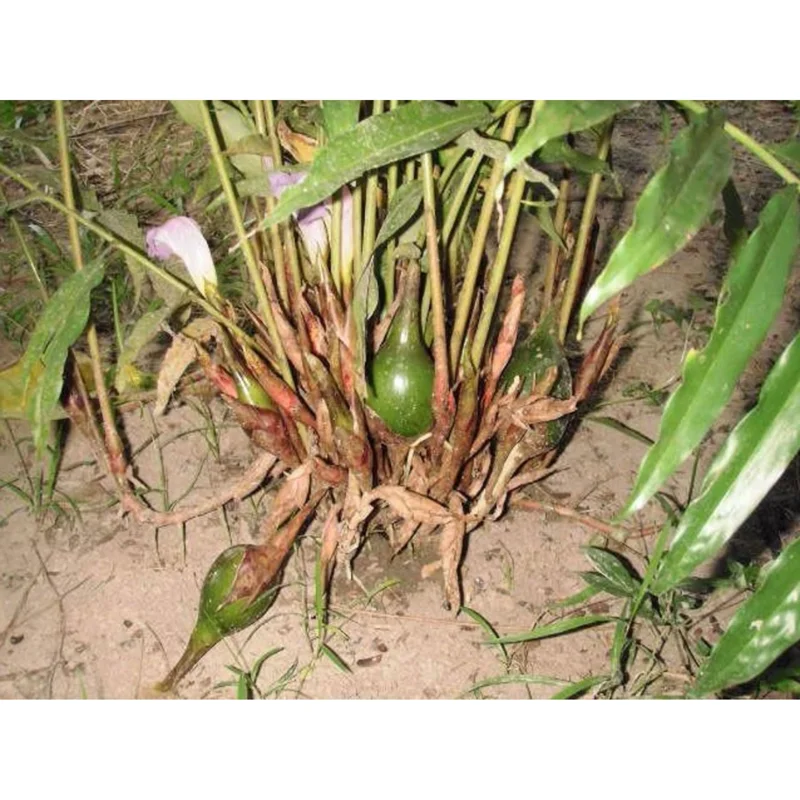
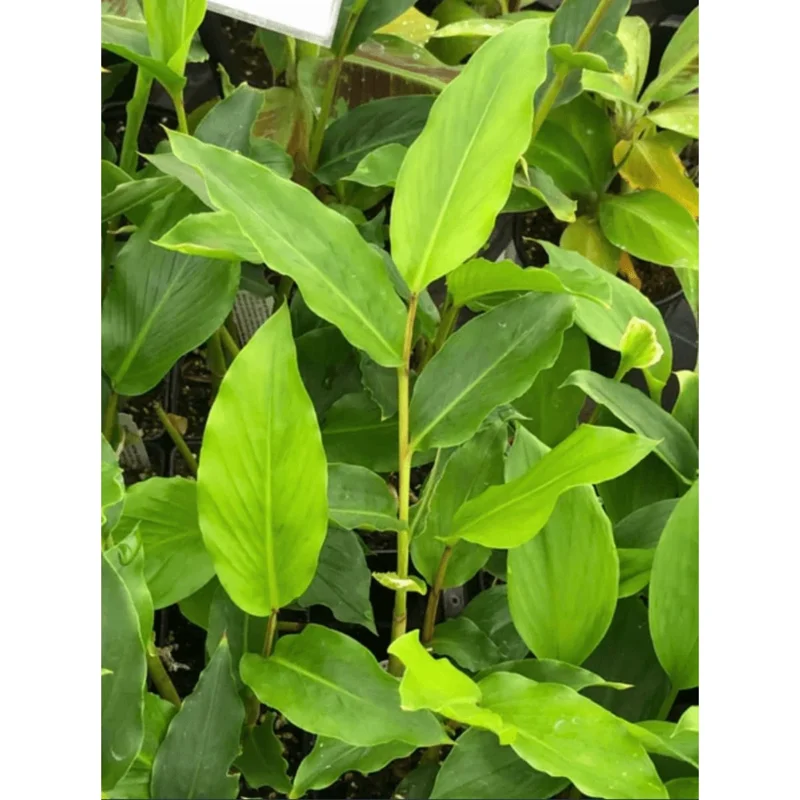
Bring the exotic flavors and intriguing history of West Africa to your home with a grains of paradise live plant. This fascinating tropical perennial, scientifically known as Aframomum melegueta, is a member of the ginger family and is highly prized for its aromatic seeds. Often referred to as alligator pepper plant, Guinea Pepper, or Melegueta Pepper, this starter plant is typically 4-8 inches tall, offering a perfect foundation for growing your own unique spice. Its striking foliage and the promise of its sought-after seeds make it a captivating addition to any plant collection. Originating from the rainforests, the grains of paradise live plant thrives in warm, humid conditions, making it an excellent choice for indoor cultivation in cooler climates or outdoor planting in suitable tropical zones.
The allure of grains of paradise live plant extends beyond its culinary uses. Its lush, green leaves add a tropical aesthetic to any setting, creating a mini jungle feel. As a starter plant, it allows you to nurture its growth from a young stage, observing its development into a mature plant capable of producing its distinctive, peppery seeds. Whether you’re a seasoned gardener looking for a rare specimen or a culinary adventurer eager to explore new flavors, this alligator pepper plant offers a rewarding growing experience and a bountiful harvest of an ancient spice.
Key Benefits
Growing your own grains of paradise live plant provides numerous benefits, from culinary exploration to aesthetic enjoyment. This unique plant is more than just a spice producer; it’s a piece of botanical history and a vibrant addition to your home or garden.
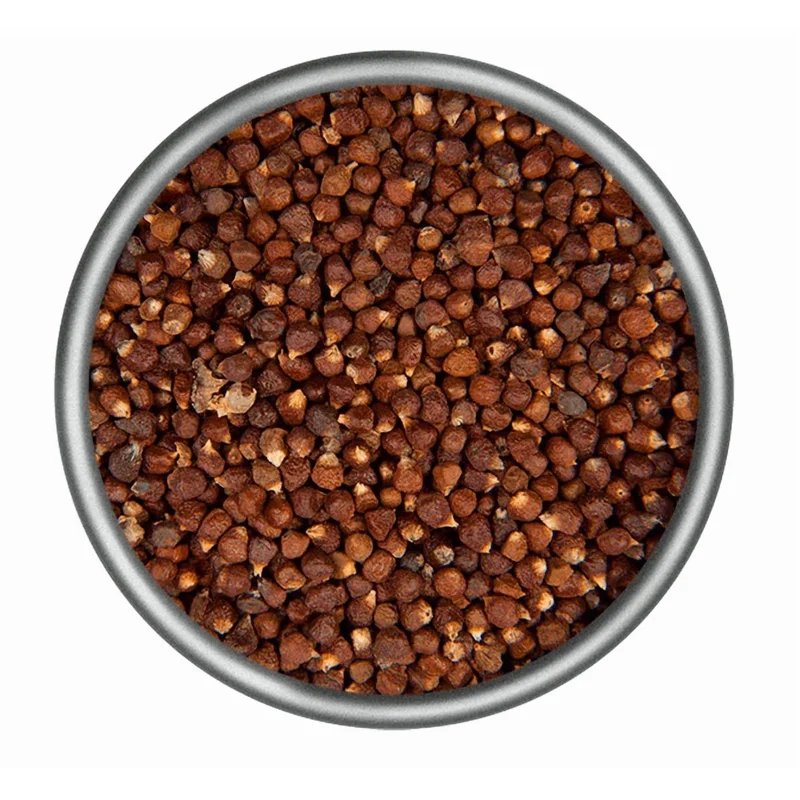
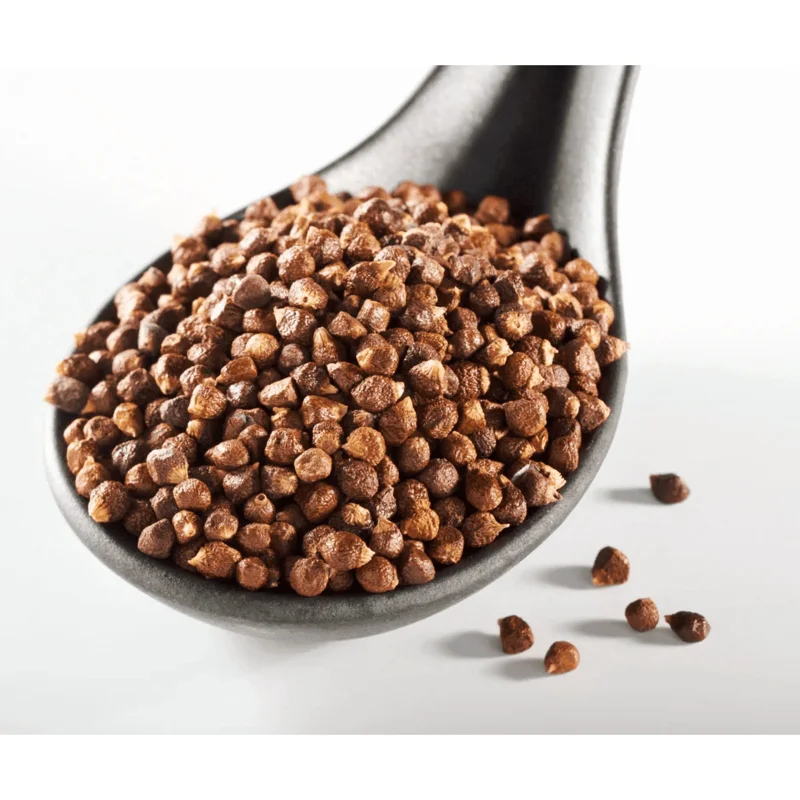
- Culinary Delight: Harvest your own fresh grains of paradise live plant seeds, known for their pungent, peppery, and slightly citrusy notes. They are a fantastic alternative to black pepper and are used in various African and Middle Eastern cuisines to season dishes, meats, and even beverages.
- Exotic Appeal: The lush, tropical foliage of the alligator pepper plant adds a vibrant, exotic touch to any indoor space or outdoor garden, creating a mini rainforest ambiance.
- Medicinal Properties: Historically, guinea pepper plant has been used in traditional medicine for its potential anti-inflammatory and digestive benefits. While not a substitute for professional medical advice, its traditional uses are well-documented.
- Unique Growing Experience: Cultivating this rare tropical perennial from a starter plant offers a rewarding and educational experience for gardeners of all levels. Watch it mature and produce its unique seed pods.
- Adaptable Cultivation: While native to tropical regions, the grains of paradise live plant can be successfully grown indoors in temperate climates, allowing you to enjoy this unique spice regardless of your local weather.
- Aromatic Qualities: Beyond its taste, the plant and its seeds emit a pleasant, spicy aroma, enhancing the sensory experience of your garden or kitchen.
Plant Care & Growing Tips
Caring for your grains of paradise live plant requires attention to its tropical origins, ensuring it receives adequate light, water, and appropriate soil conditions. This plant thrives in environments that mimic its native West African rainforest habitat. For optimal growth, provide bright, indirect light or partial shade. Direct, harsh sunlight can scorch its leaves, so if growing outdoors, choose a location with dappled light or morning sun and afternoon shade. Indoors, place it near a window that receives bright, filtered light, away from direct, intense rays.
Watering is crucial for the alligator pepper plant. It prefers consistently moist, but not waterlogged, soil. Water thoroughly when the top inch of soil feels dry to the touch, ensuring good drainage to prevent root rot. Reduce watering slightly during cooler months. The ideal temperature range for this plant is between 60°F and 75°F (15–24°C). Protect it from temperatures below 50°F (10°C), as it is not frost-tolerant. High humidity is also beneficial; consider misting the leaves regularly or placing the pot on a pebble tray with water, especially in dry indoor environments. The aframomum melegueta care routine is straightforward once you understand its native environment.
The best soil for your grains of paradise live plant is rich, well-drained, and slightly acidic to neutral, with a pH between 6.0 and 7.0. A good quality potting mix amended with compost or organic matter will provide the necessary nutrients and drainage. Fertilize monthly during the growing season (spring and summer) with a balanced liquid fertilizer diluted to half strength. Repotting should be done every 1-2 years or when the plant becomes root-bound. Watch out for common pests like spider mites and mealybugs, and address them promptly with organic insecticidal soap. Proper guinea pepper plant care will ensure a healthy, productive specimen.
Size & Details
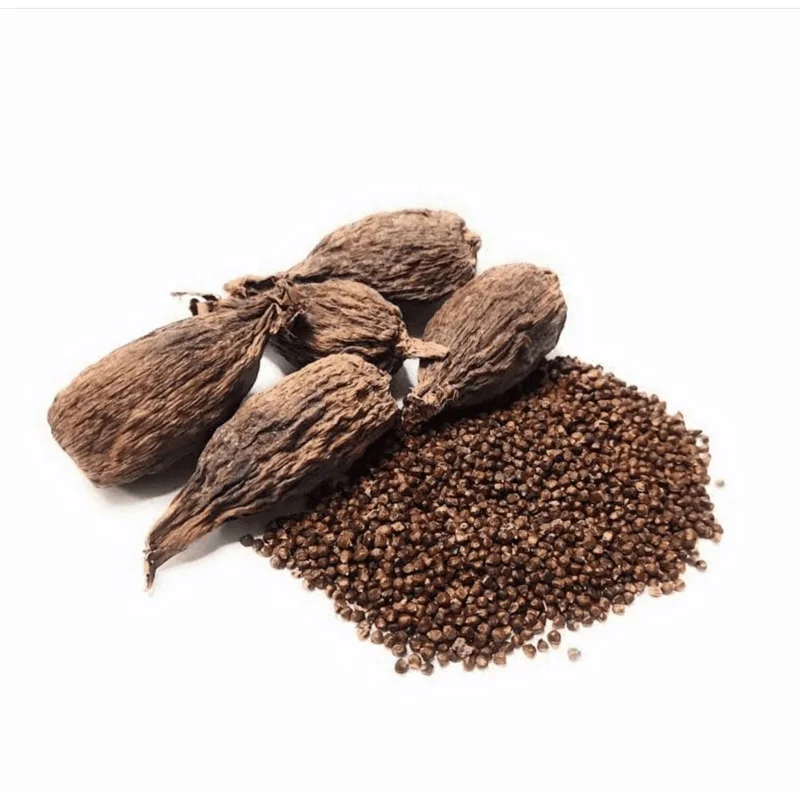
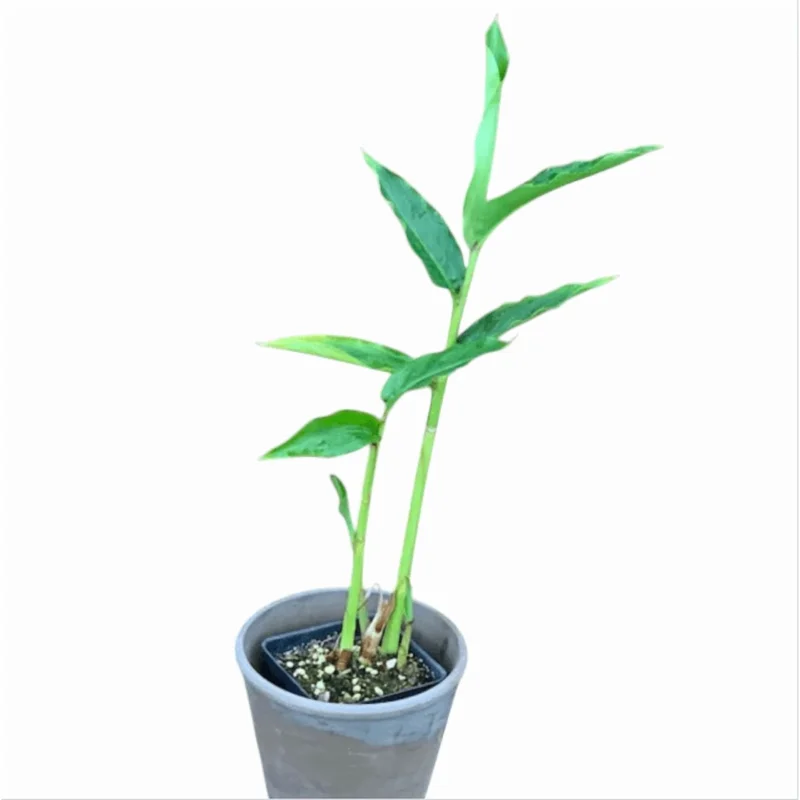
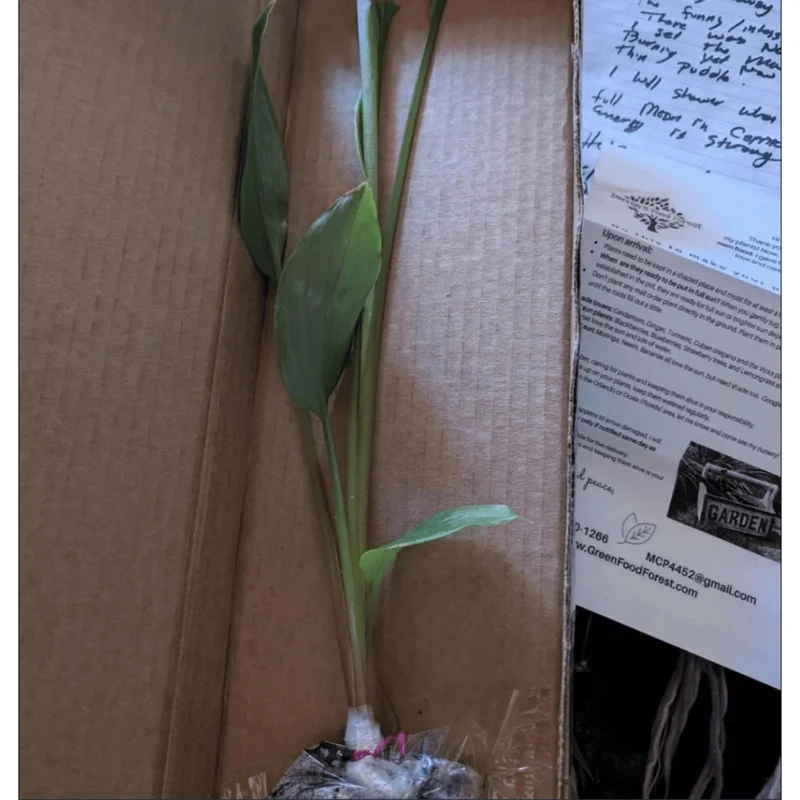
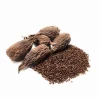
This offering is for a grains of paradise live plant starter, typically standing 4-8 inches tall from the base of the plant to the tip of its tallest leaf. It is shipped without a pot to ensure safe transit and reduce shipping costs, allowing you to plant it directly into your preferred container or garden bed upon arrival. The plant will establish quickly with proper care. While its initial growth rate may be moderate, a mature alligator pepper plant can reach heights of 3-6 feet in ideal conditions, forming a clumping habit similar to ginger. Expect the plant to begin producing its characteristic seed pods within 2-3 years, depending on growing conditions and maturity. The seeds, which are the highly prized ‘grains of paradise’, develop inside small, reddish-brown fruits.
Frequently Asked Questions
- Q: How big does this plant get? A: This grains of paradise live plant starter is 4-8 inches tall. With proper care, a mature plant can reach heights of 3-6 feet, forming a lovely tropical clump.
- Q: Is this an indoor or outdoor plant? A: While it thrives outdoors in USDA Zones 9-11, the alligator pepper plant can be successfully grown indoors in cooler climates, provided it receives bright, indirect light and consistent warmth.
- Q: How much sunlight does it need? A: The grains of paradise live plant prefers bright, indirect light or partial shade. Avoid direct, intense sunlight, which can scorch its leaves.
- Q: What condition will it arrive in? A: Your guinea pepper plant will arrive as a live starter plant, carefully packaged and shipped without a pot to ensure its health during transit. It’s ready for immediate planting upon arrival.
- Q: Is this plant easy to care for? A: Caring for aframomum melegueta care is moderately easy. It requires consistent moisture, warmth, and indirect light, mimicking its tropical habitat. It’s a rewarding plant for those willing to provide its specific needs.
- Q: Can I use the seeds from this plant in cooking? A: Yes, the seeds produced by a mature grains of paradise live plant are highly prized for culinary use. They offer a unique peppery flavor with citrusy undertones, perfect for various dishes.
- Q: How long until it produces seeds? A: Typically, a alligator pepper plant will begin producing its aromatic seeds within 2-3 years after planting, once it has reached a sufficient level of maturity.
- Q: What is the best soil for this plant? A: The grains of paradise live plant thrives in rich, well-drained soil with a pH between 6.0 and 7.0. A high-quality potting mix with added organic matter is ideal.
- Q: Will it survive winter in my zone? A: This tropical perennial is not frost-tolerant. If you live in a climate with temperatures below 50°F (10°C), it’s best to grow your melegueta pepper benefits plant indoors or move it inside during winter.
- Q: Is it good for beginners? A: While it has specific needs, a beginner can successfully grow the grains of paradise live plant by following consistent care routines, especially regarding watering, light, and temperature.





Reviews
There are no reviews yet.