Overview
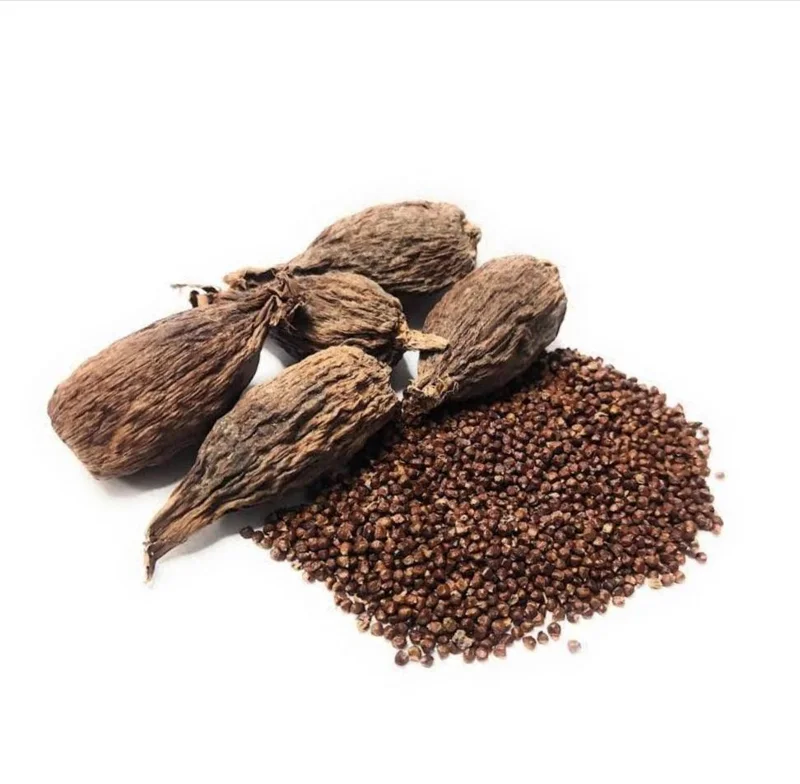
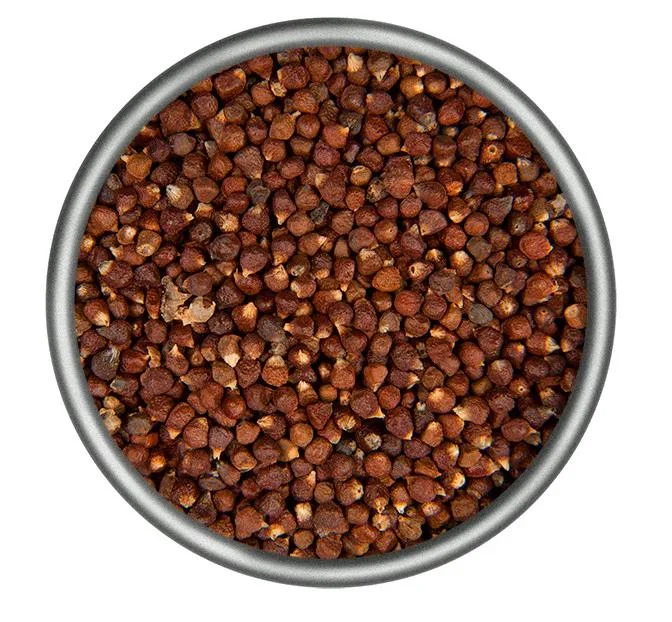
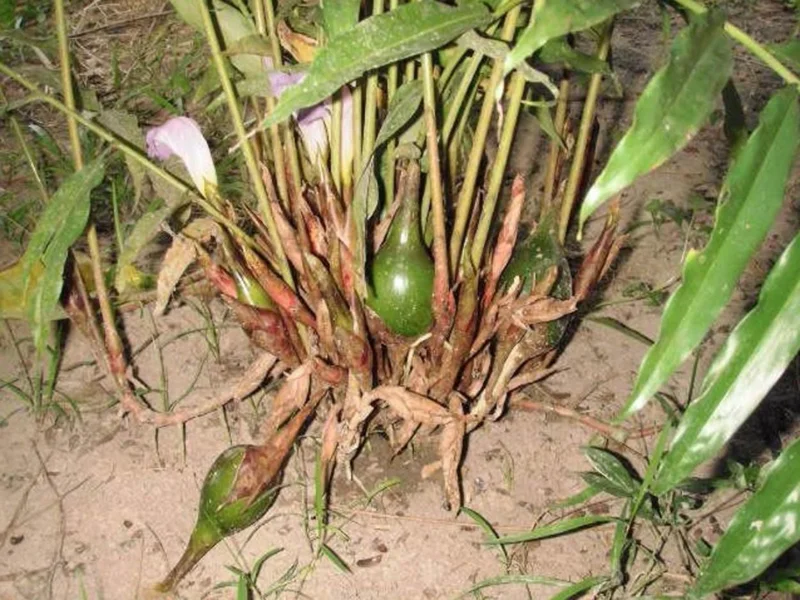
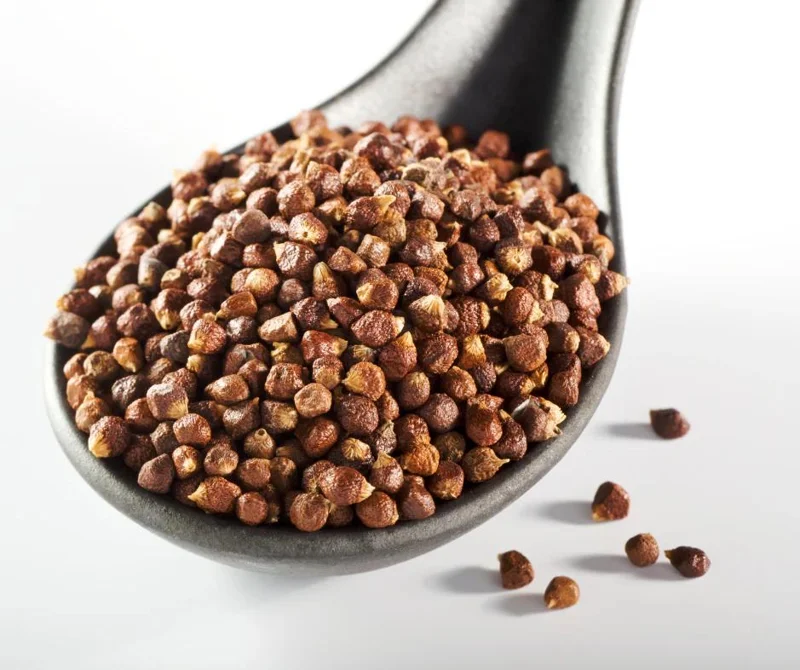
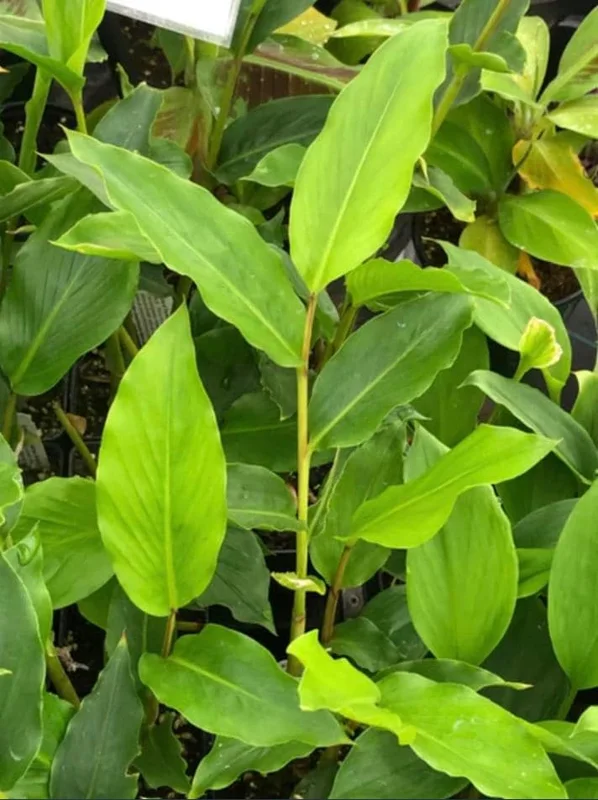
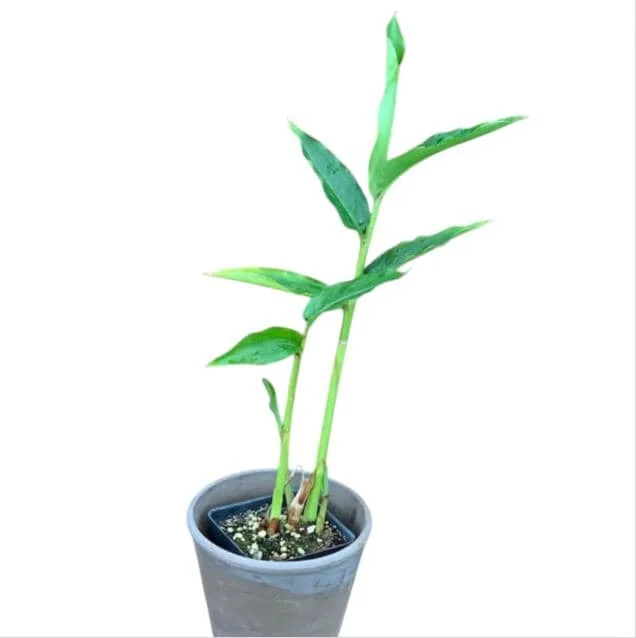
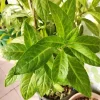
Embark on a culinary adventure with the exquisite grains of paradise live plant. This vibrant starter plant, also known by its intriguing aliases such as Alligator Pepper, Guinea Pepper, and Melegueta Pepper, offers a unique opportunity to grow a versatile spice right in your home or garden. Hailing from West Africa, this plant (Aframomum melegueta) is cherished for its aromatic seeds, which impart a peppery, citrusy, and slightly floral flavor profile to dishes. Your young starter plant, typically 4-8 inches tall, is well-rooted and ready to thrive, promising the eventual reward of its distinctive spice. While currently a young plant without flowers or fruit, with proper care, it will mature into a productive and beautiful addition to your plant collection.
Growing your own alligator pepper plant allows you to experience the freshest flavor and aroma, far superior to dried, pre-ground alternatives. It’s a fascinating specimen for both experienced gardeners and those new to growing exotic herbs. The plant’s lush foliage adds a tropical touch, making it an attractive ornamental even before it yields its coveted seeds. Prepare to be captivated by the journey of cultivating this ancient and revered spice.
Key Benefits
Adding a grains of paradise live plant to your collection offers a multitude of benefits, from culinary enrichment to horticultural enjoyment. This unique tropical spice plant is more than just an exotic specimen; it’s a living ingredient.
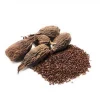
- Culinary Versatility: The seeds, once mature, are a prized spice, offering a complex flavor profile that enhances a wide range of dishes, from stews and curries to baked goods and beverages. Discover the rich taste of guinea pepper uses in your everyday cooking.
- Exotic Appeal: Its lush, tropical foliage brings a touch of the rainforest to your indoor space or garden, creating an intriguing visual focal point.
- Freshness at Your Fingertips: Growing your own ensures you have access to the freshest possible spice, unlocking a depth of flavor often lost in dried, store-bought versions.
- Educational Experience: Ideal for gardening enthusiasts, this plant provides an engaging learning experience about tropical agriculture and unique spice cultivation.
- Potential Health Properties: Historically, melegueta pepper care has been valued not only for its flavor but also for traditional medicinal uses, though further research is ongoing.
- Conversation Starter: Its unusual name and origin make it a fascinating topic for guests and fellow plant lovers.
- Supports Biodiversity: By growing less common plants like this tropical spice plant, you contribute to plant diversity and appreciation.
Plant Care & Growing Tips
Caring for your grains of paradise live plant is a rewarding experience that requires attention to its tropical origins. This plant thrives in conditions that mimic its native rainforest environment. It prefers bright, indirect light or partial shade, avoiding harsh direct sunlight which can scorch its leaves. A location near an east or north-facing window indoors or under the dappled canopy of larger plants outdoors would be ideal. Ensure it receives consistent moisture without being waterlogged.
The ideal soil for your alligator pepper plant is rich, well-drained, and slightly acidic to neutral, with a pH between 6.0 and 7.0. A good quality potting mix amended with compost or peat moss will provide the necessary nutrients and drainage. Keep the soil consistently moist but never soggy; allow the top inch or two of soil to dry out slightly between waterings. Maintaining high humidity is also beneficial, especially in drier indoor environments. You can achieve this by misting regularly, placing the pot on a pebble tray with water, or using a humidifier.
Temperature is crucial for this tropical species. It flourishes in warm environments, ideally between 60°F and 75°F (15–24°C). Protect it from cold drafts and temperatures below 50°F (10°C), as it is not frost-tolerant. Fertilize every 2-4 weeks during the growing season (spring and summer) with a balanced liquid fertilizer diluted to half strength. Reduce fertilization in fall and winter. Pests are generally not a major issue, but keep an eye out for common houseplant pests like spider mites or mealybugs, treating them promptly if they appear to ensure your tropical spice plant remains healthy.
Size & Details
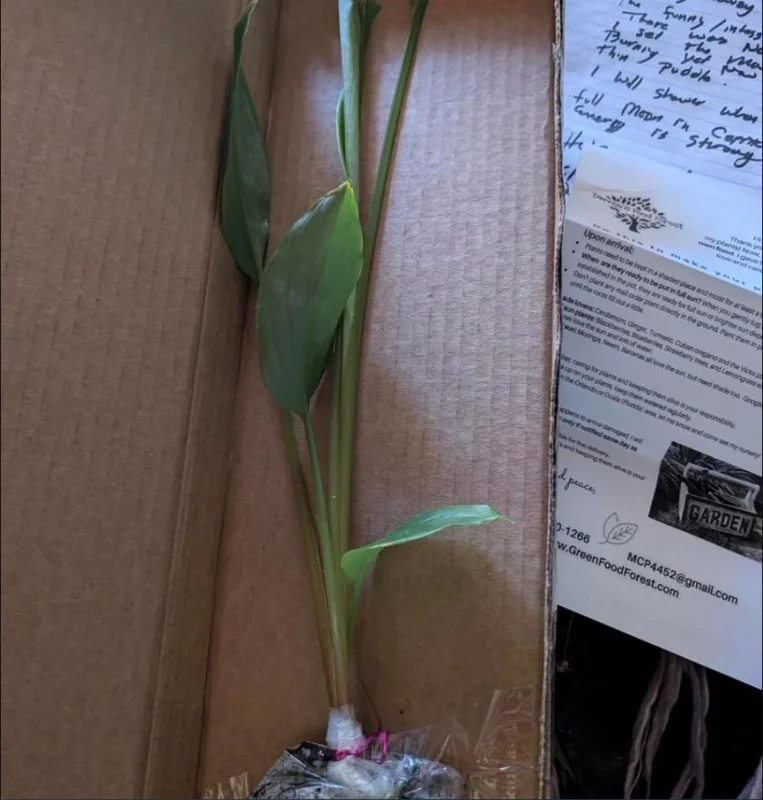
Your grains of paradise live plant will arrive as a healthy starter, typically measuring 4-8 inches in height. It is well-rooted in soil, ready for transplanting into a larger pot or your garden bed upon arrival. While it is currently a young plant and will not have flowers or fruit, it is poised for growth. This plant generally exhibits a moderate growth rate, eventually reaching heights of 3-6 feet in optimal conditions, though it can be kept smaller in containers. The mature plant develops attractive, elongated leaves, contributing to its ornamental value. With consistent care, you can expect it to begin producing its prized seeds within 1-2 years. It ships without a decorative pot to ensure safe transit, allowing you to choose the perfect container for its new home.
Frequently Asked Questions
- Q: How big will my grains of paradise live plant get? A: Your starter plant will be 4-8 inches tall. With proper care, a mature grains of paradise live plant can reach 3-6 feet in height, although container growing can help manage its size.
- Q: Is this an indoor or outdoor plant? A: It can be grown both indoors and outdoors. Outdoors, it thrives in USDA zones 10-11. In cooler climates, it’s best grown as a container plant that can be brought indoors during colder months.
- Q: How much sunlight does the alligator pepper plant need? A: The alligator pepper plant prefers bright, indirect light or partial shade. Avoid direct, harsh sunlight, which can scorch its leaves.
- Q: What condition will my plant arrive in? A: Your plant will arrive as a healthy, well-rooted starter plant in soil, typically 4-8 inches tall. It will be carefully packaged to ensure safe transit.
- Q: Can I use guinea pepper in cooking? A: Yes, once your plant matures and produces seeds, the guinea pepper uses are primarily culinary. The seeds are a flavorful spice similar to black pepper but with citrusy and floral notes.
- Q: Is this plant easy to care for? A: While it is a tropical plant, with attention to its light, water, and temperature needs, it is moderately easy to care for. It’s a great choice for those looking to expand their plant-growing skills.
- Q: What kind of soil does it prefer? A: It requires rich, well-drained soil with a pH between 6.0 and 7.0. A good quality potting mix with added organic matter works well.
- Q: When can I expect fruits or seeds from my plant? A: As a young starter, your plant will not have flowers or fruit upon arrival. With consistent care, it typically takes 1-2 years for the plant to mature enough to produce its first seeds.
- Q: What is the ideal temperature range for melegueta pepper care? A: This plant thrives in warm temperatures between 60°F and 75°F (15–24°C). It is sensitive to cold and should be protected from temperatures below 50°F.
- Q: How often should I water my tropical spice plant? A: Keep the soil consistently moist but not waterlogged. Allow the top inch or two of soil to dry out slightly before watering again. High humidity is also beneficial for this tropical spice plant.


Reviews
There are no reviews yet.