Overview
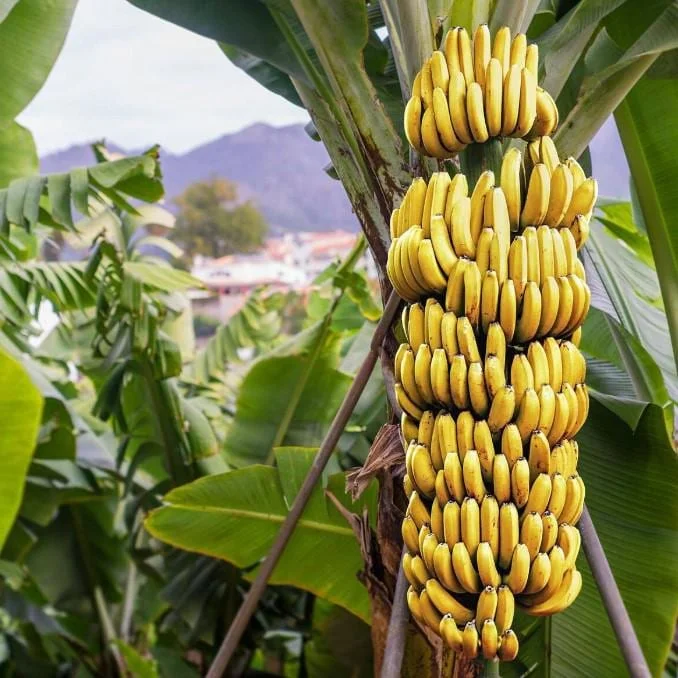
Bring the tropics to your backyard with the Grand Nain banana live plant. This exceptional cultivar is renowned for producing the classic, sweet, and creamy bananas found in grocery stores. A vigorous grower, the Grand Nain banana live plant quickly matures, offering a rewarding experience for both novice and experienced gardeners. Originating from Southeast Asia but commercially developed worldwide, this plant (scientifically known as Musa acuminata ‘Grand Nain’) is a fantastic choice for edible fruit production, tropical landscaping, or even container gardening in warmer climates. Its robust nature, coupled with its consistent fruit quality, makes it a highly sought-after specimen for home orchards and ornamental gardens alike. Prepare to enjoy fresh, homegrown bananas with minimal effort once established.
The Grand Nain variety is celebrated for its sturdy structure and wind resistance, making it a reliable addition to your landscape. It’s an excellent option for those looking to grow Grand Nain banana plants that yield bountiful harvests. Whether you’re aiming for a productive fruit source or simply wish to enhance your garden with lush, tropical foliage, this plant delivers on all fronts. Its rapid growth cycle means you won’t have to wait long to see your efforts bear fruit, typically within 9-12 months of planting.
Key Benefits
The Grand Nain banana live plant offers numerous advantages, making it a popular choice for gardeners:
- High Yield & Fast Growth: This cultivar is known for its impressive productivity, providing a generous supply of bananas relatively quickly compared to other varieties. You’ll be harvesting fresh fruit sooner than you think.
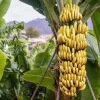
- Superior Fruit Quality: Enjoy the classic flavor and texture of supermarket bananas right from your garden. The Grand Nain produces sweet, creamy, and seedless fruit, perfect for eating fresh or in smoothies.
- Sturdy & Wind Resistant: Unlike some more delicate banana varieties, the Grand Nain features a robust structure that helps it withstand strong winds, ensuring a more reliable harvest even in exposed locations.
- Versatile Planting Options: Ideal for home gardens, orchards, and tropical landscaping. It can also be grown in large containers in climates where winter protection is necessary, allowing more gardeners to grow Grand Nain banana plants.
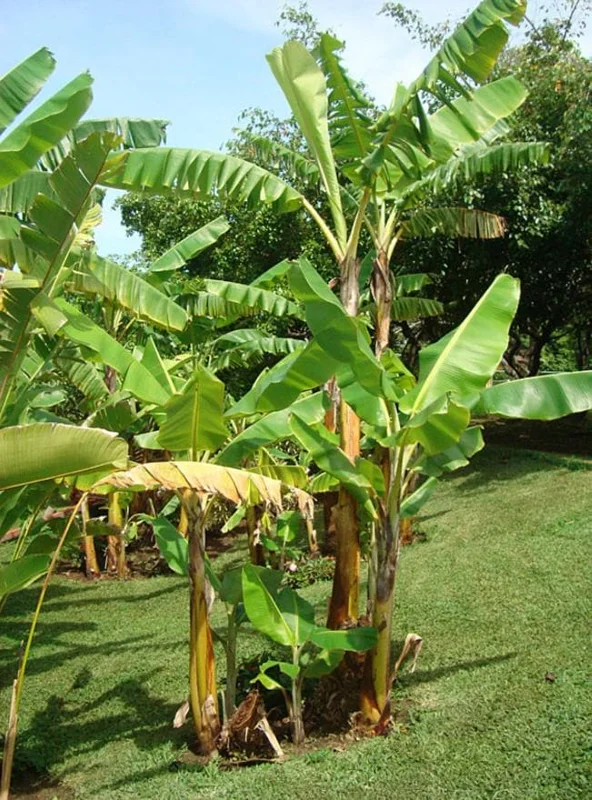
- Ornamental Appeal: Beyond its delicious fruit, the large, vibrant green leaves of this tropical banana tree add a lush, exotic touch to any garden or patio, creating a beautiful focal point.
- Homegrown Freshness: Experience the unparalleled taste of bananas ripened on the plant, free from commercial handling and artificial ripening agents.
- Easy to Manage: With proper care, this Musa Grand Nain plant is straightforward to maintain, offering a gratifying gardening experience for all skill levels.
Plant Care & Growing Tips
To successfully cultivate your Grand Nain banana live plant, understanding its specific care requirements is crucial. These tropical plants thrive in warm, frost-free environments, ideally within USDA zones 9–11. If you live in a cooler climate, consider growing your tropical banana tree in a large container that can be moved indoors during colder months. Protection from strong winds and cold snaps is essential to prevent damage to the large leaves and ensure healthy growth. Consistent warmth and humidity mimic their native habitat and encourage robust development and fruit production.
Soil quality is paramount for a healthy Musa Grand Nain. It prefers rich, well-drained loamy soil with a pH between 5.5–7.0. Incorporating high organic matter into the soil will provide essential nutrients and improve drainage. Keep the soil consistently moist but never waterlogged; deep, frequent watering is needed, especially during dry periods and active growth. Plant your banana in spring or early summer when temperatures are reliably warm, spacing multiple plants 6–10 feet apart to allow for ample canopy growth and air circulation. Full sun, meaning at least 6–8 hours of direct sunlight per day, is critical for vigorous growth and optimal fruiting. Fertilize regularly with a balanced, high-potassium fertilizer to support its rapid growth and heavy fruit production. Learning about specific Grand Nain banana care techniques will ensure a thriving plant.
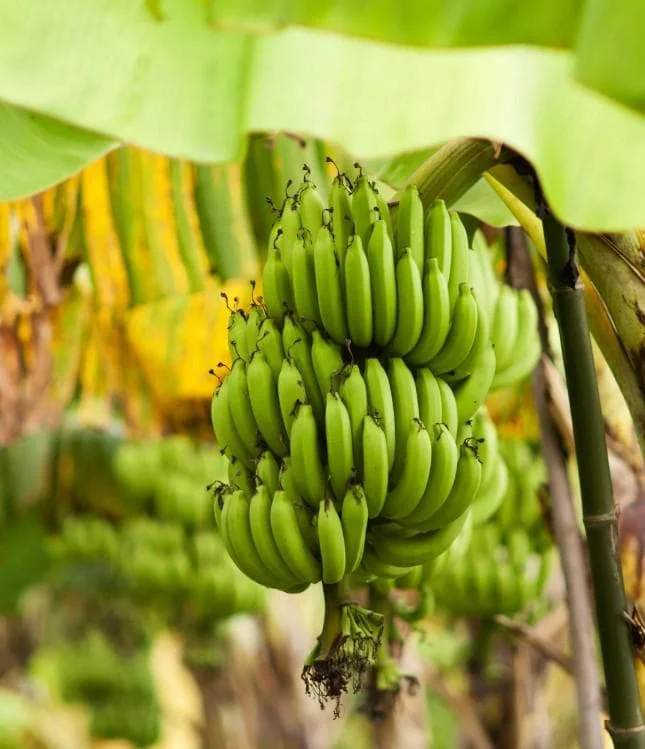
Harvesting typically occurs 9–12 months after planting. Look for bananas that are full-sized and just beginning to turn yellow. Cut the entire stalk of bananas from the plant and allow them to ripen further indoors. After fruiting, the main stem will die back, but new pups (suckers) will emerge from the base, continuing the cycle of growth and fruit. Prune these pups, leaving only one or two strong ones to ensure continuous production from your Grand Nain banana live plant.
Size & Details
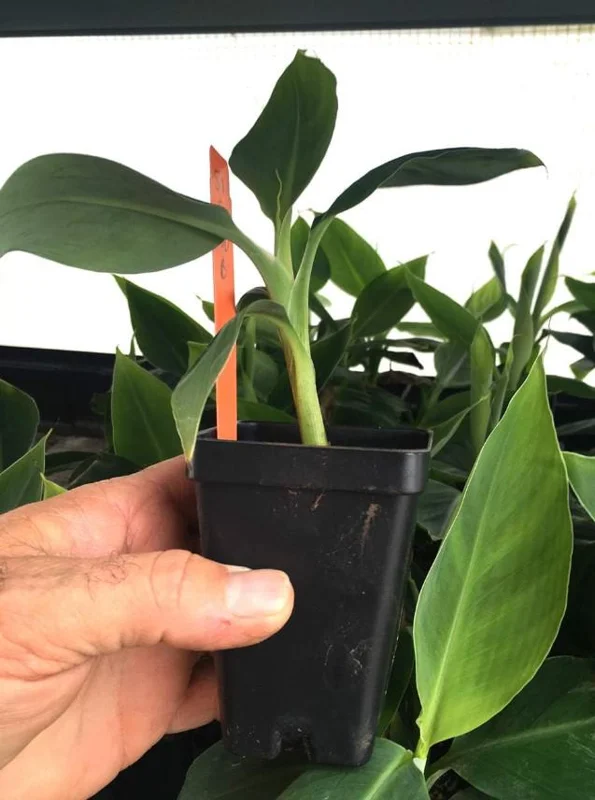
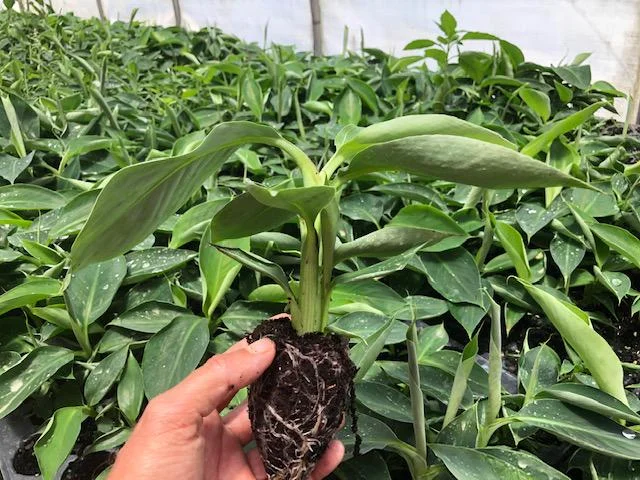
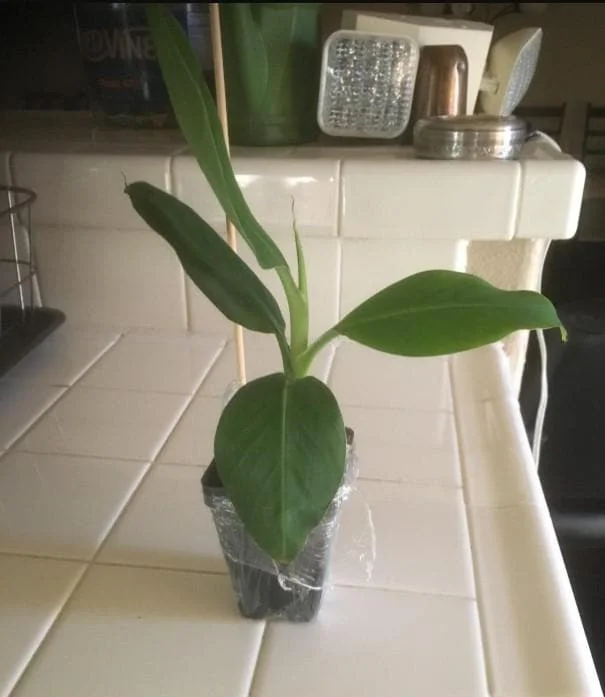
This offering is for a Grand Nain banana live plant, shipped at a height of 4-10 inches tall. These plants are typically sent without a pot, with their roots carefully protected to ensure safe transit and easy transplanting into your garden or container. The Grand Nain is a fast-growing variety that can reach mature heights of 6-10 feet in optimal conditions, producing large, lush leaves that can span several feet. Its compact growth habit compared to some other banana varieties makes it suitable for various garden sizes and even large patio containers.
Expect your Musa Grand Nain to begin producing fruit within 9-12 months of planting, provided it receives adequate care and favorable conditions. The plant will develop a sturdy pseudostem, which is actually a tightly packed cluster of leaf sheaths, from which the banana stalk will emerge. This vigorous grower will quickly establish itself and become a prominent feature in your landscape, offering both ornamental beauty and delicious, homegrown fruit. With proper Grand Nain banana care, you can enjoy a continuous harvest for many years.
Frequently Asked Questions
- Q: How big does this Grand Nain banana live plant get? A: In ideal conditions, the Grand Nain banana live plant can reach a mature height of 6-10 feet. Its spread can be significant due to its large leaves, so ensure adequate space for growth.
- Q: Is this an indoor or outdoor plant? A: While primarily an outdoor plant for tropical and subtropical climates (USDA zones 9-11), it can be grown indoors in large containers in cooler regions, provided it receives ample sunlight and warmth.
- Q: How much sunlight does a tropical banana tree need? A: The tropical banana tree requires full sun exposure, meaning at least 6-8 hours of direct sunlight per day, for optimal growth and fruit production.
- Q: Is this plant easy to care for? A: With consistent watering, proper fertilization, and protection from frost, the Grand Nain banana is relatively easy to care for and rewarding for gardeners of all experience levels. Understanding Grand Nain banana care is key.
- Q: What condition will it arrive in? A: Your Grand Nain banana live plant will be carefully packed and shipped to ensure it arrives healthy and ready for planting, typically without a pot to minimize plastic and shipping stress.
- Q: How long until it produces fruit? A: You can typically expect your Musa Grand Nain to start producing fruit approximately 9-12 months after planting, given the right growing conditions.
- Q: Will it survive winter in my zone? A: This plant thrives in USDA zones 9-11. If you are in a colder zone, it will need winter protection, such as being brought indoors or heavily mulched, to survive.
- Q: What is the best soil for growing Grand Nain banana? A: The Grand Nain banana prefers rich, well-drained loamy soil with high organic matter and a pH between 5.5–7.0.
- Q: How often should I water my Grand Nain banana plant? A: This plant needs frequent, deep watering. Keep the soil consistently moist but never waterlogged, especially during warm weather and active growth periods to help grow Grand Nain banana successfully.
- Q: Can I grow Grand Nain banana in a container? A: Yes, you can grow a tropical banana tree in a large container, especially in cooler climates where it can be moved indoors during winter. Ensure the container has good drainage.



Reviews
There are no reviews yet.