Overview
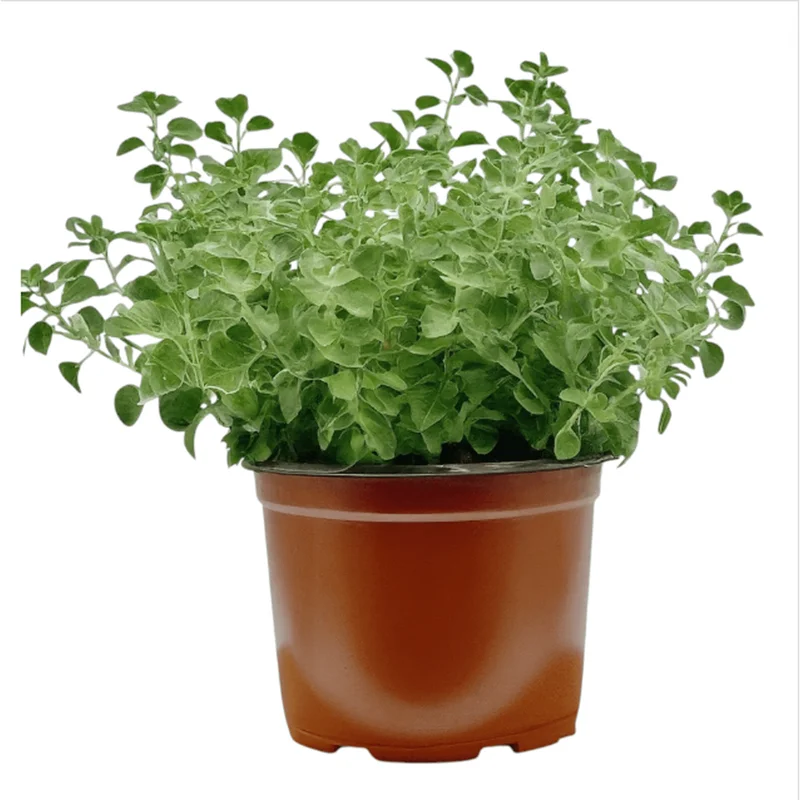
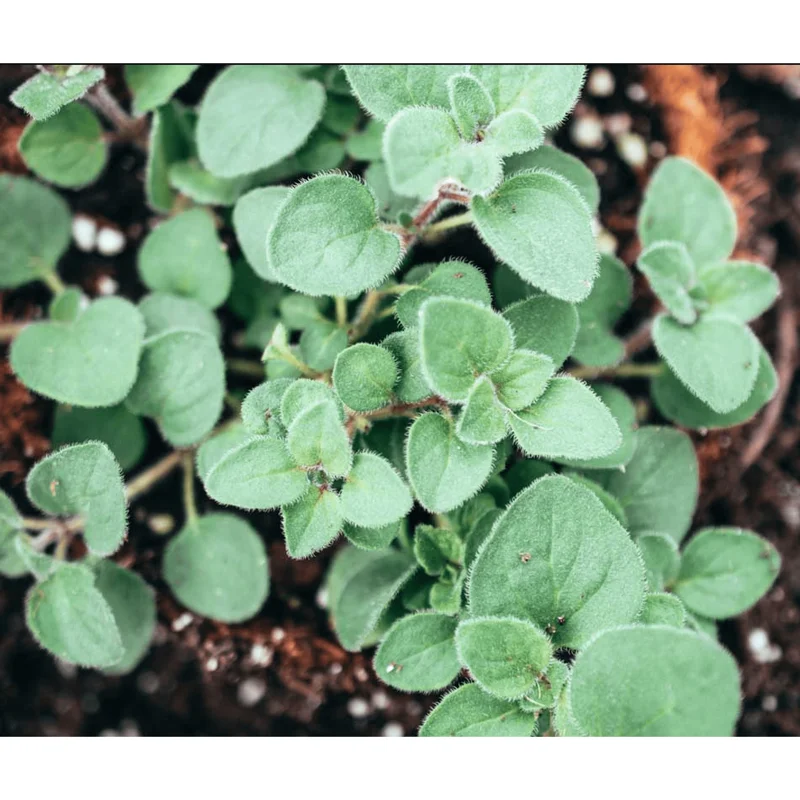
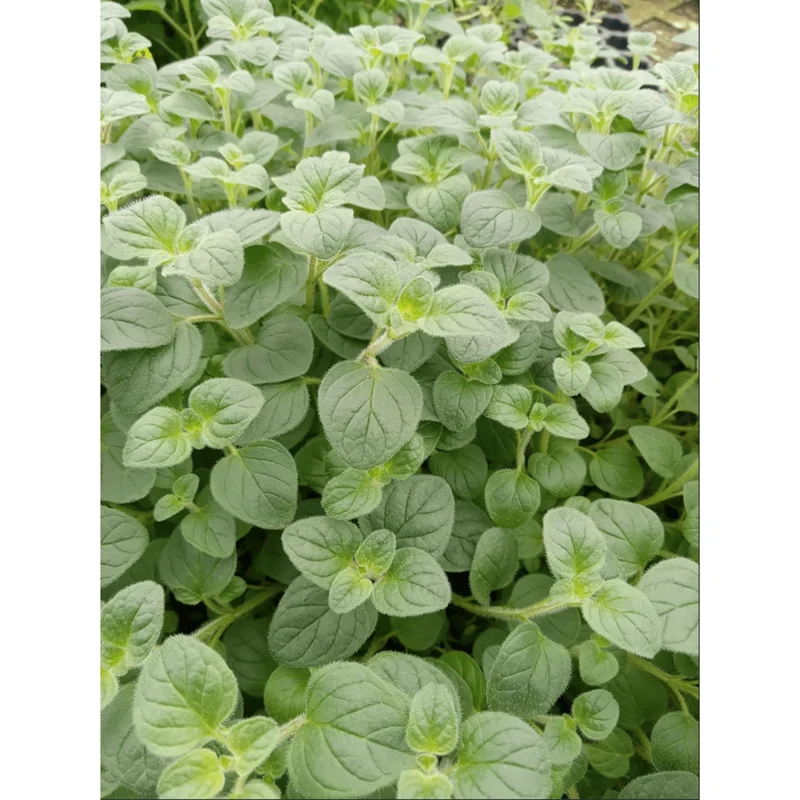
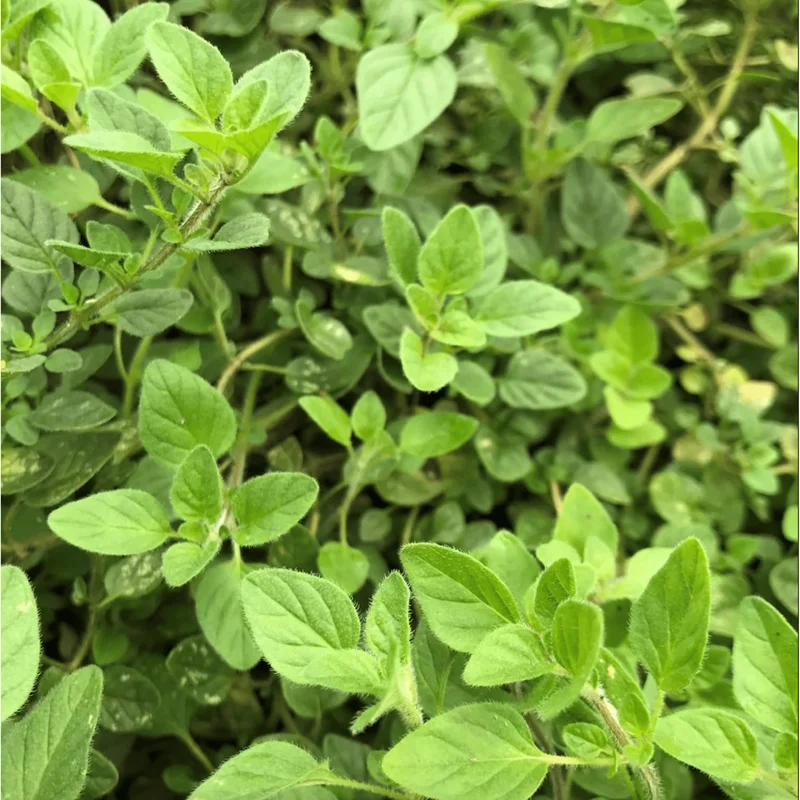
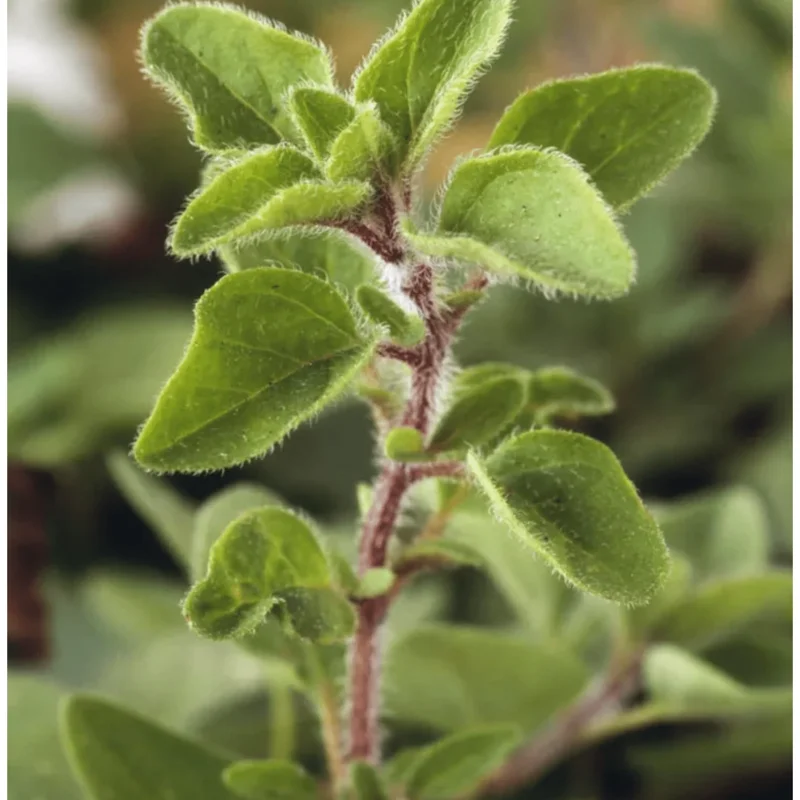
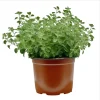
Bring the authentic taste of the Mediterranean to your kitchen and garden with this Greek oregano live plant. Revered for its pungent and robust flavor, Greek oregano (Origanum vulgare hirtum) is a vital ingredient in countless culinary traditions. These starter plants arrive ready for planting, allowing you to easily cultivate your own fresh supply of this aromatic herb. Greek oregano is a hardy perennial, meaning it will return year after year, providing a continuous harvest of flavorful leaves. Whether you’re a seasoned chef or a home gardener, growing your own Greek oregano for cooking is a rewarding experience that elevates your dishes and offers a connection to nature’s bounty.
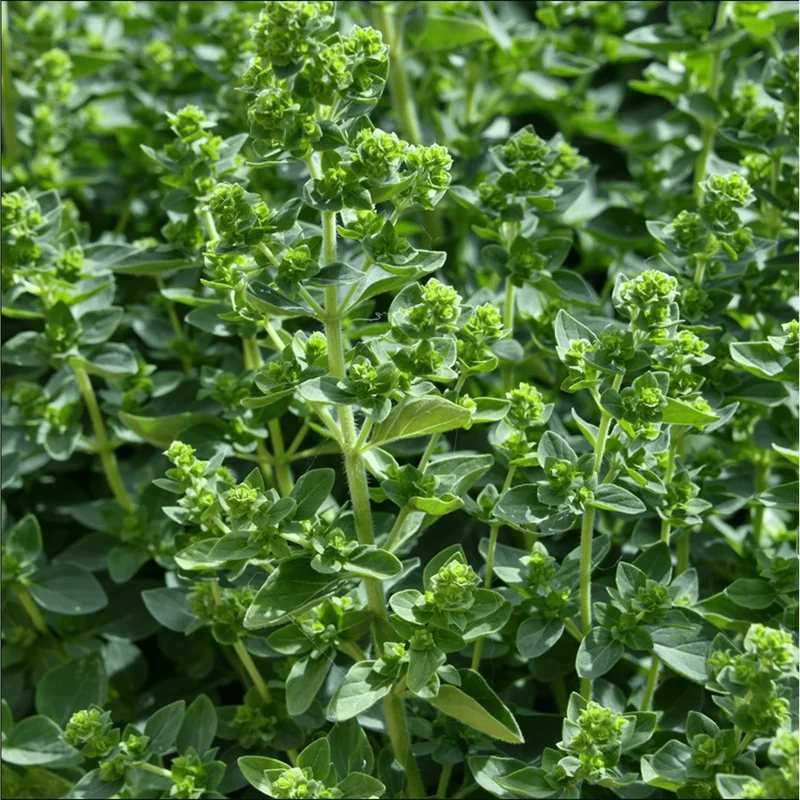
This offering provides a convenient way to establish a thriving oregano patch. Known for its vigorous growth and drought tolerance, this herb is relatively easy to care for, making it suitable for gardeners of all skill levels. Beyond its culinary applications, the plant’s attractive foliage and small, delicate flowers also make it a pleasant addition to herb gardens, rock gardens, or borders. Enjoy the satisfaction of harvesting fresh leaves for your favorite recipes, knowing they are packed with natural flavor and aroma.
Key Benefits
Adding a Greek oregano live plant to your garden or kitchen offers a multitude of advantages, from culinary delight to garden beauty. Here are some of the key benefits:
- Exceptional Culinary Flavor: Greek oregano is prized for its strong, peppery, and slightly bitter flavor profile, which is more intense and complex than common oregano. It’s an indispensable herb for Mediterranean, Italian, and Mexican cuisines, perfect for pizzas, pasta sauces, grilled meats, and salads, making it a versatile ingredient for any home cook.
- Aromatic and Fragrant: The leaves of this plant release a delightful, spicy aroma when brushed or crushed, adding an inviting scent to your garden or windowsill. This natural fragrance can also deter some garden pests, contributing to a healthier growing environment.
- Hardy Perennial Growth: As a perennial herb plant, your Greek oregano will return year after year with proper care, providing a continuous supply of fresh herbs without the need for annual replanting. This makes it a sustainable and cost-effective choice for your herb garden.
- Low Maintenance and Drought Tolerant: Once established, Greek oregano is remarkably resilient and requires minimal attention. It thrives in full sun and well-drained soil, and its drought-tolerant nature means it doesn’t need frequent watering, making it ideal for busy gardeners or those in drier climates.
- Versatile Use: Enjoy fresh leaves directly from the plant, or harvest and dry them for long-term storage. Dried oregano often has an even more concentrated flavor, perfect for winter cooking. You can also use it to brew flavorful and soothing herbal teas.
- Traditional Medicinal Uses: Historically, oregano has been valued for its potential medicinal properties, including digestive aid and relief from cold symptoms. While not a substitute for medical advice, its traditional uses add another dimension to its appeal.
- Supports Pollinators: The small flowers produced by the Greek oregano plant attract bees and other beneficial pollinators to your garden, contributing to local biodiversity and supporting the health of your ecosystem.
Plant Care & Growing Tips
To ensure your Greek oregano live plant thrives and provides an abundant harvest, understanding its basic care requirements is essential. This hardy herb prefers conditions similar to its native Mediterranean environment. For optimal growth and flavor, plant your oregano in a location that receives ample sunlight. Full sun, meaning at least 6-8 hours of direct sunlight per day, is ideal. In very hot climates, a little afternoon shade can be beneficial to prevent scorching, but generally, more sun equals more intense flavor.
The most critical aspect of growing healthy oregano is providing excellent drainage. Greek oregano absolutely detests soggy roots. Plant it in very well-draining, gritty, or sandy soil. If planting in a container, use a high-quality potting mix amended with perlite or sand. Avoid heavy clay soils, as these retain too much moisture. When it comes to watering, less is often more. This plant is drought-tolerant; allow the soil to dry out completely between waterings. Overwatering is the most common cause of oregano decline, as it can lead to root rot and dilute the plant’s essential oils, weakening its flavor. For best flavor development, err on the side of underwatering rather than overwatering. Greek oregano is generally hardy in USDA zones 5-9, tolerating a range of temperatures once established. Fertilization is typically not necessary for established plants, especially if grown in good soil. If your plant seems to be struggling, a light application of a balanced organic fertilizer in spring can be beneficial. Regular harvesting not only provides you with fresh herbs but also encourages bushier growth and prevents the plant from becoming leggy. Prune back flowering stalks to redirect the plant’s energy into leaf production, enhancing the intensity of the flavor. By following these guidelines, you’ll be able to successfully grow Greek oregano that is both flavorful and robust.
Size & Details
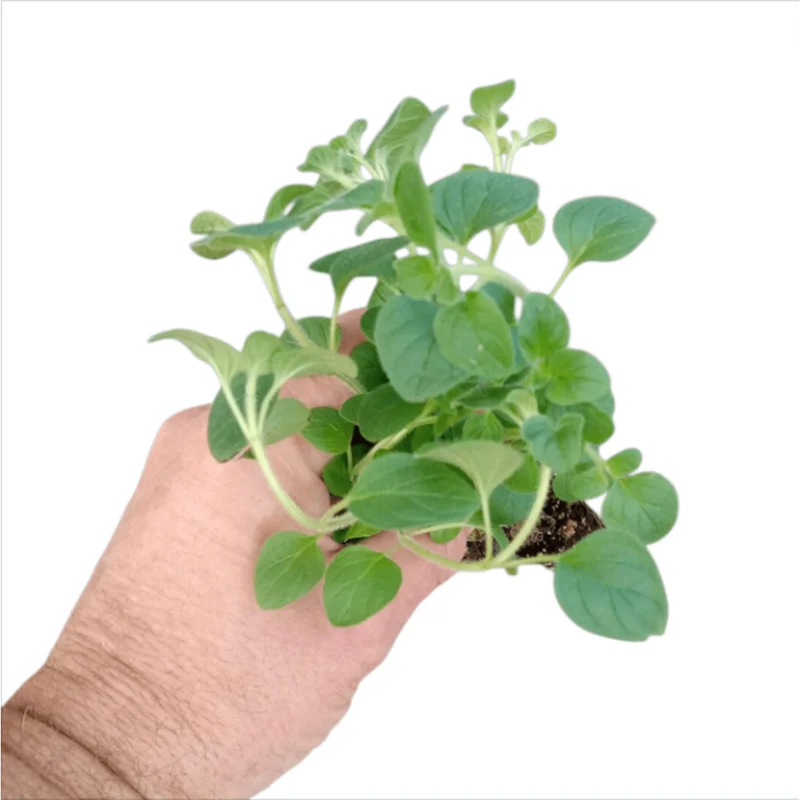
This offering includes a pack of 3 perennial herb plants of Greek oregano, each measuring approximately 5-8 inches tall upon arrival. These are starter plants, well-rooted and ready for transplanting into your garden beds, raised beds, or larger containers. While they arrive without a ship pot to minimize waste and shipping costs, they are carefully packaged to ensure their health during transit. Greek oregano typically grows to a mature size of 1-2 feet tall and spreads 1.5-2 feet wide, forming a beautiful, mounding plant. The growth rate is moderate, and you can expect to begin harvesting leaves within a few weeks of planting, with the plant reaching its full potential within one growing season. With proper care, these plants will provide a continuous supply of fresh, aromatic leaves for many years. The robust nature of this plant makes it an excellent choice for a variety of garden settings, including culinary gardens, rock gardens, and as an attractive groundcover.
Frequently Asked Questions
- Q: How big does this plant get? A: Each Greek oregano live plant typically grows to a mature size of 1 to 2 feet tall and can spread 1.5 to 2 feet wide, forming a dense, bushy mound. Its size can be managed with regular harvesting and pruning.
- Q: What size pot does it come in? A: These are starter plants measuring 5-8 inches tall and are shipped without a pot. You will need to provide your own pot or plant them directly into the ground upon arrival.
- Q: Is this an indoor or outdoor plant? A: While primarily an outdoor plant thriving in full sun, Greek oregano can be grown indoors in a sunny window with at least 6 hours of direct light. It’s a versatile aromatic oregano that adapts well to various settings.
- Q: How much sunlight does it need? A: For the best flavor and growth, Greek oregano requires at least 6-8 hours of full, direct sunlight per day. It prefers bright conditions and will become leggy and less flavorful in shade.
- Q: Is this plant easy to care for? A: Yes, Greek oregano is considered a very easy-to-care-for herb, especially once established. Its drought-tolerant nature and preference for well-draining soil make it a low-maintenance choice for both beginners and experienced gardeners.
- Q: What condition will it arrive in? A: Your perennial herb plants will arrive as healthy, well-rooted starter plants, carefully packaged to ensure their vitality during transit. They will be ready for immediate planting.
- Q: Can I use Greek oregano in cooking? A: Absolutely! This is the primary reason to grow this plant. Its strong, pungent flavor is perfect for Mediterranean, Italian, and Mexican dishes, including pizzas, sauces, grilled meats, and salads. It’s the ideal Greek oregano for cooking.
- Q: When is the best time to plant? A: The best time to plant Greek oregano is in the spring after the last frost, or in early fall. This allows the plant to establish itself before extreme temperatures.
- Q: Will it survive winter in my zone? A: Greek oregano is hardy in USDA zones 5-9. In colder zones (5-6), it may die back to the ground but typically regrows from the roots in spring. In warmer zones, it can remain evergreen.
- Q: What type of soil does it prefer? A: Greek oregano thrives in very well-draining, gritty, or sandy soil. It’s crucial to avoid heavy clay or overly moist conditions, as this can lead to root rot.



Reviews
There are no reviews yet.