Overview
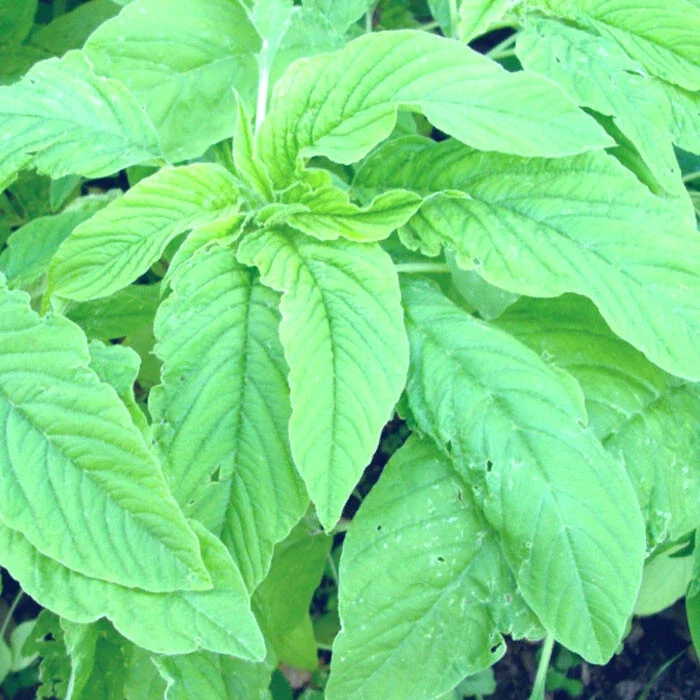
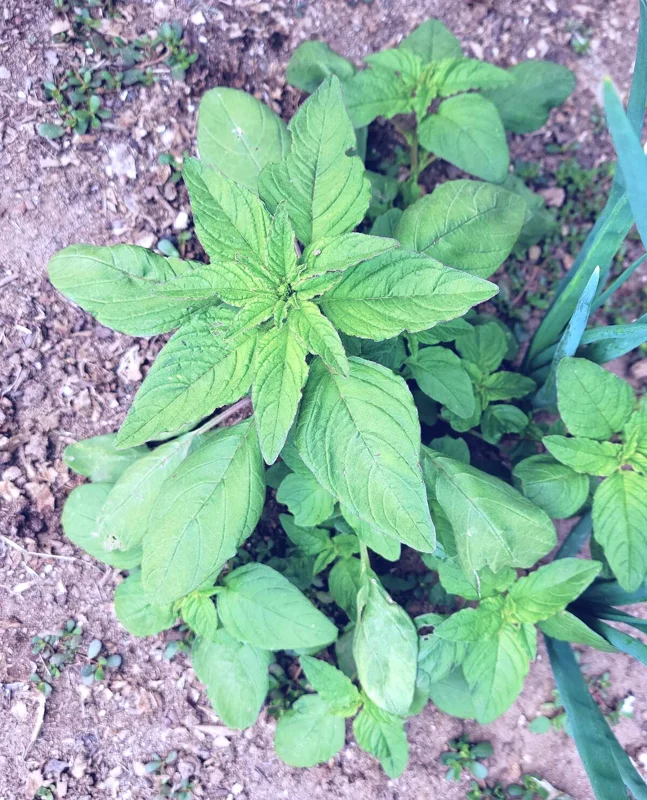
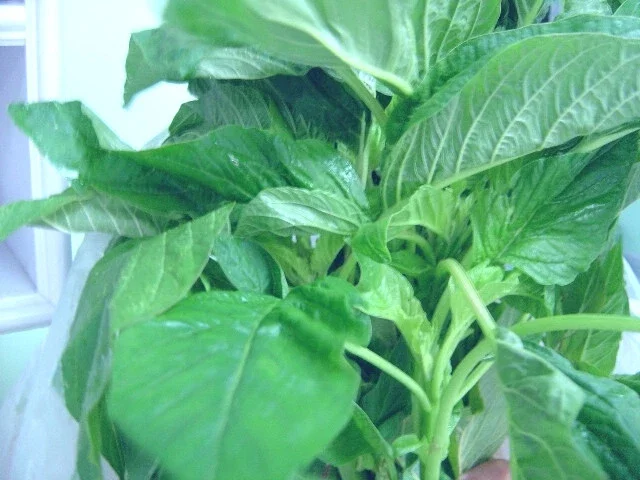
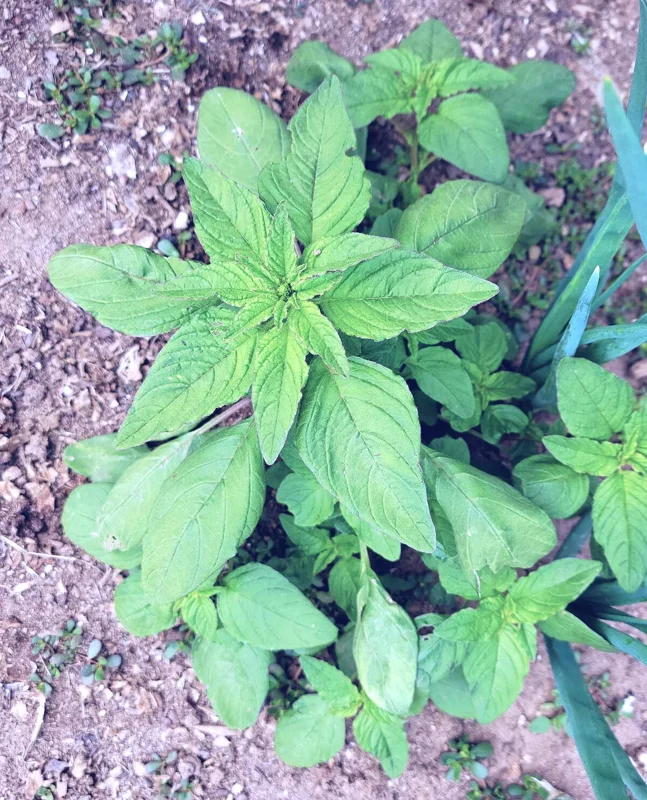
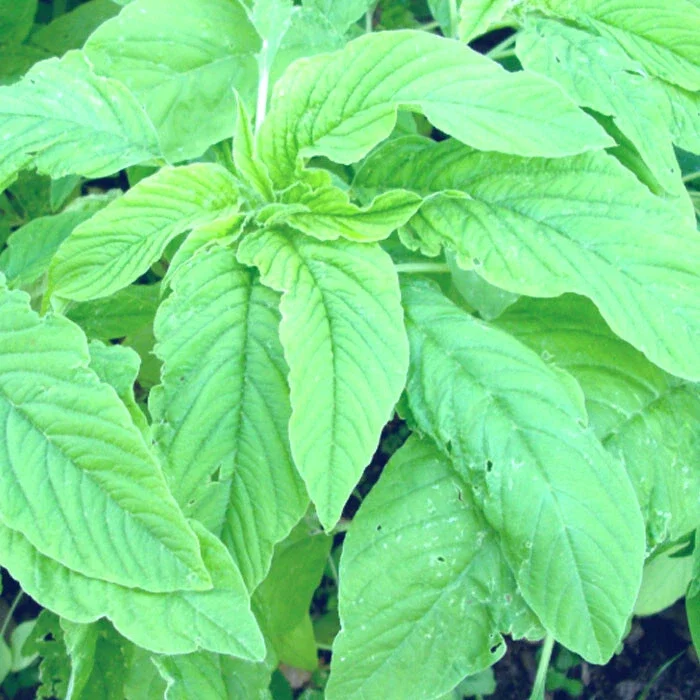
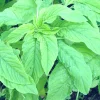
Embark on a rewarding gardening journey with our premium green leaf amaranth seeds. Amaranth, scientifically known as Amaranthus tricolor, is a versatile and highly nutritious leafy green that makes a fantastic addition to any home garden. Often referred to as Chinese Spinach or Callaloo, this annual plant is celebrated for its vibrant green foliage and its ability to thrive in warm climates. Our carefully selected seeds promise healthy germination and robust growth, allowing you to cultivate your own supply of fresh, edible greens. Whether you’re a seasoned gardener or just starting out, growing amaranth from seed is a straightforward and satisfying experience, yielding delicious results for your culinary adventures. These seeds are perfect for creating a productive vegetable patch that not only provides food but also adds a touch of lush greenery.
Green leaf amaranth is an excellent choice for gardeners looking for a fast-growing, heat-tolerant crop. Its beautiful foliage can also serve as an attractive ornamental plant in your garden beds. With over 50 seeds in each pack, you’ll have plenty to start a generous crop, ensuring a continuous harvest of tender leaves. This plant is known for its resilience and adaptability, making it a reliable option for various gardening skill levels. Enjoy the process of nurturing these seeds into mature plants, and soon you’ll be harvesting fresh amaranth for your kitchen.
Key Benefits
Our green leaf amaranth seeds offer numerous advantages for both your garden and your plate. From their ease of cultivation to their nutritional value, these seeds are a smart choice:
- Nutrient-Rich Greens: Amaranth leaves are packed with vitamins A and C, iron, and calcium, offering a healthy boost to your diet. Incorporating these greens into your meals can enhance overall well-being.
- Fast Growth & High Yield: These plants mature quickly, often ready for harvest within 30-45 days, providing a continuous supply of fresh leaves throughout the growing season. This makes them highly efficient for a kitchen garden.
- Heat Tolerant & Drought Resistant: Unlike many other leafy greens, amaranth thrives in warm weather and can withstand periods of drought, making it an ideal crop for hotter climates or summer gardening.
- Versatile Culinary Use: The tender leaves can be used in a wide array of dishes, from stir-fries and soups to salads and steamed side dishes. Explore various edible amaranth varieties to diversify your meals.
- Easy to Grow from Seed: Even beginner gardeners will find success with these resilient seeds. They require minimal fuss once established, making the gardening process enjoyable and accessible.
- Aesthetic Appeal: Beyond its edible qualities, the lush green foliage of amaranth can add a beautiful, vibrant texture to your garden landscape.
- Supports Healthy Soil: Amaranth plants contribute to soil health by shading the ground and helping to suppress weeds, making them a beneficial component of a sustainable garden.
Plant Care & Growing Tips
Cultivating green leaf amaranth seeds is relatively simple, as these plants are quite forgiving. To ensure the best results, start by selecting a site with full sun, meaning at least 6-8 hours of direct sunlight per day. While amaranth can tolerate some partial shade, especially in very hot climates, full sun encourages the most vigorous growth and leaf production. Prepare your soil by ensuring it is well-draining and rich in organic matter. Amaranth is not particularly picky about soil type, but a slightly acidic to neutral pH (6.0-7.0) is ideal for optimal growth.
Sow the seeds directly outdoors after all danger of frost has passed and soil temperatures have warmed, typically in late spring or early summer. Plant seeds about 1/4 inch deep and 4-6 inches apart in rows, with rows spaced 12-18 inches apart. Once seedlings emerge and are a few inches tall, thin them to 8-12 inches apart to allow for proper air circulation and growth. Consistent watering is crucial during the germination phase and while plants are young. Once established, amaranth becomes more drought-tolerant, but regular watering, especially during dry spells, will promote lush, tender leaves. Aim for evenly moist soil, but avoid waterlogging. Fertilize sparingly with a balanced organic fertilizer every 4-6 weeks if your soil is not particularly rich. Keep an eye out for common garden pests like aphids or leaf miners; these can usually be managed with organic pest control methods or by simply washing affected leaves. Enjoy learning how to grow amaranth from seed and reap its many benefits.
Size & Details
This offering includes a generous pack of 50+ Amaranthus tricolor seeds, specifically selected for their robust growth and delicious green leaves. These are annual vegetable seeds, meaning they complete their life cycle within one growing season, providing a continuous harvest until the first frost. The plants typically reach a height of 2-4 feet, depending on growing conditions and cultivation practices, with a spread of about 1-2 feet. The leaves are ready for harvest as soon as they are large enough to eat, usually within 30-45 days from sowing for baby greens, and 60-90 days for mature leaves. The seeds are packaged to ensure viability and are suitable for planting in the upcoming growing season. This pack provides ample opportunity to cultivate a substantial crop of these popular annual vegetable seeds, ensuring you have fresh greens on hand for many meals.
Frequently Asked Questions
- Q: How many seeds are included in this pack? A: This pack contains 50+ green leaf amaranth seeds, providing an abundant supply for your gardening needs. You’ll have plenty to start a healthy crop and enjoy fresh greens.
- Q: Is this an indoor or outdoor plant? A: Green leaf amaranth is primarily an outdoor plant, thriving in full sun and warm temperatures. While it can be started indoors and transplanted, it prefers to complete its growth cycle outdoors.
- Q: How much sunlight does amaranth need? A: Amaranth requires at least 6-8 hours of direct sunlight per day for optimal growth and leaf production. In very hot climates, a little afternoon shade can be beneficial.
- Q: Is this plant easy to care for? A: Yes, amaranth is known for being relatively easy to grow and maintain, making it a great choice for both novice and experienced gardeners. It’s quite resilient and adaptable.
- Q: What condition will the seeds arrive in? A: Your amaranthus tricolor seeds will arrive carefully packaged to ensure their viability and readiness for planting. We prioritize seed quality for successful germination.
- Q: When is the best time to plant green leaf amaranth seeds? A: The best time to plant green leaf amaranth seeds is after the last danger of frost has passed and soil temperatures have warmed up, typically in late spring or early summer.
- Q: Can I harvest amaranth leaves multiple times? A: Yes, you can practice cut-and-come-again harvesting with amaranth. Simply snip the outer leaves as needed, and the plant will continue to produce new growth from the center.
- Q: What are some popular edible amaranth varieties? A: Besides this green leaf variety, other popular edible amaranth includes Red Garnet, Callaloo, and Tampala, each offering unique flavors and colors.
- Q: Will it survive winter in my zone? A: As an annual, green leaf amaranth will not survive winter in most zones. It completes its life cycle within one growing season and will need to be replanted each year.
- Q: What kind of soil does amaranth prefer? A: Amaranth thrives in well-draining soil that is rich in organic matter. A slightly acidic to neutral pH (6.0-7.0) is generally ideal for robust growth.





Reviews
There are no reviews yet.