Overview
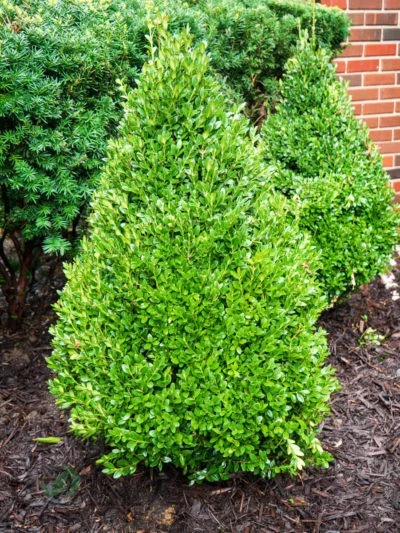
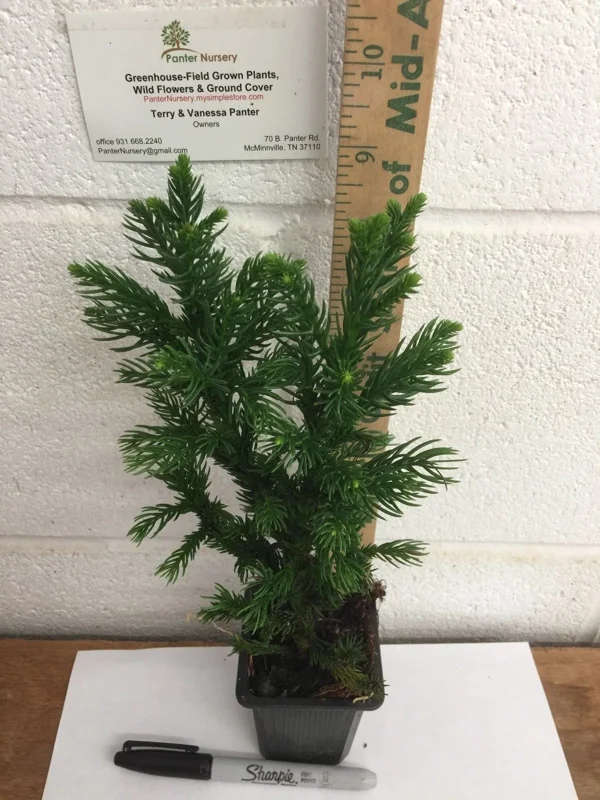
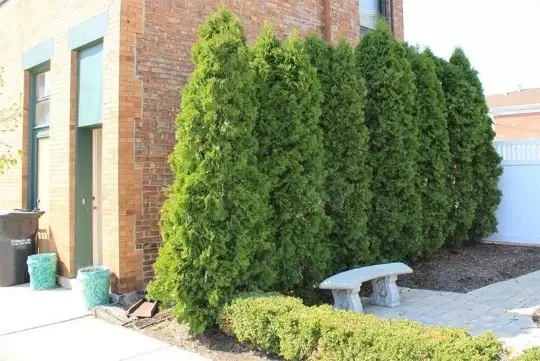
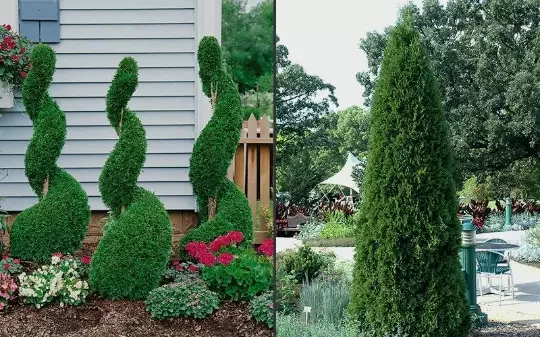
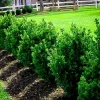
Introduce classic elegance to your garden with the Green Mountain Boxwood live plant. This robust and well-rooted specimen, typically measuring over 12 inches in height, is a highly popular choice for both formal and informal landscapes. Known botanically as Buxus sempervirens ‘Green Mountain’, this cultivar is celebrated for its dense, upright, and naturally conical growth habit, making it an excellent candidate for hedges, topiaries, or as a distinguished accent plant. Its rich green foliage retains its vibrant color throughout the year, providing consistent beauty even in winter. This hardy evergreen boxwood shrub is a fundamental element in traditional garden design, offering structure and a sophisticated backdrop to other plantings.
The ‘Green Mountain’ variety is particularly valued for its resilience and adaptability to various growing conditions, making it a favorite among gardeners seeking a low-maintenance yet impactful addition to their outdoor spaces. Whether you’re aiming to define garden beds, create a living fence, or simply add a touch of refined greenery, this Green Mountain Boxwood live plant is an outstanding choice that promises enduring charm and a polished aesthetic.
Key Benefits
The Green Mountain Boxwood live plant offers a multitude of benefits, making it an indispensable part of many garden designs. Its characteristics contribute to both the aesthetic and practical aspects of your landscape.
- Year-Round Greenery: Unlike deciduous plants, the Green Mountain Boxwood maintains its lush green foliage throughout all seasons, ensuring your garden remains vibrant and structured even during the colder months. This provides continuous visual interest and a consistent backdrop for seasonal blooms.
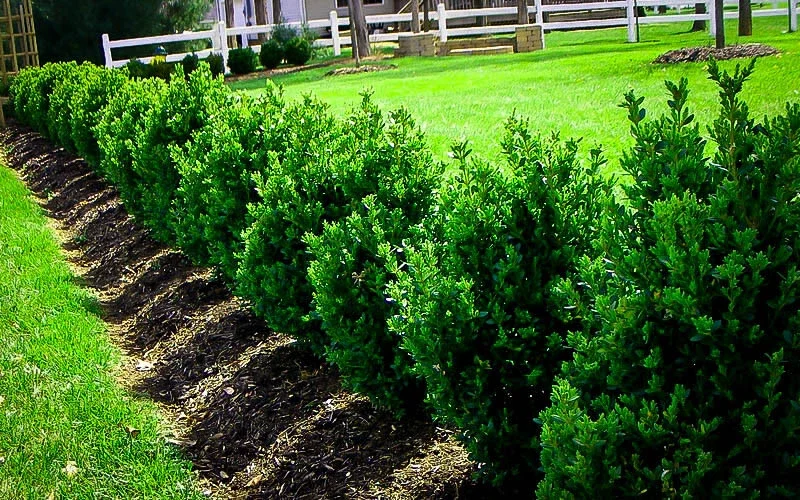
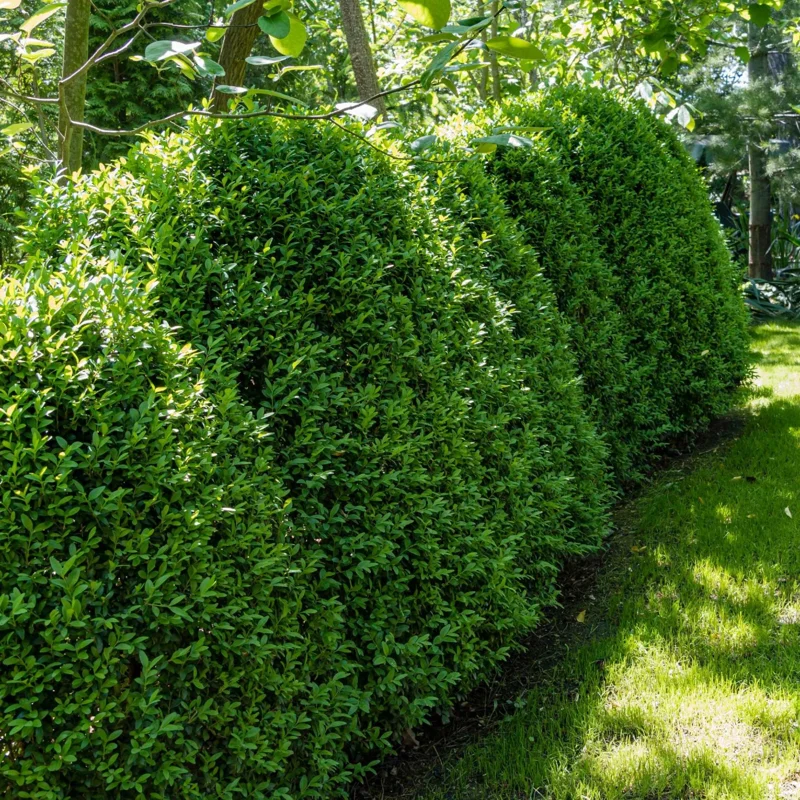
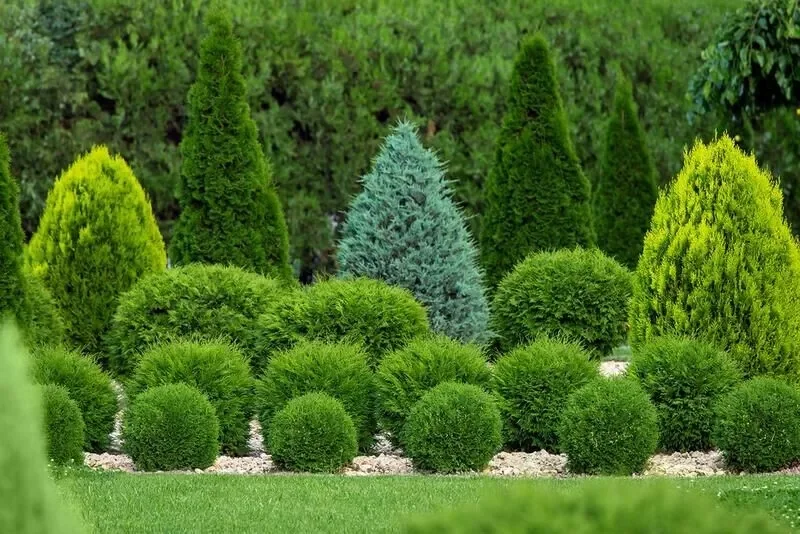
- Excellent for Hedges and Borders: Its dense, upright growth and natural conical shape make it perfectly suited for creating formal hedges, defined borders, or intricate knot gardens. It can be easily shaped and maintained to achieve desired forms, enhancing the architectural elements of your landscape.
- Low Maintenance: Once established, this evergreen boxwood shrub is remarkably low-maintenance. It is drought-tolerant and generally resistant to many common pests and diseases, reducing the need for constant attention and chemical treatments.
- Versatile Landscaping Use: Beyond hedges, it can be used as a specimen plant, in foundation plantings, or in large containers to add a touch of sophistication to patios and entryways. Its adaptability allows for creative and diverse applications in various garden styles.
- Hardy and Resilient: The ‘Green Mountain’ variety is known for its robust nature, tolerating a range of soil types and environmental conditions. It is particularly cold-hardy, making it suitable for many regions across the United States.
- Dense Foliage for Privacy: The tightly packed leaves create a thick screen, offering effective privacy when planted as a hedge. This natural barrier can help seclude outdoor living spaces from neighbors or street views.
- Enhances Property Value: Well-maintained boxwood plantings are often associated with upscale landscaping and can significantly contribute to the curb appeal and overall value of a property.
Plant Care & Growing Tips
Caring for your Green Mountain Boxwood live plant is relatively straightforward, ensuring it thrives and remains a beautiful feature in your garden. This evergreen prefers a site with full sun to partial shade, meaning it should receive at least 4-6 hours of direct sunlight daily, but can benefit from some afternoon shade in hotter climates to prevent leaf scorch. Well-draining soil is crucial; boxwoods do not tolerate wet feet, which can lead to root rot. Amend heavy clay soils with organic matter to improve drainage and aeration. A slightly acidic to neutral pH (6.5-7.0) is ideal for optimal growth of your boxwood plant care.
Watering should be consistent, especially during the first year of establishment. Aim for deep watering sessions when the top few inches of soil feel dry to the touch. Once established, the boxwood becomes more drought-tolerant but will appreciate supplemental watering during prolonged dry spells. Fertilize in early spring with a balanced, slow-release granular fertilizer formulated for evergreens. Pruning is best done in late spring or early summer after new growth has emerged, or in late winter for shaping. Regular, light pruning helps maintain its dense form and desired size, making it perfect for an outdoor boxwood hedge. Monitor for common boxwood pests like boxwood leafminer or psyllids, and address any issues promptly with appropriate horticultural oils or insecticides. The ‘Green Mountain’ cultivar is known to be relatively resistant to boxwood blight, a significant advantage for gardeners.
Size & Details
This offering is for one Green Mountain Boxwood live plant, which arrives well-rooted and measures over 12 inches in height. This size provides a head start for establishing a significant presence in your garden. Boxwoods typically exhibit a moderate growth rate, adding several inches per year, with the ‘Green Mountain’ variety ultimately reaching a mature height of 3-5 feet and a width of 2-3 feet if left unpruned. Its naturally upright and conical habit makes it easy to maintain within these dimensions through regular shaping.
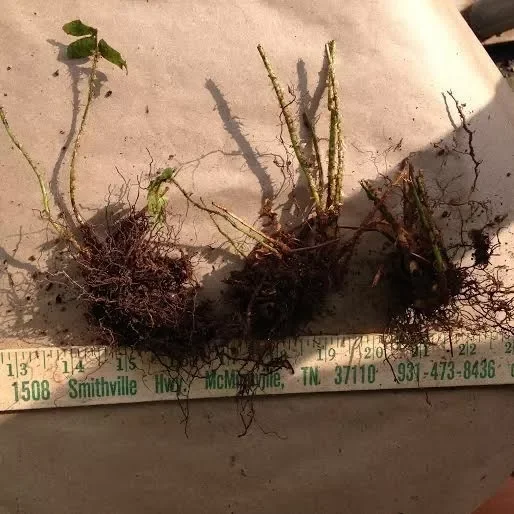
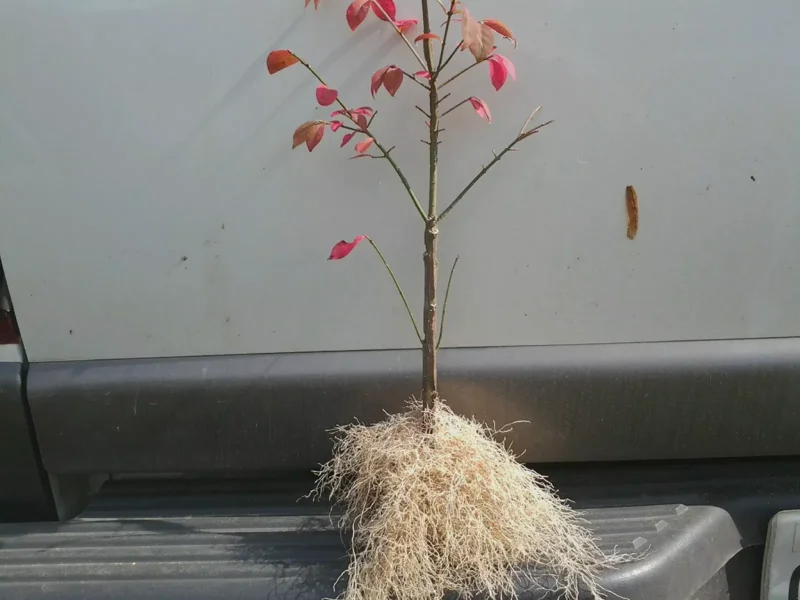
The plant is shipped as a bare root or unpotted specimen, carefully prepared for transit to ensure its health upon arrival. Expect the foliage to be a vibrant green, providing immediate impact in your landscape. This hardy perennial is suitable for a wide range of climates and can be planted from spring through fall, depending on your specific region. With proper care, this boxwood will grow into a dense, attractive shrub that will enhance your outdoor space for many years.
Frequently Asked Questions
- Q: How big does this plant get? A: The Green Mountain Boxwood live plant typically grows to a mature height of 3-5 feet and a width of 2-3 feet. Its natural conical shape can be maintained with regular pruning.
- Q: Is this an indoor or outdoor plant? A: The Green Mountain Boxwood is primarily an outdoor plant, thriving in garden settings, hedges, and landscape designs. While it can be temporarily overwintered indoors in very cold climates, it is not suited for long-term indoor growth.
- Q: How much sunlight does it need? A: This boxwood prefers full sun to partial shade, ideally receiving at least 4-6 hours of direct sunlight per day. In hotter climates, some afternoon shade can be beneficial to protect its foliage.
- Q: What condition will it arrive in? A: Your Green Mountain Boxwood live plant will arrive well-rooted and carefully packaged, either bare root or unpotted, to ensure its health and vitality upon delivery. We recommend planting it soon after arrival.
- Q: Is this plant easy to care for? A: Yes, the Green Mountain Boxwood is considered a relatively easy-care plant once established. It’s known for its hardiness and drought tolerance, making boxwood plant care suitable for gardeners of various experience levels.
- Q: When is the best time to plant? A: The best time to plant an outdoor boxwood hedge or individual shrubs is in the spring or early fall, allowing the plant sufficient time to establish its root system before extreme weather conditions.
- Q: Will it survive winter in my zone? A: The Green Mountain Boxwood is very cold-hardy and typically thrives in USDA Zones 4-9, making it suitable for a wide range of winter climates across the US.
- Q: What type of soil does it prefer? A: It prefers well-draining soil with a slightly acidic to neutral pH. Avoid heavy, waterlogged soils, as these can lead to root issues. Amending with organic matter can improve soil structure.
- Q: How often should I water my boxwood? A: During its first year, water regularly to keep the soil consistently moist but not soggy. Once established, water when the top few inches of soil are dry, and provide extra water during dry periods.
- Q: Can I prune it into different shapes? A: Absolutely! The dense foliage and moderate growth of the Buxus sempervirens Green Mountain make it excellent for precise pruning and shaping into various forms, from formal hedges to intricate topiaries.




Reviews
There are no reviews yet.