Overview
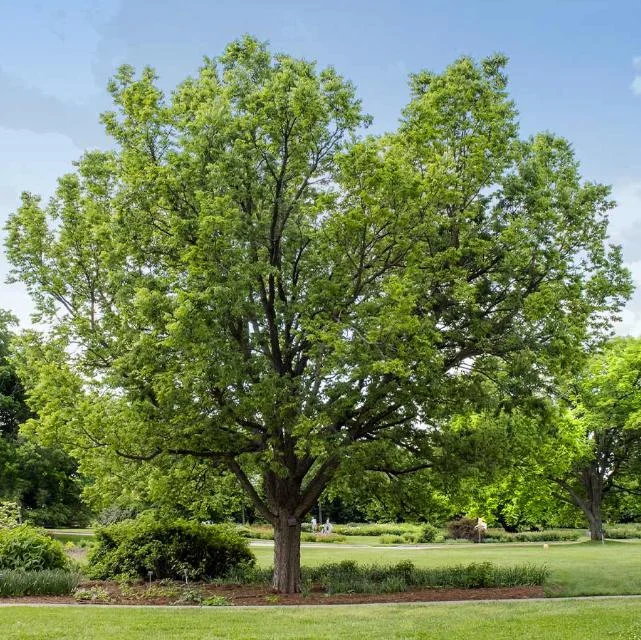
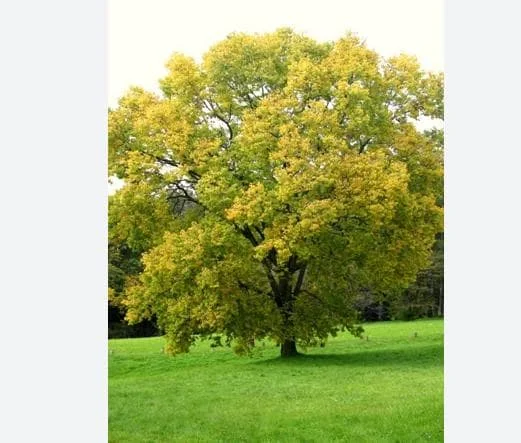
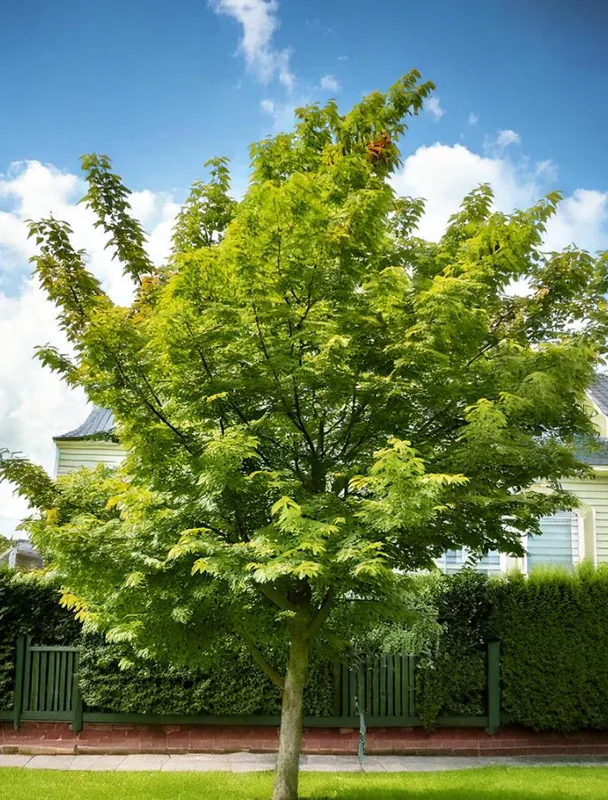
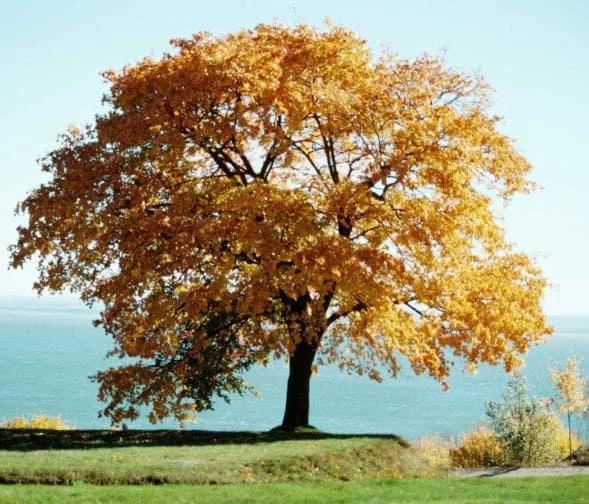
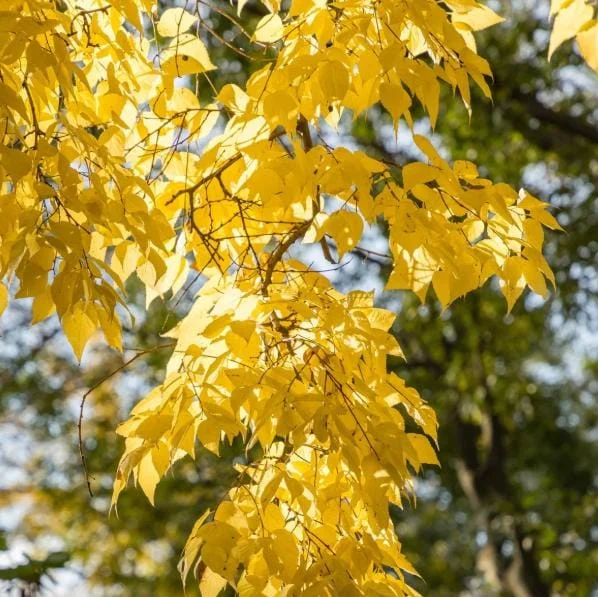
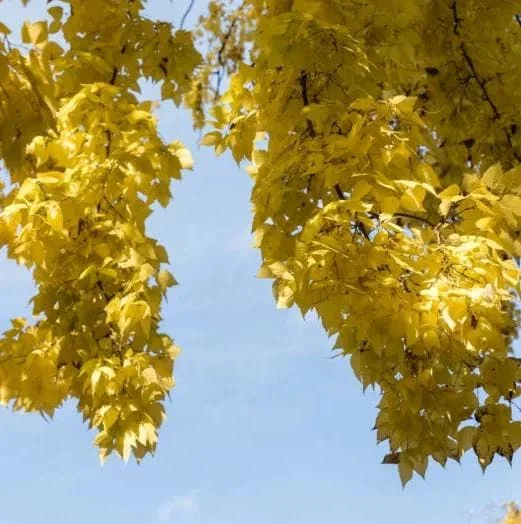
Bring the beauty and resilience of a hackberry native tree seedling to your landscape. This offering includes 2 bare roots, each measuring 1-2 feet tall, ready for planting. The Hackberry (Celtis occidentalis) is a remarkably hardy, medium-to-large deciduous tree renowned for its exceptional adaptability to challenging growing conditions. Known for its distinctive oval, serrated leaves, a graceful rounded crown, and unique gray bark characterized by corky, warty ridges, this tree adds significant aesthetic and ecological value. During the winter months, these seedlings will arrive dormant and without leaves, which is a natural and healthy state for bare root trees, ensuring successful establishment in your garden. The Hackberry is also recognized for producing small purple berries, which are a valuable food source for local wildlife.
Choosing a hackberry native tree seedling means selecting a plant that is well-suited to a wide range of environments. Its robust nature makes it an excellent choice for various planting projects, from urban landscapes to naturalized areas. These young trees are provided as bare roots, a cost-effective and efficient way to plant trees, especially for larger projects, as they transplant readily and establish quickly when given proper care.
Key Benefits
The hackberry native tree seedling offers numerous advantages for any gardener or landscaper. Its hardiness and aesthetic appeal make it a standout choice:
- Exceptional Adaptability: The Hackberry tree is incredibly versatile, thriving in a broad spectrum of soil types including clay, loam, and sand, and tolerating alkaline conditions. This makes it an ideal choice for challenging planting sites where other trees might struggle.
- Drought Tolerance: Once established, the hackberry native tree seedling becomes remarkably drought-tolerant, requiring low to moderate watering. This reduces maintenance and makes it suitable for water-wise landscaping.
- Wildlife Support: The small purple berries produced by the Hackberry tree serve as an important food source for various bird species and other wildlife, enhancing biodiversity in your garden. Planting a hackberry tree for landscaping contributes positively to local ecosystems.
- Distinctive Appearance: With its unique corky bark, rounded crown, and serrated leaves, the Hackberry provides year-round visual interest, adding texture and character to your outdoor space.
- Hardy and Resilient: Capable of withstanding extreme temperatures from -40°F to 100°F and thriving in USDA Zones 2 to 9, this tree is built to endure diverse climatic conditions, ensuring long-term success.
- Erosion Control: Its strong root system helps stabilize soil, making it beneficial for erosion control, particularly on slopes or disturbed areas.
- Shade Provider: As a medium-to-large tree, the Hackberry eventually provides excellent shade, helping to cool your home and outdoor living areas during warmer months.
Plant Care & Growing Tips
Proper care for your hackberry native tree seedling will ensure its successful establishment and vigorous growth. These bare root seedlings are resilient, but initial attention to their needs will set them up for a long, healthy life. When you plant hackberry bare root, it’s crucial to prepare the site adequately and provide consistent care during the first few seasons.
For sunlight, the Hackberry performs best in full sun, meaning it requires at least six hours of direct sunlight per day. While it can tolerate some partial shade, optimal growth and berry production occur in sunnier locations. When it comes to watering, the Hackberry needs consistent moisture during its establishment phase. Water deeply a few times a week, ensuring the soil remains moist but not waterlogged. Once established, it is very drought-tolerant and will only require occasional watering during prolonged dry spells. The good news is that this tree grows in almost any soil type—clay, loam, or sand—and tolerates alkaline soils, making it very forgiving. Good drainage is always beneficial, but the Hackberry can handle a wide range of conditions. It thrives in USDA Zones 2 to 9, demonstrating its incredible cold and heat tolerance, with ideal temperatures between -40°F and 100°F.
Fertilization is generally not heavily required for established Hackberry trees, especially in fertile soils. However, a balanced slow-release fertilizer can be applied in early spring for young trees to encourage strong growth. Pruning should focus on removing any dead, damaged, or crossing branches to maintain a healthy structure. The best time for this is during late winter or early spring when the tree is dormant. Common problems are few, thanks to its hardiness, but keeping an eye out for pests like hackberry nipple gall psyllids (which cause cosmetic damage but rarely harm the tree) and ensuring proper air circulation can help maintain tree health. Understanding hackberry tree care is straightforward due to its robust nature.
Size & Details
This offering includes 2 bare roots of hackberry native tree seedling, each measuring 1-2 feet tall. Bare root trees are shipped dormant and without leaves, which is the ideal state for transplanting, as it reduces transplant shock and encourages strong root development once planted. The mature size of a Hackberry tree can reach 40-60 feet in height with a spread of 30-50 feet, developing a broad, rounded crown. Its growth rate is considered medium to fast, so you can expect to see significant development within a few years with proper care. The seedlings will typically begin to leaf out in spring after planting. These trees are intended for outdoor planting and are perfectly suited for a variety of landscape applications, from shade trees to windbreaks. This is an excellent way to get started with common hackberry tree planting.
Frequently Asked Questions
- Q: How big will the hackberry native tree seedling get? A: When mature, a Hackberry tree typically reaches heights of 40-60 feet with a spread of 30-50 feet. These seedlings are 1-2 feet tall at arrival and will grow quickly.
- Q: Is this an indoor or outdoor plant? A: The hackberry native tree seedling is an outdoor tree, perfect for landscaping, shade, and wildlife habitats. It is not suitable for indoor growth.
- Q: How much sunlight does it need? A: Hackberry trees thrive in full sun, requiring at least six hours of direct sunlight daily for optimal growth and health. They can tolerate some partial shade but prefer sunnier conditions.
- Q: Is this plant easy to care for? A: Yes, Hackberry trees are known for their hardiness and adaptability, making them relatively easy to care for, especially once established. They are an excellent choice for beginners or those seeking low-maintenance trees. Understanding hackberry tree care is quite simple.
- Q: What condition will it arrive in? A: Your hackberry native tree seedling will arrive as 2 bare roots, 1-2 feet tall, in a dormant state and without leaves. This is normal and ideal for successful planting and establishment.
- Q: How long until it blooms or produces berries? A: Hackberry trees typically begin to produce small, purple berries once they reach a certain level of maturity, usually within 5-10 years, depending on growing conditions and care.
- Q: Will it survive winter in my zone? A: Absolutely. Hackberry trees are incredibly cold-hardy, thriving in USDA Zones 2 to 9, and can withstand temperatures as low as -40°F. They are well-suited for a wide range of climates.
- Q: What is the best time to plant hackberry bare root trees? A: The ideal time to plant bare root Hackberry trees is in early spring, after the last hard frost but before the tree breaks dormancy. This allows the roots to establish before summer heat.
- Q: What kind of soil does a hackberry tree prefer? A: Hackberry trees are highly adaptable and can grow in almost any soil type, including clay, loam, and sand. They also tolerate alkaline soils, making them very versatile.
- Q: Can I use a hackberry tree for landscaping in urban areas? A: Yes, Hackberry trees are an excellent choice for urban landscaping due to their tolerance of various soil conditions, pollution, and general hardiness. They are a popular street tree in many cities.



Reviews
There are no reviews yet.