Overview
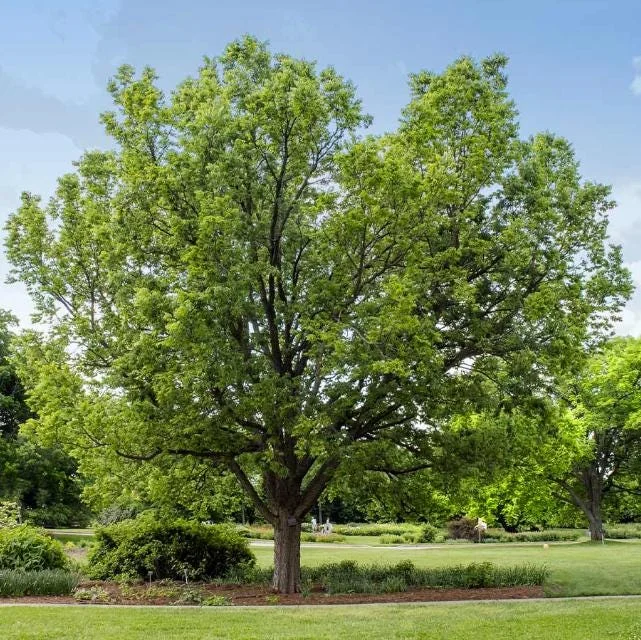
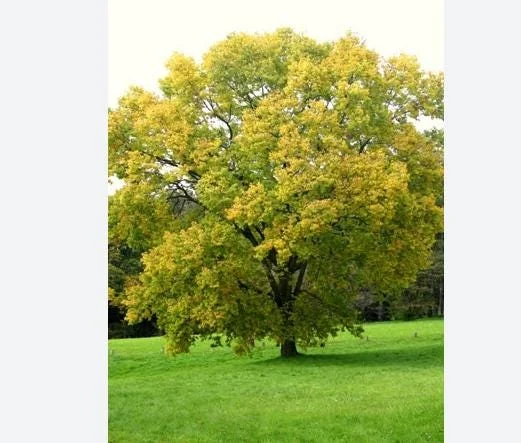
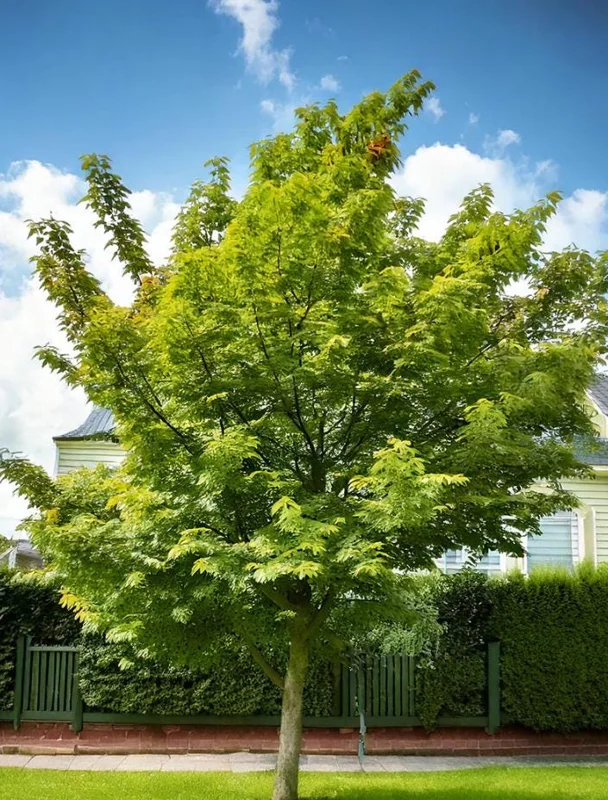
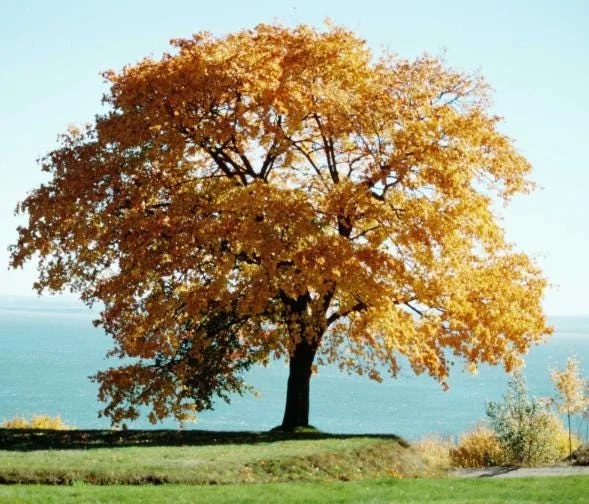
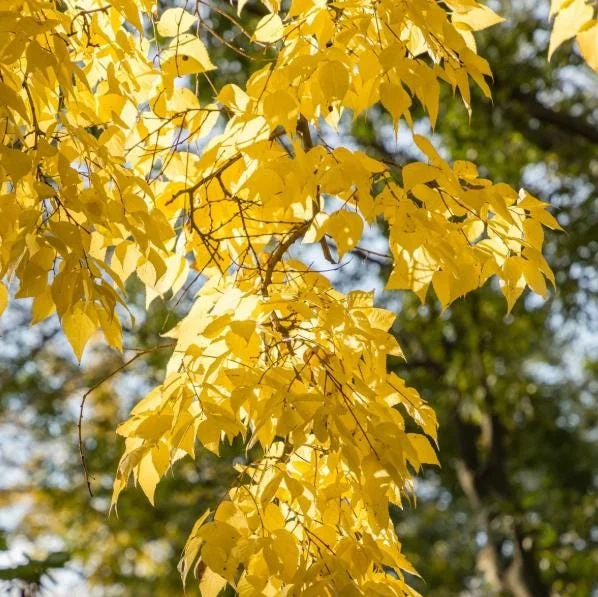
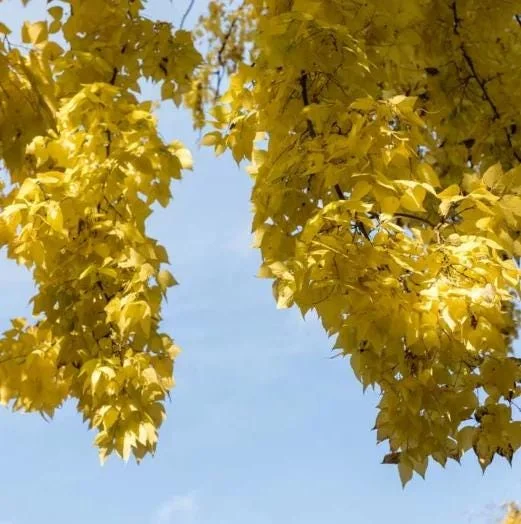
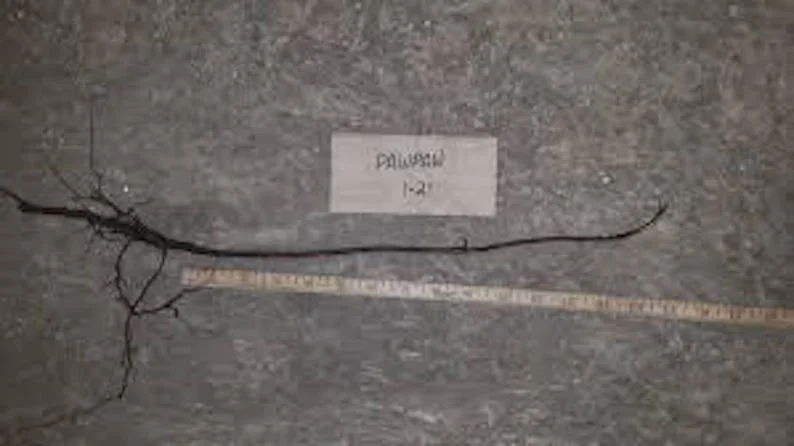
Cultivate a robust and adaptable addition to your landscape with our hackberry native tree seedling. Supplied as bare roots, these young trees are 1-2ft tall and arrive dormant, ensuring a smooth transition to their new home. The Hackberry (Celtis occidentalis) is a remarkably hardy, medium-to-large deciduous tree celebrated for its ability to thrive in challenging growing conditions. Known for its distinctive gray bark featuring corky, warty ridges, and a graceful rounded crown, this tree adds significant visual interest to any garden or naturalized area. As a hackberry native tree seedling, it is perfectly suited for the US climate, providing ecological benefits and a beautiful, long-lived specimen. Its resilience makes it an excellent choice for both experienced gardeners and those new to tree planting, offering a low-maintenance yet rewarding growing experience.
This bare root hackberry native tree seedling is a fantastic investment for sustainable landscaping. It establishes quickly and offers numerous benefits to local ecosystems, including food and shelter for wildlife. During the winter months, these seedlings will arrive without leaves, a natural and healthy state for dormant bare root plants, ready to burst into foliage in the spring.
Key Benefits
Planting a Hackberry tree offers a multitude of advantages for your garden and local environment. Its inherent resilience and adaptability make it a standout choice for various settings. Here are some of the key benefits:
- Exceptional Hardiness: The hackberry native tree seedling is incredibly tough, thriving in a wide range of climates and conditions. It can withstand extreme temperatures, from -40°F to 100°F, making it suitable for many regions.
- Drought Tolerance: Once established, Hackberry trees are highly drought-tolerant, requiring minimal water and making them an excellent choice for water-wise gardening and reducing irrigation needs.
- Soil Adaptability: This tree is not particular about soil type, growing well in clay, loam, sand, and even tolerating alkaline soils. This versatility simplifies planting and ensures success in diverse landscapes.
- Wildlife Support: The small purple berries produced by the Hackberry tree provide a valuable food source for birds and other wildlife, enhancing biodiversity in your garden.
- Attractive Bark and Form: The unique gray bark with its corky, warty ridges provides year-round visual interest, especially in winter. Its rounded crown offers pleasant shade and structure.
- Low Maintenance: After establishing, the hackberry native tree seedling requires relatively little care, making it an ideal choice for gardeners seeking a beautiful yet easy-to-manage tree.
- Ecological Value: As a native species, it supports local ecosystems and contributes to the health and balance of the natural environment, making it a responsible planting choice.
Plant Care & Growing Tips
Proper care for your hackberry native tree seedling will ensure its successful establishment and healthy growth for many years. Hackberry trees are known for their resilience, but a good start can make all the difference. When you receive your bare root seedlings, plant them as soon as possible. If immediate planting isn’t feasible, keep the roots moist by wrapping them in damp newspaper or soil and store them in a cool, dark place.
For sunlight, the hackberry native tree seedling performs best in full sun, meaning at least six hours of direct sunlight per day. While it can tolerate some partial shade, optimal growth and fruit production occur in sunnier locations. Regarding soil and water, the Hackberry is incredibly forgiving. It thrives in almost any soil type—clay, loam, or sand—and is notably tolerant of alkaline conditions. Ensure the planting site has good drainage, even if the soil type varies. Water regularly during the first growing season to help the tree establish a strong root system. Once established, Hackberry trees are very drought-tolerant and will only require supplemental watering during extended dry periods. Understanding hackberry tree care involves recognizing its preference for consistent moisture during its juvenile stage but its ability to withstand dry spells as it matures.
The ideal temperature range for Hackberry is remarkably broad, spanning from -40°F to 100°F, making it suitable for USDA Zones 2 to 9. Fertilization is generally not critical for established Hackberry trees, especially if planted in reasonably fertile soil. However, a balanced slow-release fertilizer can be applied in early spring during the first few years to encourage vigorous growth. Pruning should focus on removing dead, damaged, or crossing branches to maintain a strong structure. The common hackberry tree is generally resistant to most pests and diseases, contributing to its low-maintenance appeal. If you’re wondering how to plant bare root trees effectively, ensuring the root flare is at ground level and backfilling with native soil is key. Avoid planting too deep, which can suffocate the roots.
Size & Details
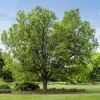
This offering includes two hackberry native tree seedling bare roots, each measuring 1-2 feet in height. These seedlings are shipped in their dormant state, which is typical for bare root plants, meaning they will arrive without leaves. This ensures they are ready to break dormancy and begin robust growth once planted in appropriate conditions. The Hackberry tree typically grows to a medium-to-large size, reaching heights of 40-60 feet with a spread of 30-50 feet at maturity, though growth rates can vary based on environmental factors. When considering how to plant bare root trees, remember that the initial size is small, but these plants have significant growth potential. Expect a moderate to fast growth rate once established, adding considerable canopy cover and beauty to your landscape.
The bare root format allows for easy handling and planting, promoting rapid root development once placed in the ground. The blooming season for Hackberry is generally from spring to fall, though its small, inconspicuous flowers are followed by the more noticeable purple berries. These trees are known for their longevity, often living for over 100 years, providing enduring beauty and ecological benefits. This is an excellent opportunity to establish a beautiful and resilient common hackberry tree with minimal effort.
Frequently Asked Questions
-
Q: How big does this Hackberry native tree seedling get?
A: These seedlings are 1-2 feet tall upon arrival. At maturity, the Hackberry typically reaches heights of 40-60 feet with a spread of 30-50 feet, creating a substantial shade tree. Its ultimate size will depend on growing conditions and location. -
Q: Is this an indoor or outdoor plant?
A: The hackberry native tree seedling is strictly an outdoor tree. It requires ample space to grow and develops a large root system, making it unsuitable for indoor cultivation. It thrives in open landscapes and gardens. -
Q: How much sunlight does it need?
A: Hackberry trees prefer full sun, meaning at least six hours of direct sunlight per day for optimal growth and health. While they can tolerate some partial shade, more sunlight generally leads to a stronger, healthier tree. -
Q: Is this plant easy to care for?
A: Yes, the Hackberry is considered a very easy-to-care-for tree, especially once established. Its adaptability to various soils and its drought tolerance make hackberry tree care relatively low maintenance, ideal for beginners. -
Q: What condition will the bare root seedling arrive in?
A: The hackberry native tree seedling will arrive as bare roots, meaning it will not have soil around its roots and will be dormant without leaves. This is a healthy and common method for shipping deciduous trees, ensuring they are ready for planting. -
Q: When is the best time to plant a bare root Hackberry tree?
A: The best time to plant bare root trees, including the common hackberry tree, is in early spring before they break dormancy. This allows the roots to establish before the tree puts energy into leaf production. -
Q: Will it survive winter in my zone?
A: Yes, the Hackberry tree is extremely cold hardy, suitable for USDA Zones 2 to 9. This means it can withstand very cold winter temperatures, down to -40 degrees Fahrenheit, making it a robust choice for many climates. This resilience is a key aspect of drought tolerant trees that also handle cold well. -
Q: What kind of soil does a Hackberry tree need?
A: One of the great advantages of the Hackberry is its adaptability to almost any soil type—clay, loam, or sand. It also tolerates alkaline soils, making it highly versatile for various planting locations. Well-draining soil is always preferred. -
Q: Is the Hackberry a good choice for urban environments?
A: Absolutely. Its tolerance for diverse soils, pollution, and drought makes the common hackberry tree an excellent choice for urban landscapes, street trees, and challenging sites where other trees might struggle. It is one of the most reliable drought tolerant trees for tough spots. -
Q: How long does it take for the Hackberry to start growing leaves after planting?
A: After planting your bare root hackberry native tree seedling in early spring, you can typically expect to see new leaf growth within a few weeks, depending on local temperatures and conditions. Once established, it grows quite quickly.



Reviews
There are no reviews yet.