Overview
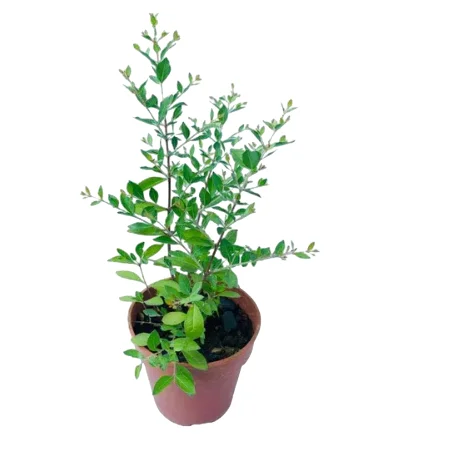
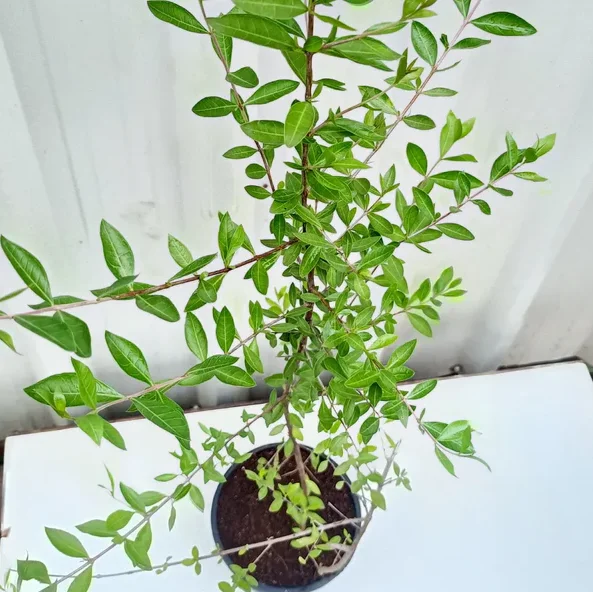
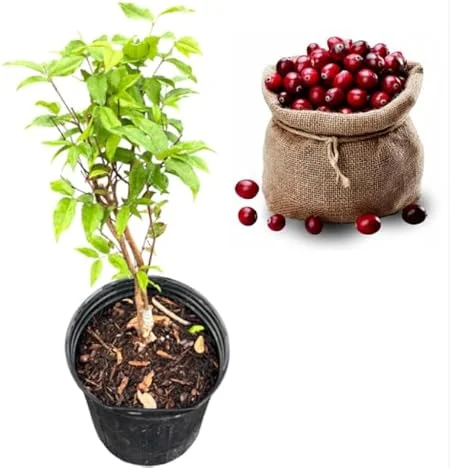
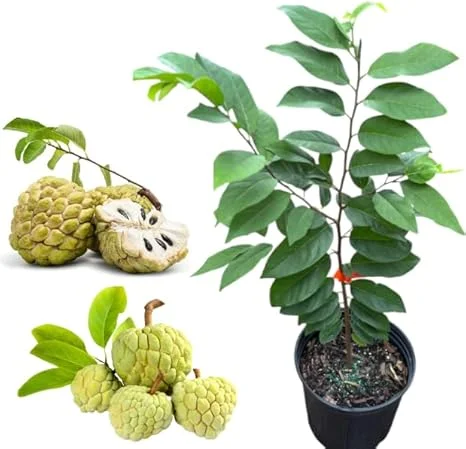
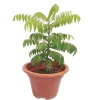
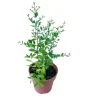
Bring the ancient beauty of the henna live plant (Lawsonia inermis) into your home or garden. This vibrant and historically rich specimen arrives in a 4-inch nursery pot, standing proudly at 10-14 inches tall, ready to thrive in its new environment. Known scientifically as Lawsonia inermis, the henna live plant is renowned globally for its leaves, which, when crushed, yield a natural reddish-brown dye used for body art, hair coloring, and textile dyeing. Beyond its practical applications, this plant is also appreciated for its delicate, fragrant flowers and lush green foliage, making it a captivating addition to any plant collection. It’s a plant that connects you to centuries of tradition and natural beauty.
Our henna live plant is carefully nurtured to ensure a healthy start, providing you with a robust specimen that is eager to grow. Whether you’re a seasoned gardener or a curious beginner, cultivating your own henna offers a unique and rewarding experience. This tropical shrub flourishes in warm climates and can be grown outdoors in suitable USDA zones or indoors as a charming potted plant, bringing a touch of exotic elegance to your living space. Discover the joy of growing your own natural dye source and enjoy the serene presence of this remarkable botanical treasure.
Key Benefits
Growing a henna live plant offers a multitude of benefits, from its aesthetic appeal to its functional uses. This plant is more than just a decorative item; it’s a living piece of history and a source of natural resources.
- Natural Dye Source: The primary benefit of the Lawsonia inermis plant is its ability to produce natural, non-toxic dye for hair, skin, and textiles. This allows for creative expression and a healthier alternative to synthetic dyes.
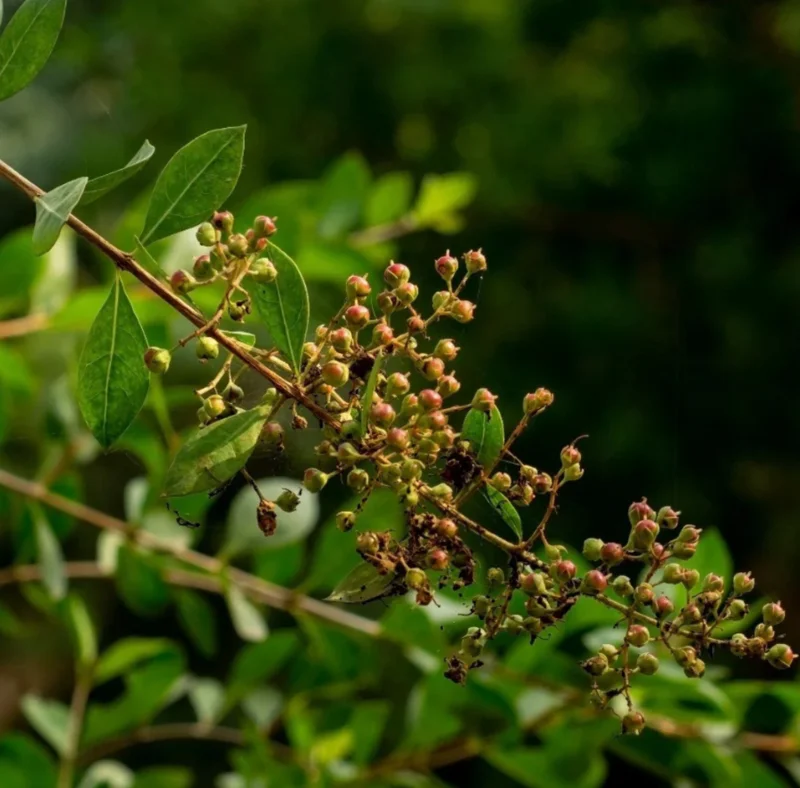
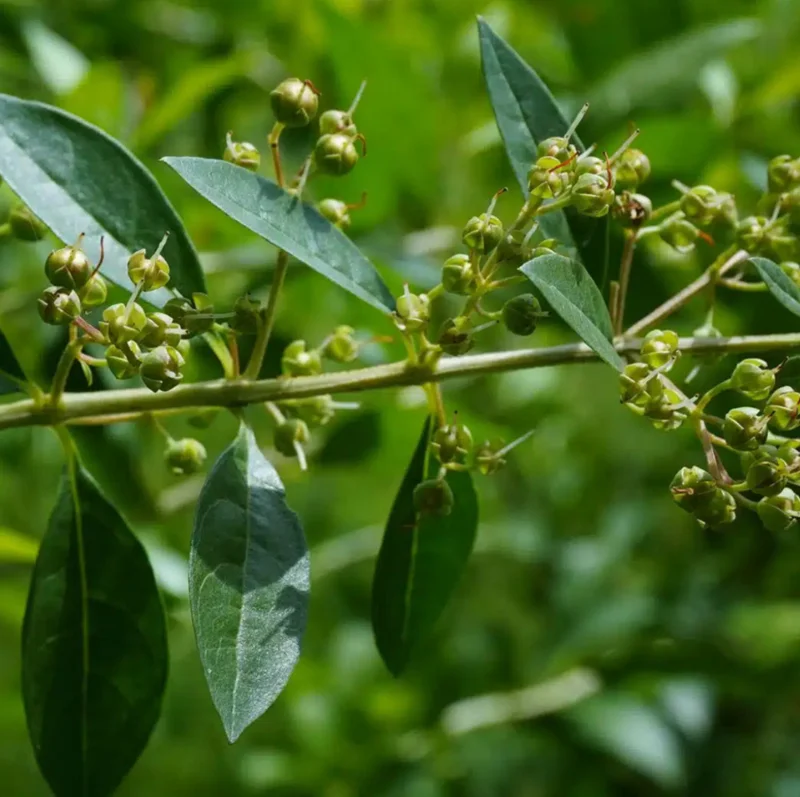
- Ornamental Beauty: With its attractive green leaves and small, fragrant white or pinkish flowers, the henna plant adds a lovely aesthetic to any garden or indoor setting. Its lush foliage can create a serene and natural ambiance.
- Air Purification: Like many plants, the henna live plant contributes to a healthier indoor environment by absorbing carbon dioxide and releasing oxygen, helping to refresh the air quality in your home.
- Low Maintenance: Once established, the henna plant is relatively easy to care for, requiring consistent watering and ample sunlight but tolerating a range of conditions, making it suitable for gardeners of varying experience levels.
- Cultural Significance: Growing henna connects you to a rich cultural heritage, as it has been used in various traditions and ceremonies across the globe for thousands of years.
- Fragrant Blooms: The small, delicate flowers of the henna plant emit a pleasing fragrance, especially at night, adding another sensory dimension to your plant collection.
- Educational Value: Cultivating a growing henna plant provides an excellent opportunity to learn about botany, natural dyes, and sustainable practices, making it a great project for families and students.
Plant Care & Growing Tips
Caring for your henna live plant is a rewarding experience, and with the right conditions, it will flourish beautifully. Henna thrives in warm, sunny environments, mimicking its native tropical and subtropical habitats. For optimal growth, provide your plant with at least 6-8 hours of direct sunlight daily. If growing indoors, place it near a south-facing window or supplement with a grow light to ensure it gets enough light. Insufficient light can lead to leggy growth and reduced dye production.
When it comes to watering, consistency is key. Keep the soil consistently moist but never waterlogged. Allow the top inch of soil to dry out slightly before watering again. During warmer months, you may need to water more frequently. Ensure your pot has excellent drainage to prevent root rot, which can be detrimental to the plant’s health. The ideal soil for henna plant care is well-draining, sandy loam with a slightly acidic to neutral pH (6.0-7.0). A good quality potting mix amended with sand or perlite will work well for potted plants. Henna prefers warm temperatures, ideally between 70-95°F (21-35°C). It is not frost-tolerant, so if you live in a region with cold winters (USDA zones below 9), it’s best to grow it in a container and bring it indoors before the first frost.
Fertilize your henna plant every 2-4 weeks during the growing season (spring and summer) with a balanced liquid fertilizer diluted to half strength. Reduce fertilization during fall and winter. Pruning can encourage bushier growth and more leaves for dye production. Trim back leggy stems and remove any dead or yellowing foliage. Common pests are generally not a major issue for henna, but keep an eye out for spider mites or aphids, especially in dry indoor environments. Treat with insecticidal soap if necessary. By following these guidelines, your Lawsonia inermis plant will thrive, providing you with beautiful foliage and a source of natural dye.
Size & Details
This offering includes one healthy henna live plant, meticulously nurtured and shipped directly to you. The plant stands approximately 10-14 inches tall from the base of the pot to the tip of its tallest leaves, providing a substantial specimen ready for continued growth. It comes securely planted in a 4-inch nursery pot, offering a stable environment for its roots during transit and initial establishment. Henna, as a fast-growing shrub, can reach heights of 6-20 feet in its natural habitat, though in cultivation or as a potted plant, its size can be managed through pruning. Expect a moderate to fast growth rate, allowing you to harvest leaves for natural dye within a year of planting.
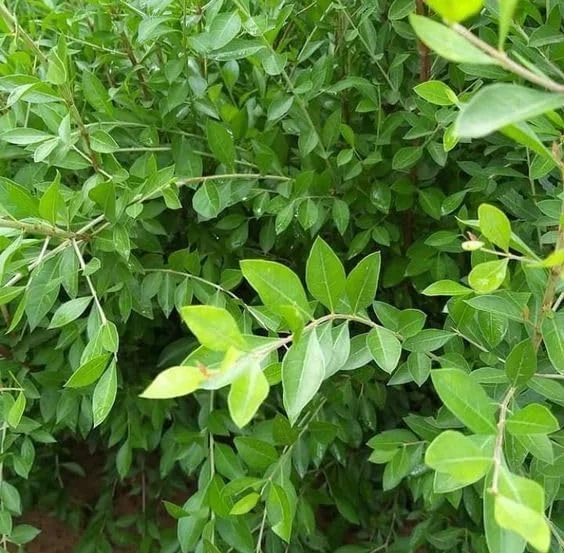
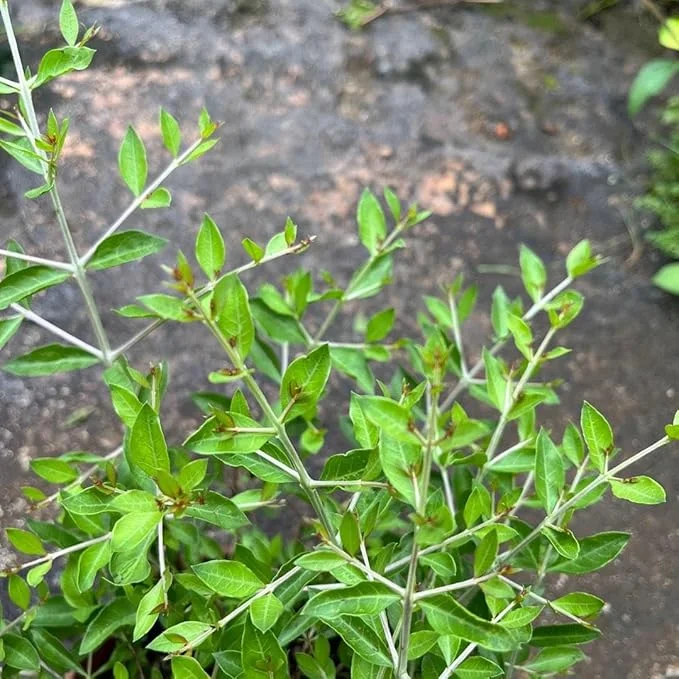
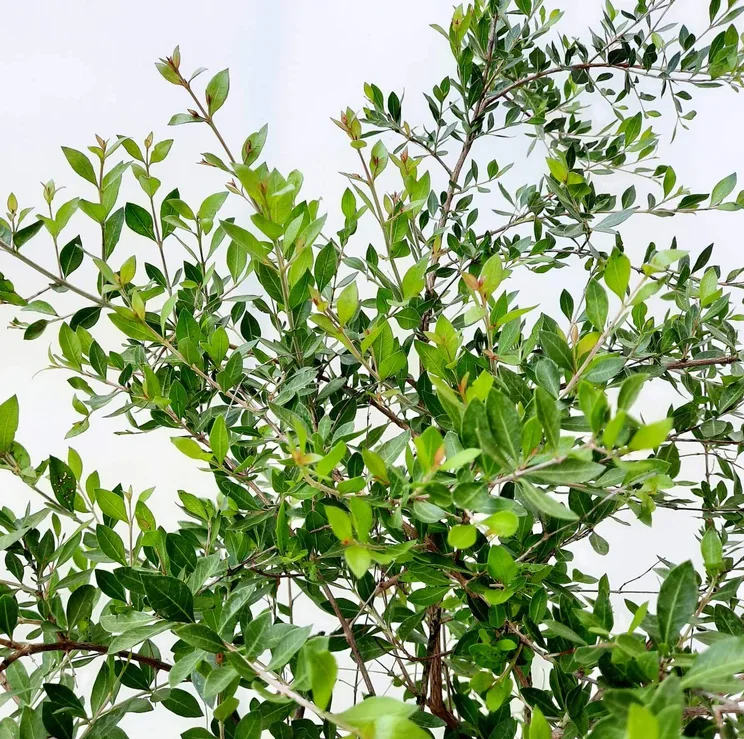
The plant is shipped in its nursery pot with soil, minimizing transplant shock upon arrival. Its mature form typically presents as a multi-stemmed shrub with dense, elliptical green leaves. While it can take several months for the plant to mature enough for significant dye production, consistent care will ensure a robust and productive specimen. This growing henna plant is an excellent choice for those looking to add a unique and useful botanical to their collection.
Frequently Asked Questions
- Q: How big does this plant get? A: This henna live plant arrives 10-14 inches tall in a 4-inch pot. With proper care, it can grow much larger, often reaching 3-6 feet tall in containers, and significantly taller in optimal outdoor conditions.
- Q: Is this an indoor or outdoor plant? A: Henna can be grown both indoors and outdoors. It thrives outdoors in USDA Zones 9-11. In colder climates, it’s best grown as a potted plant and brought indoors during winter.
- Q: How much sunlight does it need? A: Your Lawsonia inermis plant requires at least 6-8 hours of direct sunlight daily to grow vigorously and produce high-quality dye. Provide a sunny window or supplemental grow light indoors.
- Q: Is this plant easy to care for? A: Yes, once established, the henna plant is relatively low-maintenance. It needs consistent watering, plenty of sunlight, and protection from cold temperatures. Learning good henna plant care routines will ensure its success.
- Q: What condition will it arrive in? A: Your henna live plant will arrive in a 4-inch nursery pot, securely packaged with soil, to ensure it reaches you healthy and ready for its new home.
- Q: Can I use this henna for natural hair dye? A: Yes, the leaves of the Lawsonia inermis plant are traditionally used to produce natural dye for hair. You can harvest, dry, and grind the leaves to create your own henna powder, making it a true natural dye plant.
- Q: When is the best time to plant or repot? A: Spring or early summer is generally the best time to plant or repot your growing henna plant, allowing it ample time to establish itself before cooler weather.
- Q: What kind of soil does it prefer? A: Henna thrives in well-draining, sandy loam soil. A good quality potting mix amended with sand or perlite is ideal for container growing.
- Q: How often should I water my henna plant? A: Water your henna plant care regularly, keeping the soil consistently moist but not waterlogged. Allow the top inch of soil to dry out before watering again.
- Q: Will it produce flowers? A: Yes, mature henna plants produce small, fragrant white or pinkish flowers, especially during warm seasons, adding to their ornamental appeal.





Reviews
There are no reviews yet.