Overview
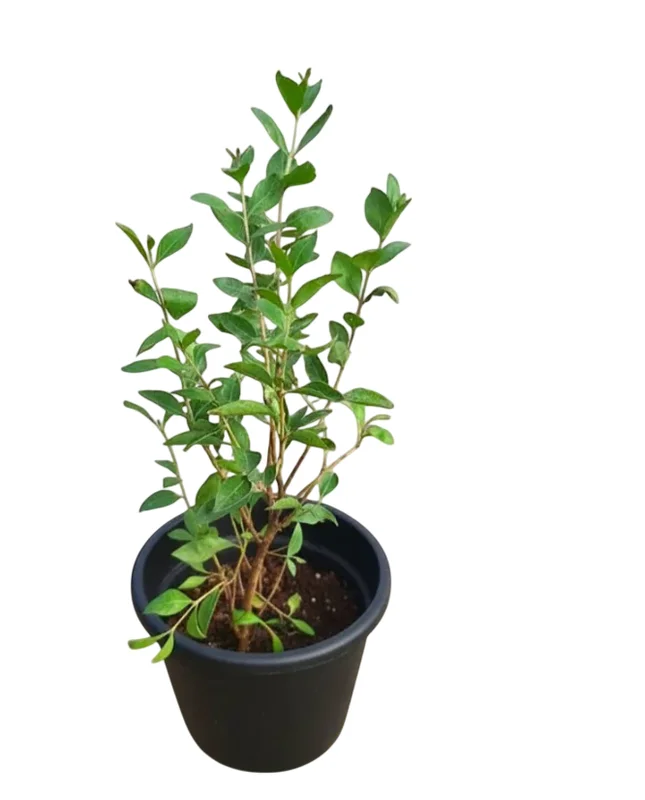
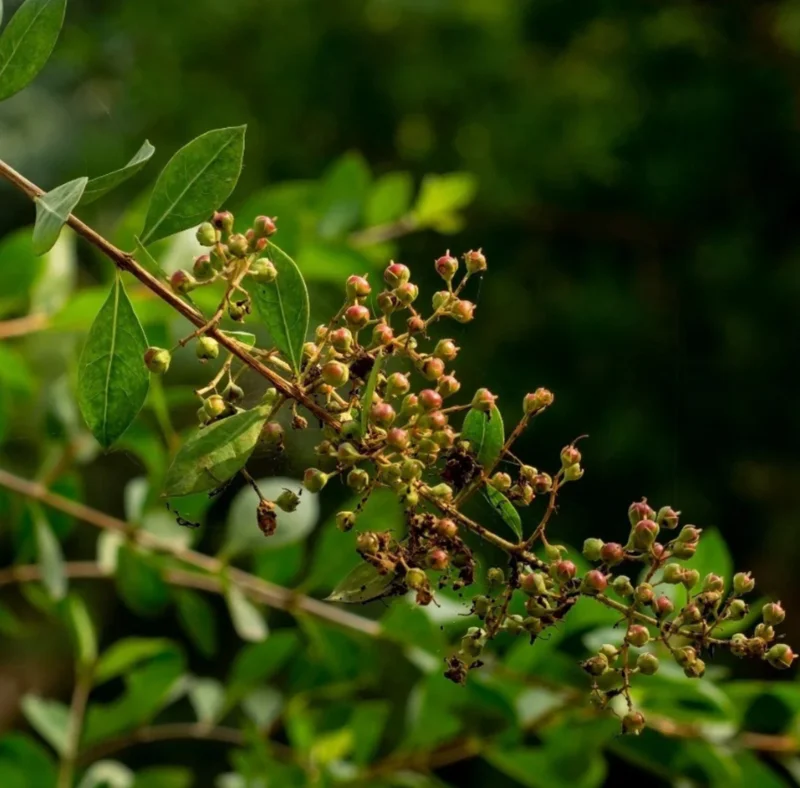
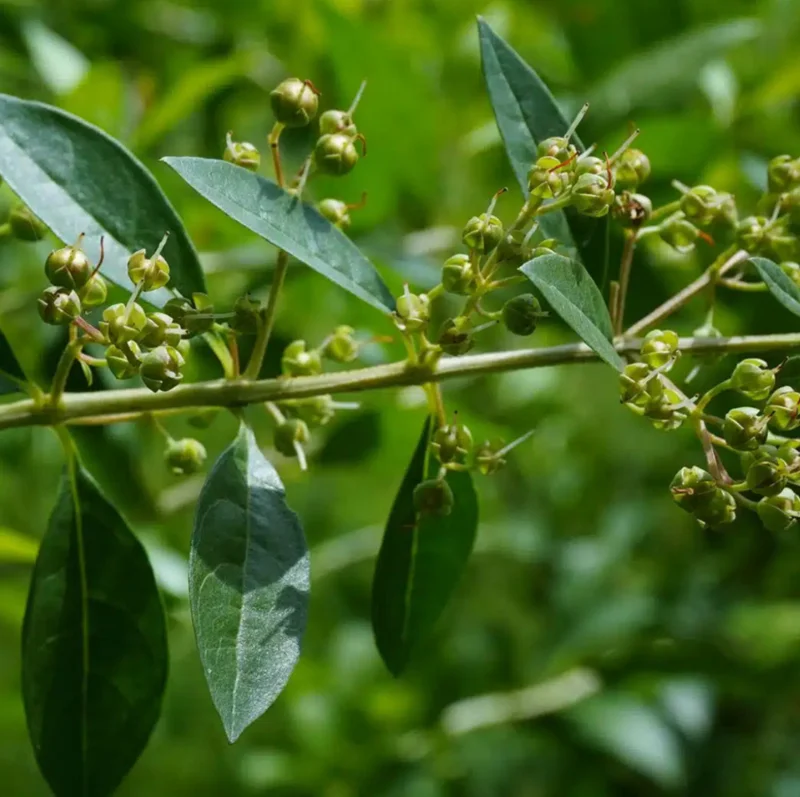
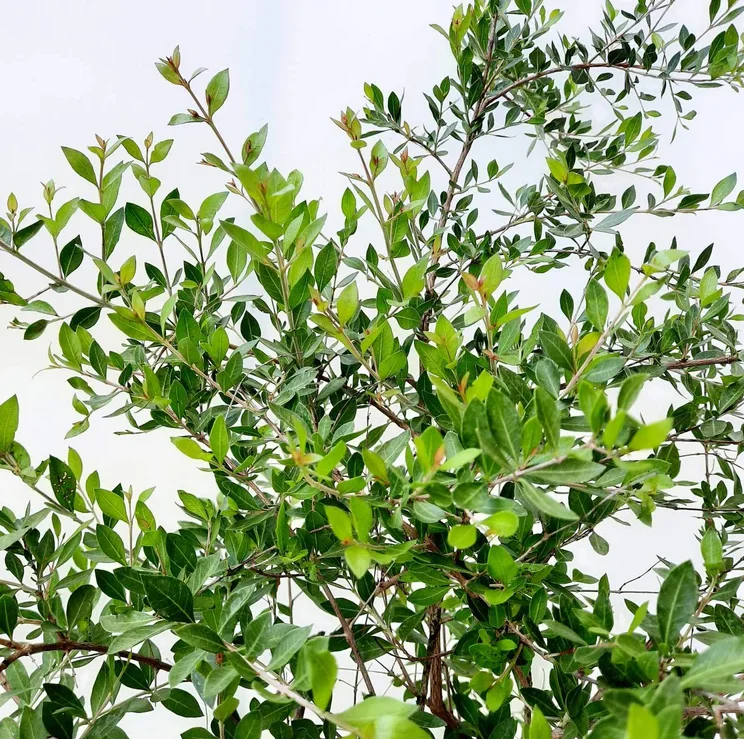
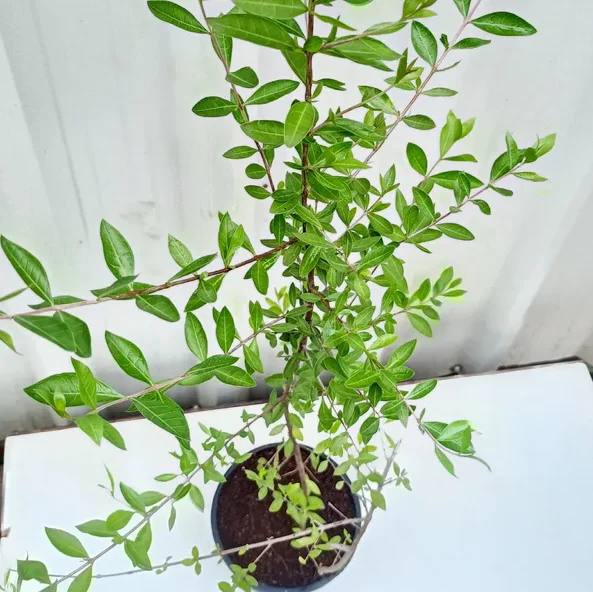
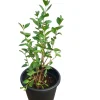
Bring the beauty and utility of a henna live plant into your home or garden. This striking Lawsonia inermis specimen arrives vigorously growing, typically measuring 6-12 inches tall and housed in a sturdy 4-inch pot. Known for its rich history in natural dyeing and traditional medicine, the henna plant is also a beautiful ornamental shrub with fragrant, small white to pink flowers. Originating from tropical and subtropical regions, it adapts well to various climates when given proper care. Whether you’re interested in its historical uses, its aromatic blooms, or simply its lush green foliage, growing a henna live plant offers a rewarding experience for any plant enthusiast. Our henna live plant is carefully nurtured to ensure it arrives healthy and ready to thrive in its new environment. It’s a fantastic choice for those looking to explore natural beauty products or add an exotic touch to their plant collection. The vibrant green leaves provide a continuous supply for creating henna paste, while its overall form can enhance any garden space or indoor setting with sufficient light.
Key Benefits
Growing a henna live plant offers a multitude of advantages, from its aesthetic appeal to its practical applications:
- Natural Dye Source: The primary benefit of the henna live plant is its leaves, which are used to produce a reddish-brown dye. This natural dye is popular for temporary body art (mehndi), hair coloring, and textile dyeing, offering a chemical-free alternative. Enjoy exploring the various henna plant uses.
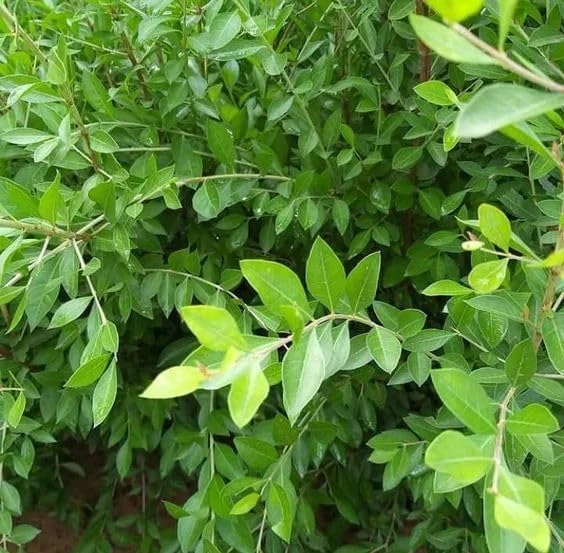
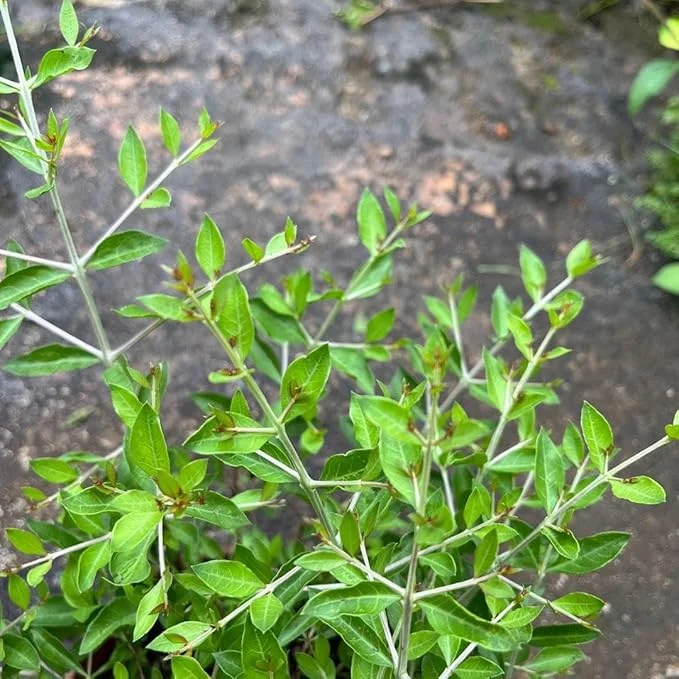
- Ornamental Beauty: Beyond its practical uses, Lawsonia inermis is an attractive plant with dense, glossy green foliage and delicate, fragrant flowers. It can be grown as a shrub, a small tree, or even a potted indoor plant, adding a touch of tropical elegance.
- Fragrant Blooms: The small, four-petaled flowers of the henna plant release a sweet, intoxicating scent, especially at night. These fragrant blooms can enhance the ambiance of your garden or indoor living space, providing a delightful sensory experience.
- Low Maintenance: Once established, the henna live plant is relatively easy to care for, requiring moderate watering and plenty of sunlight. It’s a resilient plant that can withstand various conditions, making it suitable for both novice and experienced gardeners looking to grow henna plant.
- Traditional & Medicinal Uses: Historically, henna has been used in various traditional practices for its cooling properties and as an antiseptic. While primarily known for its dye, its leaves have been incorporated into traditional remedies for skin conditions and hair health, showcasing diverse henna plant uses.
- Air Purification: Like many plants, the henna plant contributes to a healthier indoor environment by absorbing carbon dioxide and releasing oxygen, helping to purify the air around it.
- Versatile Growth: This plant can be pruned to maintain a desired size and shape, making it versatile for different garden designs or limited indoor spaces. It can be kept compact in a pot or allowed to grow into a larger shrub or small tree, adapting to your preferences.
Plant Care & Growing Tips
To ensure your henna live plant flourishes, understanding its specific care requirements is crucial. Lawsonia inermis thrives in warm climates and appreciates consistent care. For optimal growth, provide your henna plant with plenty of bright, direct sunlight. If growing indoors, place it near a south-facing window where it can receive at least 6-8 hours of direct sun daily. Outdoors, choose a location with full sun exposure. In extremely hot climates, some afternoon shade can prevent leaf scorch, but generally, more sun equals better growth and dye production, which is key for successful Lawsonia inermis care.
Watering is paramount for successful cultivation. Keep the soil consistently moist but not waterlogged. Allow the top inch of soil to dry out slightly between waterings. Overwatering can lead to root rot, while underwatering can cause wilting and stunted growth. Good drainage is essential, so ensure your pot has drainage holes or your garden soil is well-draining. The ideal soil type is a rich, well-draining potting mix for potted plants, or loamy soil with good organic content for garden planting. The plant prefers slightly acidic to neutral soil (pH 6.0-7.0).
The henna live plant is a tropical species, so it prefers warm temperatures, ideally between 70°F and 90°F (21°C-32°C). It is not frost-tolerant, so if you live in a region with cold winters (USDA zones below 9-11), it’s best to grow your henna plant in a container that can be brought indoors during cooler months. Fertilize every 2-4 weeks during the growing season (spring and summer) with a balanced liquid fertilizer diluted to half strength. Reduce fertilization in fall and winter. Pruning can be done to shape the plant and encourage bushier growth, which also leads to more leaves for harvesting. Watch out for common pests like spider mites or aphids, and treat them promptly with organic insecticidal soap if they appear, ensuring proper Lawsonia inermis care.
Size & Details
This offering includes one healthy henna live plant (Lawsonia inermis) that typically measures between 6 to 12 inches in height from the top of the soil. It comes pre-potted in a 4-inch nursery container, providing a stable environment for its initial growth. The plant is well-rooted and ready for transplanting into a larger pot or directly into your garden, depending on your climate and growing preferences. With proper Lawsonia inermis care, this plant can grow into a multi-stemmed shrub reaching up to 6-8 feet tall outdoors, or remain more compact when grown in containers and regularly pruned. The growth rate is moderate, allowing you to enjoy its development over time. Expect lush green foliage and, with maturity, delicate, fragrant flowers, adding to the beauty of your space. This plant is a fantastic start for anyone looking to grow henna plant.
Frequently Asked Questions
- Q: How big does this plant get? A: This henna live plant is currently 6-12 inches tall. When grown outdoors in ideal conditions, it can reach up to 6-8 feet in height, but can be kept smaller through regular pruning. Indoors, its size will depend on pot size and pruning.
- Q: What size pot does it come in? A: Your henna plant will arrive in a 4-inch nursery pot, providing a good foundation for its initial growth. We recommend repotting it into a slightly larger container once it outgrows the current pot.
- Q: Is this an indoor or outdoor plant? A: The henna live plant can be grown both indoors and outdoors. It thrives outdoors in USDA zones 9-11 or warmer. In colder climates, it is best grown in a container and brought indoors during winter months, making it a versatile option.
- Q: How much sunlight does it need? A: Henna plants require plenty of sunlight. Aim for at least 6-8 hours of direct sunlight per day. If growing indoors, a south-facing window is ideal. Outdoors, choose a full sun location for optimal growth and to ensure the plant can fulfill its various henna plant uses.
- Q: Is this plant easy to care for? A: Yes, once established, the henna live plant is relatively easy to care for. It needs consistent watering, ample sunlight, and protection from frost. Regular pruning can help maintain its shape and encourage bushier growth, making it a rewarding plant for those interested to grow henna plant.
- Q: What condition will it arrive in? A: Your henna live plant will be carefully packaged to ensure it arrives healthy and vibrant. It will be a well-rooted plant, actively growing, and ready to be acclimated to its new environment.
- Q: Can I use the leaves for natural dye? A: Absolutely! The leaves of the henna live plant are the source of natural henna dye. Once the plant is mature and has a good amount of foliage, you can harvest the leaves to create your own henna paste for body art or hair coloring. This is one of the primary henna plant uses.
- Q: How long until it starts producing dyeable leaves? A: While the plant will have leaves upon arrival, for significant dye production, it’s best to allow the plant to establish itself and grow for several months, typically 6-12 months, before regular harvesting. This ensures a healthy and robust plant.
- Q: Is it good for beginners? A: Yes, with attention to its light and watering needs, the henna live plant is a rewarding plant for beginners. Its resilience and relatively straightforward Lawsonia inermis care requirements make it an accessible option for new gardeners.
- Q: What are the main henna plant uses? A: The primary uses include natural hair dye and temporary body art (mehndi). It’s also valued for its ornamental beauty, fragrant flowers, and traditional medicinal applications, making it a multi-purpose plant.



Reviews
There are no reviews yet.