Overview
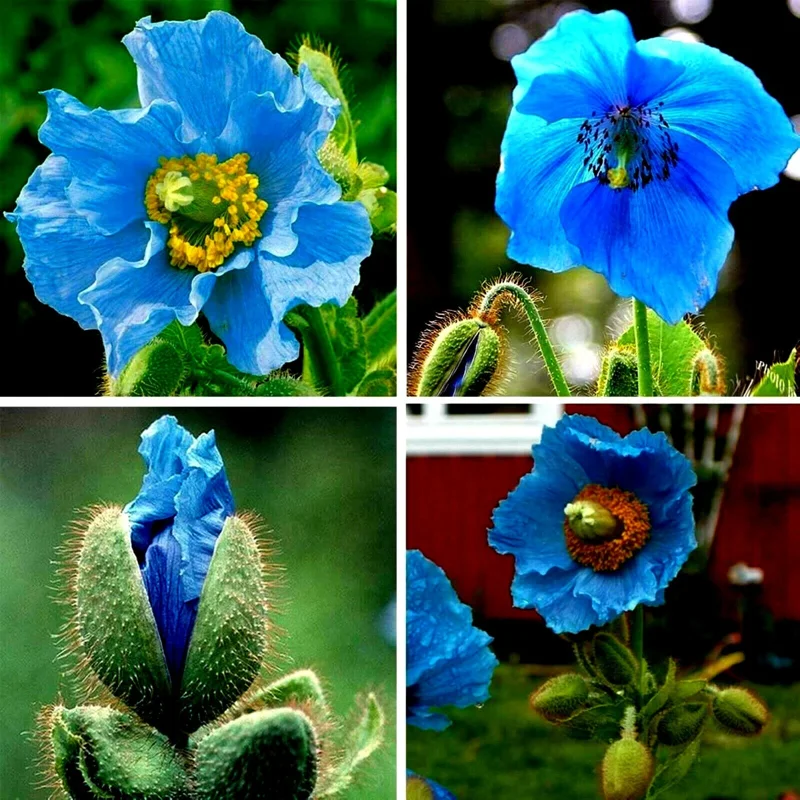
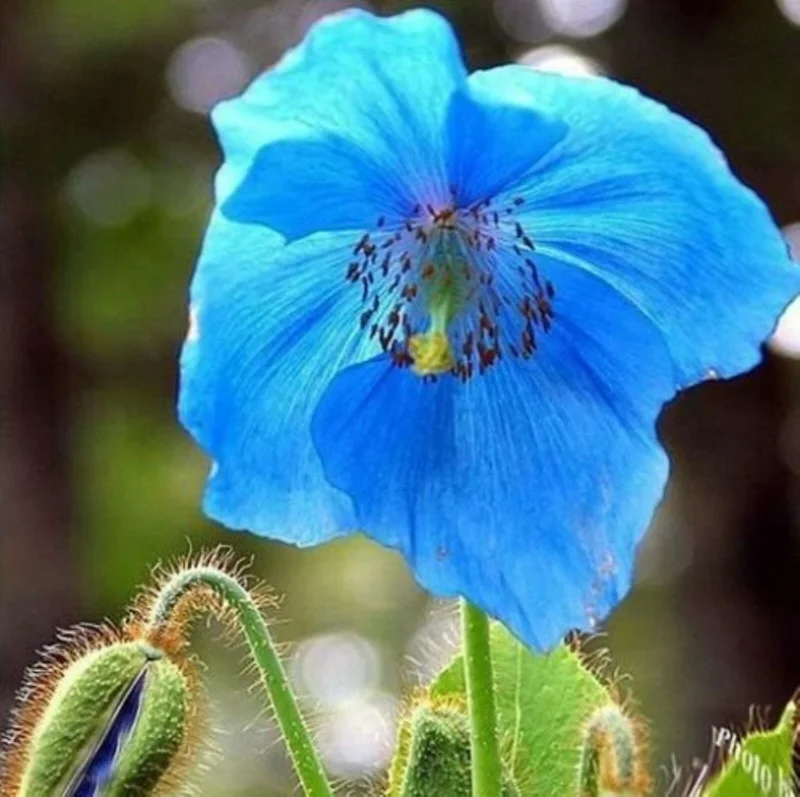
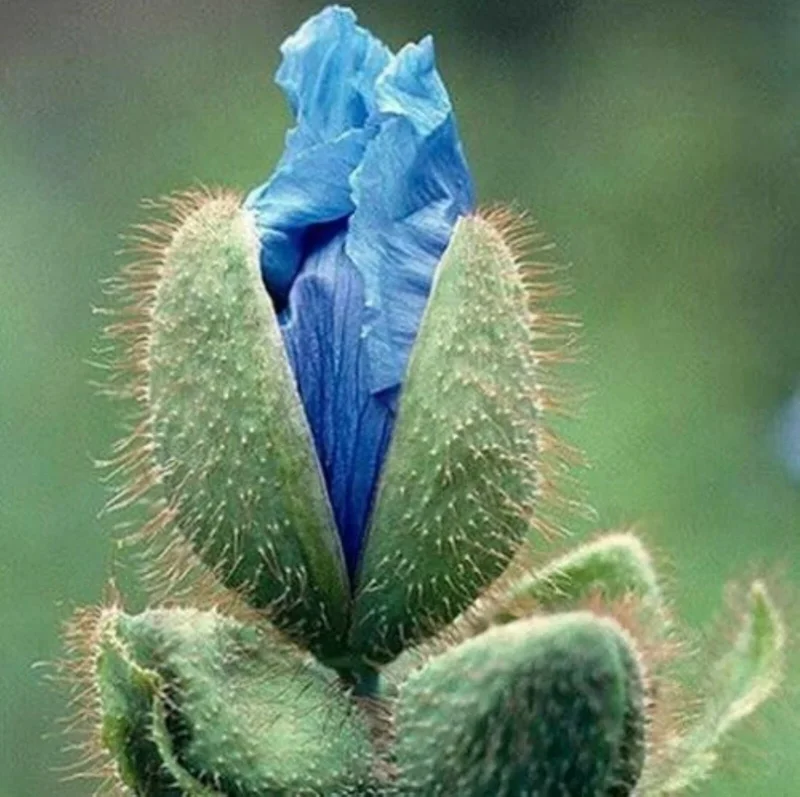
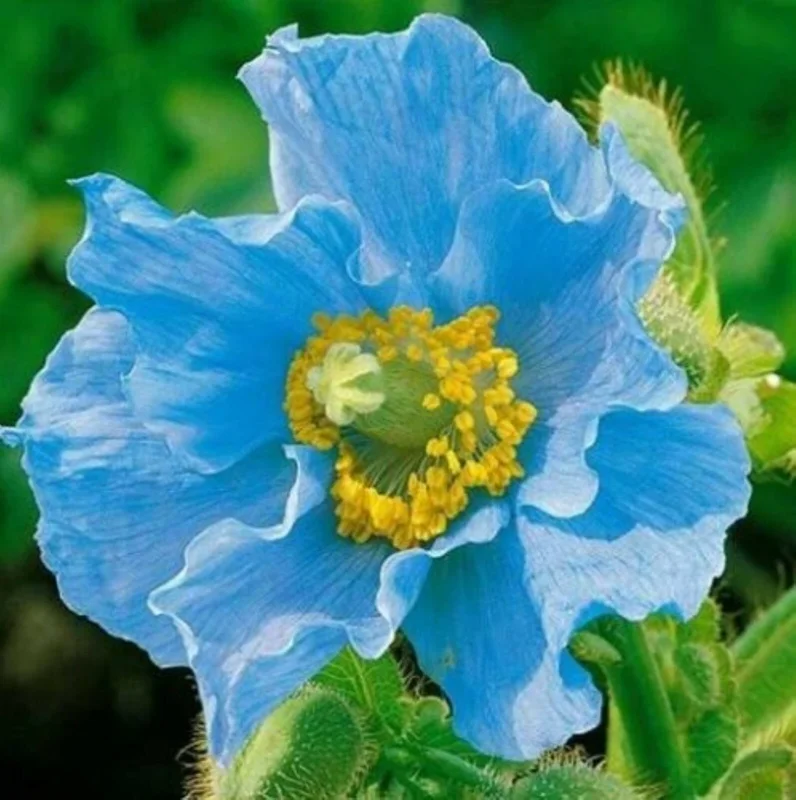
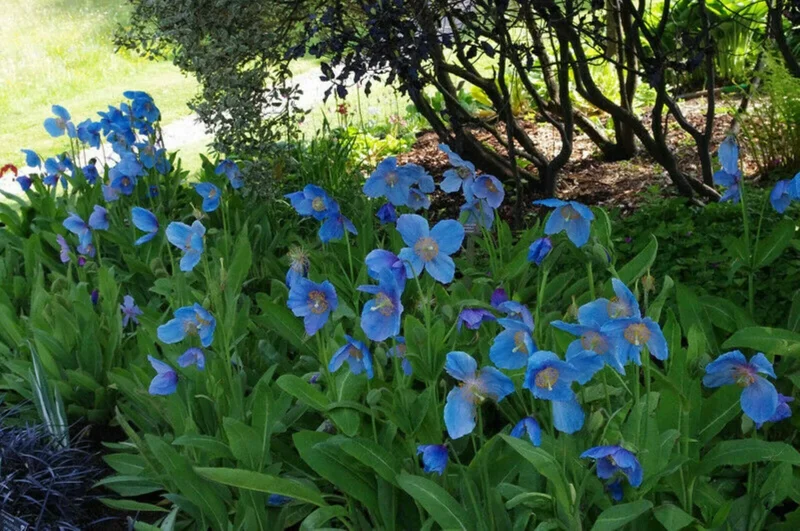
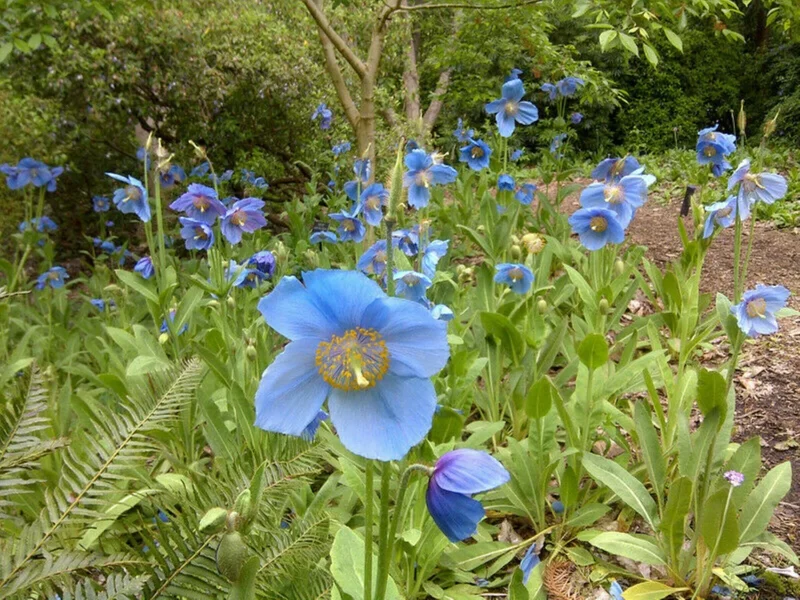
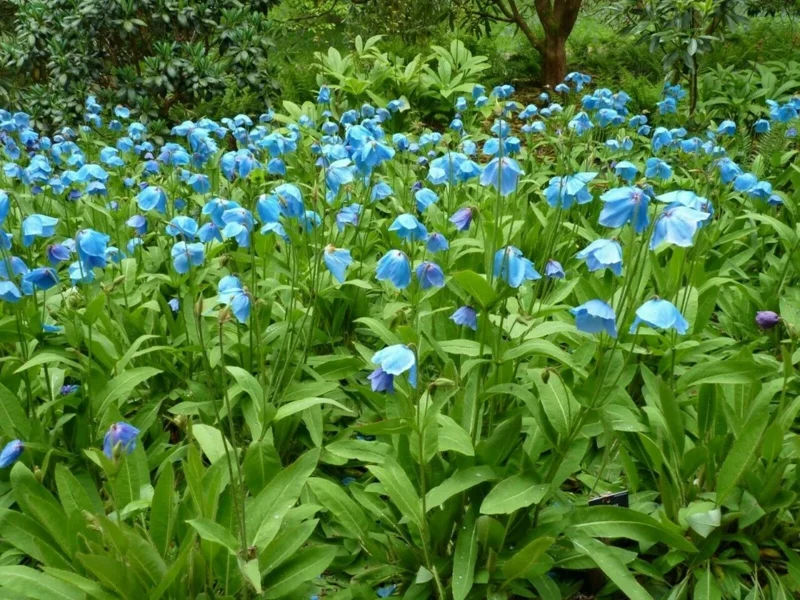
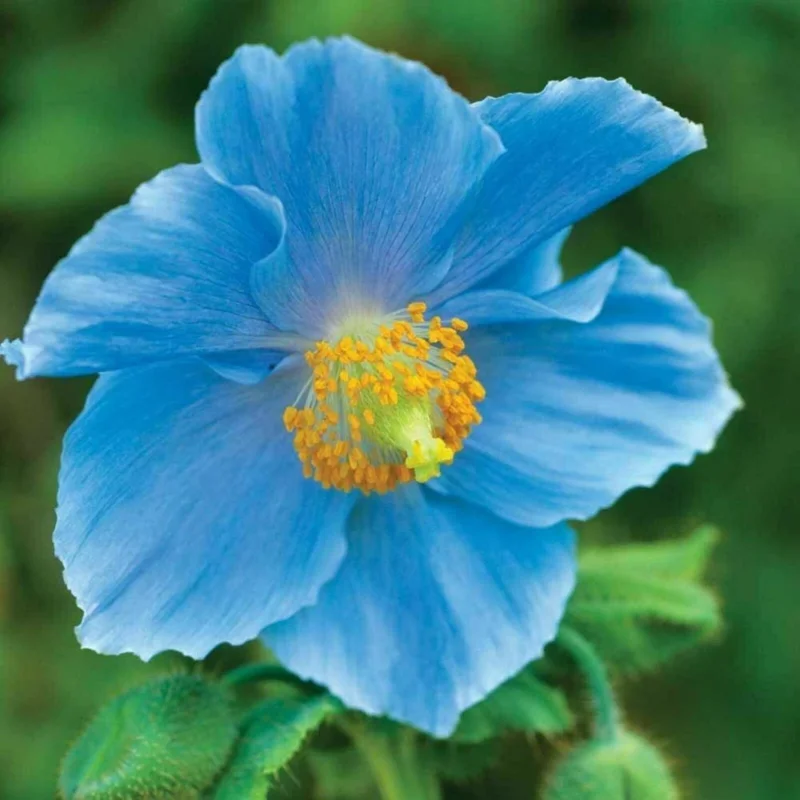
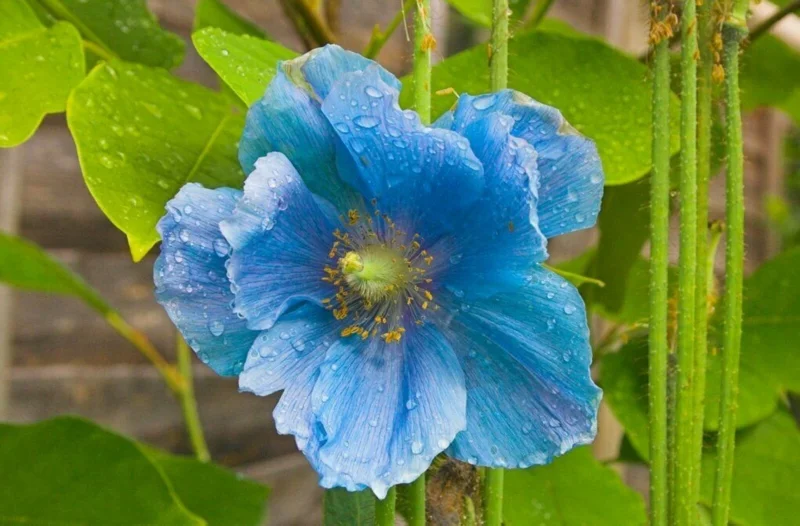
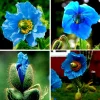
Discover the captivating allure of the Himalayan Blue Poppy seeds, scientifically known as Meconopsis. These exquisite perennial seeds are renowned for producing some of the most breathtaking blue flowers in the botanical world. Originating from the elevated regions of the Himalayas, these poppies bring a touch of ethereal beauty and unique charm to any garden or landscape. Each packet contains a generous quantity of Himalayan Blue Poppy seeds, ensuring you have ample opportunity to cultivate these magnificent blooms. Known for their vibrant, true blue petals, the Meconopsis poppy is a prized specimen for gardeners seeking to add a rare and striking color to their floral displays. These seeds are ideal for creating a stunning visual impact in shaded garden areas where their luminous blue hues can truly shine.
The Meconopsis perennial is a flowering plant that thrives in specific conditions, rewarding patient gardeners with its extraordinary blossoms. While sometimes considered a challenge to grow, the effort is well worth it for the spectacular results. These seeds are perfect for home gardeners who appreciate unique flora and are looking for a rewarding gardening project. Embrace the journey of growing Meconopsis and witness the transformation from tiny seeds to glorious blue poppies, enhancing your garden’s aesthetic appeal and becoming a focal point of admiration.
Key Benefits
Planting Himalayan Blue Poppy seeds offers a multitude of benefits, from enhancing garden aesthetics to providing a rewarding gardening experience. These unique flowers are sure to become a cherished addition to your outdoor space.
- Stunning Blue Blooms: The primary benefit is the unparalleled beauty of their vibrant, true blue flowers, a rare color in the plant kingdom, making them a standout feature in any garden.
- Perennial Growth: As a Meconopsis perennial, these poppies return year after year, establishing a long-lasting presence and reducing the need for annual replanting.
- Unique Garden Specimen: These Himalayan natives offer an exotic touch, providing a unique conversation piece and an unusual addition compared to more common garden flowers.
- Attracts Pollinators: While primarily grown for their beauty, their blossoms can attract beneficial pollinators to your garden, contributing to a healthy ecosystem.
- Rewarding Cultivation: Successfully growing these exquisite plants provides a deep sense of accomplishment and satisfaction for dedicated gardeners, especially those interested in growing Meconopsis.
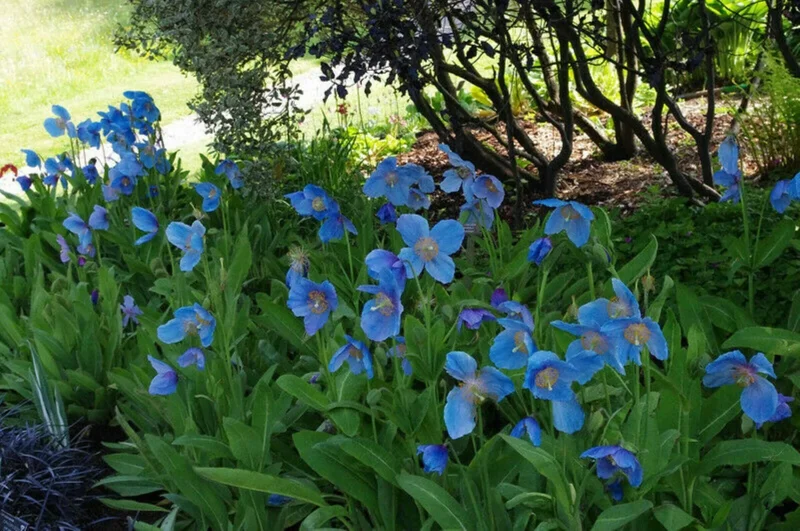
- Versatile Landscaping: Ideal for shaded borders, woodland gardens, or as a focal point in a rock garden where their delicate beauty can be appreciated.
- Cool Climate Adaptability: They thrive in moderate climates, making them suitable for many regions and offering a beautiful blue poppy flower option for cooler areas.
Plant Care & Growing Tips
Successful growing Meconopsis, or Himalayan Blue Poppy seeds, requires attention to specific environmental factors to ensure their delicate beauty flourishes. These plants prefer cool, moist conditions with consistent humidity. They are best suited for areas with moderate climates and can be grown both indoors and outdoors, though outdoor cultivation in suitable zones is often preferred for optimal growth.
For sunlight requirements, Himalayan Blue Poppy seeds thrive in partial shade to medium sun. They need protection from intense afternoon sun, especially in warmer climates, as direct, hot sunlight can scorch their delicate petals and foliage. A location that receives morning sun and afternoon shade is ideal. The soil should be consistently moist but well-draining, with a rich, organic content. A peat-based soil with a neutral pH is recommended. Avoid heavy clay soils or sandy soils that dry out quickly. Watering should be medium and consistent; the soil should never be allowed to dry out completely. However, ensure good drainage to prevent root rot. These plants are relatively easy to cultivate once their specific needs are met, making them a rewarding choice for an easy flower seeds project if you provide the right environment.
The ideal planting time for Himalayan Blue Poppy seeds is typically in late fall or early spring, about 4 weeks before the last frost. They benefit from cold stratification to aid germination. Fertilize sparingly with a balanced, slow-release fertilizer during the growing season. Protect from strong winds, which can damage their tall flower stalks. Common issues include slug and snail damage, so appropriate pest control measures should be considered. With proper care, your blue poppy flower will provide a stunning display year after year.
Size & Details
This offering includes a substantial quantity of Himalayan Blue Poppy seeds, allowing for extensive planting and a bountiful display of these magnificent flowers. Each seed packet is designed to help you cultivate vibrant Meconopsis perennial plants in your home garden. Once established, these poppies typically grow to a moderate height, usually between 1 to 3 feet tall, with a spread of about 1 to 2 feet, depending on growing conditions and variety. The delicate, cup-shaped flowers can reach several inches in diameter, showcasing their iconic blue hue.
These seeds are perfect for starting an impressive collection of blue poppy flower plants. While the initial growth from seed can be slow, mature plants develop a robust root system, ensuring their perennial nature. They will ship as high-quality seeds, ready for planting according to the provided instructions. Expect flowering to occur in late spring to early summer, typically within the second year after planting, providing a spectacular seasonal show. The ‘seeding’ growth habit ensures a natural spread and establishment in appropriate garden settings.
Frequently Asked Questions
- Q: How big does this plant get? A: The Himalayan Blue Poppy seeds typically grow into plants that reach 1 to 3 feet in height and spread 1 to 2 feet wide, depending on growing conditions and care.
- Q: Is this an indoor or outdoor plant? A: While they can be started indoors, Meconopsis perennial plants thrive outdoors in partial shade, especially in moderate climates. They require cooler temperatures to flourish.
- Q: How much sunlight does it need? A: These poppies prefer partial shade to medium sun. It’s crucial to protect them from intense afternoon sunlight to prevent scorching of their delicate petals.
- Q: Is this plant easy to care for? A: Growing Meconopsis can be moderately challenging as they have specific requirements for cool, moist, and well-draining soil, but they are very rewarding. If you follow the care tips, they can be an easy flower seeds project.
- Q: What condition will the seeds arrive in? A: The seeds will arrive in a new, unused, unopened, and undamaged condition, ready for planting.
- Q: How long until it blooms? A: Typically, the blue poppy flower will begin to bloom in the second year after planting, usually in late spring to early summer, rewarding your patience with its stunning color.
- Q: What’s the best soil type for these poppies? A: They prefer a rich, organic, peat-based soil that is consistently moist but well-draining, with a neutral pH.
- Q: When is the best time to plant these seeds? A: The ideal time to plant Himalayan Blue Poppy seeds is in late fall or early spring, about 4 weeks before the last expected frost.
- Q: Will they survive winter in my zone? A: As perennials, they are hardy in moderate climates (USDA zones 3-8, depending on specific variety and protection) and will return each year if properly established.
- Q: Do these poppies attract pollinators? A: Yes, like many flowering plants, the blue poppy flower can attract various beneficial pollinators to your garden.





Reviews
There are no reviews yet.