Overview
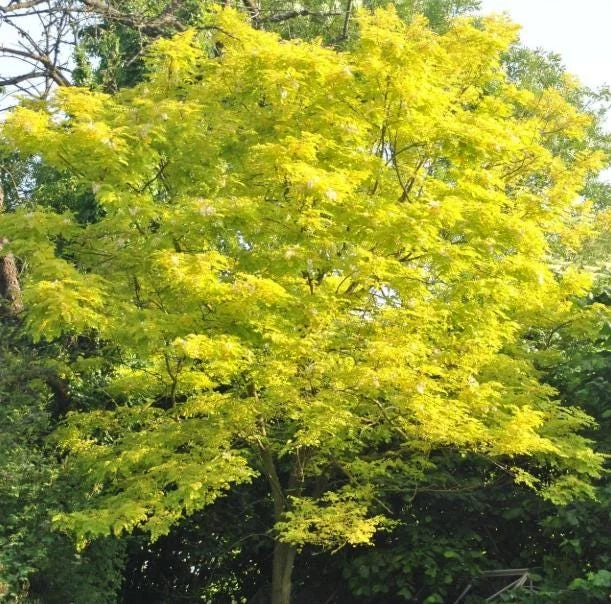
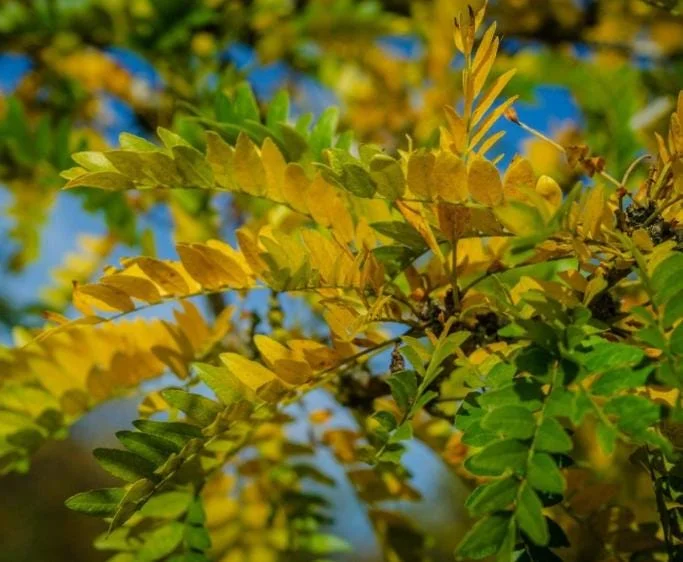
Transform your outdoor space with the versatile and robust honey locust tree seedling. This offering includes two healthy bare root trees, each measuring 1-2 feet tall, perfect for establishing a new shade tree or adding architectural interest to your garden. The Honey Locust (Gleditsia triacanthos) is a popular deciduous tree renowned for its rapid growth rate and remarkable adaptability to diverse environmental conditions. Its distinctive fern-like, pinnately compound leaves create a light, airy canopy that provides beautiful dappled shade, making it an excellent choice for landscaping, urban environments, and as a specimen tree. These seedlings are shipped dormant, without leaves, which is the optimal state for bare root planting to ensure successful establishment and vigorous growth in your garden. The honey locust bare root form allows for easier handling and planting, ensuring your new trees get a strong start.
Key Benefits
Choosing the Honey Locust for your landscape offers a multitude of advantages, combining aesthetic appeal with practical hardiness. These trees are an investment in the long-term beauty and functionality of your property.
- Rapid Growth & Shade: Enjoy a quickly developing canopy that provides welcome dappled shade, reducing summer temperatures and enhancing outdoor living spaces. This makes it an ideal choice for a fast growing shade tree.
- Exceptional Adaptability: The Honey Locust thrives in a wide range of soil types, from loam to clay and sandy soils, and tolerates slightly acidic to neutral pH levels. It’s also drought-tolerant once established, requiring low to moderate water.
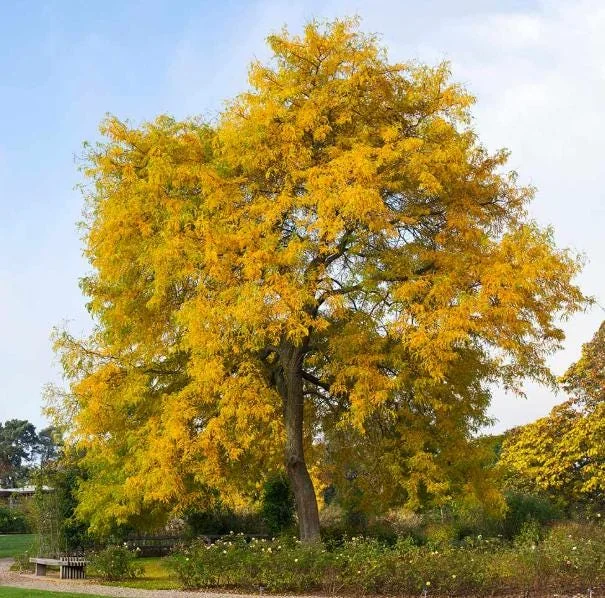
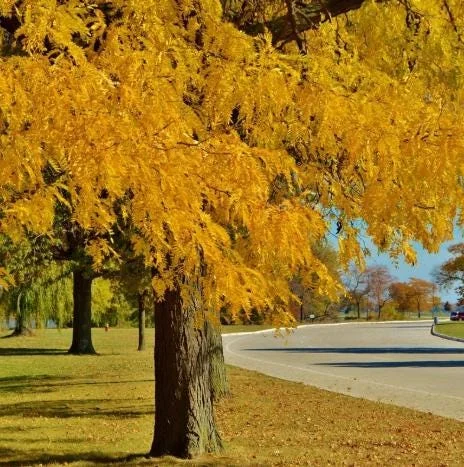
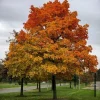
- Attractive Foliage & Flowers: Its delicate, fern-like leaves offer a unique texture, turning a vibrant yellow in the fall. Fragrant yellow-green flowers emerge in late spring, adding seasonal interest.
- Low Maintenance: Generally a low-maintenance tree, it’s resistant to many common pests and diseases, making it a hassle-free addition to your garden.
- Urban & Landscape Friendly: Its tolerance for urban conditions, including compacted soil and pollution, makes it a prime candidate for city parks, street plantings, and residential landscapes. Many cultivars are a thornless honey locust, further enhancing their appeal for public spaces.
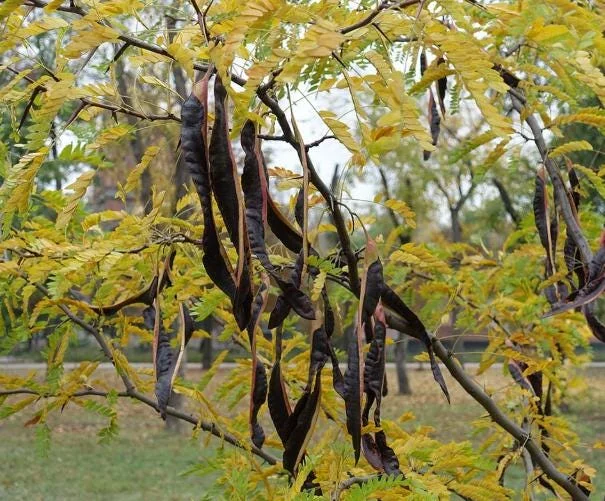
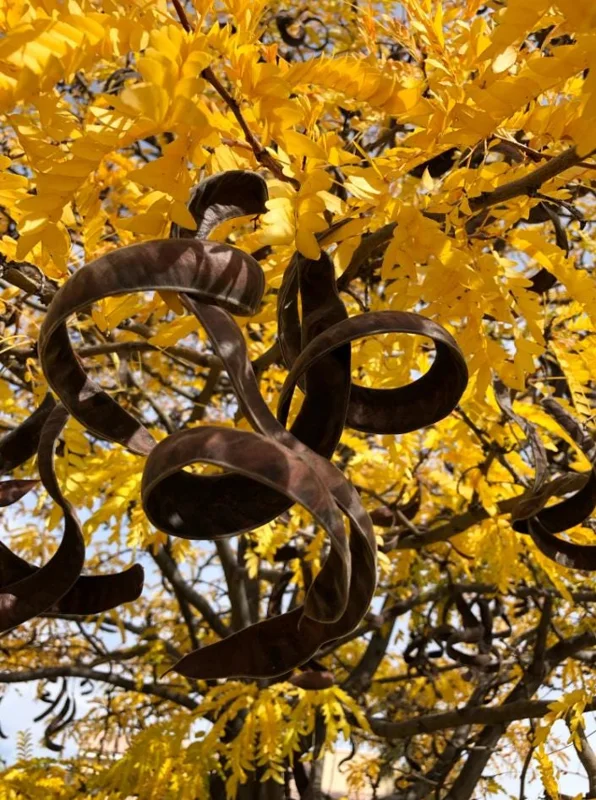
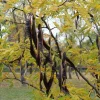
- Wildlife Support: The long brown seed pods provide food for various wildlife, contributing to local biodiversity.
- Erosion Control: Its strong root system helps stabilize soil, making it valuable for erosion control on slopes or challenging sites. This makes it an excellent adaptable landscape tree.
Plant Care & Growing Tips
To ensure your honey locust tree seedling flourishes, proper care from planting onward is essential. These bare root seedlings are ready for immediate planting upon arrival. Plant them in an area that receives full sun, meaning at least 6 hours of direct sunlight per day. The Honey Locust is remarkably adaptable to various soil conditions, including loam, clay, and sandy soils, and can tolerate a pH range from slightly acidic to neutral. Good drainage is beneficial, but the tree can handle periods of both drought and occasional wetness once established. When planting, dig a hole wide enough to accommodate the roots without bending them, ensuring the root collar is level with the soil surface.
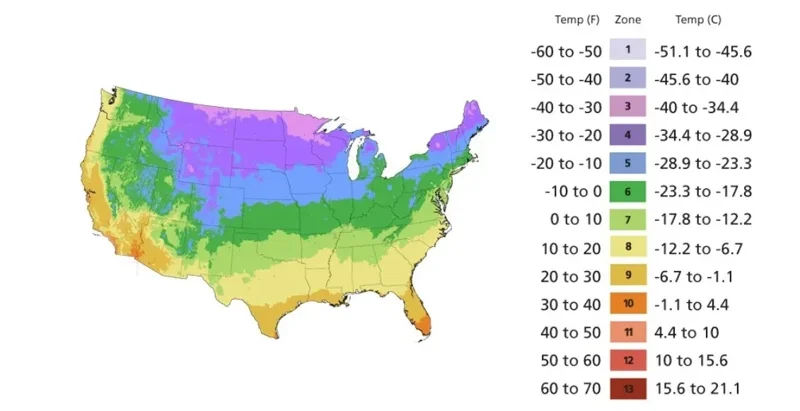
Water thoroughly after planting and continue to water regularly during the first year to help establish a strong root system. Once established, the Honey Locust is quite drought-tolerant and will only require supplemental watering during prolonged dry spells. Fertilization is generally not necessary in rich soils, but a balanced slow-release fertilizer can be applied in spring if soil nutrient levels are low. Pruning should be done in late winter or early spring to remove dead, damaged, or crossing branches, and to shape the tree. The Honey Locust is hardy in USDA Zones 3 to 9, tolerating temperatures from -40°F to 100°F. During winter, it will naturally enter dormancy and lose its leaves, which is a normal and healthy part of its life cycle. This honey locust bare root plant is designed for easy and successful establishment.
Size & Details
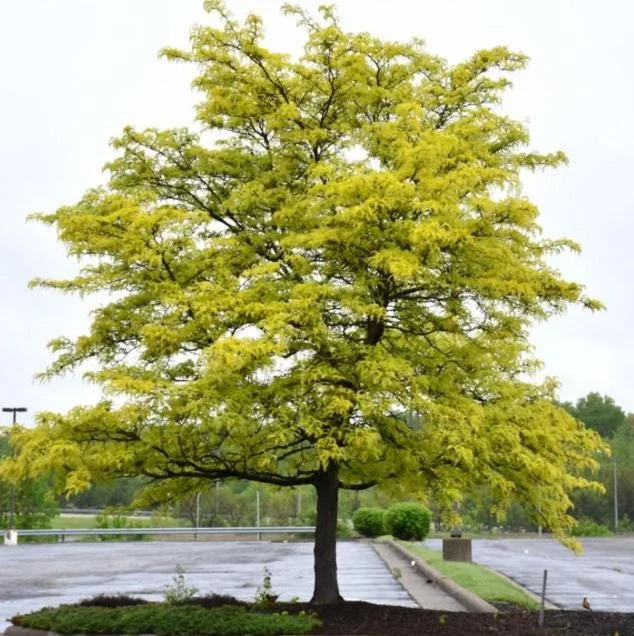
This product includes two individual honey locust tree seedling bare roots. Each seedling measures approximately 1-2 feet in height upon arrival, without leaves, as they are shipped dormant for optimal planting success. The bare root format signifies that the trees are shipped without soil around their roots, which reduces shipping weight and stress to the plant during transit, allowing for easier handling and planting. Honey Locusts are known for their fast growth rate, quickly developing into medium to large shade trees, typically reaching mature heights of 30-70 feet with a spread of 20-50 feet. They will begin to leaf out in spring after planting and establish their root system. Expect fragrant yellow-green flowers in late spring to early summer, followed by distinctive long brown seed pods. This fast growing shade tree will provide years of enjoyment.
Frequently Asked Questions
- Q: How big will the honey locust tree seedling get? A: The honey locust tree seedling you receive will be 1-2 feet tall. Once mature, Honey Locust trees can reach heights of 30-70 feet with a spread of 20-50 feet, making them substantial shade trees.
- Q: Is this an indoor or outdoor plant? A: The Honey Locust is an outdoor deciduous tree. It is not suitable for indoor cultivation and requires ample space to grow to its full potential.
- Q: How much sunlight does this tree need? A: A Honey Locust thrives in full sun, meaning it needs at least 6 hours of direct sunlight per day to grow vigorously and healthily.
- Q: Is this tree easy to care for? A: Yes, the Honey Locust is considered a relatively easy-care tree due to its adaptability to various soil types and its drought tolerance once established, making it a great adaptable landscape tree.
- Q: What condition will the bare roots arrive in? A: The honey locust bare root seedlings will arrive dormant, without leaves, which is the ideal state for planting. Their roots will be carefully packaged to retain moisture during transit.
- Q: When is the best time to plant a bare root honey locust? A: The best time to plant bare root trees like the Honey Locust is in early spring, as soon as the soil can be worked, before the tree breaks dormancy. Fall planting is also an option in milder climates.
- Q: Will this tree survive winter in my zone? A: Honey Locust trees are very hardy and can survive winters in USDA Zones 3 to 9, tolerating temperatures as low as -40°F. They are well-suited for a wide range of climates.
- Q: Do these trees have thorns? A: While some varieties of Honey Locust do have thorns, many popular cultivars are thornless. This specific offering is likely a thornless honey locust, making it safer for common landscape use.
- Q: How quickly will it grow after planting? A: Honey Locusts are known for being a fast growing shade tree. With proper care and favorable conditions, you can expect significant growth each year, especially after the first year of establishment.




Reviews
There are no reviews yet.