
Plant Care Expert Guides
Is My Plant Dead or Just “Shipping Stressed”? (How to Tell the Difference)
Feb
You have been waiting all week for that package. You finally see the box on your porch, bring it inside, and open it with excitement, only to find a plant that looks… well, a bit sad. The leaves are drooping, maybe there is some yellowing, or a few leaves fell off the moment you touched it.
Your heart sinks. Is my plant dead or shipping shock? Did I just waste my money? Should I file an online plant delivery damaged claim right now?
Before you panic or toss your new green friend in the compost bin, take a deep breath. As someone who has spent over a decade working with nurseries and shipping thousands of plants across the United States, I can tell you this: most of the time, your plant isn’t dying. It is just experiencing plant shipping stress symptoms.
In this guide, I am going to show you how to tell the difference between a plant that is just “tired” from its journey and one that is truly gone, plus exactly how to revive plant after shipping. Let’s save your plant and your peace of mind.
Read more:
Why Does My Plant Look Tired?
When you buy a plant online, it undergoes a massive change. It goes from a climate-controlled greenhouse with perfect humidity and light into a dark, cramped cardboard box. It might travel across several USDA Hardiness Zones, experiencing bumpy trucks and fluctuating temperatures.
Think of it like a long-haul flight in economy class with no window seat and no snacks. You would arrive looking a bit rough too, right?
This temporary state is called shipping shock or transit stress. It is a natural defense mechanism where the plant slows down its photosynthesis and transpiration to survive the dark journey.
The 3-Step “Life Check” Every Gardener Should Know
If you are staring at a brown stem and feeling hopeless, use these three professional tests to check for signs of life.
1. The Scratch Test
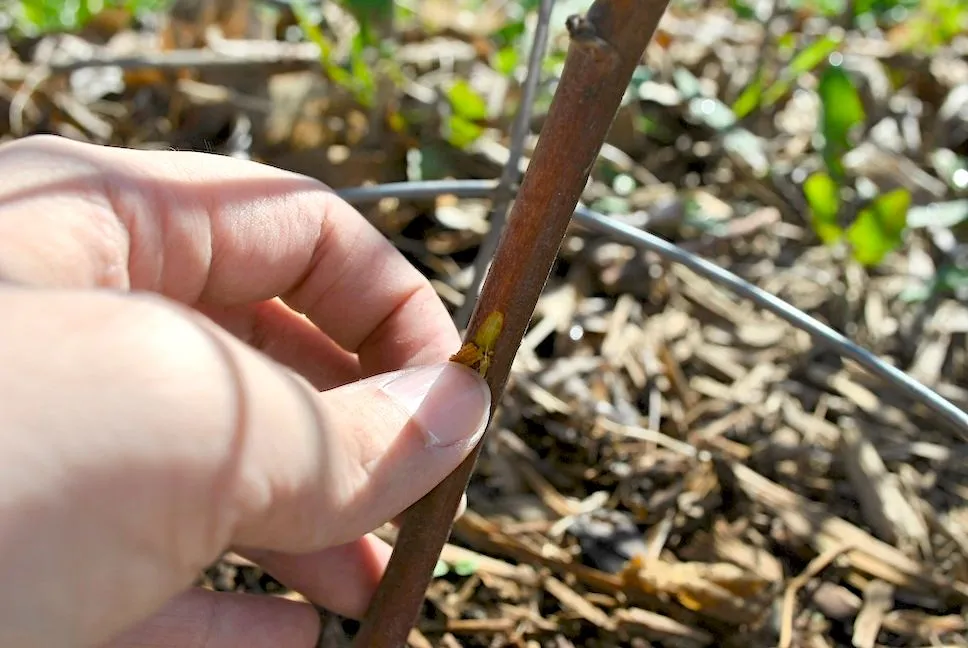
This is the gold standard for checking plant health. Use your fingernail or a small knife to gently scratch a tiny bit of the outer bark on the main stem.
-
If it is green underneath: Congratulations! The plant is alive. The “cambium layer” is still carrying nutrients. It just needs time to recover.
-
If it is brown or brittle: Scratch a little lower, closer to the soil. If it is brown all the way down to the root ball, then the plant may truly be dead.
2. The Flexibility Check
Healthy plants have some “give.” Gently try to bend a small branch or stem.
-
Pliant and bouncy: This means there is still moisture inside the cells. Your plant is likely just thirsty or acclimating.
-
Snaps like a dry cracker: If the stem breaks easily with a clean, dry snap, that part of the plant is dead. However, check the base; sometimes the top dies back to protect the roots.
3. Inspecting the Roots
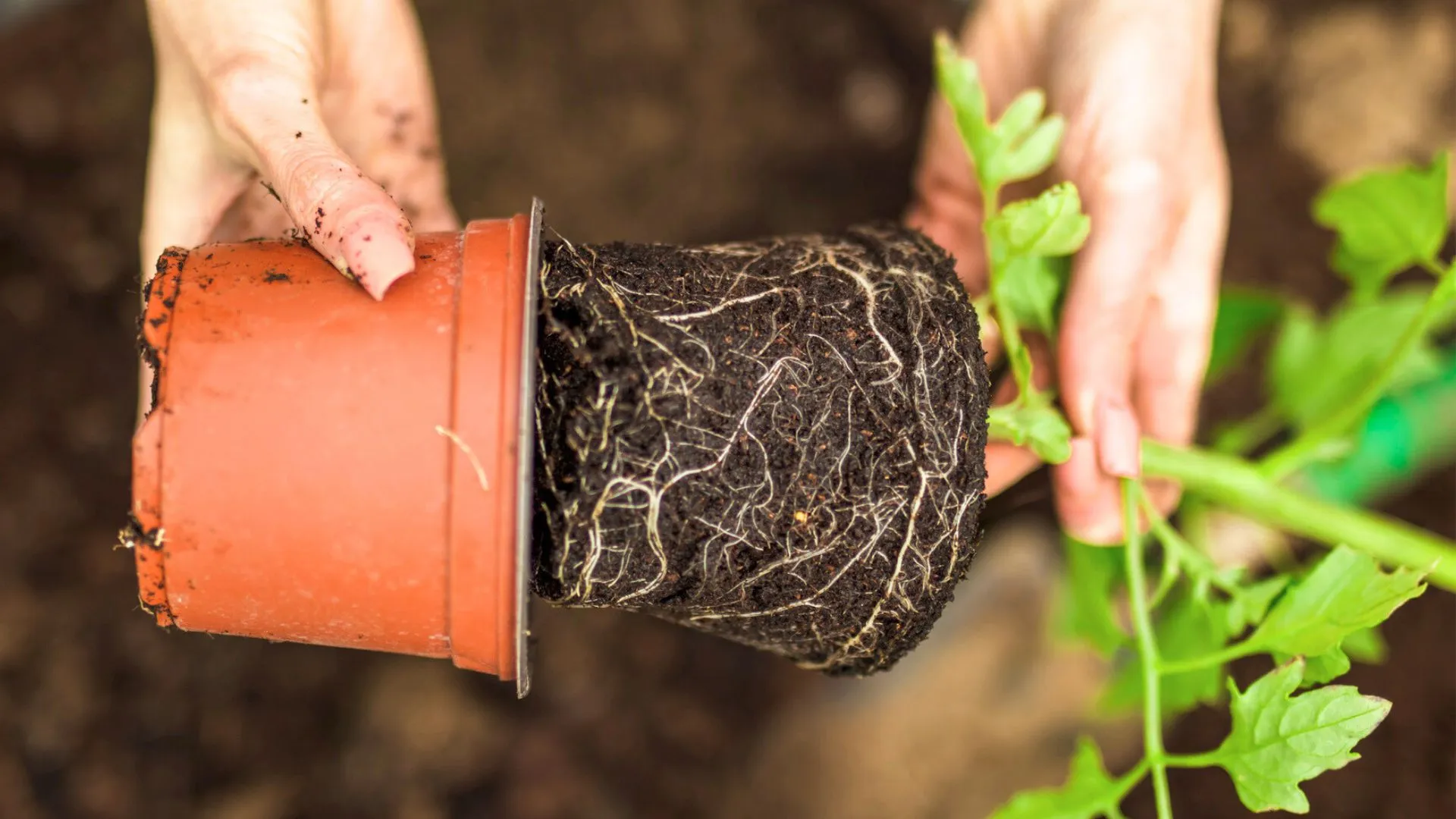
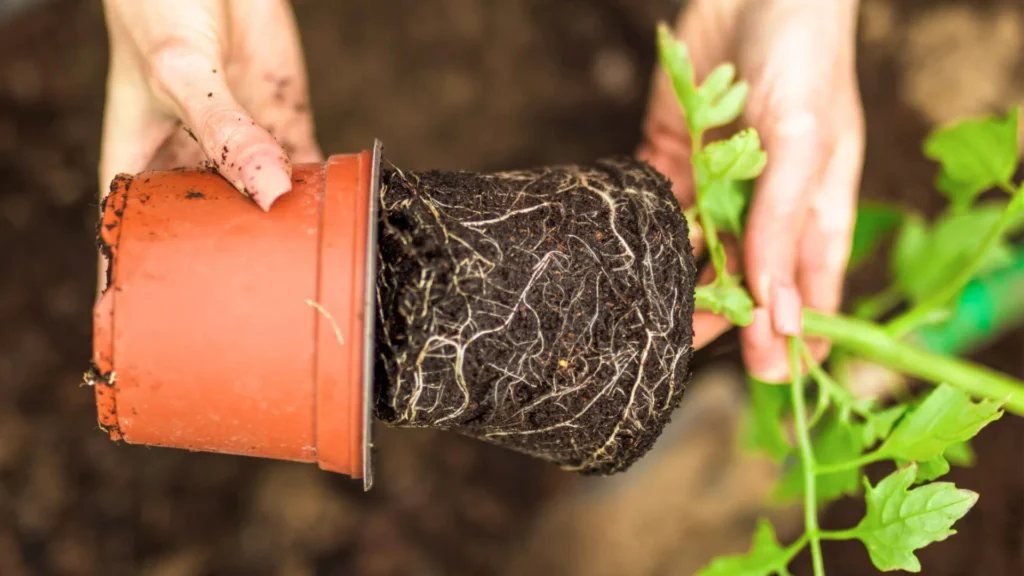
If the top looks bad, check the “engine room.” Carefully slide the plant out of its nursery pot.
-
Healthy roots: These should be firm and usually white or light tan.
-
Dead roots: If they are mushy, black, and have a foul odor, you are looking at root rot. This often happens if a plant was overwatered right before being placed in a dark box.
Signs It Is Just Shipping Shock (And How to Fix It)
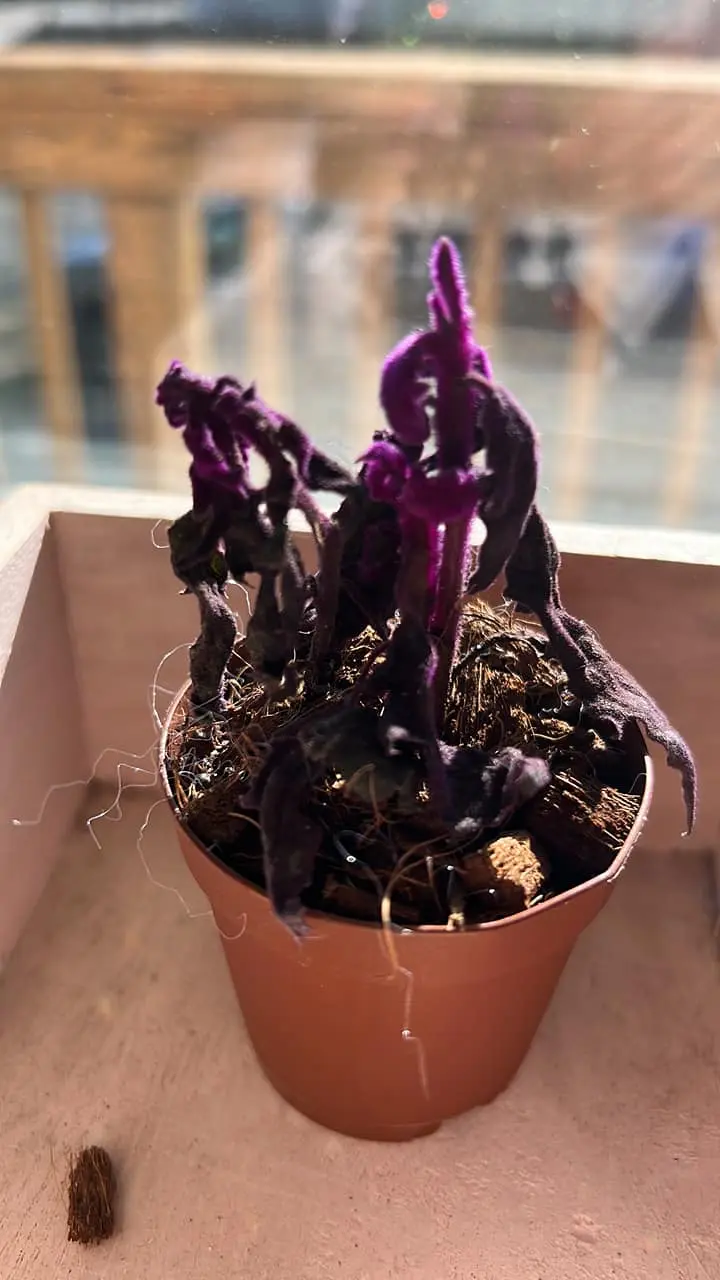
Most of what people think is “death” is actually just the plant complaining about the trip. Here is what to look for:
-
Droopy or wilted leaves: This is usually just “transit thirst.” The plant has used up its water reserves. Give it a gentle drink and it should perk up in 24 to 48 hours.
-
Yellowing bottom leaves: This is very common in potted plants. The plant is reallocating energy to its core. It is just dropping the “old equipment” to focus on survival.
-
Minor leaf drop: Some species, like Ficus or certain heirloom varieties, are “drama queens.” They drop leaves when they move house. It doesn’t mean they are dead; they are just resetting.
Pro Tip: If your plant looks a bit dusty or flattened, don’t worry. A light misting can help clean the leaves and improve its ability to breathe.
Red Alerts: When a Plant is Truly Beyond Saving
While I always advocate for patience, sometimes the journey is just too much. You probably have a valid claim if you see:
-
The “Mush” Factor: If the main crown or stem of the plant feels soft and slimy to the touch.
-
Total Brittleness: If every single branch snaps, and the scratch test shows brown from top to bottom.
-
Severe Weather Damage: If you live in a cold state like Maine or Minnesota and the leaves are black and translucent, it likely suffered a deep freeze during transit.
Road to Recovery: The First 48 Hours
How you handle the first two days will determine if your plant thrives or dives.
Step 1: Hydrate, Don’t Drown
Check the soil. If it feels dry as a bone, give it a thorough watering. If the soil is already damp, leave it alone! Overwatering a stressed plant is the fastest way to kill it.
Step 2: Find the “Low-Stress Zone”
Do not put your new plant in direct, harsh sunlight immediately. It has been in a dark box for days; the sun will scorch its “sensitive” leaves. Put it in a spot with bright, indirect light for a few days to let it acclimate to your home’s humidity and temperature.
Step 3: Avoid the “New Pot” Temptation
This is the number one mistake American gardeners make. You want to put it in a beautiful ceramic pot immediately. Stop! Repotting is like major surgery. You wouldn’t want surgery right after a marathon. Leave the plant in its plastic nursery pot for at least 7 to 10 days until it shows signs of new growth.
Last spring, a friend of mine ordered a large Fiddle Leaf Fig. When it arrived, every single leaf was on the bottom of the box. She was ready to throw it out. I told her to do the scratch test (it was green!) and just leave it in a corner with decent light. Three weeks later, tiny green buds appeared. Today, it is the centerpiece of her living room. Patience really is a gardener’s best tool.
Frequently Asked Questions (FAQs)
How long does it take for a plant to recover from shipping?
Most plants will start to look “normal” again within 3 to 7 days. However, for some slower-growing species, it might take a couple of weeks to see brand-new leaves.
Should I fertilize my plant to help it recover?
No! Never fertilize a stressed plant. Fertilizer encourages growth, and a stressed plant needs to focus on recovery and root health, not producing new leaves. Wait at least a month.
Does a brown leaf mean the whole plant is dying?
Not at all. A few brown spots or one dead leaf is just a cosmetic issue. As long as the stems are flexible and the roots are firm, your plant is fine.
What if my plant arrived during a heatwave or a freeze?
Temperature stress is real. If the plant looks “cooked” or “frozen,” give it 48 hours in a room-temperature area. If there is no improvement, that is when you should contact the seller.
Conclusion
Opening a box to find a sad plant is disappointing, but in the world of online gardening, it is often just part of the process. Remember to use the scratch test, check the roots, and give your new green friend a few days to find its footing.
If you are worried about your plant’s specific needs, or if you want to make sure you have the right setup for your specific USDA Zone, get in touch with us immediately.
Give it a little love, a little water, and a little time. You will be surprised at how resilient nature can be.
Still worried about your order? Enter your Order ID into our customer support, and we will help you determine the best next steps for your garden.
