Overview
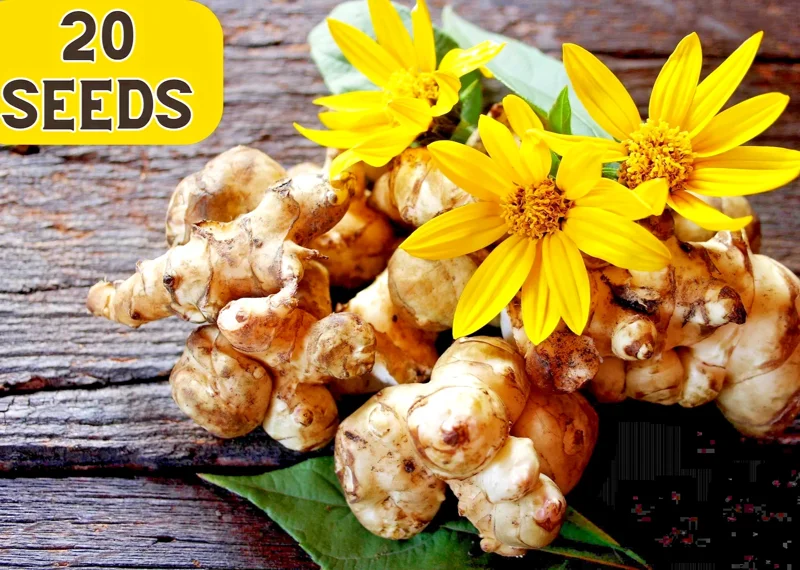
Cultivate a unique and rewarding crop with these premium Jerusalem Artichoke Sunchoke seeds. Also known as Sunroot or Helianthus tuberosus, these versatile plants are celebrated for their delicious, nutty-flavored tubers and cheerful yellow sunflower-like blooms. Each packet contains 20 high-quality seeds, providing a robust start for your garden. Whether you’re a seasoned gardener or just beginning, learning how to grow sunchokes is a straightforward and satisfying experience. These perennial plants are native to North America and are a fantastic choice for sustainable gardening, offering both food and aesthetic appeal. The tubers can be harvested in the fall and winter, providing a fresh source of carbohydrates and dietary fiber when many other garden crops have finished.
Key Benefits
Adding Jerusalem Artichoke Sunchoke seeds to your garden offers a multitude of advantages, enhancing both your landscape and your pantry:
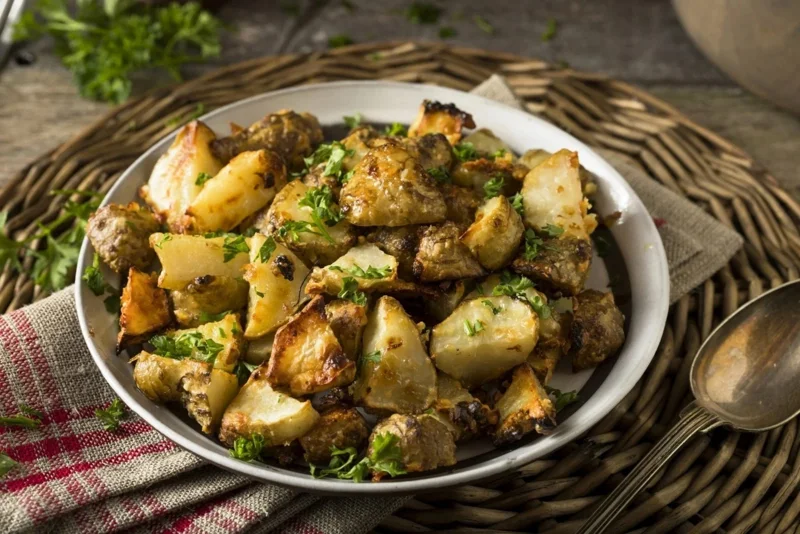
- Edible & Nutritious Tubers: The primary benefit is the harvest of delicious, crunchy tubers that can be eaten raw, roasted, boiled, or fried. They are a good source of inulin, a prebiotic fiber, and have a unique sweet, nutty flavor. Learning how to grow sunchokes means you’ll have a healthy and abundant food source.
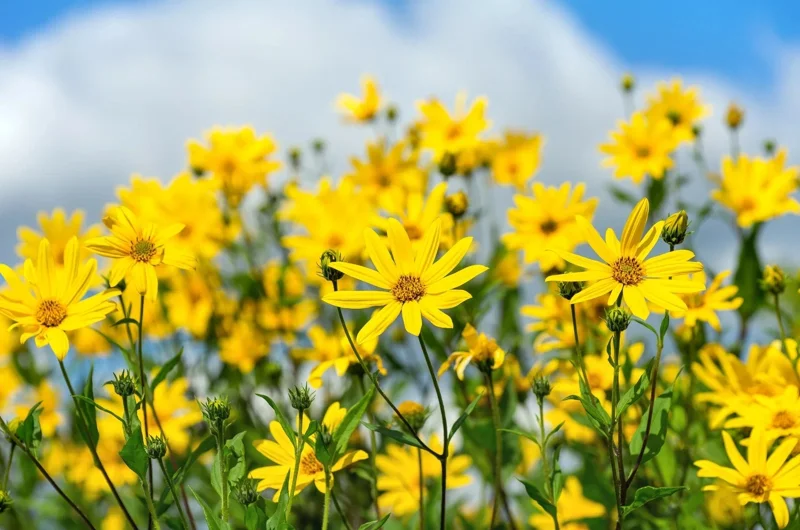
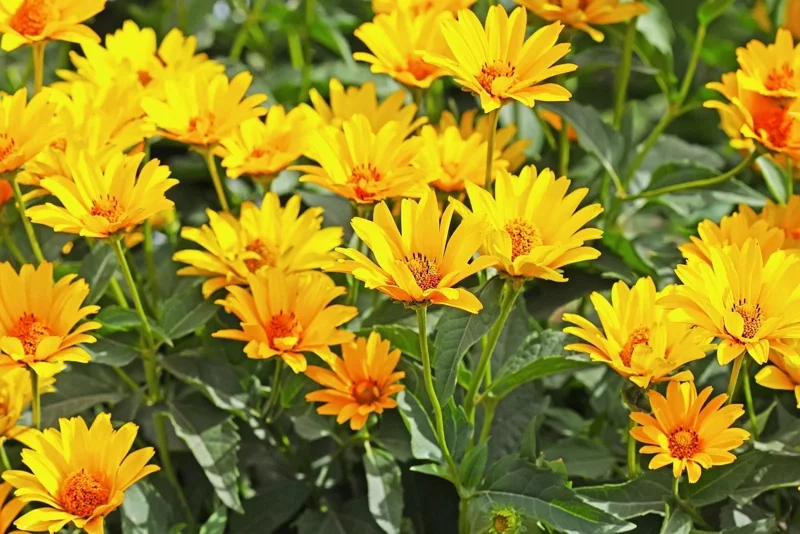
- Beautiful Yellow Flowers: Beyond their edible roots, these plants produce attractive bright yellow flowers resembling small sunflowers, adding a vibrant splash of color to your late summer and fall garden. These make excellent cut flowers as well.
- Low Maintenance & Easy to Grow: Helianthus tuberosus is known for its resilience and adaptability. Once established, they require minimal care, making them ideal for gardeners seeking productive plants without constant attention.
- Perennial Growth: As a perennial, Jerusalem Artichokes return year after year, often spreading to create a bountiful patch. This reduces the need for annual replanting and makes them a sustainable choice for your garden.
- Pollinator Attraction: The bright yellow blooms attract bees and other beneficial pollinators to your garden, contributing to a healthier ecosystem and potentially benefiting other flowering plants.
- Soil Improvement: Their extensive root systems can help improve soil structure, and the plants can be used as a windbreak or privacy screen due to their tall growth habit.
- Versatile Culinary Use: From soups and stews to salads and stir-fries, the tubers are incredibly versatile in the kitchen, offering a healthy alternative to potatoes with a distinct flavor profile.
Plant Care & Growing Tips
Growing Jerusalem Artichoke Sunchoke seeds is surprisingly easy, making them a great choice for gardeners of all skill levels. These resilient plants thrive in a variety of conditions, but understanding their preferences will help ensure a bumper crop of tubers and a spectacular display of yellow flowering plants. Start by selecting a location that receives full sun, meaning at least 6-8 hours of direct sunlight per day. While they can tolerate some partial shade, abundant sunlight encourages stronger growth and better tuber development. The ideal soil for Helianthus tuberosus is well-draining, fertile loam with a neutral pH. However, they are highly adaptable and will grow in most soil types, including clay or sandy soils, as long as drainage is adequate. Amend heavy soils with compost to improve structure and fertility.
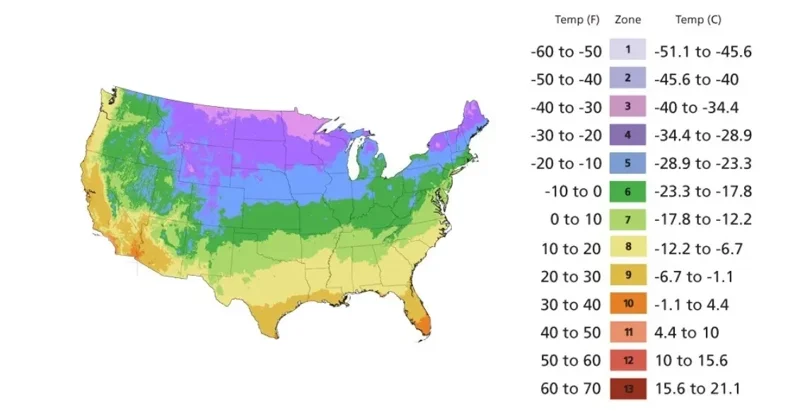
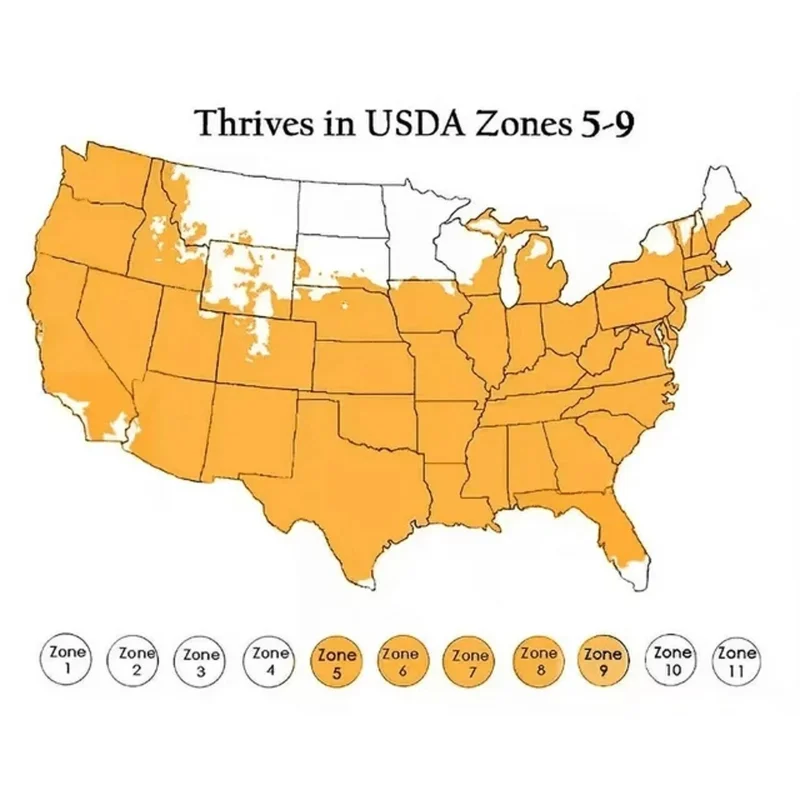
Watering is crucial during dry periods, especially when the plants are young and when tubers are developing. Aim for consistently moist, but not waterlogged, soil. Once established, they are quite drought-tolerant, but regular watering will yield larger tubers. Fertilization is generally not heavily required in rich soil, but a balanced, organic fertilizer can be applied in spring if your soil is poor. These plants are hardy and can withstand a wide range of temperatures, typically thriving in USDA zones 3-9. They are cold-hardy, with tubers overwintering in the ground. Pests and diseases are rarely a major issue, but keep an eye out for slugs or snails when plants are young. Harvesting usually occurs after the first frost, which sweetens the tubers. Dig carefully to avoid damaging the tubers, and leave some in the ground for next year’s crop to ensure continuous growth.
Size & Details
This product includes 20 high-quality Jerusalem Artichoke Sunchoke seeds, ready for planting. Once established, these vigorous perennial plants can reach an impressive height of 5 to 10 feet (approximately 1.5 to 3 meters), with a spread of 2 to 4 feet (0.6 to 1.2 meters), forming dense clumps. The tubers typically develop to a size of 3-5 inches long, though this can vary based on growing conditions. They have a relatively fast growth rate, with plants emerging in spring and flowering in late summer to early fall. The tubers are ready for harvest in late fall after the first frost, and throughout the winter in milder climates. These seeds will arrive in a protective packet, ensuring their viability for successful germination.
Frequently Asked Questions
- Q: How many Jerusalem Artichoke Sunchoke seeds are included in this packet? A: This packet contains 20 high-quality Jerusalem Artichoke Sunchoke seeds, providing a good quantity to start a healthy patch in your garden.
- Q: What size will the Jerusalem Artichoke plants grow to? A: These plants are known for their vigorous growth, typically reaching heights of 5 to 10 feet (1.5 to 3 meters) and spreading 2 to 4 feet wide.
- Q: Is this an indoor or outdoor plant? A: Jerusalem Artichokes are primarily outdoor plants, thriving in garden beds where their tubers can develop freely and the tall stalks can reach for full sunlight.
- Q: How much sunlight do Helianthus Tuberosus seeds need? A: For optimal growth and tuber production, Helianthus tuberosus requires full sun, meaning at least 6-8 hours of direct sunlight per day.
- Q: Is this plant easy to care for? Is it good for beginners? A: Yes, Jerusalem Artichokes are considered very easy to care for and are an excellent choice for beginners due to their resilience and low maintenance requirements.
- Q: What condition will the seeds arrive in? A: The Jerusalem Artichoke Sunchoke seeds will arrive in a protected packet, ensuring they are in good condition and ready for planting upon arrival.
- Q: When is the best time to plant these edible root vegetables? A: The best time to plant Jerusalem Artichoke seeds is in the early spring, after the last danger of frost has passed, or in the fall in warmer climates.
- Q: Can I use the tubers from these yellow flowering plants in cooking? A: Absolutely! The tubers are highly prized for their sweet, nutty flavor and can be used in a wide variety of culinary applications, from roasting to soups.
- Q: What type of soil do these plants prefer? A: While adaptable, Jerusalem Artichokes prefer well-draining, fertile loam with a neutral pH. Amending with compost can improve results.
- Q: How long until I can harvest the sunchokes? A: Tubers are typically ready for harvest in late fall, after the first frost, which helps sweeten their flavor. You can continue harvesting throughout the winter in mild climates.






Reviews
There are no reviews yet.