Overview
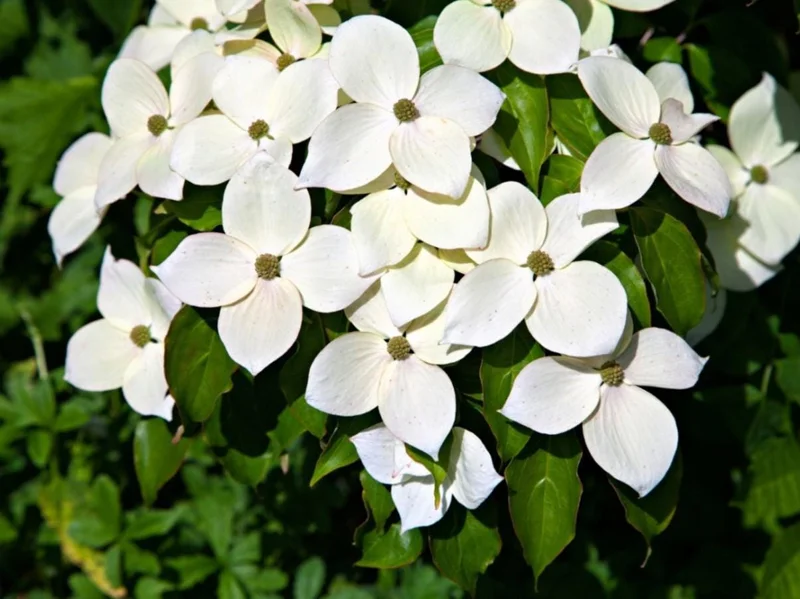
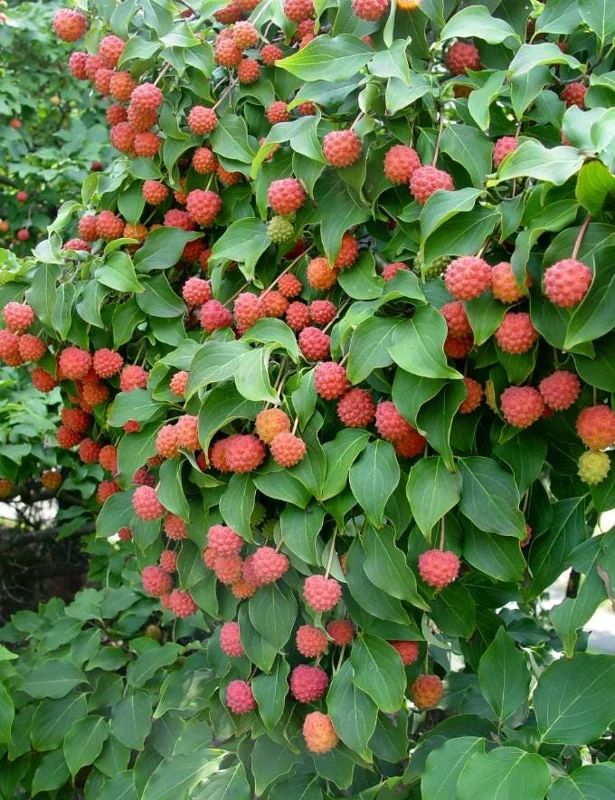
The Kousa Japanese Dogwood tree is a truly exceptional ornamental live plant, cherished for its remarkable beauty and multi-season appeal. This elegant tree, scientifically known as Cornus kousa, originates from East Asia and is a popular choice for discerning gardeners in the United States. Unlike its North American cousin, Cornus florida, the Kousa Japanese Dogwood tree boasts unique star-shaped bracts (often mistaken for petals) that emerge in late spring to early summer, transforming the landscape with their pristine white, sometimes pink-tinged, display. Beyond its captivating blooms, this tree offers an attractive, layered branching structure, beautiful exfoliating bark, and vibrant red edible fruits in late summer, followed by brilliant crimson-purple autumn foliage. It’s a robust and adaptable specimen, making it an ideal ornamental landscape tree for a variety of garden styles.
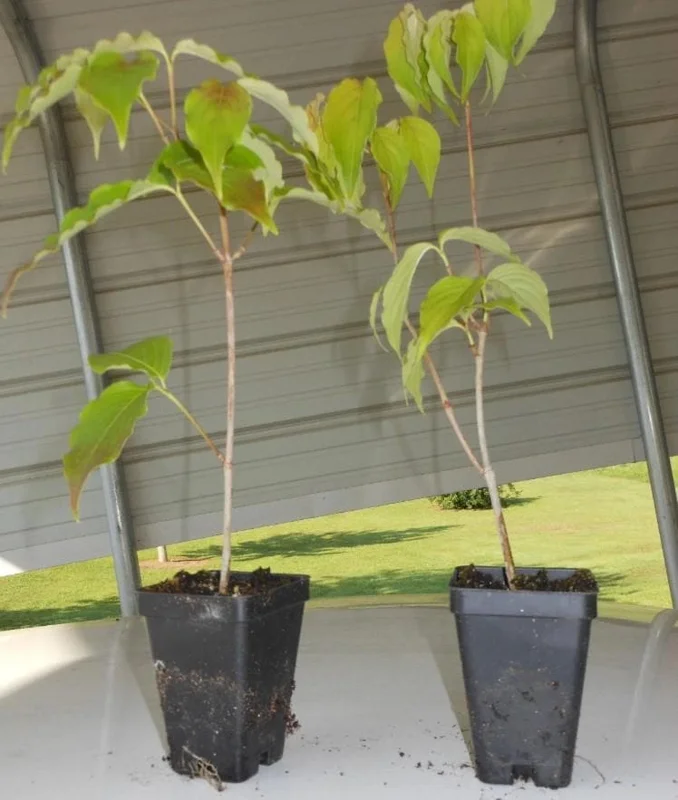
Each Cornus kousa plant we offer is a healthy, young specimen, typically standing 12-18 inches tall and provided in a 1-quart pot, ready for planting. Its graceful form and year-round interest ensure it will be a focal point in your garden for many years to come. Whether you’re looking to enhance a small yard or integrate it into a larger landscape design, the Kousa Japanese Dogwood is a superb choice for adding natural elegance and enduring charm.
Key Benefits
The Kousa Japanese Dogwood tree offers a multitude of benefits, making it a highly desirable addition to any garden. Its unique characteristics provide beauty and interest throughout the year.
- Four-Season Visual Interest: Enjoy stunning white to pink star-shaped bracts in late spring, attractive red edible fruits in late summer, vibrant autumn foliage in shades of red and purple, and distinctive exfoliating bark that adds texture to winter landscapes. This continuous display ensures your garden remains captivating year-round with the Kousa Japanese Dogwood tree.
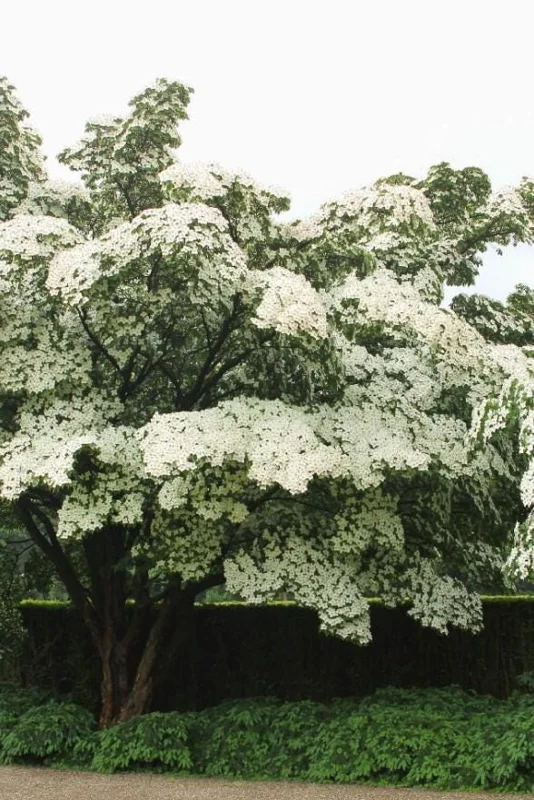
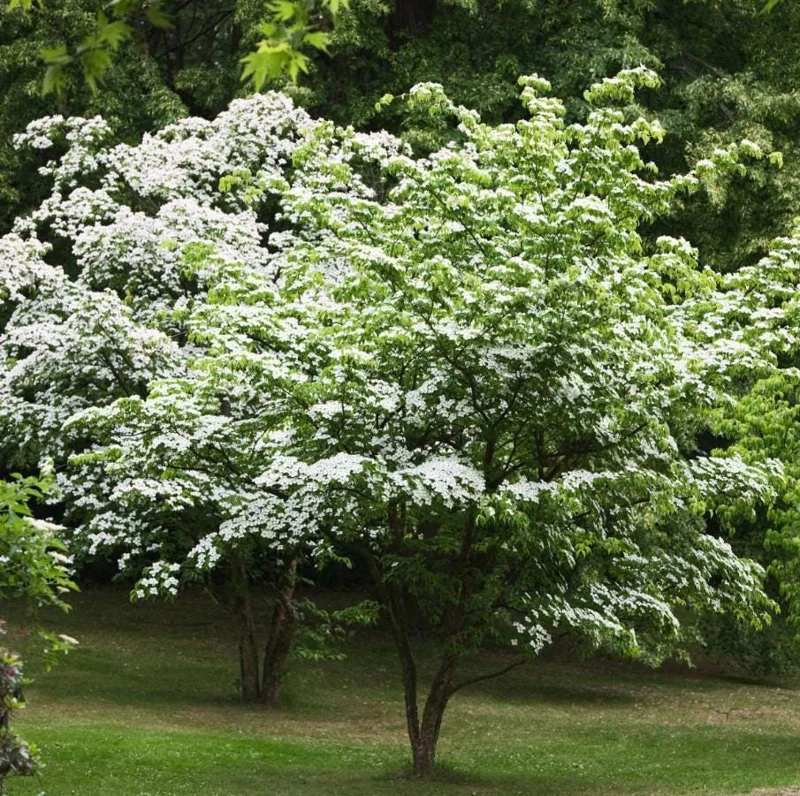
- Elegant Ornamental Value: With its graceful, layered branching habit and profusion of blooms, this tree serves as a magnificent focal point, enhancing the aesthetic appeal of any garden space. It’s truly an ornamental landscape tree.
- Wildlife Attraction: The red berries produced in late summer are a favored food source for various bird species, bringing delightful activity to your garden.
- Adaptable & Resilient: The Cornus kousa plant is known for its hardiness and ability to thrive in a range of conditions, tolerating more sun than other dogwood varieties and exhibiting good disease resistance.
- Edible Fruits: The unique, raspberry-like red fruits are not only ornamental but also edible, offering a sweet and pleasant flavor, though often seedy.
- Disease Resistance: Compared to the native flowering dogwood, Cornus florida, the Kousa dogwood shows superior resistance to common dogwood anthracnose, making it a more reliable choice for many regions.
- Versatile Landscaping: Ideal for use as a specimen tree, in mixed borders, woodland gardens, or even in urban settings due to its moderate size and elegant form.
Plant Care & Growing Tips
Caring for your Kousa Japanese Dogwood tree is relatively straightforward, ensuring it thrives and provides years of beauty. This adaptable plant prefers temperate climates and is hardy in USDA zones 5–8. When planting, choose a location that offers full sun to partial shade. While it tolerates more sun than other dogwood species, some afternoon shade is particularly beneficial in hotter climates to prevent leaf scorch. Ensuring proper light exposure is crucial for the best bloom production and autumn color from your white blooming dogwood.
The ideal soil for a Cornus kousa plant is moist, well-drained, and rich in organic matter, with a slightly acidic to neutral pH (5.5–7.0). Amend heavy clay soils with compost to improve drainage, and sandy soils to enhance moisture retention. Planting is best done in early spring or fall when temperatures are mild, allowing the tree to establish its root system before extreme weather. Space trees 15–20 feet apart to accommodate their mature canopy spread. During the first growing season, keep the soil consistently moist but not waterlogged. Once established, the Kousa dogwood is moderately drought-tolerant, but regular watering during extended dry periods will promote healthier growth and better flowering. Fertilize in early spring with a balanced, slow-release granular fertilizer formulated for trees and shrubs. Pruning should be minimal, primarily to remove dead, damaged, or crossing branches; do this in late winter or early spring before new growth begins, or after flowering to maintain shape. Watch for common pests like borers and scale, and address them promptly. Proper care will ensure your Kousa Japanese Dogwood tree remains a vibrant and healthy feature in your landscape.
Size & Details
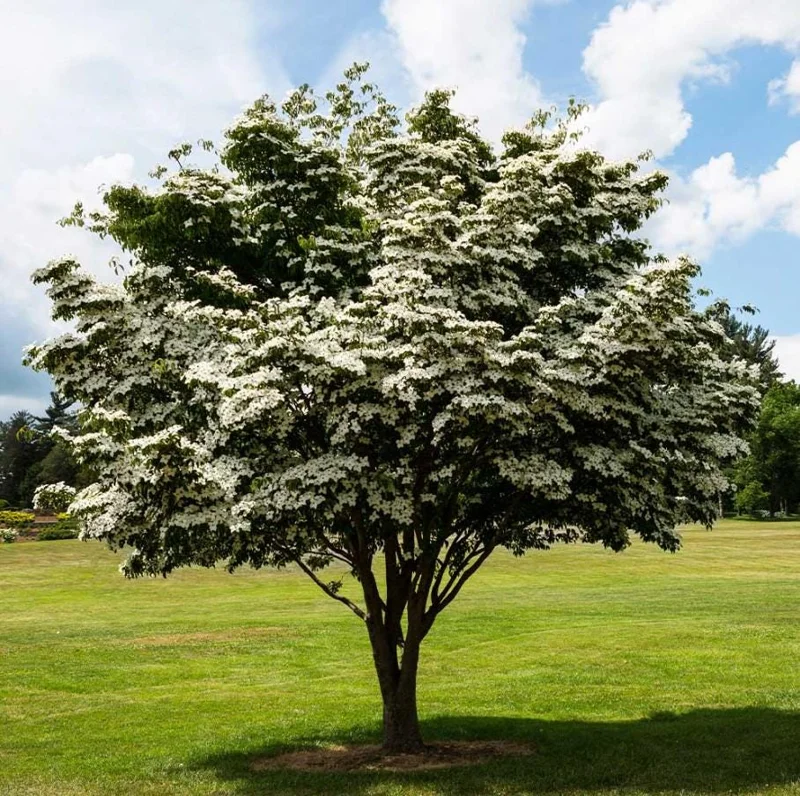
This offering is for one healthy Kousa Japanese Dogwood tree, a live plant carefully cultivated and ready for transplanting into your garden. Each tree measures approximately 12-18 inches tall from the top of the soil line and is provided in a convenient 1-quart nursery pot. This size makes it an excellent starter plant, allowing you to establish it easily in its permanent location. The Kousa dogwood is known for its moderate growth rate, eventually reaching a mature height of 15-30 feet with a similar spread, forming an attractive, vase-shaped to rounded canopy. Expect the first significant bloom production within a few years of planting, with the tree gradually developing its full ornamental characteristics over time. This ornamental landscape tree will arrive well-packaged, ensuring its health and vitality during transit, ready to embark on its journey in your home garden.
Frequently Asked Questions
- Q: How big does this Kousa Japanese Dogwood tree get? A: This particular live plant is 12-18 inches tall in a 1-quart pot. At maturity, a Kousa Japanese Dogwood tree typically reaches a height of 15-30 feet with a similar spread, making it a medium-sized ornamental tree.
- Q: Is this an indoor or outdoor plant? A: The Kousa Japanese Dogwood tree is an outdoor plant, best suited for landscape planting in temperate climates. It requires significant space to grow and is not suitable for indoor cultivation.
- Q: How much sunlight does the Cornus kousa plant need? A: This tree thrives in full sun to partial shade. In hotter regions, providing some afternoon shade is recommended to protect the foliage and ensure optimal health for your Cornus kousa plant.
- Q: Is this plant easy to care for? A: Yes, the Kousa Japanese Dogwood is considered relatively easy to care for once established. It is known for its hardiness and disease resistance, making it a good choice for gardeners of varying experience levels looking for a beautiful white blooming dogwood.
- Q: What condition will the Kousa Japanese Dogwood tree arrive in? A: Your Kousa Japanese Dogwood tree will arrive as a healthy, live plant in its 1-quart nursery pot, with its root ball intact and protected. It will be carefully packaged to ensure its safety during shipping.
- Q: When is the best time to plant this ornamental landscape tree? A: The best time to plant your Kousa Japanese Dogwood is in early spring or fall. These periods offer mild temperatures and adequate moisture, which are ideal for root establishment and reducing transplant shock for your new ornamental landscape tree.
- Q: Can the fruits of the Kousa Japanese Dogwood be eaten? A: Yes, the red, raspberry-like fruits of the Kousa Japanese Dogwood are edible and have a sweet flavor, though they can be seedy. They are also attractive to birds and other wildlife.
- Q: What USDA zones is this dogwood tree hardy in? A: The Kousa Japanese Dogwood is hardy in USDA zones 5 through 8, making it suitable for a wide range of climates across the United States.
- Q: How long until this dogwood tree blooms? A: While this is a young plant, you can typically expect the Kousa Japanese Dogwood tree to begin producing its characteristic white blooms within 2-4 years of planting, depending on growing conditions and care.
- Q: What kind of soil does this tree prefer? A: It prefers moist, well-drained soil that is rich in organic matter. A slightly acidic to neutral pH (5.5-7.0) is ideal for healthy growth of your dogwood tree care.





Reviews
There are no reviews yet.